
More than 800 Iron Age artifacts—including chariots, ceremonial spears, and tools—have been unearthed at a vast Celtic-era site in North Yorkshire.

Archaeologists in North Yorkshire have uncovered one of Britain’s largest collections of Iron Age artifacts, revealing extraordinary details about life and ritual during the Celtic era. The excavation yielded over 800 items, including chariot fittings, weapons, and intricate metalwork believed to date back more than 2,000 years. Researchers say the discovery offers rare insight into the customs and craftsmanship of Iron Age communities, suggesting the area was a thriving ceremonial center long before the Romans reached Britain.
1. One of Britain’s Largest Iron Age Finds Unearthed in North Yorkshire

Archaeologists have unearthed more than 800 Iron Age artifacts in what they call one of the most significant Celtic-era discoveries ever made in Britain. The excavation took place near Pocklington, North Yorkshire, an area already known for Iron Age burials and settlements dating back over 2,000 years.
The newly uncovered artifacts include weapons, ornaments, tools, and chariot fittings, suggesting a thriving, organized community with strong cultural and spiritual traditions. Experts believe this find will reshape our understanding of ancient life in pre-Roman Britain.
2. The Site Dates Back More Than 2,000 Years
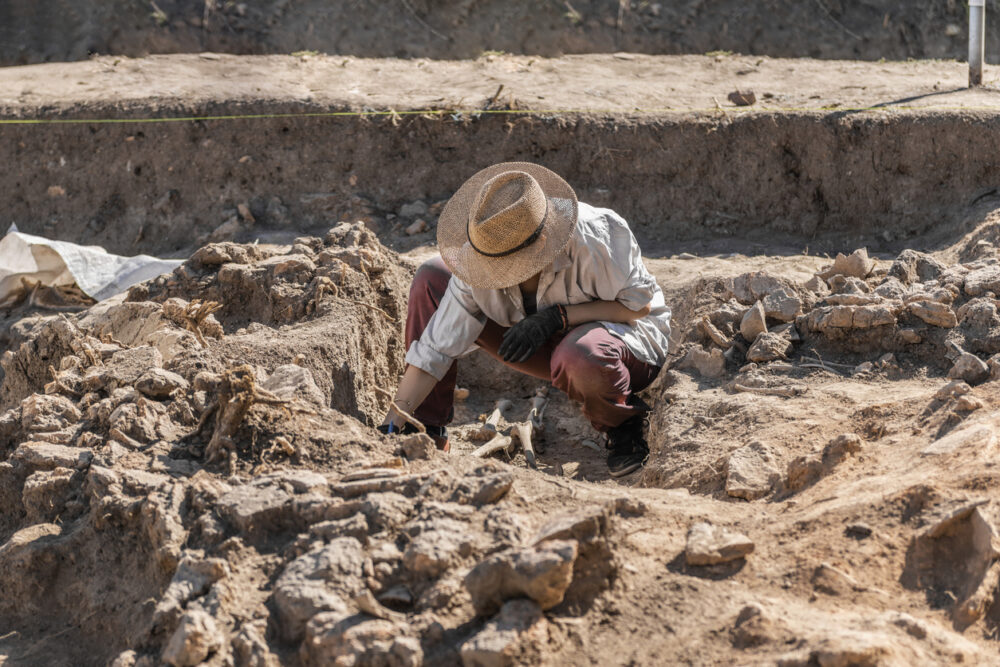
Radiocarbon dating and stratigraphic analysis place the site between 400 and 100 BCE, during Britain’s Late Iron Age—an era when Celtic tribes dominated the landscape. This was a period of complex social structures, trade, and ritual activity long before Roman conquest.
Archaeologists say the site’s size and artifact diversity point to a central settlement or ceremonial ground, possibly linked to the Parisi tribe, a Celtic group known to have lived in eastern Yorkshire at the time.
3. Over 800 Artifacts Were Recovered

Excavation teams catalogued an astonishing range of objects, from bronze and iron spearheads to jewelry, tools, and pottery fragments. Many items were preserved in unusually good condition thanks to the region’s soil composition.
Among the discoveries were finely crafted metal fittings, chariot wheels, and horse gear—clear evidence of advanced technology and social hierarchy. Such artifacts provide clues about both everyday life and the ceremonial importance of warfare and mobility in Iron Age society.
4. Chariots Reveal Elite Burials and Status Symbols
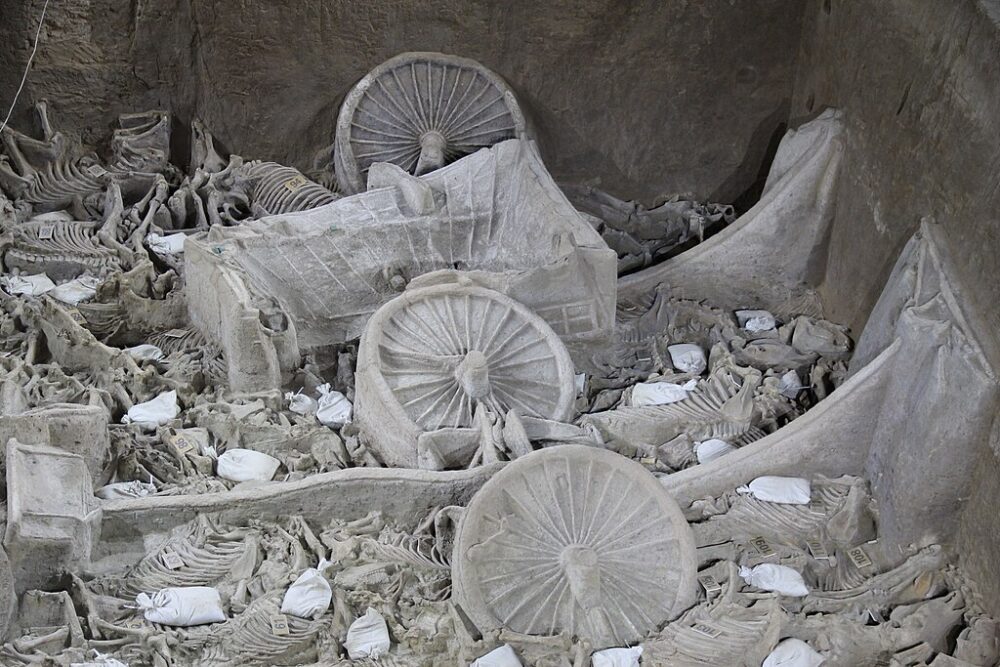
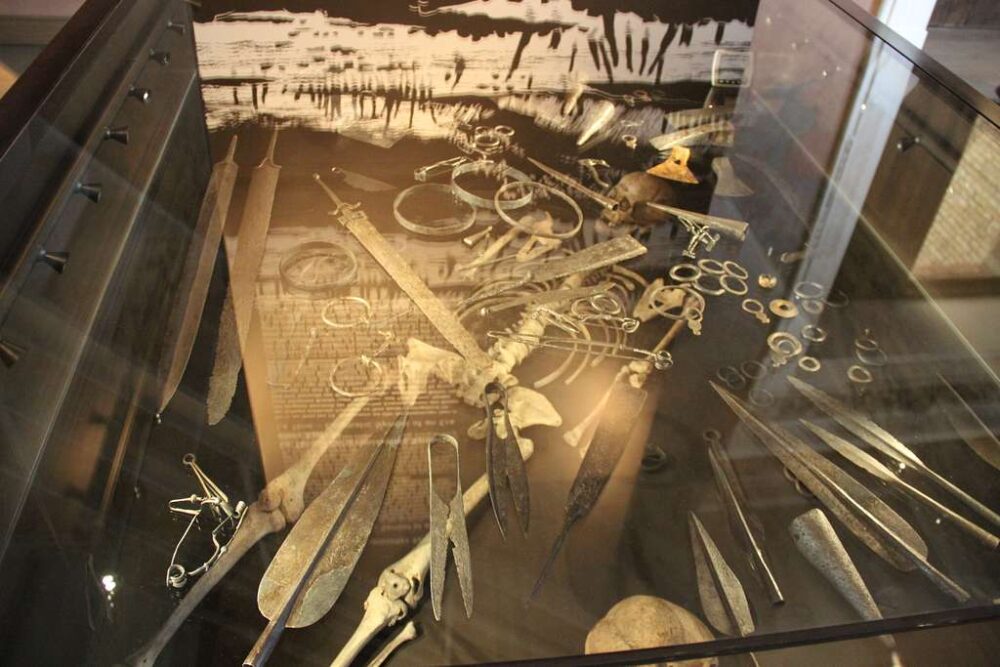
Several chariot remains, including wheels and iron tires, were found in burial contexts alongside human and horse skeletons. Archaeologists interpret these as the graves of high-status individuals, likely warriors or tribal leaders.
Chariot burials were rare outside Yorkshire, making this discovery particularly significant. They demonstrate not only the importance of the horse in Celtic culture but also the belief in an afterlife where chariots carried the deceased into the next world.
5. Ceremonial Spears Suggest Ritual Activity

Among the artifacts were dozens of spearheads deliberately bent or broken before burial—a ritual practice believed to “deactivate” the weapons for use in the afterlife. Similar ceremonies have been observed at Iron Age sites across Europe.
This symbolic destruction points to a rich spiritual tradition in which weapons were offered to gods or ancestors. The discovery helps archaeologists connect northern Britain’s Celtic tribes to broader continental belief systems of the same era.
6. Evidence of Skilled Metalwork Emerges
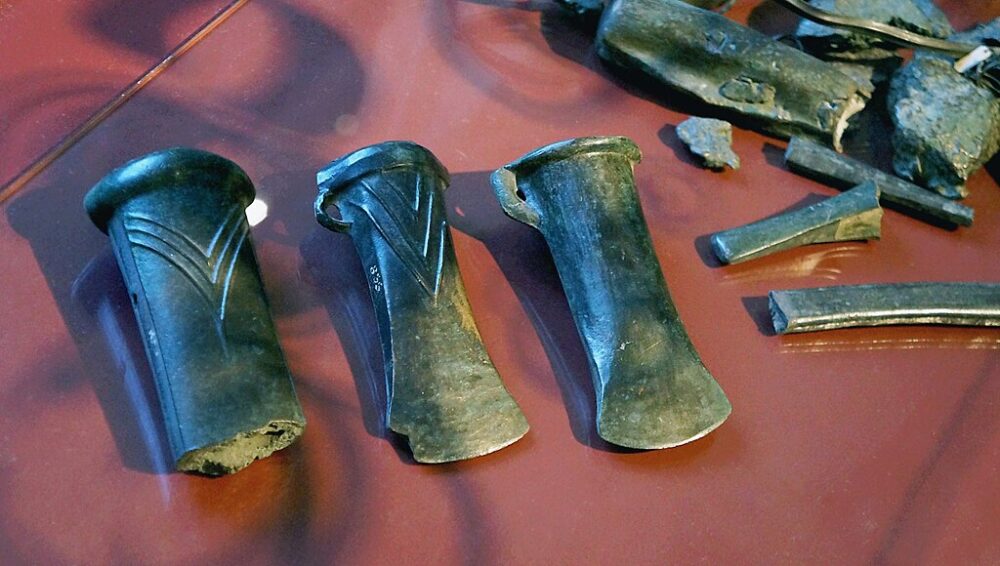
The craftsmanship of the metal artifacts astonished experts. Bronze fittings, sword pommels, and decorative clasps display intricate designs, including swirling motifs typical of La Tène-style Celtic art. Some items appear to have been made using advanced casting and engraving techniques.
These findings confirm that local artisans possessed high levels of skill and access to trade networks for raw materials. The artistry suggests a culture that valued not only function but also aesthetic expression, reflecting complex cultural identities across Iron Age Britain.
7. The Site May Have Been a Ceremonial Center
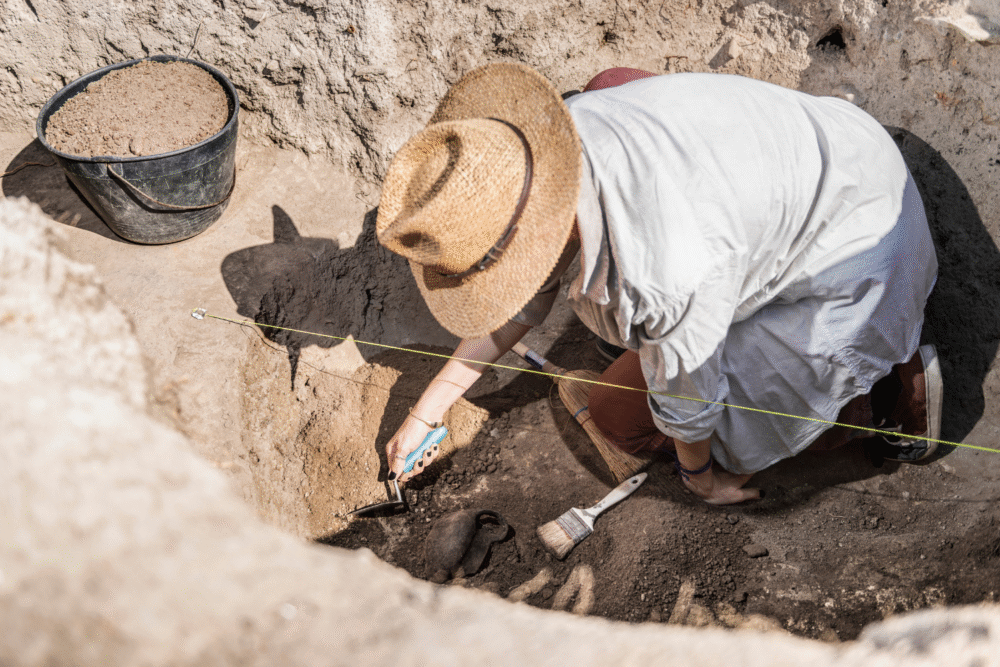
The clustering of weapons, chariots, and human burials indicates that the site was likely a ceremonial or sacred space rather than a simple settlement. Excavation patterns suggest repeated use over generations, possibly for rituals honoring ancestors or marking seasonal events.
Researchers also found circular enclosures and postholes that may have supported wooden structures used in communal gatherings. If confirmed, the site could represent one of the most sophisticated pre-Roman ceremonial landscapes yet discovered in Britain.
8. Organic Material Provides Clues About Daily Life
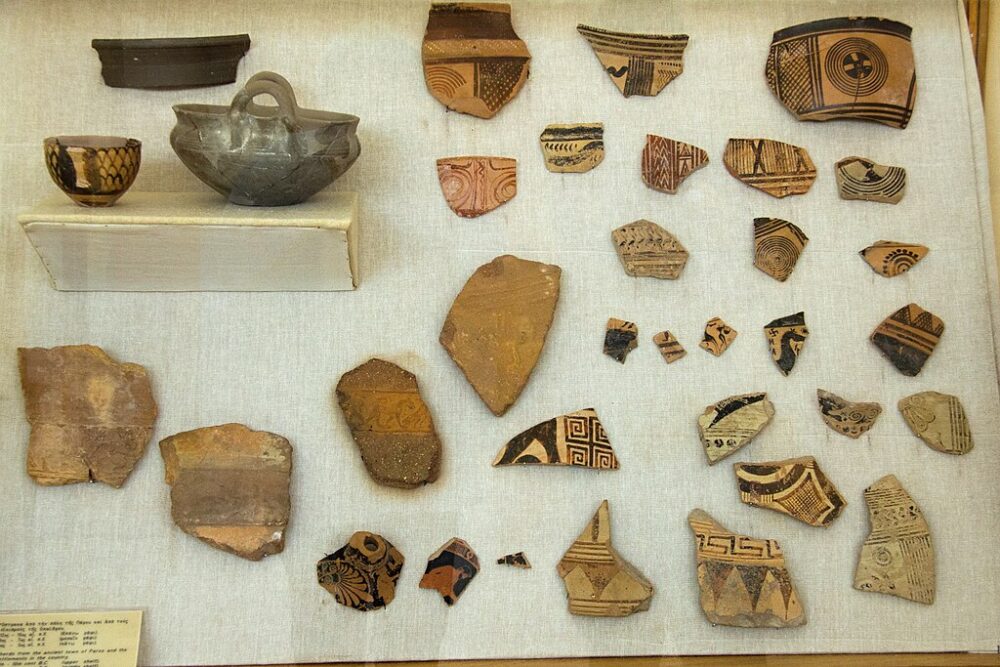
In addition to metal artifacts, archaeologists uncovered preserved wooden fragments, pottery, and food remains that reveal details about Iron Age diet and craftsmanship. Grain residue, animal bones, and plant fibers point to a mixed economy of farming, herding, and trade.
The preservation of organic materials allows scientists to analyze ancient DNA and isotopes, offering a clearer picture of how Celtic communities lived, worked, and interacted with their environment. Such data fills critical gaps in Britain’s prehistoric record.
9. The Discovery Builds on Previous Finds in the Region

North Yorkshire has become one of the richest sources of Iron Age discoveries in Britain. Earlier excavations at Pocklington revealed chariot burials, weapons, and well-preserved human remains. The new site expands that history dramatically.
Together, these discoveries form a regional picture of social complexity rarely seen in pre-Roman Britain. Archaeologists now believe this area was a key hub for trade and ritual, connecting tribes across what is now northern England and southern Scotland.
10. The Find Could Change How We View Celtic Britain
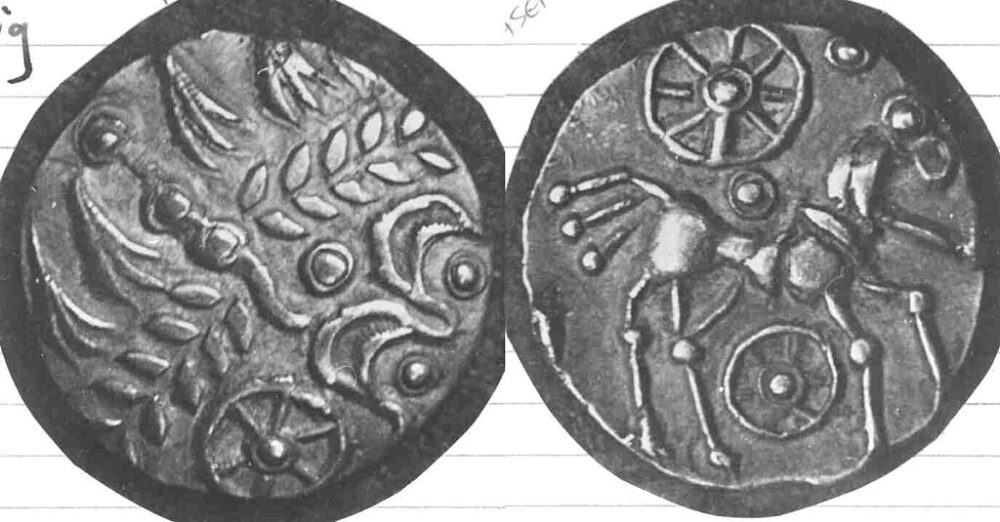
The scale and sophistication of this discovery challenge old assumptions that Iron Age Britain was isolated or technologically primitive. Instead, the artifacts reveal advanced metalwork, complex spiritual traditions, and organized community structures.
Historians say the evidence suggests Celtic tribes in Britain were far more interconnected and socially developed than previously thought. These insights could lead to a complete reevaluation of how early societies evolved before Roman influence reshaped the island’s culture.
11. The Artifacts Will Be Preserved and Displayed
Following careful excavation, the artifacts are being conserved at regional laboratories before eventual public display. Plans are underway for an exhibition in Yorkshire museums to showcase the collection’s historical and artistic significance.
Each piece will undergo detailed analysis, including X-ray scanning and residue testing, to extract as much information as possible about its origin and use. Archaeologists hope the exhibit will help the public understand how discoveries like these continue to rewrite Britain’s ancient story.