
New genetic evidence offers a clearer picture of a Roman-era woman found in southern England.

For years, the discovery of a Roman-era skeleton on England’s southern coast was widely cited as evidence of Britain’s earliest known Black resident. Based largely on skull shape and facial reconstruction techniques available at the time, researchers suggested the woman may have had African ancestry.
That interpretation became part of broader conversations about diversity in ancient Britain. But advances in ancient DNA technology are now allowing scientists to revisit such claims with far more precision.
A new genetic analysis of the remains, known as the Beachy Head Woman, suggests she was more closely related to local British populations living during the Roman period. The updated findings don’t erase diversity from Britain’s past, but they do show how science continues to refine historical understanding as tools improve.
Click through to discover where and how she was found.
1. The skeleton was discovered on England’s southern coast

The remains were found near Beachy Head in East Sussex and date to the Roman period, roughly 1,800 years ago. Archaeologists recovered enough of the skeleton to study both skeletal features and burial context.
At the time of discovery, the find attracted attention because it offered a rare opportunity to examine the life of an individual woman from Roman Britain. Early interpretations relied heavily on physical anthropology methods available at the time. These methods were common practice but had known limitations.
Follow us and access great exclusive content every day
2. Early conclusions were based on skull analysis
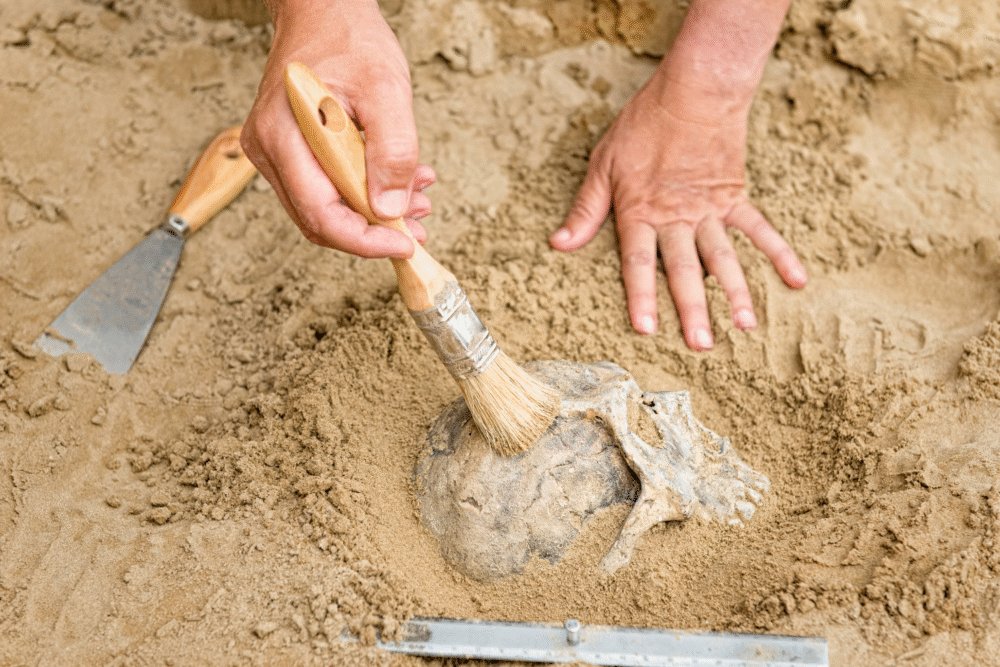
Initial studies used cranial measurements and visual assessment to estimate ancestry. These techniques were once standard in archaeology and forensic science. However, scientists now recognize that skull shape alone is an unreliable indicator of ancestry, especially in populations with long histories of migration and mixing.
Environmental factors and individual variation can also influence skeletal features. As a result, conclusions drawn from skull analysis alone are now treated with caution.
3. Facial reconstructions helped shape public perception
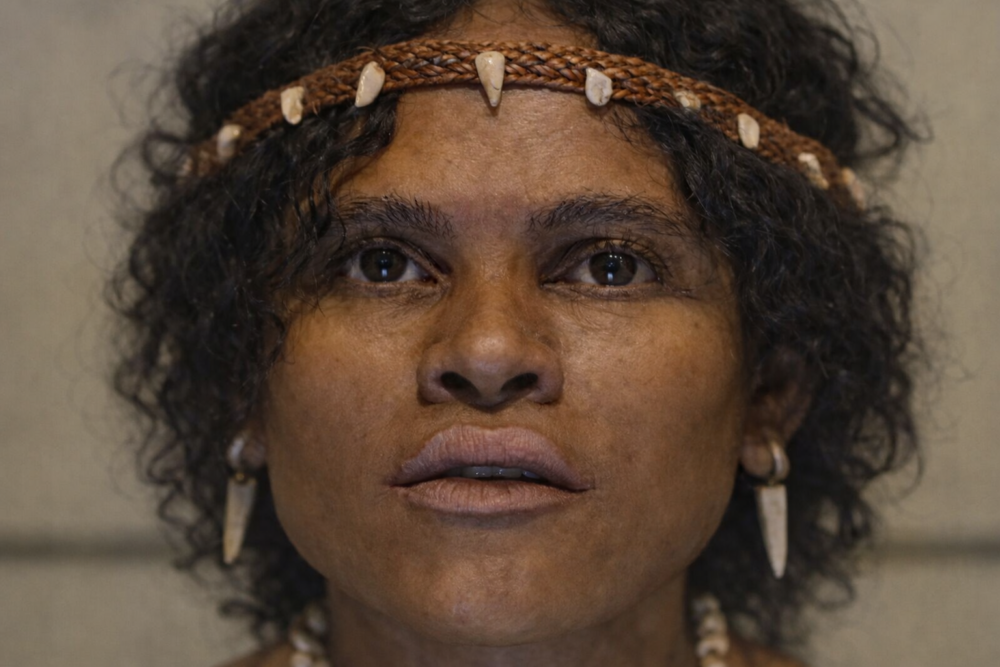
A facial reconstruction of the woman depicted her with darker skin, which reinforced the idea that she had African ancestry. Images of the reconstruction circulated widely and became central to media coverage.
While facial reconstructions are useful visualization tools, they involve artistic interpretation. Skin tone, hair texture, and facial features cannot be reliably inferred without genetic data. Over time, scientists have become more careful about how reconstructions are presented to the public.
Follow us and access great exclusive content every day
4. Ancient DNA testing has advanced significantly

In recent years, ancient DNA extraction and sequencing techniques have improved dramatically. Scientists can now recover genetic material from remains that were previously considered too degraded. These advances allow for more accurate comparisons with known ancient and modern populations.
DNA analysis provides a more direct line of evidence than skeletal morphology. This shift has transformed how archaeologists study ancestry.
5. New genetic evidence paints a different picture
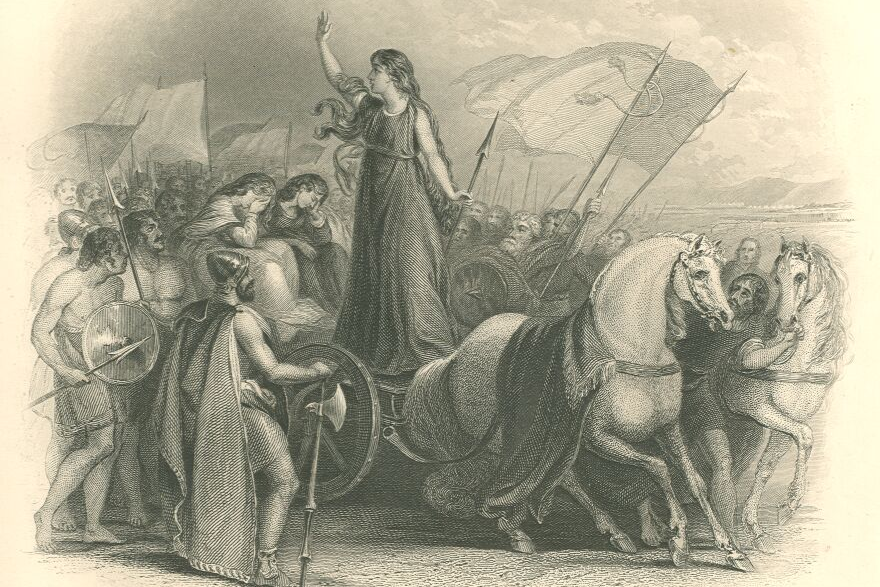
The latest DNA analysis suggests the Beachy Head Woman was genetically similar to people living in Britain during the Roman period. Her genetic profile aligns more closely with local populations rather than with recent African ancestry.
This does not mean she lived in isolation or lacked diverse connections. Roman Britain was a complex society with movement across the empire. But the evidence indicates her ancestry was not what earlier interpretations suggested.
6. The update reflects better tools, not past mistakes

Researchers emphasize that earlier conclusions were made using the best tools available at the time. Science evolves by refining methods and revisiting old assumptions. New findings do not invalidate previous work but improve upon it.
This process is a normal and healthy part of scientific inquiry. As techniques advance, interpretations naturally change.
Follow us and access great exclusive content every day
7. Roman Britain was still a diverse place

Revising this specific case does not mean Roman Britain lacked diversity. Historical records and other archaeological evidence show people from across the Roman Empire lived and traveled throughout Britain. Soldiers, traders, administrators, and families moved regularly.
Diversity in ancient Britain is well documented through multiple lines of evidence. The Beachy Head Woman’s updated story fits into a broader, nuanced picture.
8. Labels like “first” oversimplify history

Historians caution against using phrases like “first Black Briton” because they can oversimplify complex past societies. Human migration did not occur in neat categories or single moments. Focusing on firsts can obscure the broader patterns of movement and interaction.
Modern identity terms do not always map cleanly onto ancient populations. Careful language helps avoid misunderstanding.
9. Genetics cannot tell the full story of identity

DNA provides information about biological ancestry, but it cannot capture culture, language, or personal identity. The Beachy Head Woman lived within Roman Britain’s social and cultural world, regardless of her genetic background.
Identity is shaped by lived experience as much as biology. Scientists stress that genetic findings should be interpreted alongside archaeological and historical context.
Follow us and access great exclusive content every day
10. Public understanding evolves with the science
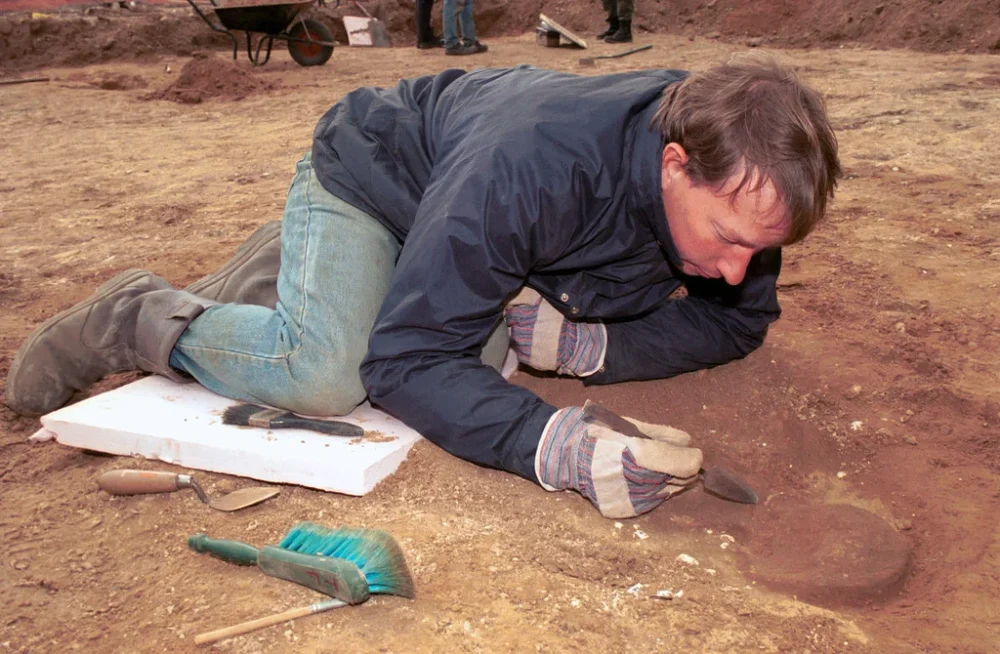
As new discoveries emerge, public narratives about history often need updating. This can be uncomfortable, especially when earlier stories became symbolic or widely shared.
Researchers say transparency is essential when interpretations change. Clear communication helps people understand why conclusions shift. It also builds trust in the scientific process.
11. What this case teaches us about studying the past

The Beachy Head Woman’s story highlights both the power and limits of scientific interpretation. It shows how new technology can challenge long-held assumptions and deepen understanding. At the same time, it reminds us to approach ancient history with humility.
The past is complex, and no single method provides all the answers. Ongoing research continues to refine how we understand human history.