
New research shows deforestation is amplifying extreme weather far beyond the Amazon.
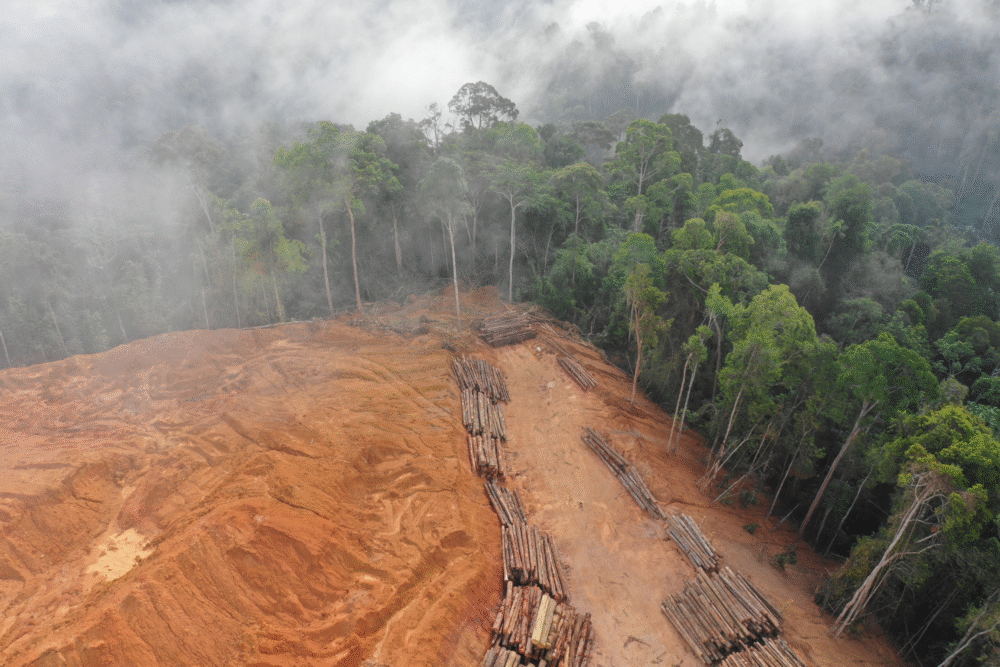
The destruction of the Amazon rainforest isn’t just erasing trees—it’s rewriting weather patterns across an entire continent. A new study published in Nature Communications Earth & Environment reveals that large-scale deforestation is driving more intense rainfall, hotter temperatures, and stronger winds in South America and beyond. By disrupting the Amazon’s natural water cycle, humans are destabilizing one of Earth’s key climate regulators. Scientists say the consequences of this imbalance could intensify storms, droughts, and heatwaves around the world.
1. The Amazon Helps Regulate the Planet’s Weather

The Amazon rainforest acts like a massive air conditioner for the planet. Its trees release moisture into the atmosphere through a process called transpiration, creating clouds that help cool Earth’s surface and stabilize rainfall patterns.
When those trees are cut down, this natural cooling and moisture recycling system begins to collapse. Without the forest’s “green engine,” temperatures rise, rainfall becomes erratic, and the balance of regional weather systems begins to break down.
2. Deforestation Is Drying Out the Atmosphere
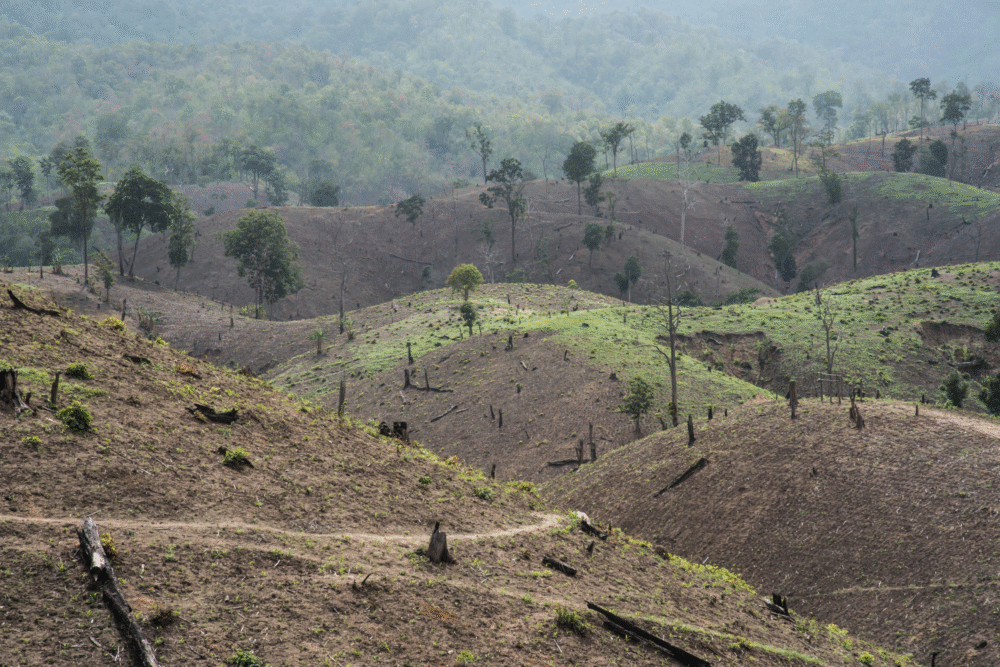
Deforestation reduces the amount of water vapor entering the air. Fewer trees mean less moisture released through leaves, leading to drier air and diminished cloud formation. This in turn reduces rainfall, creating a dangerous feedback loop of heat and drought.
Satellite data show that regions with high deforestation now experience longer dry seasons and declining humidity. This lack of moisture intensifies heatwaves, threatens agriculture, and accelerates forest dieback in areas that once stayed lush year-round.
3. Rainfall Is Becoming More Extreme—and Less Predictable
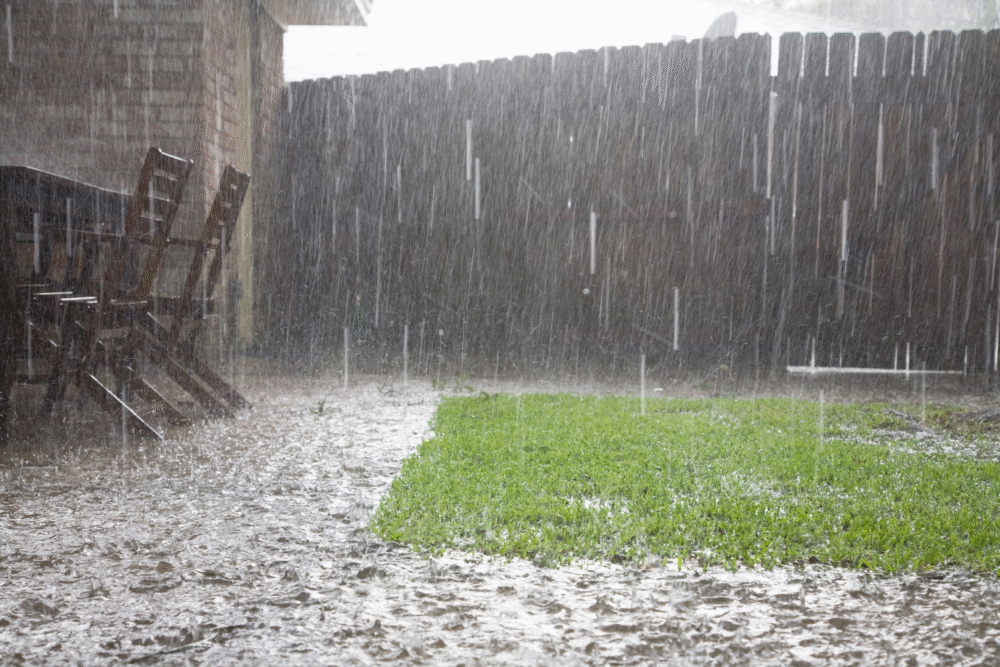
Scientists have found that as the Amazon loses forest cover, rainfall patterns are becoming increasingly erratic. Some regions experience more intense downpours, while others face prolonged dry spells.
The imbalance occurs because deforestation alters the way air masses form and move. Without forest canopy to anchor and distribute moisture evenly, storms tend to cluster and intensify. These extreme shifts are already damaging crops, flooding communities, and stressing ecosystems.
4. Hotter Land Temperatures Are Amplifying Storm Energy
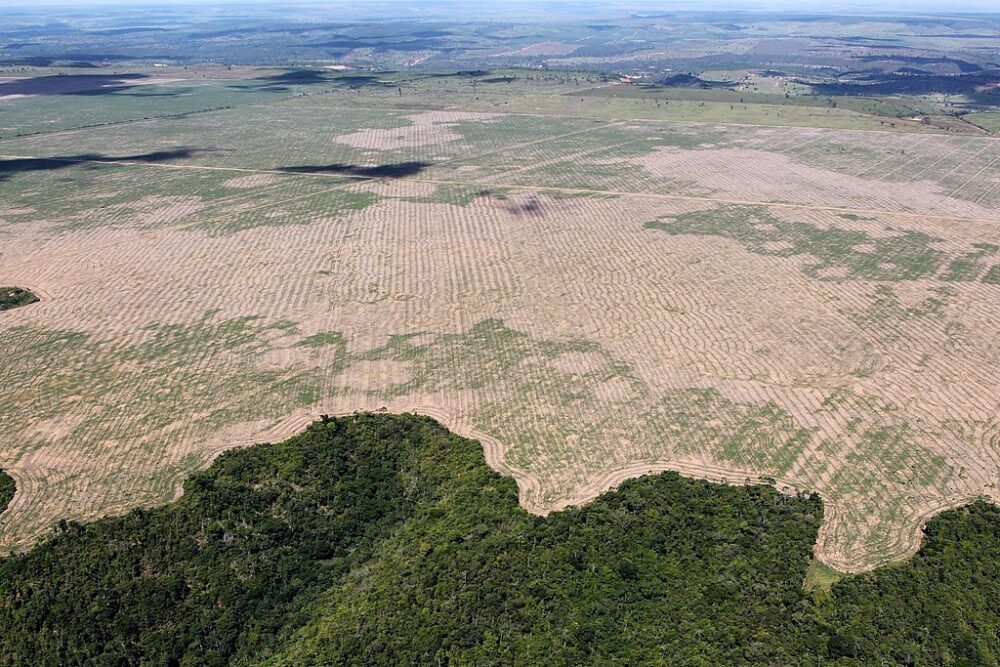
Cleared forest land reflects more sunlight, causing surface temperatures to rise. This added heat fuels atmospheric instability, which can supercharge storm formation and wind strength.
In regions where the rainforest has been heavily logged, average surface temperatures have increased by up to 3°C (5°F). That excess heat provides energy for stronger thunderstorms, more lightning, and turbulent wind systems that can travel hundreds of miles beyond the Amazon Basin.
5. Winds Are Growing Stronger as Forests Vanish

The dense canopy of the Amazon once acted as a natural windbreak, absorbing and dispersing energy from air currents. As deforestation removes this barrier, wind speeds across open land increase dramatically.
Researchers note that these stronger winds not only worsen storms but also dry out soil and fan the spread of wildfires. With less tree cover to slow them, winds can now move heat and dust into new regions, altering local climates thousands of kilometers away.
6. The Amazon’s Water Cycle Is Unraveling
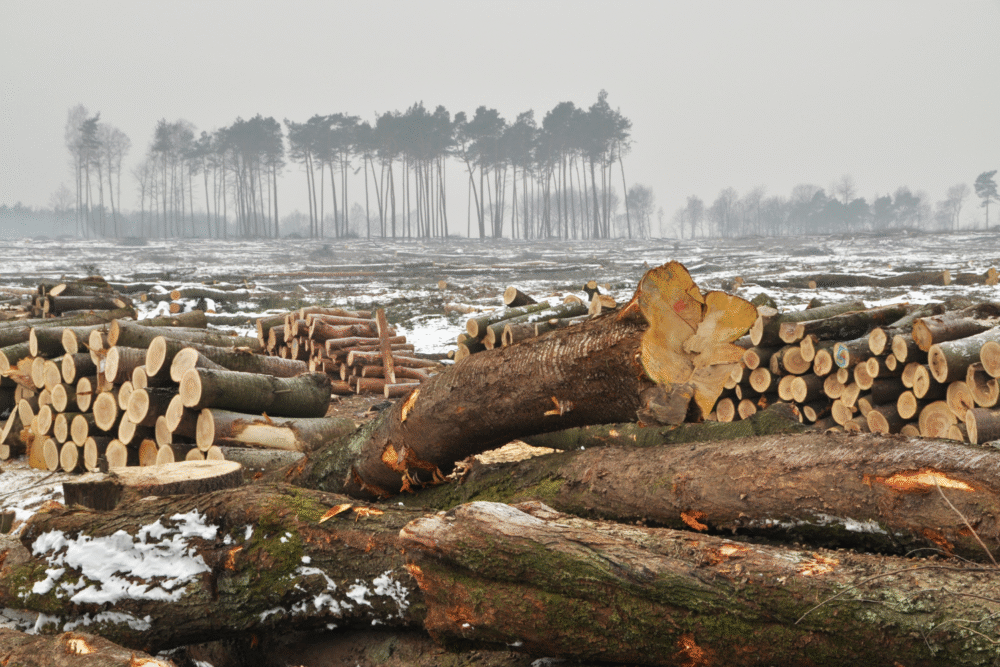
The Amazon produces about half of its own rainfall through moisture recycling—a process where trees release water vapor that later falls again as rain. Deforestation disrupts this system by reducing the number of trees that can “breathe” water back into the atmosphere.
Scientists warn that if forest loss surpasses 20 to 25% of the Amazon’s total area, the region could tip toward a savanna-like state. Once that happens, the rainforest’s self-sustaining rain system could collapse, changing the global climate permanently.
7. Deforestation’s Impacts Reach Far Beyond South America
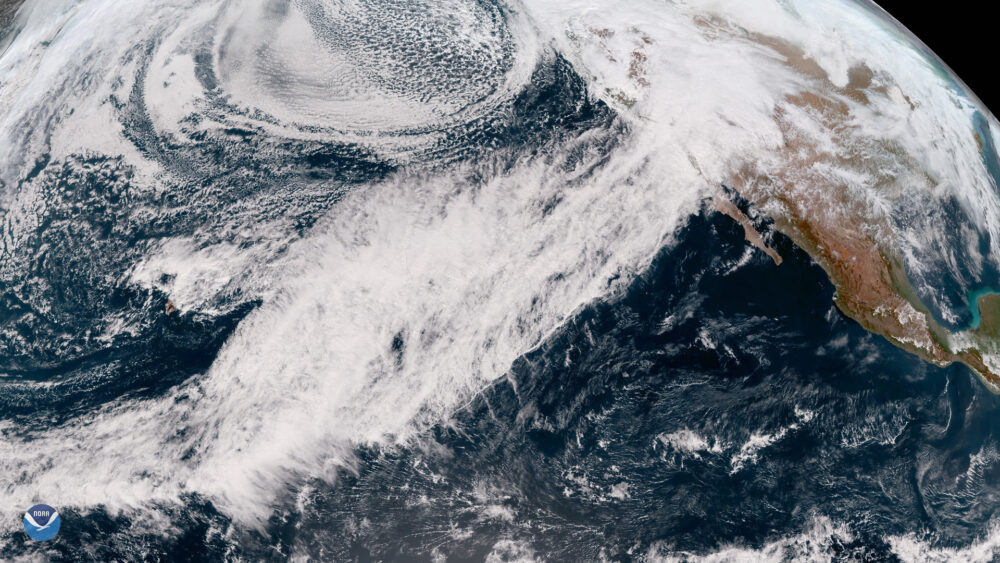
The Amazon’s moisture isn’t confined to South America—it feeds global weather systems. Air currents carry its humidity northward, influencing rainfall as far away as the Caribbean, Central America, and the southern United States.
By altering these atmospheric “rivers,” deforestation could shift rainfall patterns worldwide. Scientists are now observing cascading effects, including heavier monsoons in some regions and intensifying droughts in others—a ripple effect of climate disruption on a planetary scale.
8. Fires Are Making the Situation Even Worse
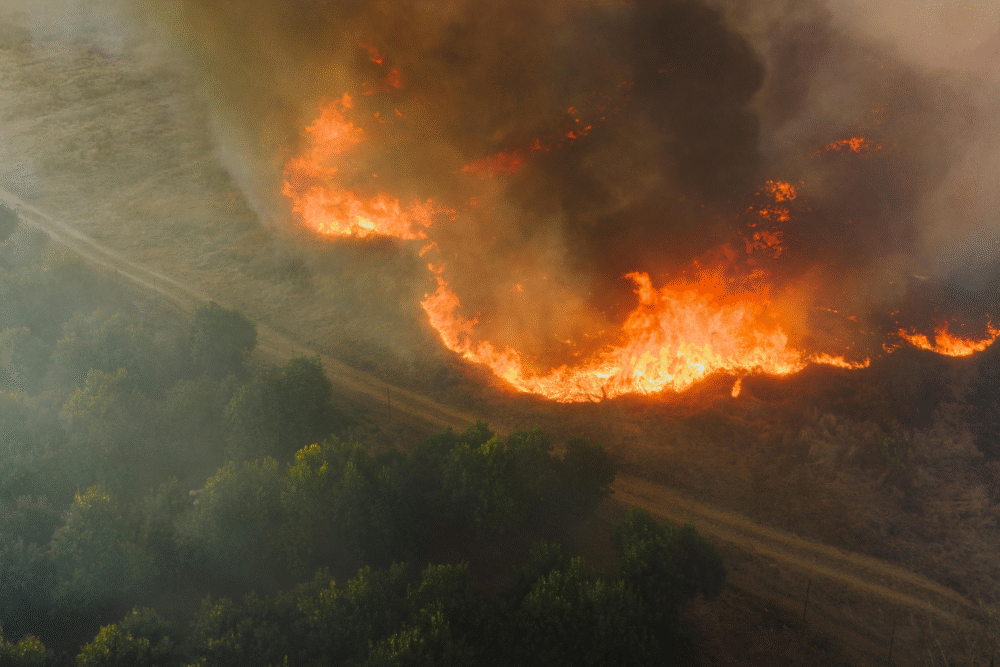
Forest fires, often set intentionally to clear land for agriculture, compound the problem. Burning trees release vast amounts of carbon dioxide and black soot, which absorb sunlight and trap heat in the atmosphere.
These fires not only destroy habitat but also darken clouds, reducing their ability to reflect sunlight. The result is a vicious cycle—hotter air dries the land, more fires ignite, and the climate grows increasingly unstable both locally and globally.
9. Scientists Warn of a Dangerous Tipping Point
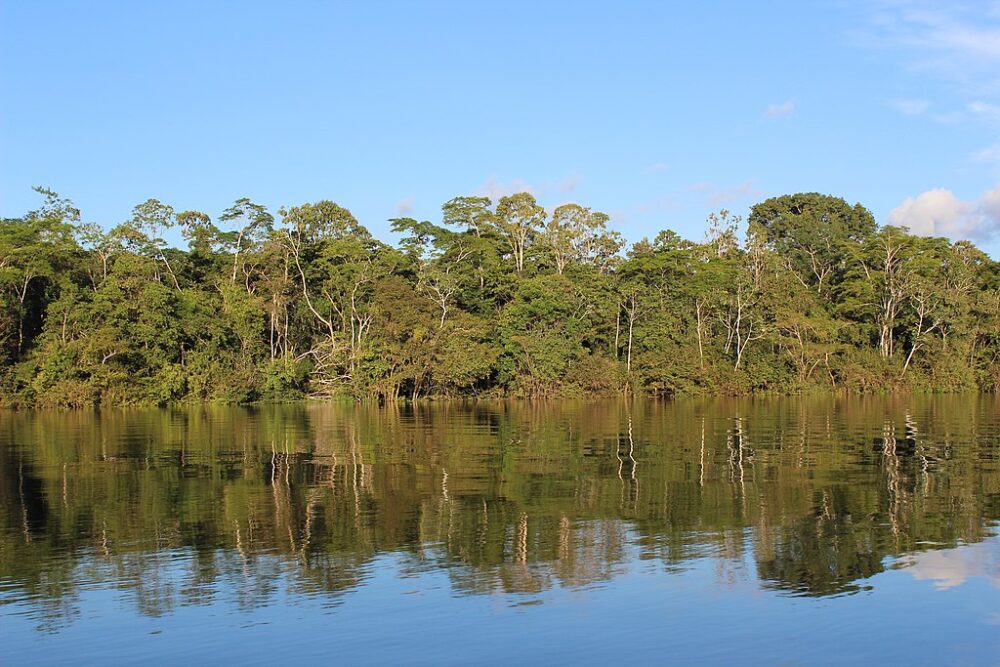
Climate models suggest that the Amazon may be approaching an irreversible tipping point. If deforestation continues at its current pace, vast portions of the rainforest could transform into dry grasslands within decades.
Losing this ecosystem would release billions of tons of stored carbon, accelerating global warming. It would also permanently alter rainfall across the tropics, threatening agriculture and water supplies for millions of people throughout South America.
10. Local Communities Are Feeling the Impact First

Farmers, Indigenous groups, and residents near deforested zones are already experiencing the fallout—unpredictable rains, scorching dry seasons, and worsening floods. These shifts are disrupting food production and forcing communities to adapt to new climatic realities.
Local leaders have warned that what once felt like a distant environmental concern is now a daily struggle. Their lived experience mirrors the data: the loss of the forest is changing everything from planting seasons to the stability of rivers and lakes.
11. Preserving the Amazon Is a Global Imperative

Scientists agree that halting deforestation is one of the fastest, most effective ways to stabilize the global climate. Protecting the Amazon would safeguard its immense carbon stores, restore rainfall patterns, and slow temperature rise.
International cooperation, Indigenous stewardship, and sustainable land policies are key to preserving what remains of this vast ecosystem. As one researcher put it, “The Amazon isn’t just South America’s rainforest—it’s the planet’s lungs. And we’re watching them collapse in real time.”