
Aviation insiders reveal why unexplained aerial encounters rarely made it into official records.

This is the moment an entire profession decided it could no longer quietly accept silence around unexplained events in the sky. For decades, commercial and military air traffic controllers have reported radar contacts that moved strangely, appeared and vanished quickly, or behaved unlike any known aircraft. Historically, many of these incidents were brushed aside as clutter or interference. Now, with official UAP investigations underway and more witnesses speaking openly, people inside the system are finally explaining how such cases were handled—and what that reveals about safety, secrecy, and accountability.
1. The Blip that Started the Problem
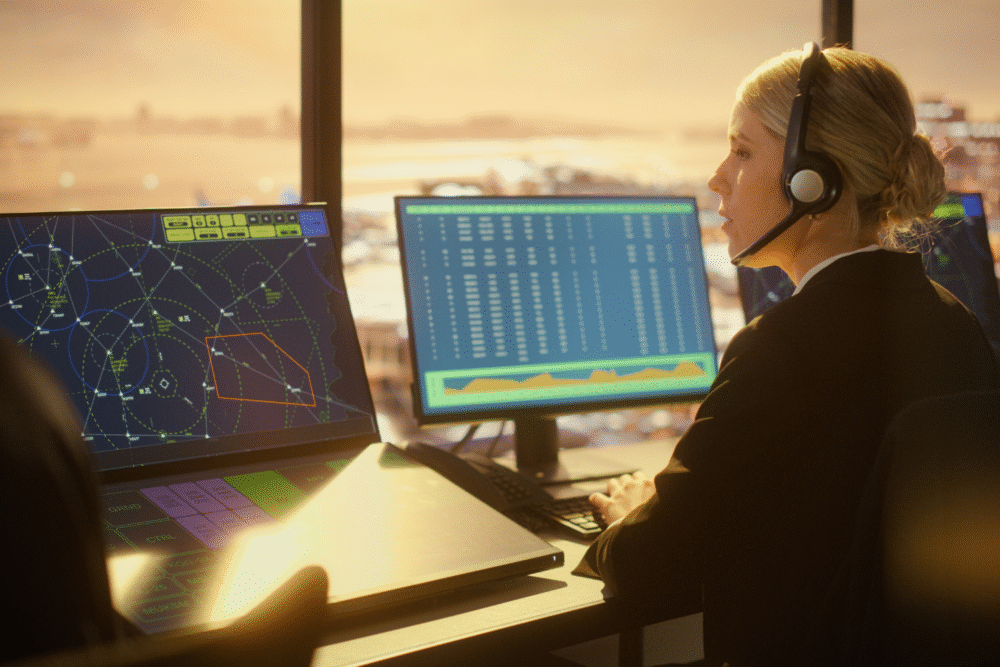
Reports from radar rooms suggest the controversy began with routine-looking “blips” that didn’t fit normal explanations. Air traffic controllers, trained to recognize aircraft and radar artifacts, sometimes watched targets jump from near-stationary to high speed in seconds. Occasionally, the same return appeared on more than one system, convincing operators they were seeing something physical, not just a glitch.
Controllers who raised questions say they were often told to log these cases as weather, clutter, or equipment anomalies. The guidance was presented as normal procedure. But the result was that unusual returns were folded into harmless categories, rarely prompting deeper investigation.
2. Why the FAA Struggled to Respond to These Incidents

Unauthorized airspace incursions are usually treated as serious matters, but UAP-related incidents often fell into an awkward jurisdictional space. Controllers could notify defense contacts when something strange appeared, yet they rarely received clear feedback. Some describe cases where, after initial coordination, they were told the matter was “being handled” and that no further action was needed on the civilian side.
Publicly, the FAA defers to the Department of Defense on potential national-security issues. For controllers, this can feel like being asked to stop pursuing questions they are trained to resolve, leaving them unsure whether a potential hazard was fully addressed.
3. The Incredible Speeds That Broke All Known Physics

UAP reports often focus on the apparent speed and agility of certain objects. Radar and pilot accounts describe contacts that accelerate or change direction faster than typical aircraft, sometimes without a sonic boom. Similar details appear in several Navy encounters, where objects seemed to maneuver abruptly without obvious wings or exhaust.
Conventional aircraft, even advanced military platforms, are limited by aerodynamics, structural strength, and human G-force tolerance. When a target appears to stop suddenly, pivot, or climb rapidly without familiar signatures, it challenges those limits. Some reports likely involve sensor artifacts, but a small set of well-documented cases remains unresolved.
4. How the “Noise” Label Allowed Anomalies to Be Overlooked
In radar and data logs, terms like “clutter,” “interference,” and “noise” have specific technical meanings. They describe reflections from terrain, weather, or other non-target sources that systems are designed to filter out. Critics say those labels sometimes became an easy place to file puzzling events, so once something was marked as noise it was treated as a minor issue.
This does not prove a coordinated cover-up, but language can shape outcomes. A return with a benign label is less likely to draw attention from supervisors or investigators. Over time, that habit may have kept some UAP-related cases from deeper review.
5. The Type of Incident That Alarmed Controllers Most

Controllers and pilots have described incidents they perceived as uncomfortably close calls. In these accounts, an unidentified radar return appears briefly along a flight path, prompting the controller to consider evasive instructions—only for the contact to vanish or shift course so quickly that no maneuver is ordered. Some crews later reported seeing a flash or streak they could not explain.
When such events were reviewed, documentation sometimes attributed them to radar glitches or sensor issues. That may resolve the paperwork but not the unease of those who watched. For some, the gap between experience and official wording first sparked concern.
6. Why Aviation Professionals Began Speaking Out

The push to speak more openly about UAPs has been gradual, involving many aviation and military professionals rather than a single dramatic whistleblower. Some recall being discouraged from documenting unusual events or warned that focusing on them could harm their careers. Over time, the strain of staying quiet about incidents they thought might affect safety began to weigh on them.
Recent developments changed that. Congressional hearings, new reporting channels, and official UAP offices signal that these concerns are taken more seriously. For some, that recognition creates a sense of duty, and they feel they should describe what they have seen.
7. How Military Tracking Revealed a Bigger Picture

Although public statements for many years tended to downplay UAPs, later disclosures showed that military branches were quietly collecting and analyzing reports. Pilots, radar technicians, and intelligence officials have described programs using advanced sensors to track unknown objects in sensitive airspace. These efforts often remained classified even as official answers to the public used cautious, limited language.
To some observers, that gap suggests a split approach: restrained public messaging paired with serious internal scrutiny. Officials say secrecy is driven by national-security concerns. For controllers and pilots, it confirms that unusual reports were sometimes studied more carefully than they realized.
8. Are These Pilots or Something Else Entirely?
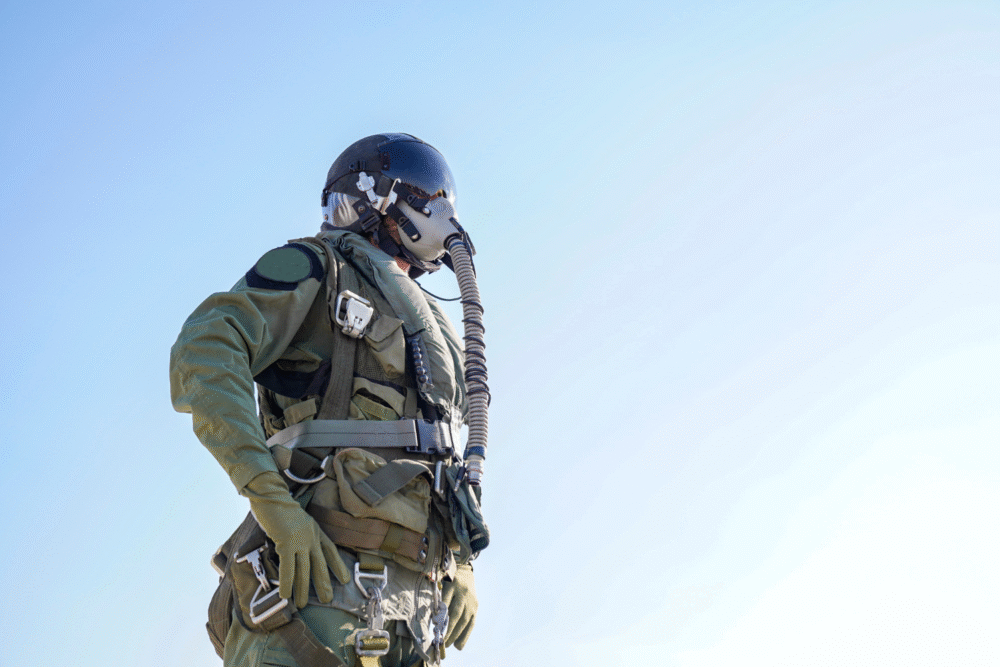
The most unsettling question raised by UAP cases is what, if anything, is inside the craft. Maneuvers reported in some incidents would impose G-forces far beyond what human bodies can tolerate, leading many analysts to doubt that they involve conventional crewed vehicles. That has prompted speculation about advanced drones, autonomous systems, or technologies that reduce acceleration stresses.
Official reports avoid firm conclusions, listing possibilities from sensor artifacts to foreign adversary platforms or undisclosed domestic programs. A few cases appear to involve physical objects with unknown propulsion. Whether those represent classified human technology or something more exotic remains an open question.
9. The Famous ‘Tic-Tac’ Sightings Have the Same Radar Signature
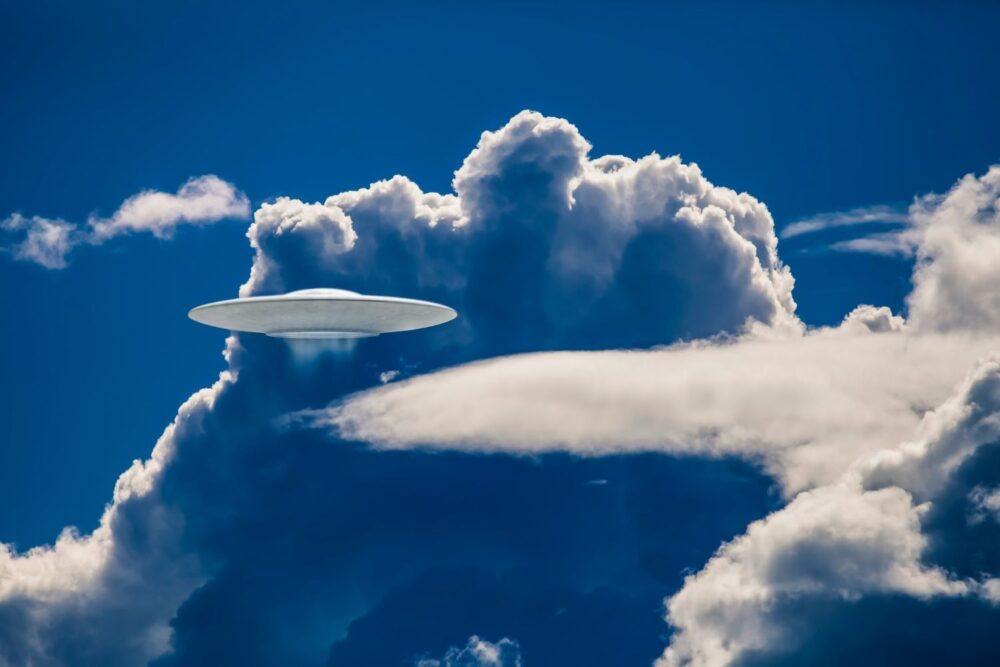
The 2004 “Tic-Tac” encounter off the USS Nimitz drew wide attention because its radar and visual details echo themes seen in other reports. Navy personnel described objects dropping from high altitude to near sea level in seconds, then hovering without visible propulsion. Those descriptions resemble accounts from some controllers and pilots who observed fast-moving contacts near civilian airspace.
Analysts caution that not every report matches the Tic-Tac profile, and some may involve misinterpretations or technical issues. Still, the pattern of rapid descents, sharp maneuvers, and unusual signatures suggests that some events may involve a similar phenomenon appearing in different locations.
10. The Personal Toll of Staying Silent for Years

People responsible for protecting crowded skies carry a heavy burden even in normal conditions. For controllers and pilots who believe they have witnessed UAPs, that weight can be amplified by the sense that they are not supposed to talk about what they saw. Some recall being cautioned to keep quiet or fear colleagues will dismiss them.
Over time, that mix of high-stakes work and silence can take a toll. Some former controllers and aircrew have spoken publicly about anxiety, second-guessing, and fearing they might someday be blamed for an event they never fully reported. For them, new transparency offers relief.
11. What Happens Now That These Reports Are Public?

As more radar logs, cockpit recordings, and official summaries make their way into public view, the terms are changing. In the past, authorities could suggest that a pilot was mistaken or a witness confused. Technical data from professional systems complicates that narrative when military and civilian sources align.
This shift places new pressure on institutions like the FAA, the Department of Defense, and Congress. They are expected to standardize reporting, preserve data, and address potential safety issues more transparently. The old habit of dismissing anomalies as “noise” looks less adequate when the stakes involve public trust and shared skies.