
A wave of extreme storms, fires, and infrastructure failures is pushing governments to confront rising dangers.

A growing series of global disasters, from record-breaking typhoons to deadly urban fires, has exposed major gaps in how nations plan for climate-driven risks. Scientists warn that rising temperatures are fueling stronger storms, heavier rainfall, and more frequent heat-related emergencies. At the same time, aging buildings and overwhelmed safety systems are failing under new environmental stresses. In 2025, leaders are being forced to confront a difficult truth: traditional disaster planning can no longer keep pace with the rapidly shifting climate.
1. Typhoons Are Intensifying Faster Than Governments Can Prepare
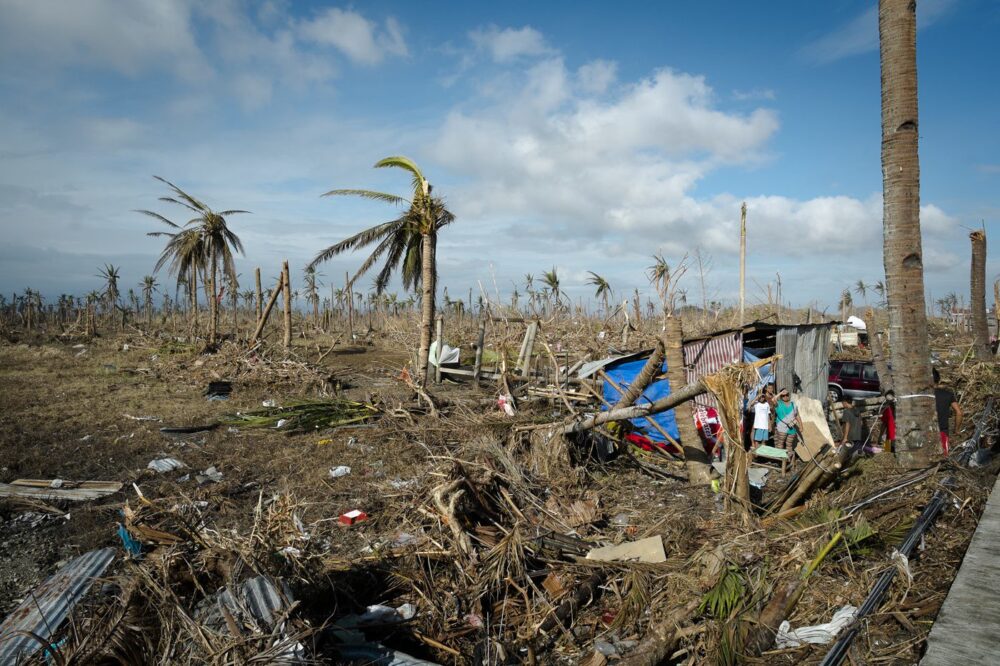
Across the Pacific, typhoons have been rapidly strengthening due to warmer ocean temperatures—an established driver of more powerful storms. Meteorological agencies in Japan, China, and the Philippines have documented shorter lead times between formation and peak intensity, making evacuation planning more difficult.
This accelerated storm development has resulted in higher storm surges, widespread flooding, and infrastructure failures. Leaders are now reevaluating coastal defenses, forecasting systems, and emergency response plans to keep pace with storms that behave differently than those of past decades.
2. Urban Heat Waves Are Triggering Deadly Building Failures
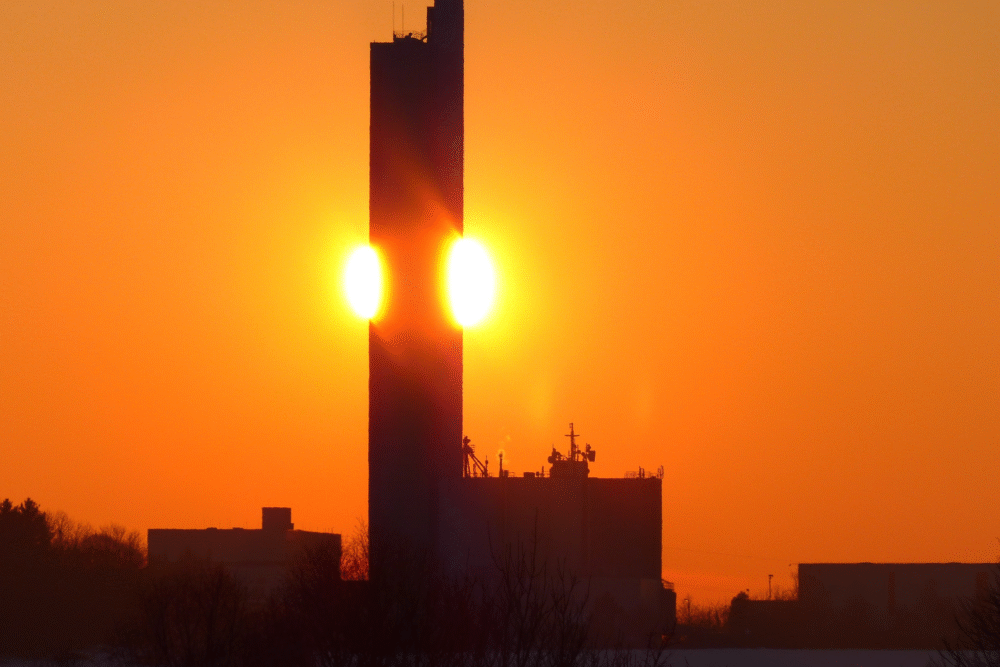
Extreme heat is now causing electrical systems to overload and older buildings to fail in cities around the world. Heat-related blackouts have increased, and experts note that outdated wiring and ventilation systems were never designed for today’s prolonged high-temperature events.
These failures put vulnerable residents at greater risk, particularly in densely populated areas. As a result, officials are beginning to reassess building codes and heat-preparedness plans, recognizing that infrastructure must evolve to withstand more frequent and severe heat waves.
3. Wildfire Seasons Are Growing Longer and More Destructive

Regions such as California, Greece, and Australia have reported earlier starts and later ends to their wildfire seasons. Warmer temperatures and persistent drought conditions dry out vegetation, turning entire landscapes into flammable fuel beds.
The increasing scale of these fires has prompted governments to invest in expanded firefighting fleets, early-warning systems, and land-management strategies. Leaders are also confronting the economic toll, as insurance markets and local budgets strain under the cost of repeated, climate-driven destruction.
4. Once-Rare Flood Events Are Becoming Common
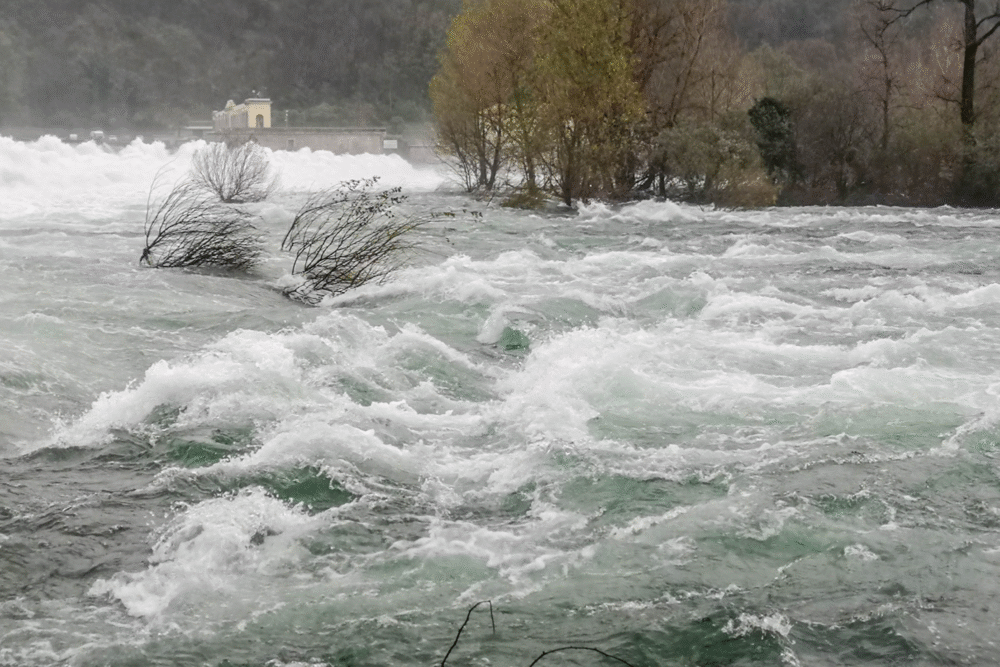
Countries like Brazil, Germany, and South Korea have experienced devastating floods in recent years—often described by officials as “once-in-a-century” events that are now happening with alarming frequency. Scientists attribute this shift to warmer air holding more moisture, producing heavier rainfall.
Communities have struggled with overwhelmed drainage systems and insufficient flood defenses. As a result, leaders are reassessing urban planning, river-control measures, and zoning laws to reduce the impact of intense downpours that are no longer considered outliers.
5. Nightclub and Venue Fires Are Exposing Safety Gaps

Tragic nightclub fires—such as those seen in Romania, Brazil, and other countries over the past decade—have revealed systemic weaknesses in fire-safety enforcement. Overcrowding, outdated materials, and inadequate exits all contributed to tragedies made worse by panic and delayed emergency response.
These incidents have pressured governments to strengthen inspection standards and emergency-readiness requirements. Many leaders now acknowledge that as temperatures rise and electrical systems strain, fire risks increase, requiring far stricter public-safety measures.
6. Coastal Cities Face Rising Sea Levels and Erosion

Cities like Miami, Jakarta, and Venice are already experiencing regular tidal flooding linked to rising sea levels. Erosion is damaging roads, homes, and stormwater systems, placing financial strain on coastal governments.
Urban planners are now weighing expensive solutions, from sea walls to relocation plans. The growing frequency of high-tide flooding has made it clear that long-term strategies—not temporary fixes—are needed to protect coastal communities.
7. Stormwater Systems Can’t Handle New Rainfall Extremes

Infrastructure designed decades ago is struggling to keep up with modern rainfall patterns. Cities from New York to Manila have seen subway floods, road collapses, and widespread sewer overflows following intense storms.
Officials are now investing in upgraded drainage systems, permeable pavement, and expanded green spaces to absorb excess water. These improvements aim to reflect the reality that old engineering assumptions no longer match current climate conditions.
8. Landslides Are Increasing in Vulnerable Mountain Regions

Countries like Nepal, India, and Colombia have reported rising landslide activity linked to heavier rainfall and deforestation. Steeper slopes are destabilizing under rapid water saturation, leading to deadly collapses and blocked transportation corridors.
In response, leaders are investing in slope monitoring, early-warning systems, and reforestation programs that help stabilize terrain. These strategies recognize that landslides are no longer seasonal anomalies but recurring threats tied to shifting weather patterns.
9. Power Grids Are Struggling Under Climate Pressure

Heat waves, storms, and wildfires are increasingly disrupting power systems. Grid operators in the U.S., Europe, and Asia have reported more frequent outages tied to extreme weather conditions.
Governments are now accelerating grid modernization, including underground power lines, expanded battery storage, and stronger wildfire-prevention measures. These upgrades aim to create systems resilient enough to withstand weather extremes that are becoming more common.
10. Emergency Response Systems Are Being Rebuilt for the New Normal
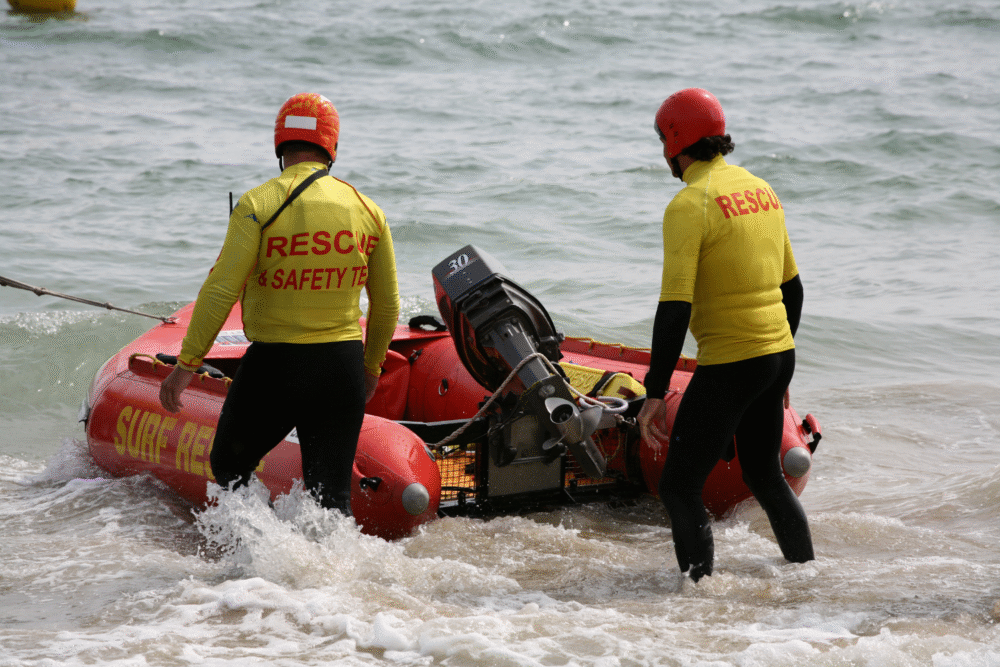
Disasters are now occurring in rapid succession, stretching emergency crews to their limits. Firefighters, medical teams, and disaster-response units worldwide have reported higher workloads and reduced recovery time between major events.
Leaders are expanding training programs, investing in equipment, and redesigning national response strategies to handle overlapping crises. The goal is to build flexible systems capable of responding to multiple climate-driven threats at once.
11. Governments Are Facing Pressure to Plan Beyond Short-Term Cycles

Public frustration is growing as communities demand long-term climate planning instead of reactionary measures. From infrastructure upgrades to disaster-relief funding, many citizens want leaders to adopt strategies that look decades ahead.
This pressure is pushing officials to incorporate climate modeling, resilience planning, and transparent risk assessments into national agendas. As extreme events continue, long-term preparedness is becoming not just a political issue—but a necessity for protecting lives and infrastructure.