
Burned royal artifacts reveal a deliberate act meant to erase power and signal a new ruling order.
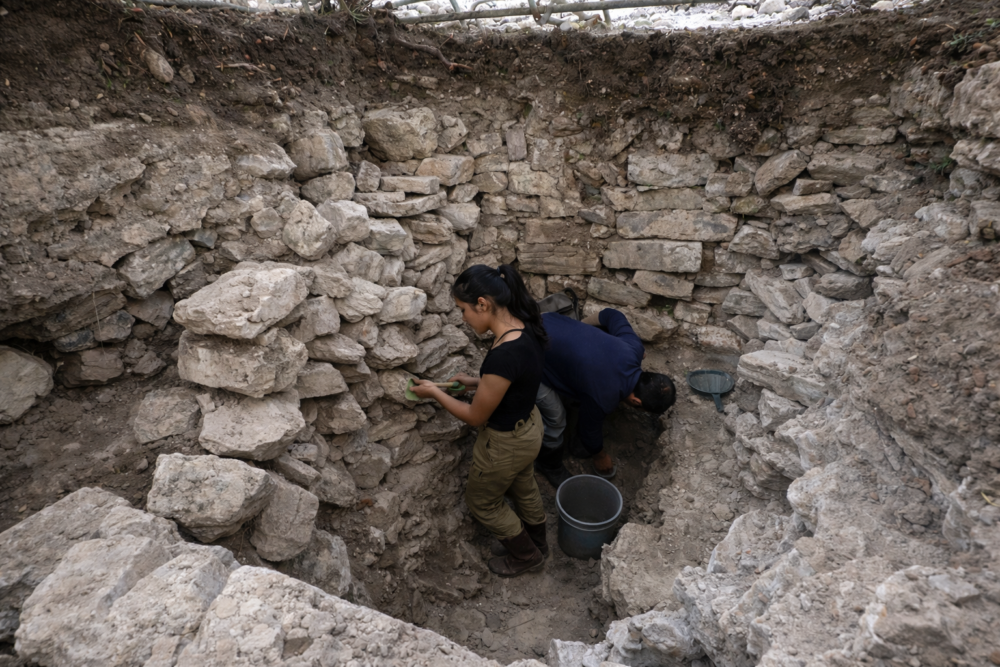
Burned artifacts don’t usually survive long enough to tell clear stories. But at one Maya site, fire left behind something rare: physical evidence of a deliberate political act meant to erase a ruling dynasty’s power rather than simply destroy its possessions.
Archaeologists studying a royal compound found signs that sacred objects were removed from a tomb, broken, and burned in a public space. This wasn’t random violence or accidental damage. The pattern suggests a carefully staged event tied to the end of one regime and the rise of another.
Instead of a sudden collapse, the evidence points to an intentional dismantling of royal authority—using fire as a message everyone would understand.
1. Where the discovery was made

The discovery comes from excavations at Ucanal, a Maya city located in what is now northern Guatemala. Ucanal was occupied for centuries and remained active even as other Maya centers declined.
The burned materials were found near a royal palace complex, not in a domestic area. That location matters, because it places the destruction at the heart of political power rather than on the margins of everyday life.
2. What archaeologists actually found

Researchers uncovered fragments of jade ornaments, carved shell, human bone, and ceremonial objects that showed clear signs of burning. These items are typically associated with royal burials and elite rituals.
Crucially, the objects appear to have been removed from a tomb before being burned. That sequence suggests intent. Someone deliberately took sacred items out of their resting place and destroyed them elsewhere.
3. Why fire mattered in Maya politics

In Maya culture, fire was not just destructive—it was symbolic. Burning could represent purification, renewal, or the severing of spiritual ties.
Using fire on royal objects would have sent a clear message: the former ruler’s authority and lineage were no longer valid. It was a way to dismantle power both politically and spiritually in front of the community.
4. Evidence this was a public act
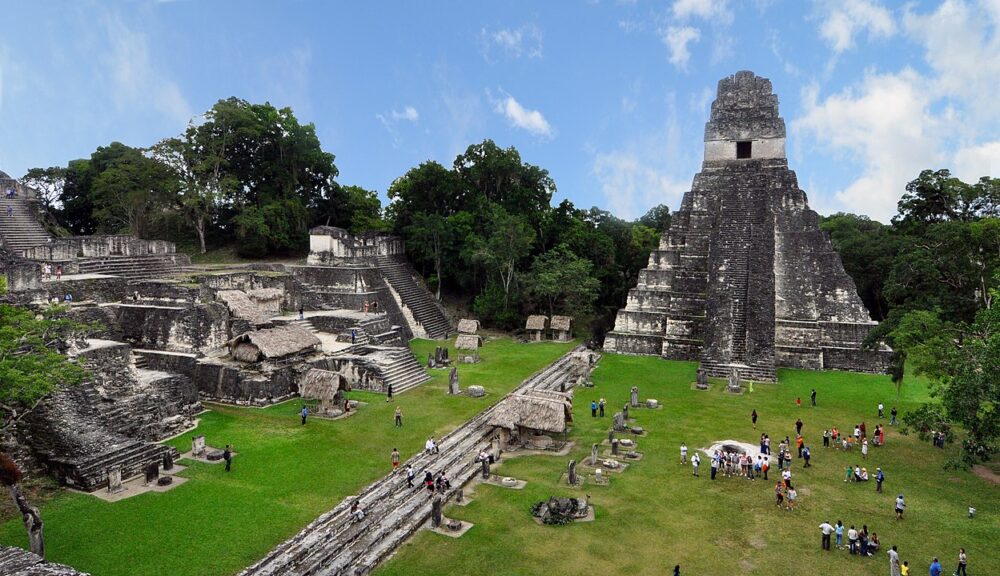
The burned materials were found in an open plaza area rather than hidden or buried. That suggests the event was meant to be seen.
Public rituals were central to Maya political life. By destroying royal symbols in a shared space, the act would have reinforced a new order and discouraged loyalty to the previous dynasty.
5. Why this was not simple looting

Looting typically removes valuable items and leaves little behind. In this case, valuable materials like jade were intentionally broken and burned rather than stolen.
That choice points to symbolism over profit. The goal was not to take wealth, but to neutralize it as a source of legitimacy tied to the former rulers.
6. What this says about the end of Maya kingdoms
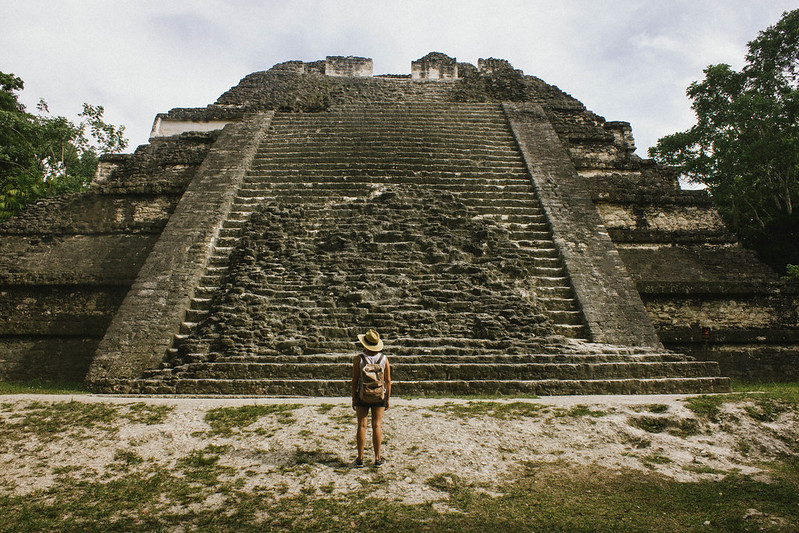
The burned artifacts suggest that the end of royal rule at Ucanal was not a sudden collapse caused by famine, invasion, or abandonment. Instead, the evidence points to a controlled political transition carried out by people who understood the symbolic power of ritual destruction.
Removing objects from a royal tomb, breaking them, and burning them in a public space would have required planning, authority, and coordination.
This indicates that leadership did not simply disappear. One ruling order was intentionally dismantled and replaced, using fire as a tool to publicly strip legitimacy from the old dynasty and make the shift unmistakable to the population watching it unfold.
7. How this fits with other Maya transitions

Similar acts of ritual destruction have been documented at other Maya sites, though rarely with this level of clarity. Thrones were defaced, monuments toppled, and royal imagery altered.
Together, these cases suggest that some Maya political endings were managed power shifts rather than total societal breakdowns.
8. Why burned artifacts are so rare
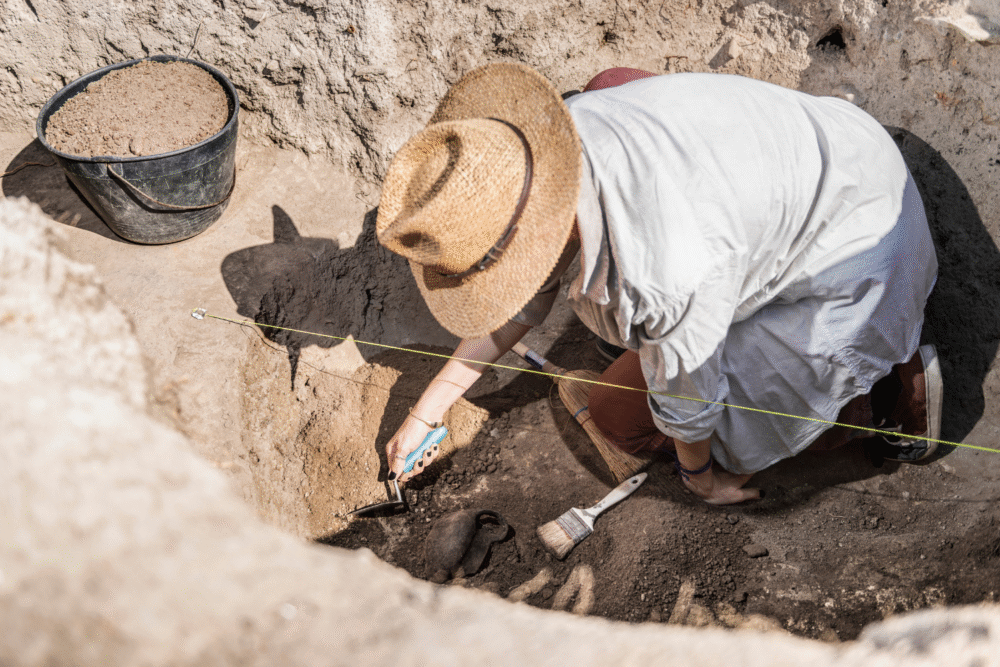
Fire usually destroys organic material completely. In this case, conditions allowed fragments to survive long enough to be identified and studied.
That survival gives archaeologists a rare window into actions that were meant to erase the past, not preserve it.
9. What this changes about Maya collapse narratives
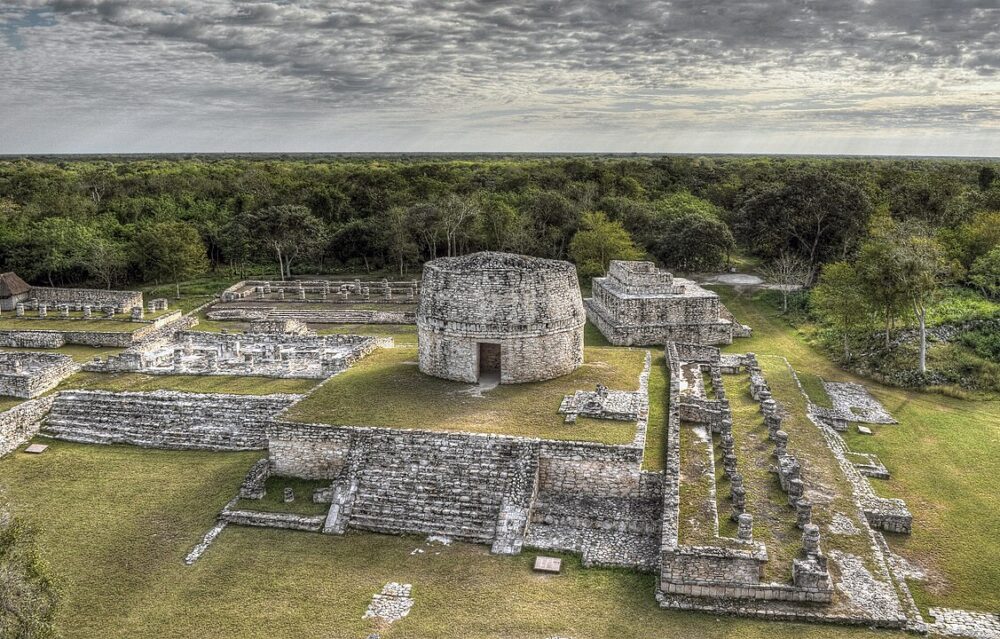
For years, discussions about the Maya “collapse” focused on environmental stress and population decline. This discovery adds political intent to the picture.
It suggests that at least some kingdoms fell through deliberate regime change, not just gradual abandonment.
10. Why archaeologists call this a “smoking gun”
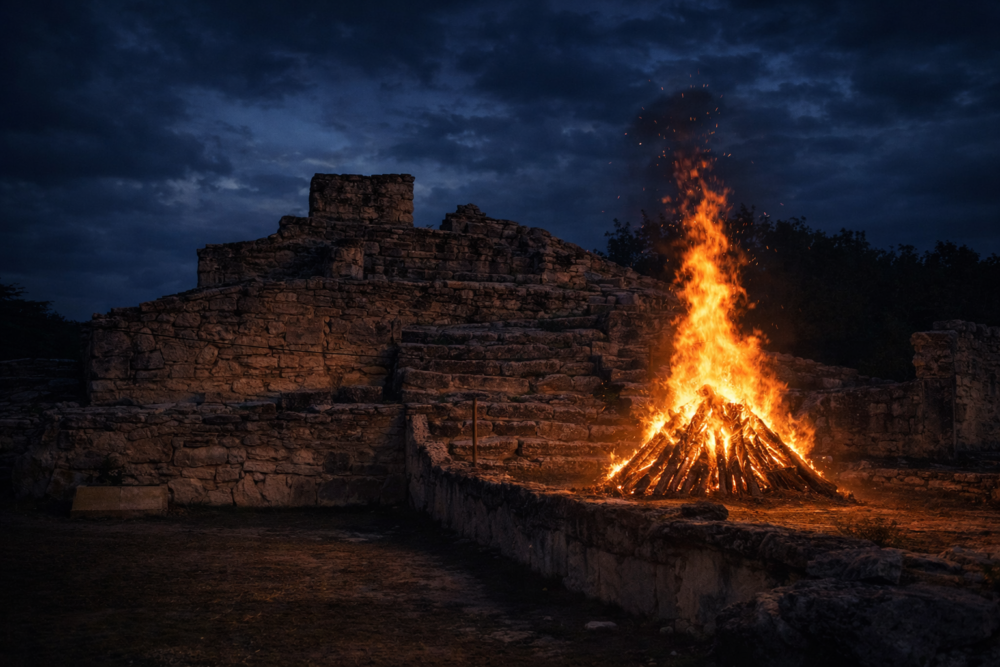
Because the burned artifacts are directly tied to royal power, location, and timing, they provide unusually strong evidence of purposeful destruction.
Instead of inferring collapse from absence, researchers can point to a concrete act meant to end a dynasty’s reign.
11. What the fire was meant to say

The destruction was likely meant to be final. By burning sacred royal objects, the act severed spiritual connections to past rulers and cleared space for new authority.
Centuries later, those charred remains still carry the message: this was not an accident of history, but a calculated end to one Maya kingdom’s rule.