
These aren’t freak events anymore—they’re the new normal.
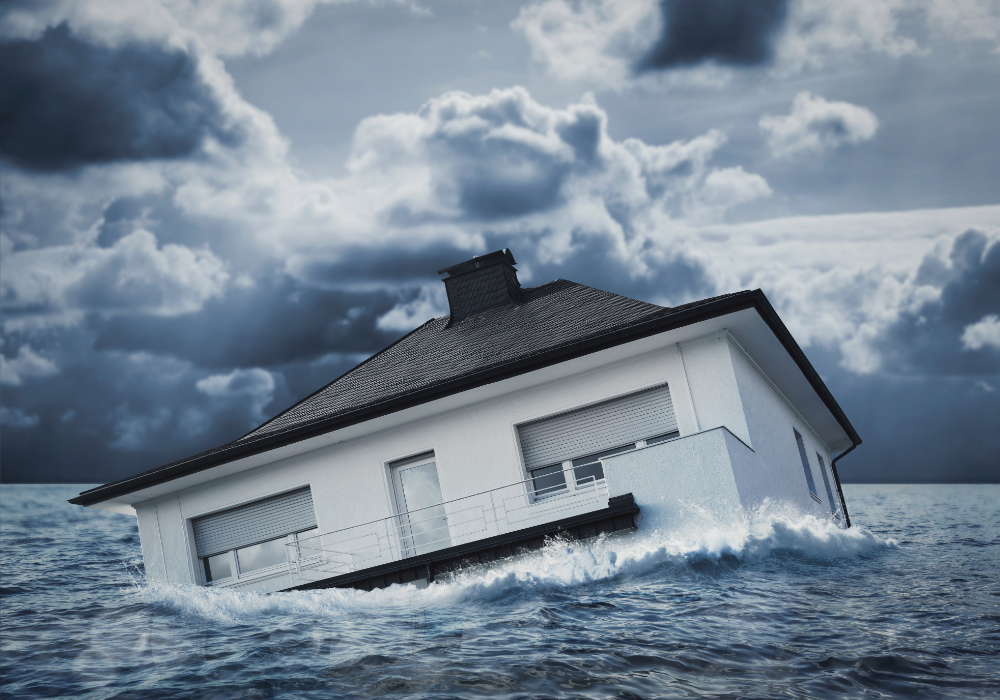
What once felt like the worst-case scenario now feels like the forecast. Heat waves that used to break records are now just breaking people. Rainstorms fall harder, floods come faster, and seasons blur into each other. Scientists warned this would happen, but many of us didn’t realize it would hit this fast—or this close to home. The atmosphere is different now. It holds more heat, more moisture, and more energy to unleash at any moment.
These extreme weather events aren’t once-in-a-lifetime anymore. They’re seasonal, escalating, and showing up in places that were never built to withstand them. From inland hurricanes to urban firestorms, these are no longer rare disruptions. They’re signals of a system in collapse. And the scariest part? Most infrastructure, insurance, and emergency plans still assume things will return to “normal.” But normal left years ago—and it’s not coming back.
1. Flash floods are swallowing cities in minutes, not hours.
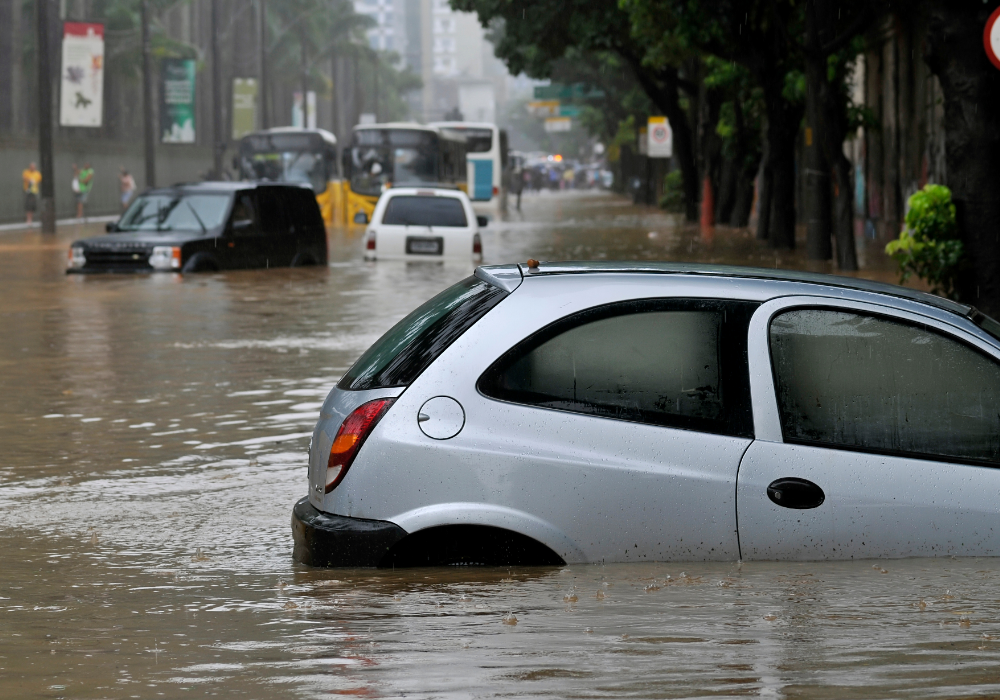
Forget slow-rising rivers. Today’s floods come fast and brutal—storm drains can’t handle them, roads vanish under them, and people don’t have time to escape.
Karolina Furtak and her co-authors explain in ScienceDirect that rising temperatures increase the amount of water vapor in the air, making sudden, intense rainstorms far more likely. One stalled thunderstorm can unload a month’s worth of water in a single afternoon.
Urban areas are especially vulnerable. Asphalt and concrete trap the water, giving it nowhere to go but inside homes, subways, and underground parking lots. These aren’t “flood zones” anymore—they’re just places with pavement and bad luck. As storms grow more intense, places that were never considered high-risk are seeing water rise with terrifying speed. It’s not just a coastal problem. It’s an everywhere problem.
2. Wildfires are creeping into neighborhoods that once felt safe.
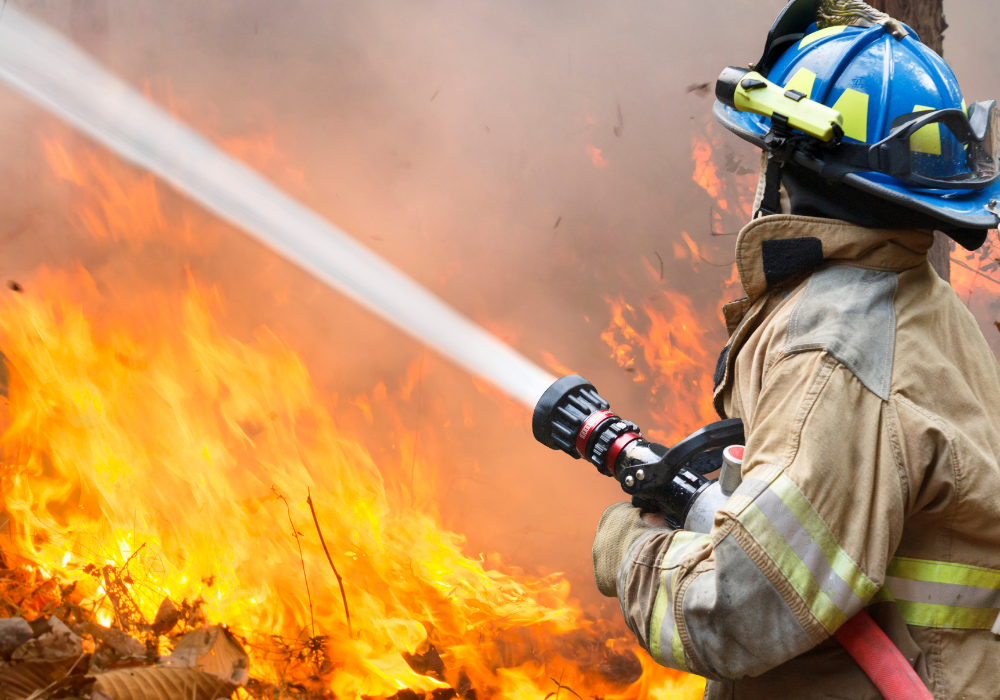
The fireline used to be a distant threat. Now it jumps highways, devours suburbs, and ignites forests in the middle of winter. Experts at the EPA note that rising temperatures and longer dry seasons are making wildfires more frequent, intense, and harder to control across huge areas. Once it starts, it spreads fast—and people have minutes, not hours, to evacuate.
California’s fire season now lasts nearly all year. In Canada and Greece, entire towns have gone up in smoke. And even areas that don’t burn are breathing in the aftermath. Smoke travels for thousands of miles, choking cities that thought they were immune. When every backyard borders a fire zone, there’s no such thing as “safe distance.”
3. Hurricanes are gaining strength faster—and hitting harder inland.
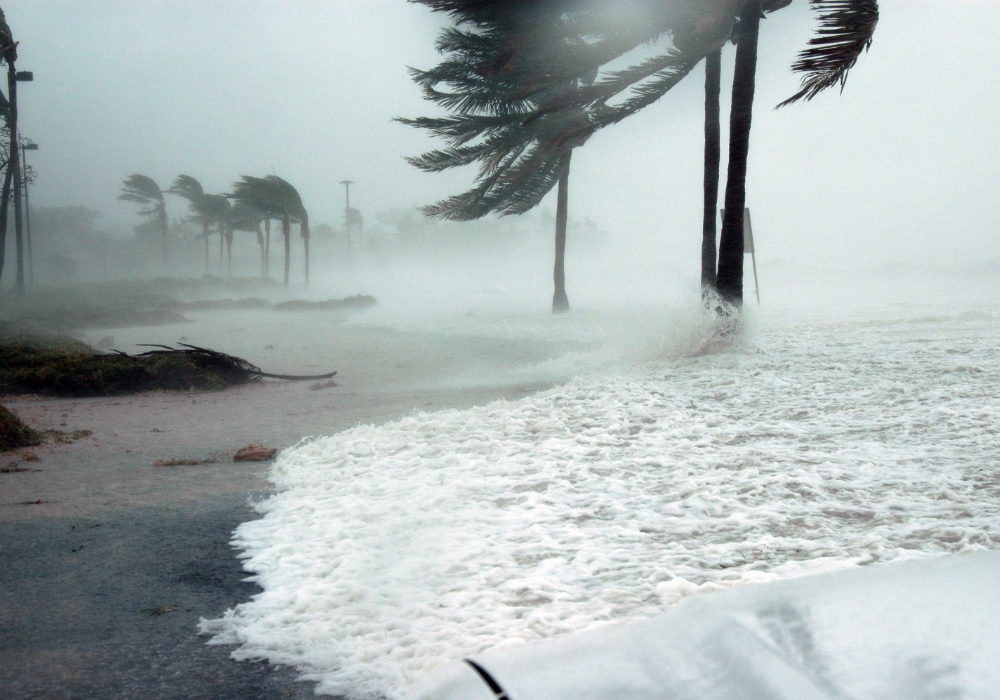
Storms used to weaken once they made landfall. Not anymore. Warmer ocean temperatures give hurricanes more fuel, and some now jump from Category 1 to Category 5 in less than 24 hours. That leaves almost no time to prepare. And when they hit, they don’t stop at the coast. On Climate.gov, Haley Thiem and Rebecca Lindsey report that hurricanes like Florence have caused devastating flooding deep inland, far beyond where storm surge would normally reach.
The rain doesn’t let up, and the damage follows rivers upstream. These storms don’t just wreck beach towns—they knock out entire regions. Climate scientists call this rapid intensification. Survivors call it hell. And it’s only getting more common.
4. Atmospheric rivers are drowning the West in back-to-back disasters.
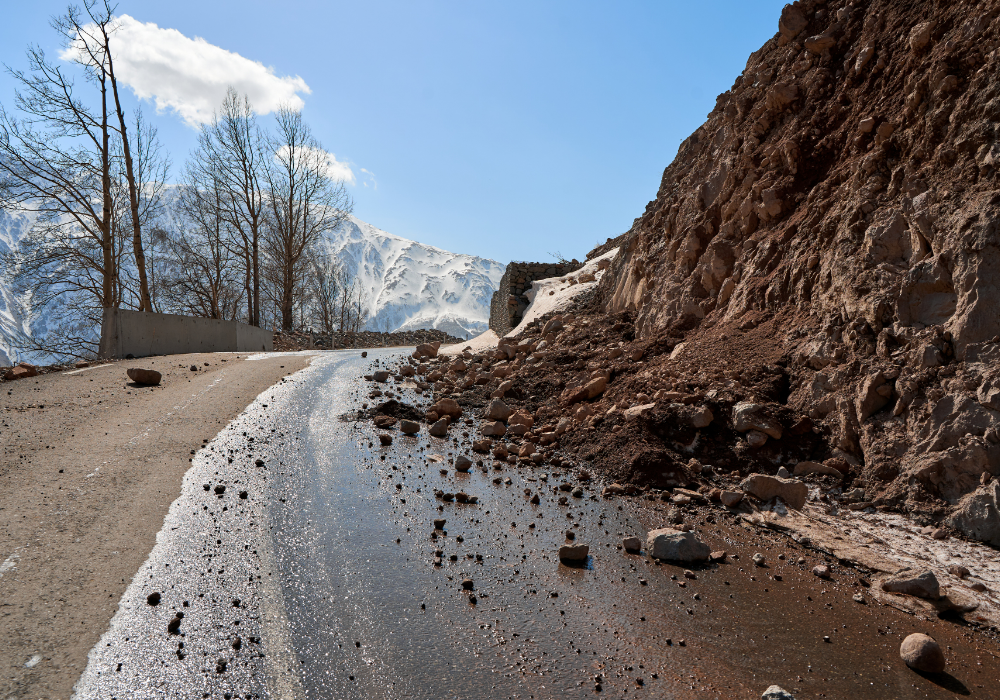
California’s biggest threat used to be drought. Now it’s both drought and deluge—sometimes in the same season. Atmospheric rivers—massive conveyor belts of water vapor—are dumping record rainfall and snowpack on regions already weakened by heat, erosion, and fire scars. The result? Flooded towns, buried highways, and catastrophic landslides.
These systems used to show up once or twice a year. Now, they come in waves. They saturate the soil, destabilize hillsides, and make recovery nearly impossible before the next storm hits. When the air holds more water, everything that falls hits harder. And for a state already stretched thin by climate whiplash, this kind of chaos is becoming routine.
5. Heat waves are breaking records—and bodies.
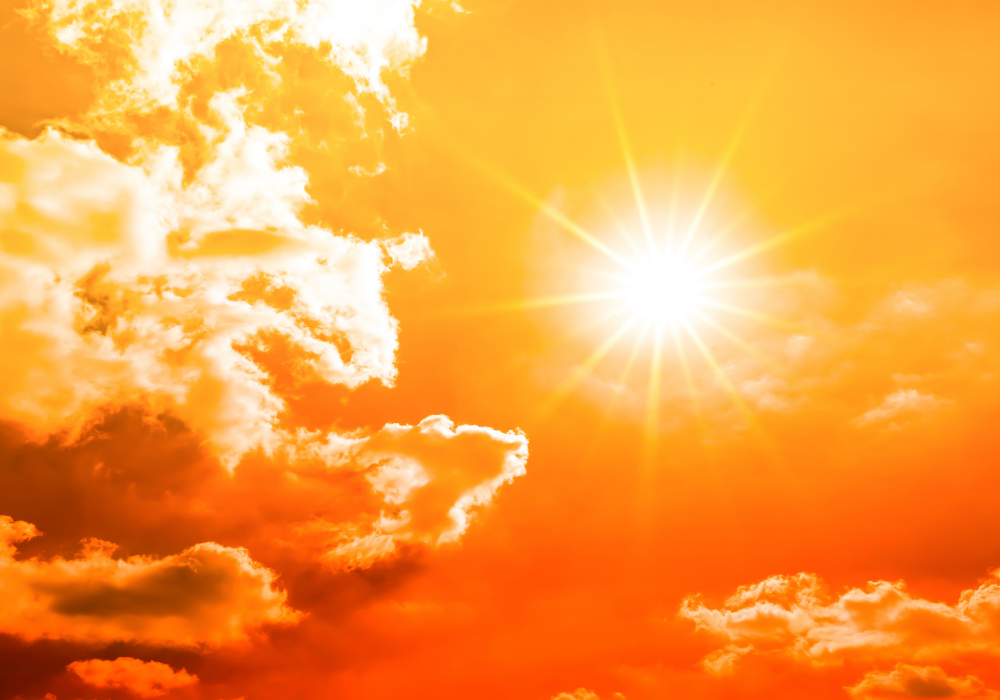
Triple-digit temperatures used to make headlines. Now they make history. Heat is the deadliest weather threat worldwide, killing more people annually than hurricanes, floods, or tornadoes. And yet, it’s the least visible—no walls falling, no roads washing away. Just bodies overheating in silence.
Cities become ovens. Asphalt radiates heat long after sunset. Power grids fail. The vulnerable suffer first—older adults, outdoor workers, unhoused populations—but no one escapes the strain entirely. Nights offer no relief, and sleep-deprived bodies spiral into exhaustion. As heat waves stretch longer and start earlier, they aren’t “waves” anymore. They’re seasons. And most buildings, workplaces, and emergency systems still aren’t built to survive them.
6. Tornado outbreaks are shifting and striking without warning.
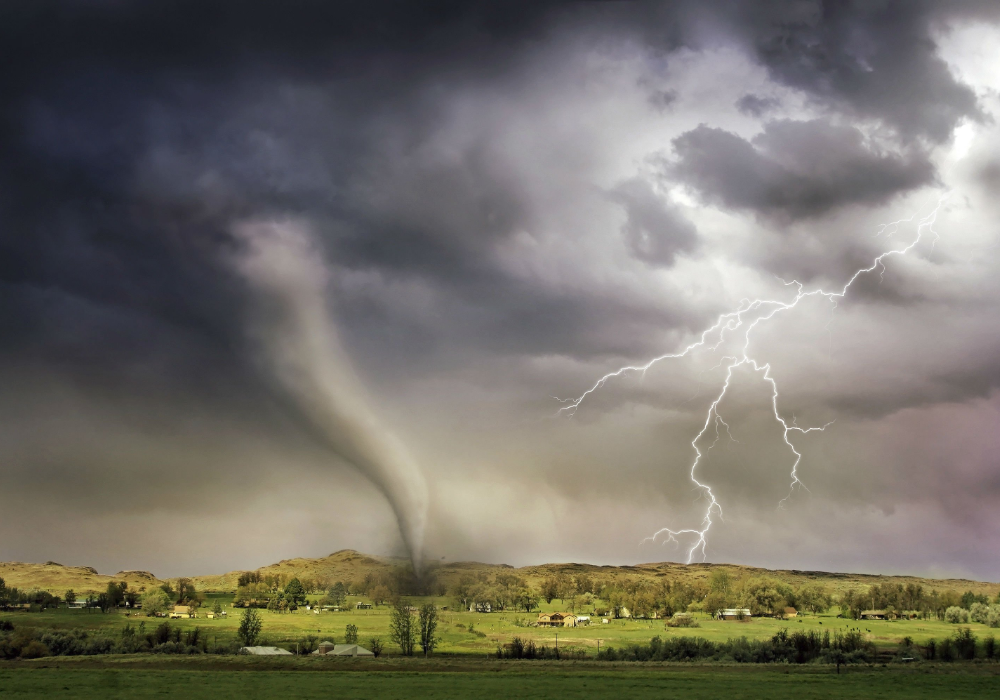
Tornado Alley isn’t where it used to be. Twisters are now touching down in the Midwest, the Southeast, and even the Northeast—often in clusters and at night, when people are least prepared. Warmer, more humid air fuels more instability, and climate scientists say these shifts aren’t random. The maps are moving.
Instead of one storm here and there, we’re seeing supercharged outbreaks: dozens of tornadoes over a few days, spanning multiple states. Even communities that thought they were safe are waking up to sirens, wreckage, and rooftops ripped off in the dark. When the sky turns, it turns fast. And the line between “tornado country” and everywhere else is blurring by the year.
7. Winter storms are growing fiercer—even in places that barely had winter.
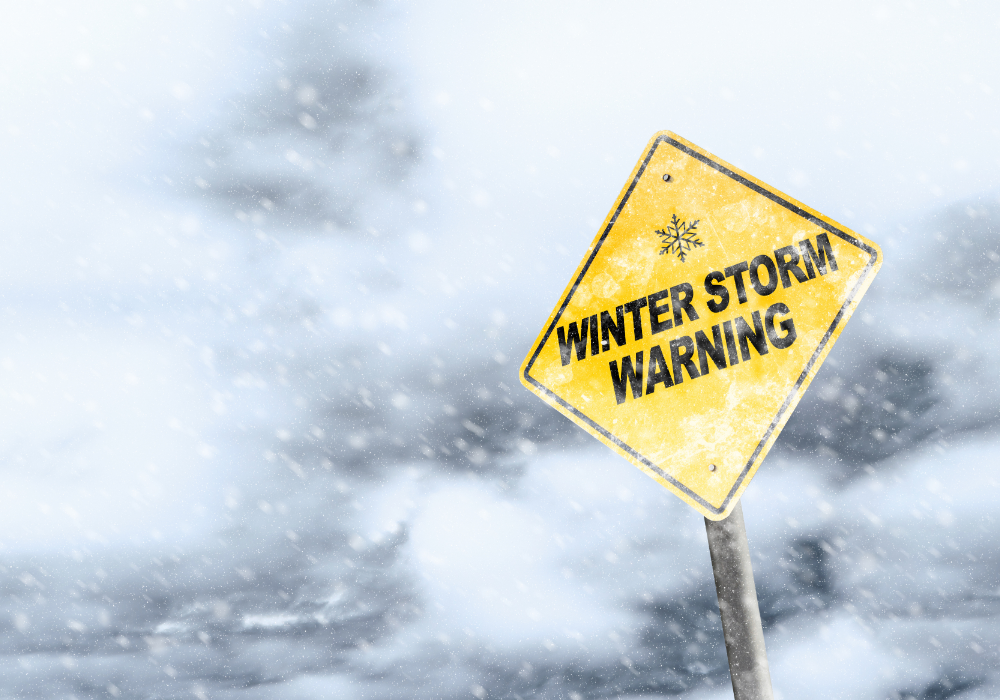
Blizzards aren’t just dumping snow—they’re shutting down entire regions. Sudden temperature drops, whiteout conditions, and wind chills that can kill in minutes are striking places like Texas and Mississippi, where infrastructure simply isn’t built for ice. Power grids fail. Pipes burst. Roads become death traps.
Climate change disrupts the jet stream, which means Arctic air plunges farther south and sticks around longer. At the same time, warmer oceans feed these storms more moisture, making snowfalls heavier and systems harder to predict.
What used to be once-in-a-decade freezes now hit every few years. And when they arrive in unprepared cities, the result is chaos—not just from cold, but from the systems that collapse under it.
8. Droughts are baking the ground until nothing can grow.
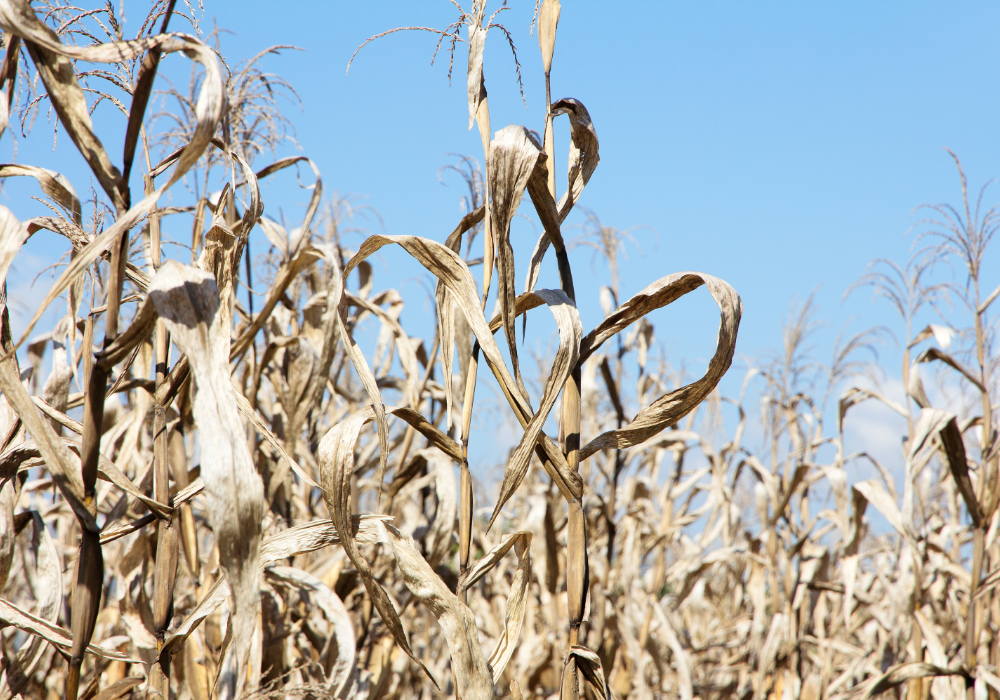
Long, slow, and devastating—droughts don’t come with drama, but they leave a scar across everything they touch. Crops fail. Reservoirs dry up. Livestock die off. And in some areas, the soil becomes so degraded it can’t recover even when the rain returns.
The Western U.S., the Horn of Africa, and southern Europe are all facing megadrought conditions—multi-year dry spells that trigger water rationing, food shortages, and regional instability. Scientists say these aren’t natural cycles anymore—they’re symptoms of a planet that’s been overheated, overused, and underprotected. And the longer they last, the harder it gets to bounce back. No water means no food. No shade. No future.
9. Hailstorms are smashing through roofs and wrecking the rules.
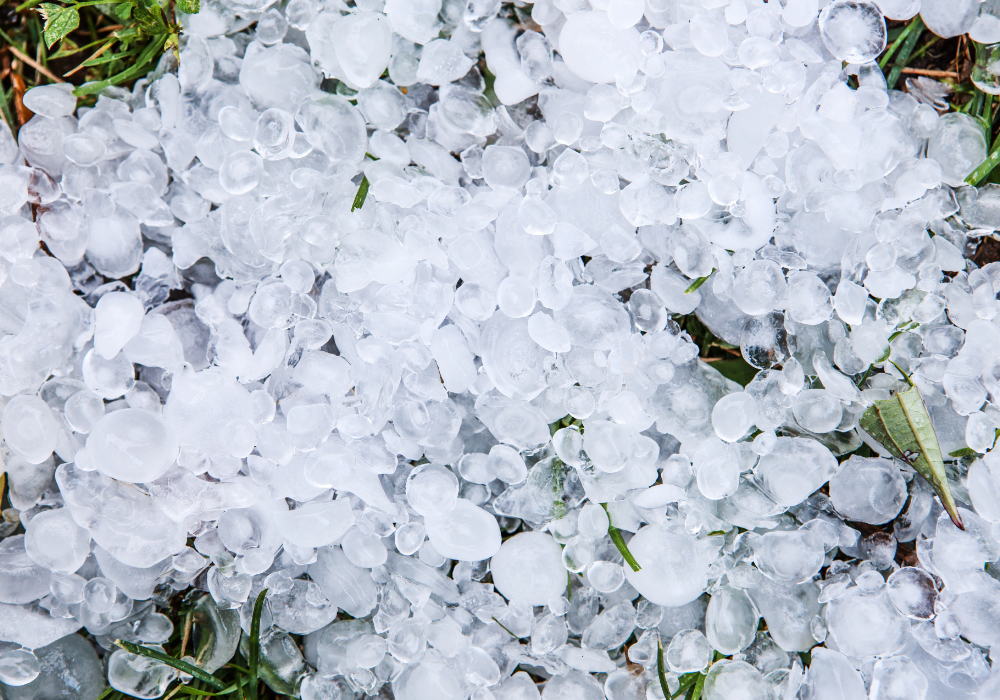
Hail used to be a nuisance. Now, it shatters windows, totals cars, and causes billions in damage each year. In places like Texas, Argentina, and southern Germany, ice chunks the size of baseballs—or larger—are falling from the sky with terrifying force. It’s not just the size. It’s the frequency.
Warmer temperatures create more atmospheric instability, and that means more intense updrafts—perfect conditions for supercharged hail. What used to be rare, isolated storms now come in clusters, wreaking havoc in minutes. Most buildings weren’t designed to withstand this kind of impact. And most people don’t realize just how fast it’s changing—until their roof caves in.
10. Lightning strikes are turning forests into fire starters.
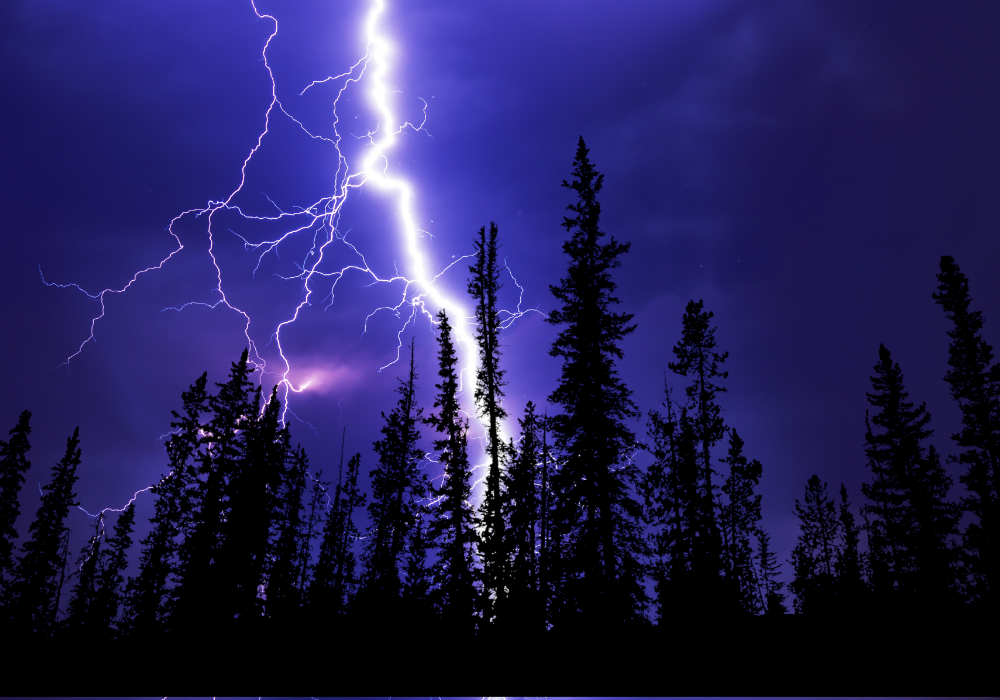
Lightning isn’t just louder—it’s hitting more often, in more places, and with deadly consequences. As the atmosphere warms, lightning activity increases. That means more sparks in dry regions already primed to burn. In 2020, a single lightning storm ignited hundreds of wildfires across California in a matter of hours.
This isn’t just a forest issue. Lightning is now starting fires in places that rarely saw them before—tundra, high-altitude regions, and even wetlands. Every flash becomes a fuse. And for communities already on edge from drought and heat, that fuse is dangerously short. When one storm can set a state ablaze, lightning becomes more than a warning—it becomes a trigger.
11. The next disaster could be one we’ve never seen before.
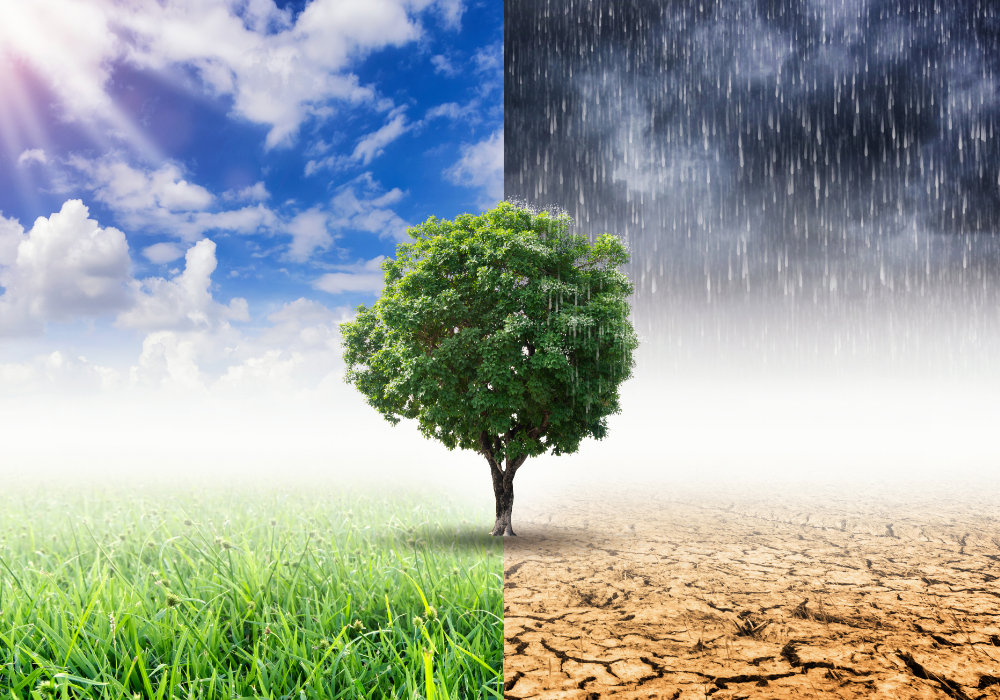
As the climate system destabilizes, the line between known patterns and new extremes begins to blur. Heat waves that don’t cool at night. Flash floods in deserts. Tropical storms forming outside the tropics. Scientists are tracking compound disasters—when multiple extremes collide, like wildfire smoke during a heatwave, or a hurricane during a pandemic.
These compound events are hard to predict, harder to prepare for, and devastating to recover from. They overwhelm emergency systems, expose inequities, and hit hardest in communities that are already stretched thin. The question isn’t just what kind of disaster will strike next. It’s how many at once—and how close to home.