
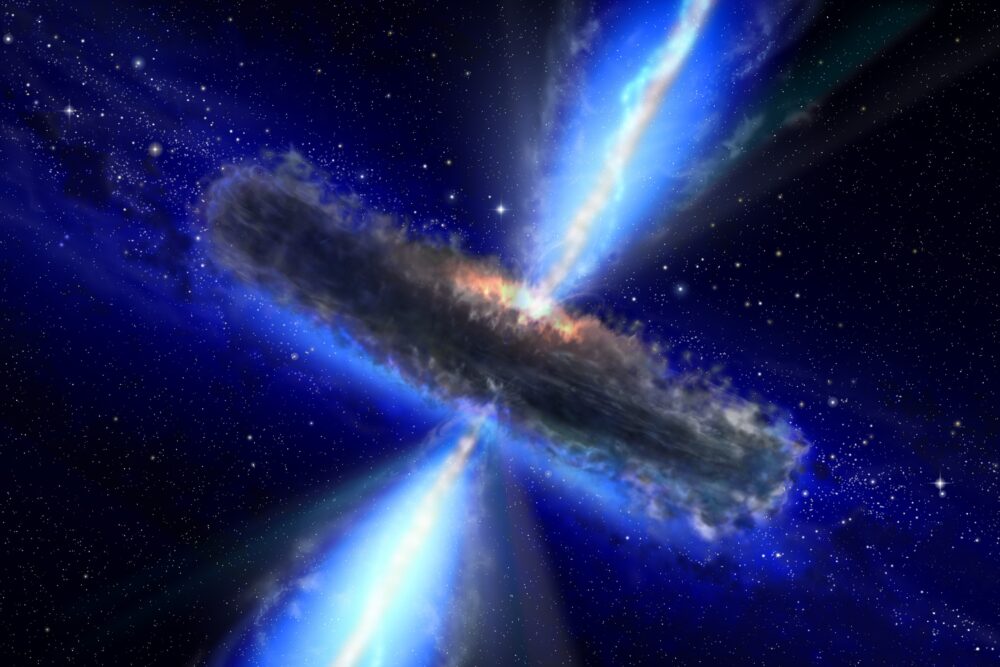
A distant supermassive black hole is unleashing a cosmic jet with energy levels that eclipse even science fiction’s biggest blasts.
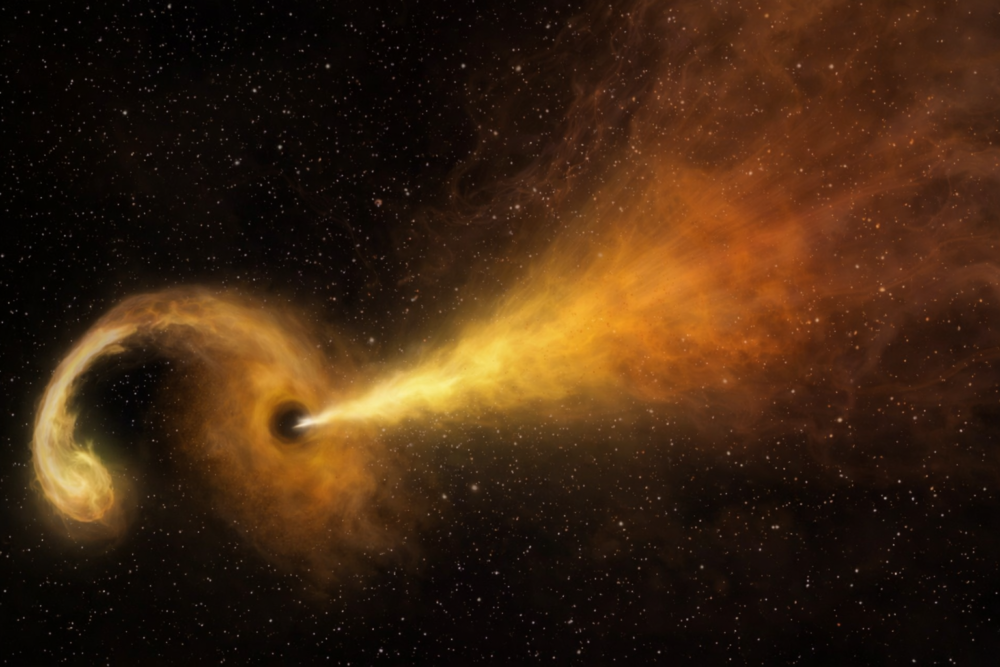
Astronomers have spotted something extraordinary about a distant supermassive black hole known as AT2018hyz. While black holes routinely destroy stars that stray too close, this one is doing something unexpected: it is spewing out immense amounts of energy for years after a tidal disruption event.
The jet of radiation and particles this black hole is producing is so powerful that scientists have compared its energy output to trillions upon trillions of times that of the fictional Death Star’s blast in Star Wars.
What makes this rare is not just the sheer magnitude of the energy, but how long it has continued to grow in intensity, creating a cosmic display that may peak years after the original event.
1. What Is a Tidal Disruption Event?
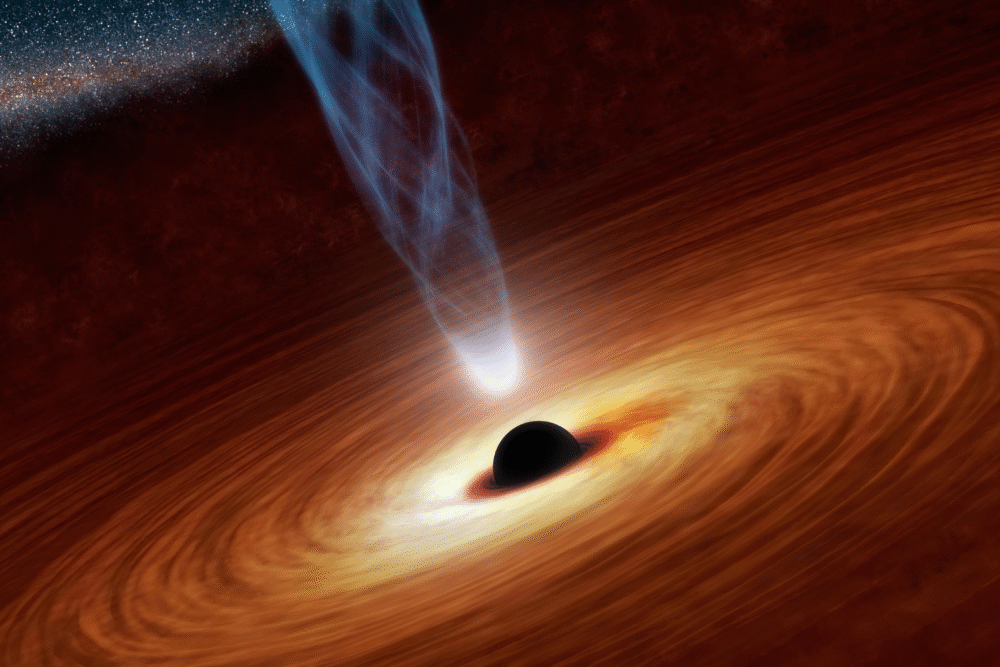
When a star wanders too close to a supermassive black hole, the intense gravity stretches and rips it apart in what astronomers call a tidal disruption event. These encounters are dramatic and relatively rare.
The star’s material is pulled into long streams that spiral toward the black hole, heating up and releasing enormous energy. Most such events fade over time, but AT2018hyz has behaved very differently.
2. How This Black Hole Was First Discovered

AT2018hyz was first detected in 2018 during sky surveys designed to spot sudden flashes of light from distant galaxies. At first, it appeared to be a fairly typical tidal disruption event.
Over time, however, astronomers noticed that instead of dimming, the object began emitting increasingly strong radio signals. That unusual behavior signaled that something far more powerful was unfolding.
3. Energy Output That Surpasses Fiction
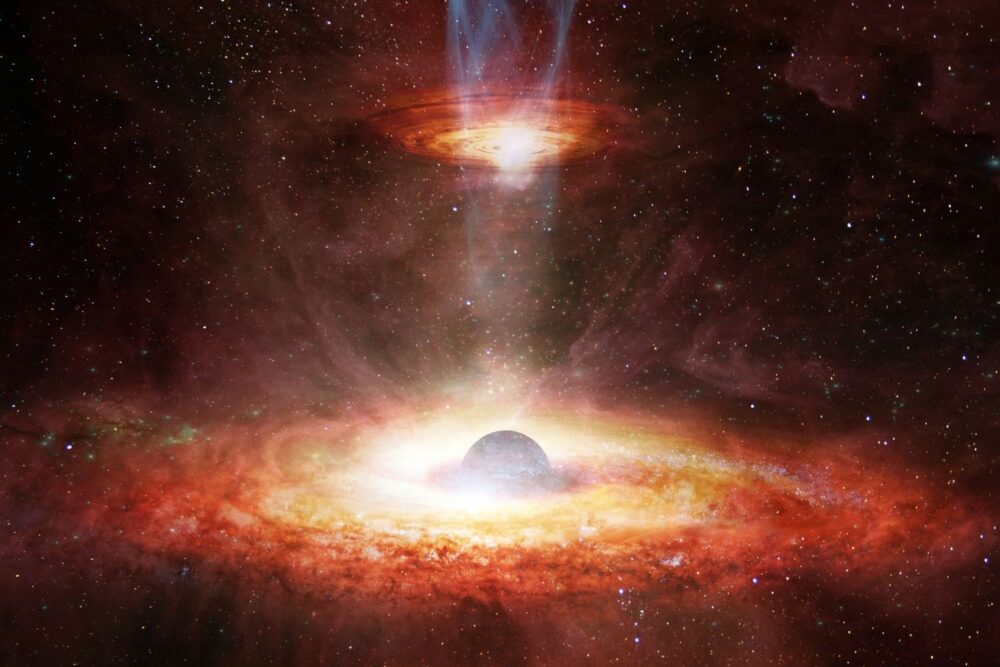
Calculations suggest the energy streaming from the black hole’s jet is at least a trillion times greater than the fictional Death Star’s superlaser, and possibly closer to 100 trillion times stronger.
The comparison is meant to give a sense of scale rather than provide a precise measurement. Even so, it places the jet among the most energetic phenomena known in the universe.
4. Why the Jet Keeps Getting Brighter
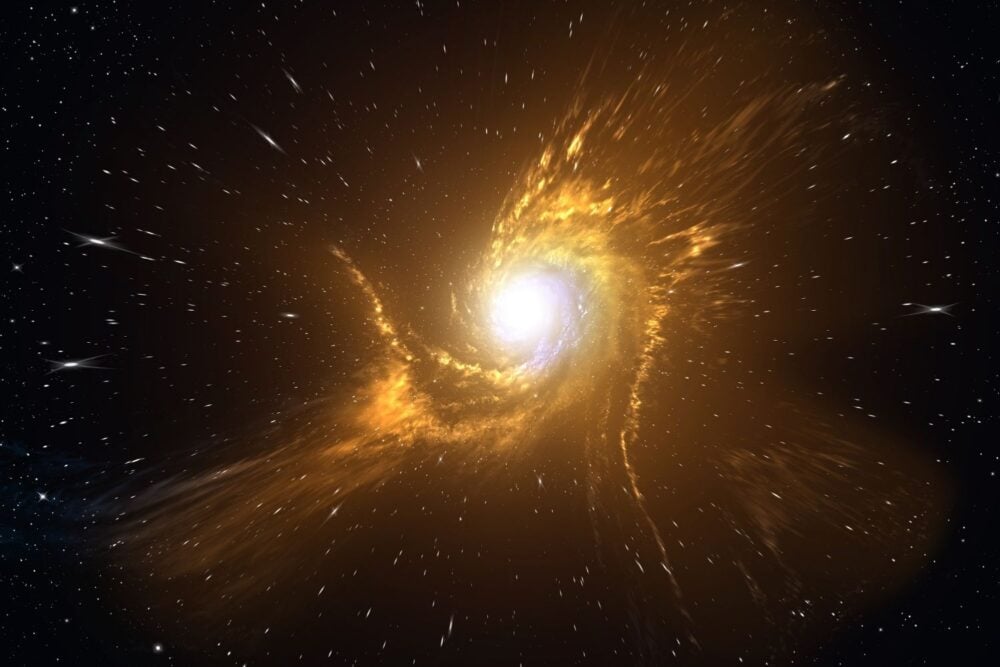
Most tidal disruption events produce a brief flare that gradually fades. In this case, the jet has grown steadily brighter for several years.
Observations show its energy output has increased by dozens of times since it was first detected. Scientists suspect changes in how the black hole feeds on debris or the angle of the jet relative to Earth may explain the prolonged brightening.
5. What Makes This Black Hole So Unusual
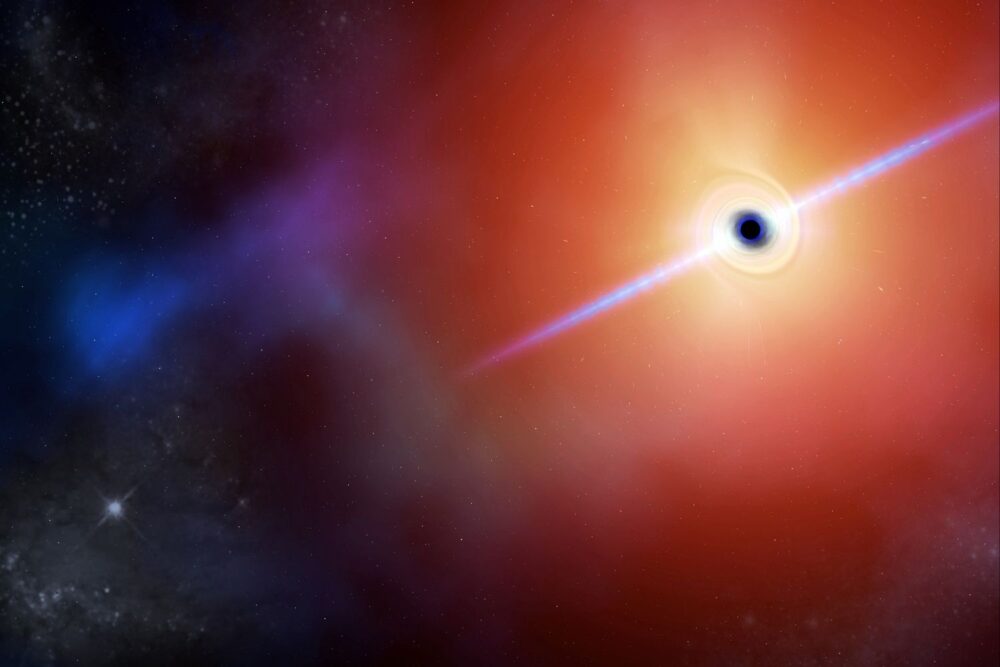
Relativistic jets, which launch particles at nearly the speed of light, appear in only a small fraction of tidal disruption events. Most black holes consume stars without producing long-lasting jets.
AT2018hyz stands out because it has sustained an extremely powerful jet long after the star was destroyed, offering a rare opportunity to study black hole behavior over extended periods.
6. How Far Away This Event Is
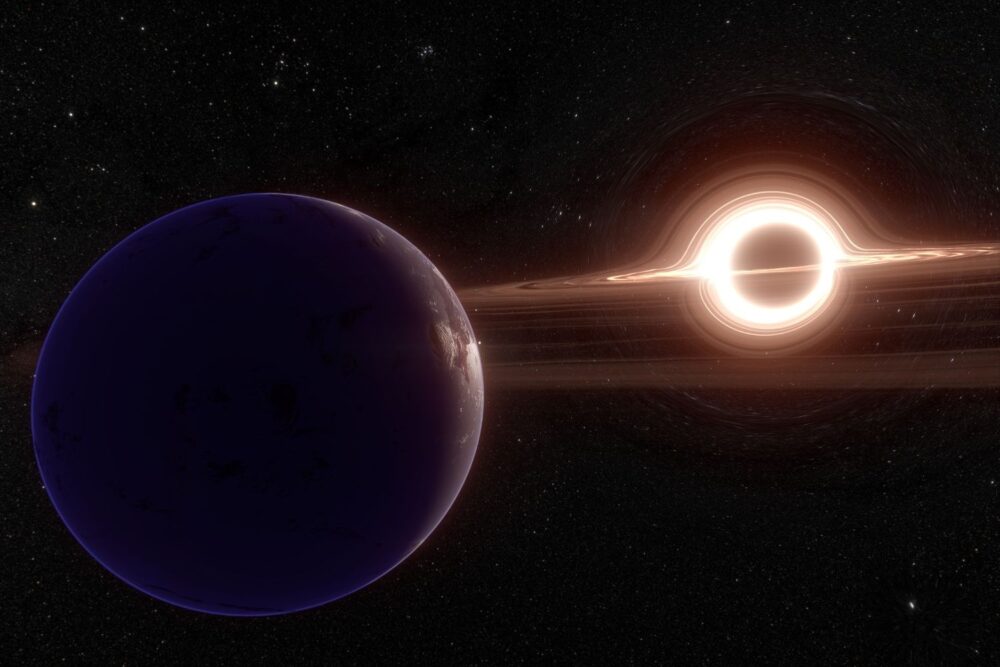
The black hole is located roughly 665 million light-years from Earth. That means the light and energy detected today began their journey long before humans existed.
Despite the distance, the emissions are strong enough to be measured in detail, underscoring just how powerful the event truly is on a cosmic scale.
7. What Scientists Can Learn From It
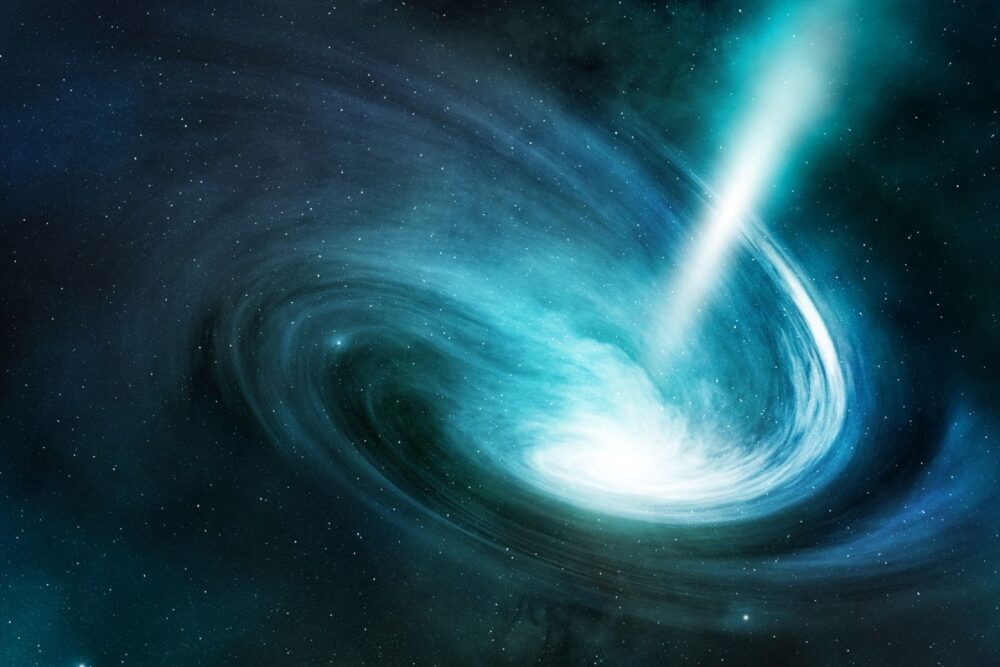
Events like this help researchers test theories about how black holes launch jets and convert infalling matter into energy.
By tracking the jet’s evolution, astronomers gain insight into extreme physics involving gravity, magnetic fields, and particle acceleration, all under conditions that cannot be replicated on Earth.
8. Why It May Peak Years After the Event
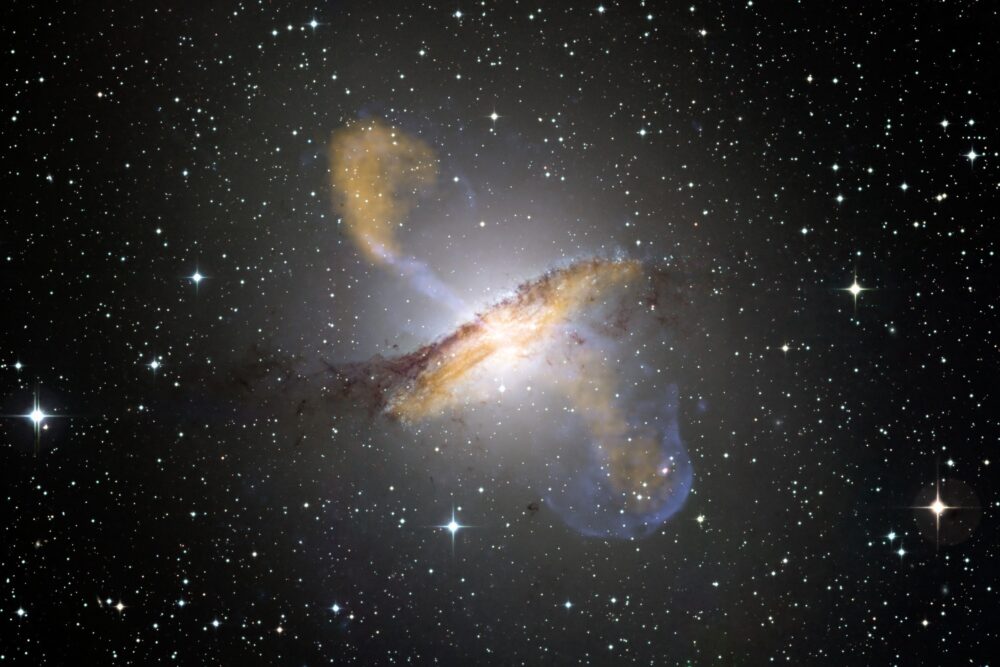
Models suggest the jet’s brightness could continue increasing and reach a maximum several years after the initial stellar destruction.
This delayed peak gives scientists a valuable timeline to observe changes and refine their understanding of how tidal disruption events evolve long after they first appear.
9. The Jet’s Playful Nickname
Some researchers have jokingly nicknamed the jet “Jetty McJetface,” following a tradition of lighthearted names in science culture.
While informal, the nickname contrasts with the seriousness of the phenomenon and reflects how unusual and attention-grabbing the event has become within the research community.
10. Why the Death Star Comparison Is Used
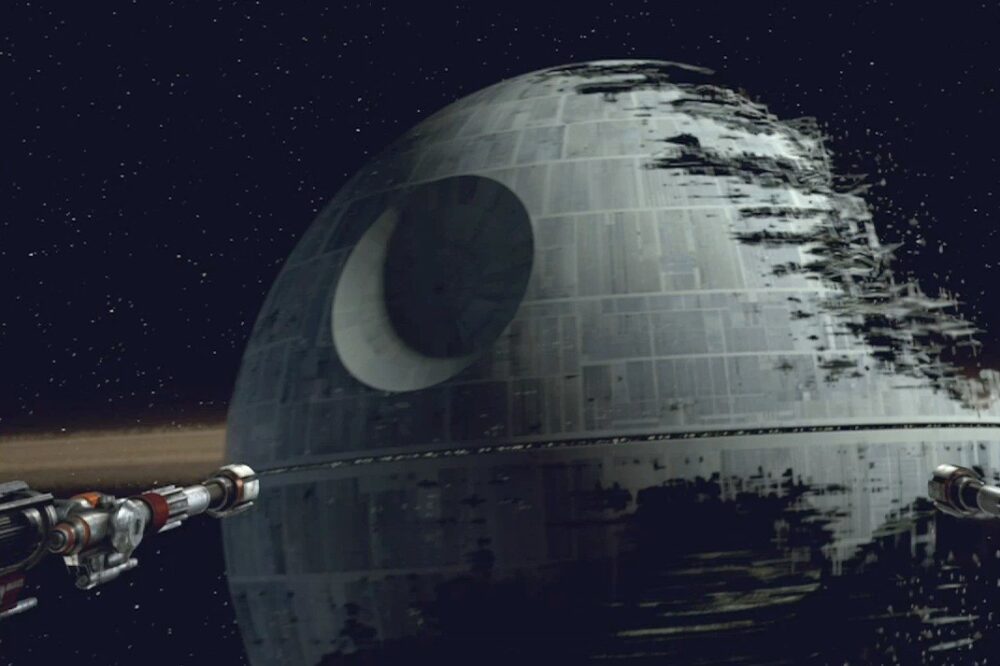
Scientists usually describe energy in technical units, but those numbers can be hard to visualize. Comparing the jet’s power to a famous fictional weapon helps communicate scale to a general audience.
The analogy is not meant to imply exact equivalence, only to highlight how staggeringly powerful the black hole’s output really is.
11. What This Means for Black Hole Research
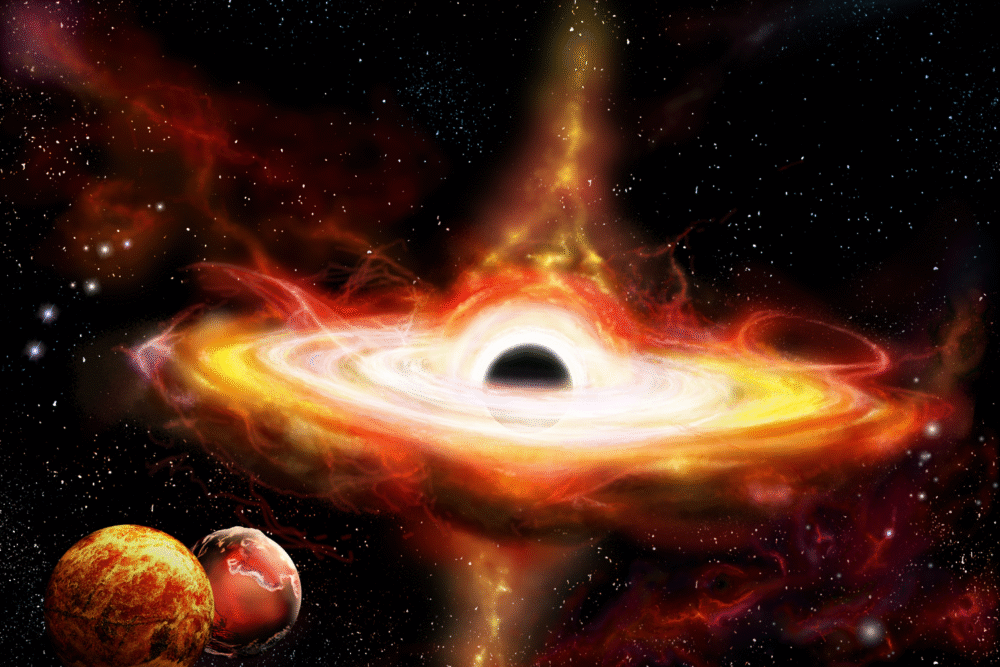
This discovery shows that black holes are not always quiet consumers of matter. Under the right conditions, they can release energy on astonishing scales for long periods.
Studying such events helps scientists understand how black holes influence their host galaxies and shape cosmic environments far beyond their immediate surroundings.
12. What Comes Next

Astronomers continue to monitor AT2018hyz using radio and optical telescopes, watching how its jet changes over time.
Future observatories are expected to provide even more detailed observations, helping researchers uncover how some black holes manage to produce and sustain the most powerful jets ever observed.