
Approach calmly, secure your space, and know when to call in expert help
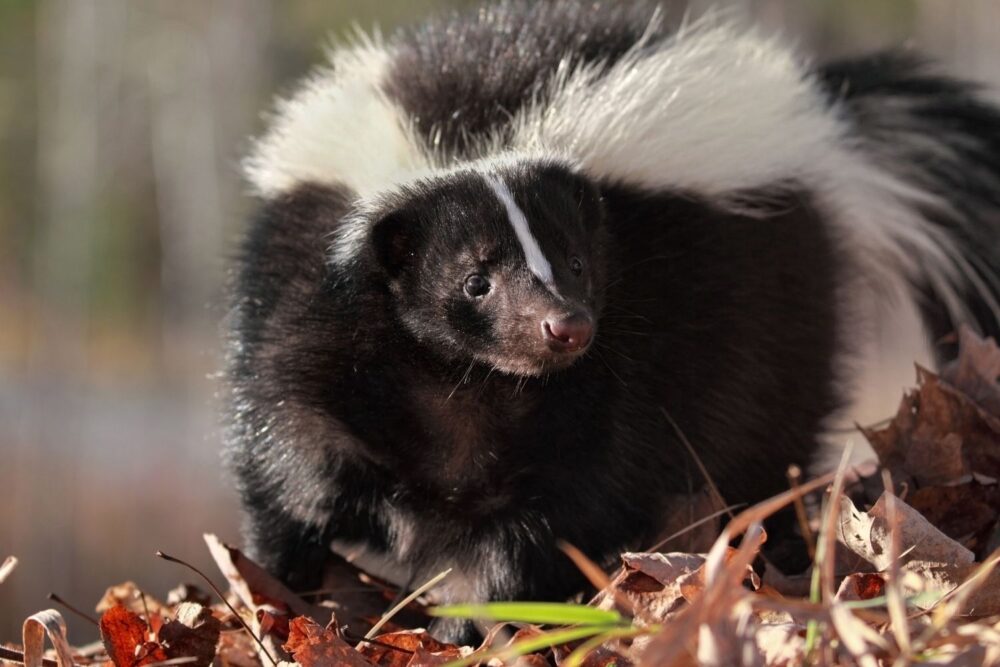
Spotting a skunk in your yard can be unsettling—but how you respond matters. Skunks are mostly shy, nighttime wanderers, and they’re rarely looking for a fight. If you rush outside, yell, or let a dog charge at it, you’re much more likely to trigger the one thing everyone wants to avoid.
The smarter move is to stay calm, give it space, and watch its body language. A skunk that’s stomping, hissing, or lifting its tail is basically giving a warning to back off. From there, focus on what drew it in—easy food, shelter, or a quiet hiding spot—and remove those temptations. A few simple, humane deterrents can encourage it to leave without turning your yard into a disaster zone. With the right approach, you can keep your family and pets safe while nudging the skunk to move along on its own.
1. Stay calm and keep your distance from the skunk.
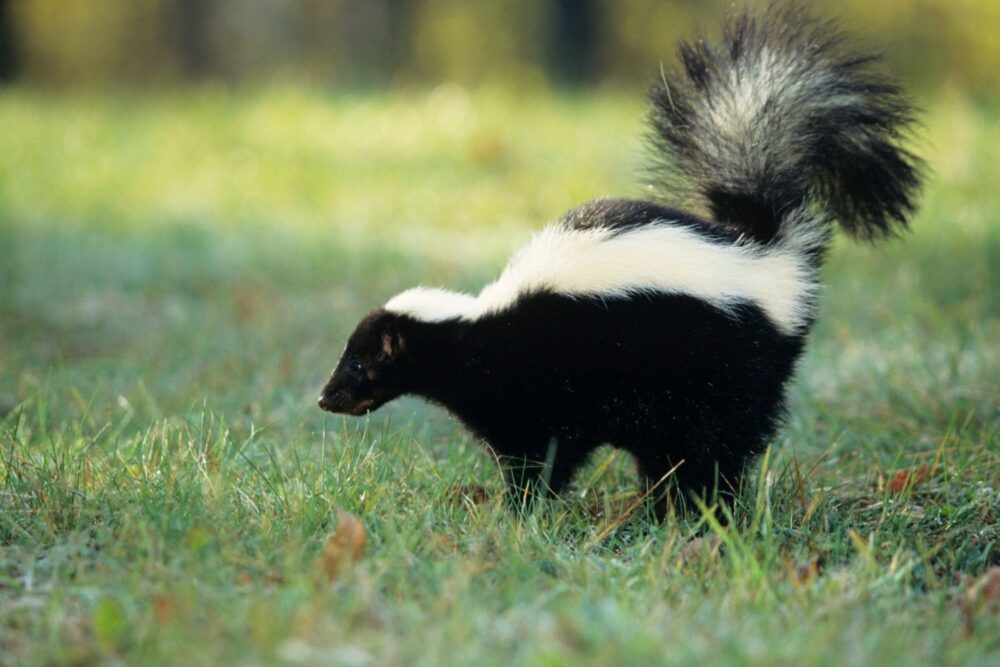
Skunks rely on scent and posture for defense, not speed or aggression. When surprised, a skunk may hiss, stomp, or raise its tail to warn before spraying. That spray can linger for days, clinging to clothes, pets, and outdoor furniture.
Remaining calm prevents escalation. Standing still—or retreating slowly—allows the animal to assess the situation without feeling trapped. In a fenced yard, a paused skunk might circle briefly before exiting along the same path it entered, especially near dusk or dawn.
2. Avoid sudden movements or loud noises that might startle it.
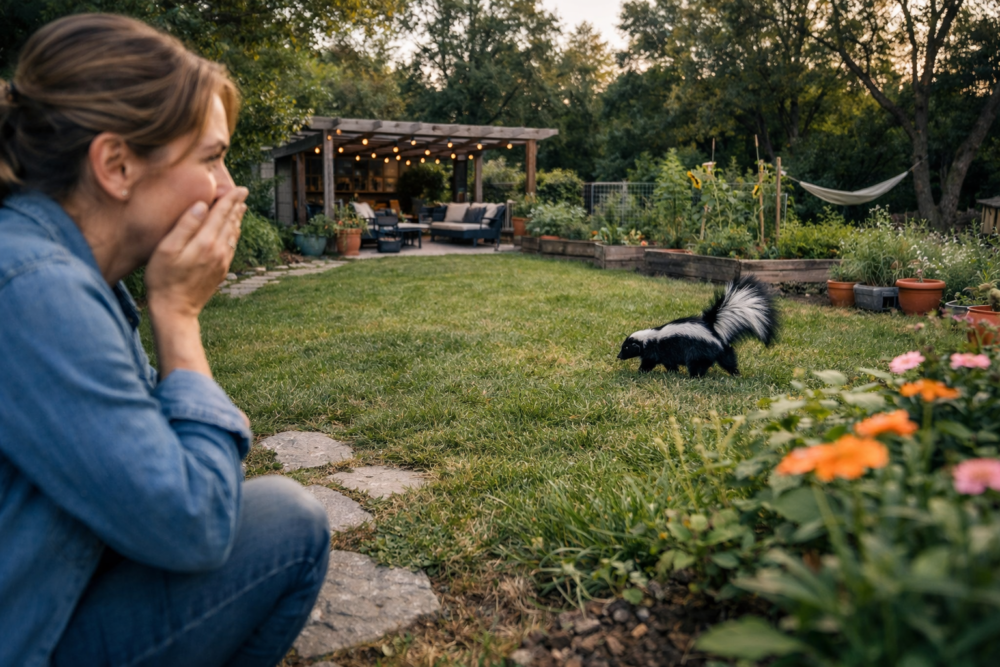
Skunks have poor eyesight but sharp hearing and acute smell. Sudden moves or sharp sounds may trigger panic, causing the skunk to spray even if it wasn’t planning to. Some retreat behind bushes or stairs before responding.
Humming softly or stepping lightly can help signal non-threat. Clanging a trash lid might seem like a short fix, but it risks a bigger problem: a lingering odor and a more defensive skunk the next time it visits.
3. Keep pets and children safely inside until the skunk leaves.
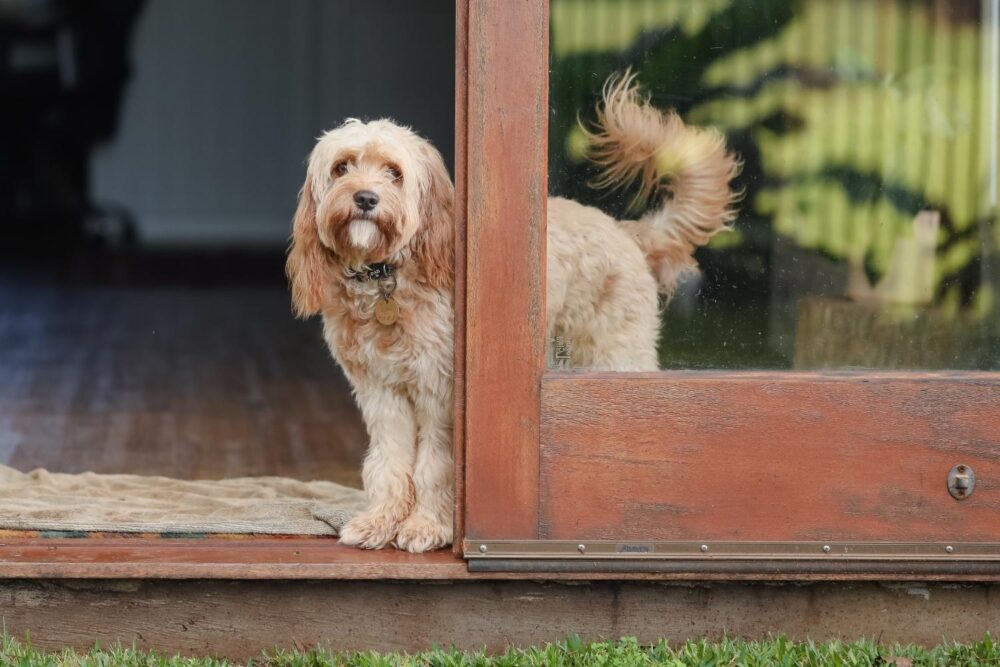
Even a curious dog can push a skunk into spraying. Children who run toward wildlife may not notice warning signs until it’s too late. Indoors is simply safer for everyone until the skunk moves on.
Inside, pets stay clean and unexposed to spray or scratches. Small yards can feel confining to animals unfamiliar with each other—especially near food bowls, toys, or compost bins that may smell inviting.
4. Watch the skunk’s body language for signs of fear or aggression.
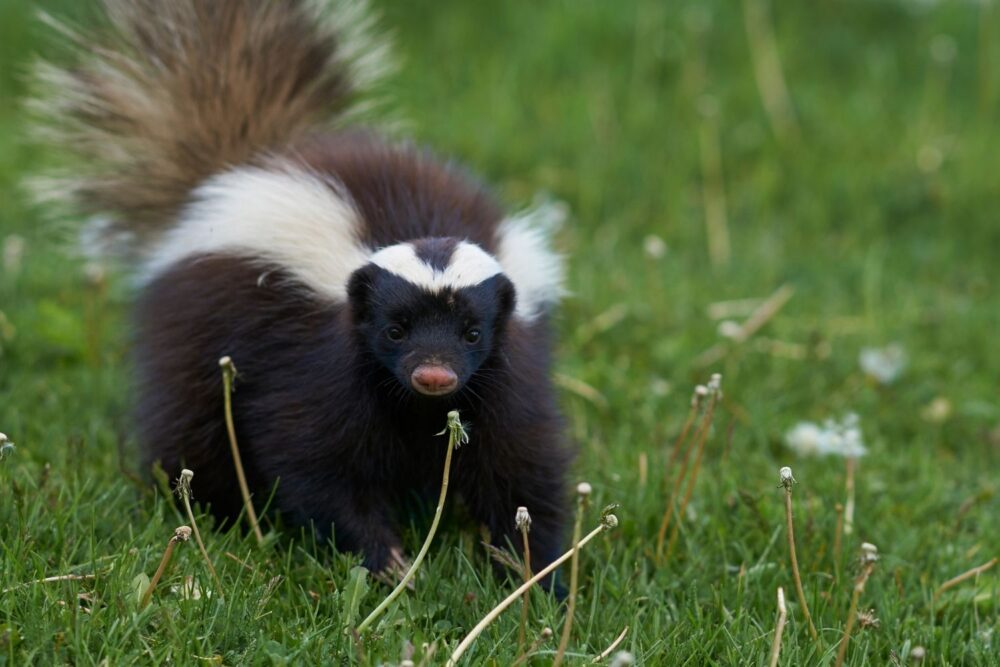
A skunk’s warning signs include stiff legs, arched back, tail held upright, and stamping front feet. Those gestures signal discomfort and help avoid unnecessary spraying. Many people miss these cues until the tail lifts fully.
Interpreting body language gives time to pause or step away. From a porch or window, you might spot a skunk flattening its ears while circling the yard—indicating rising stress but not yet aggression.
5. Do not attempt to scare or chase the skunk away.

A skunk startled into action may spray in defense, leaving a cloud of scent that clings to grass and concrete. Approaching it risks injury and creates stress for both human and animal.
By staying hands-off, you help the skunk find an exit route. Wildlife agencies emphasize non-intrusion for good reason: even a startled retreat can lead to fumigation expenses and irritated neighbors.
6. Wait until the skunk moves on without feeling threatened.
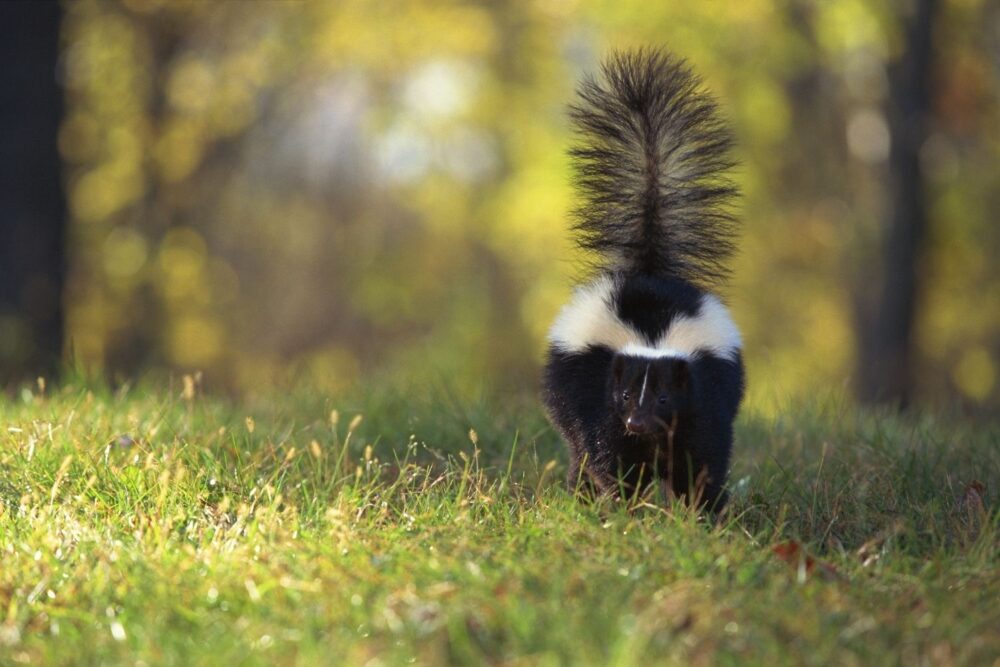
Skunks typically move through yards while foraging and do not intend to stay long. If they sense no threat, they often keep going. Confrontation or disruption can make them linger out of fear.
Patience gives the animal a chance to leave peacefully. For example, a skunk crossing a lawn toward a fence corner might pause behind a bush, sniff the air, then slip through a gap without spraying once.
7. Use outdoor lighting to gently encourage the skunk to move.

Some homeowners install motion-activated lights, but even a porch bulb flipped on at dusk can cue a skunk to steer elsewhere. Skunks prefer dim spaces and tend to avoid lighted paths.
A single floor lamp angled through a window may shift a skunk’s path without confrontation. Used carefully, light changes behavior over time without harming the animal or drawing unwanted attention.
8. Close off outdoor food sources that may attract the skunk.
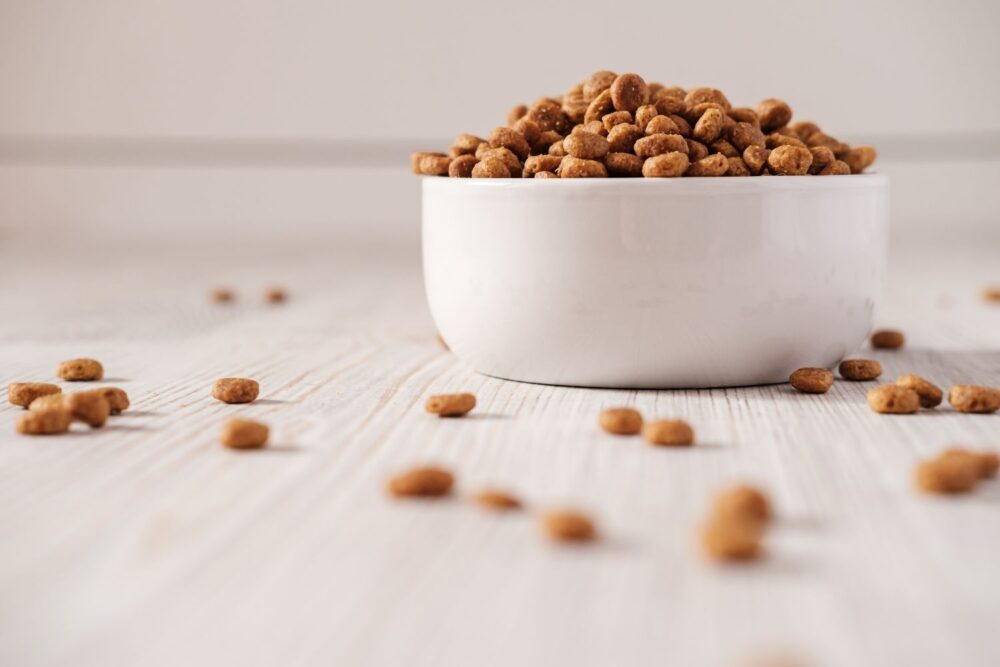
Skunks are drawn to leftovers—whether meat scraps, uneaten pet food, or even greasy grills. Leaving these out overnight invites repeat visits. Scent travels, especially on humid evenings.
Securing lids, cleaning grills, and storing compost properly removes appeal from the yard. Even a single bowl of dry cat food tucked behind a porch post can entice a skunk back the next night.
9. Remove fallen fruit, bird seed, and pet food from the yard.
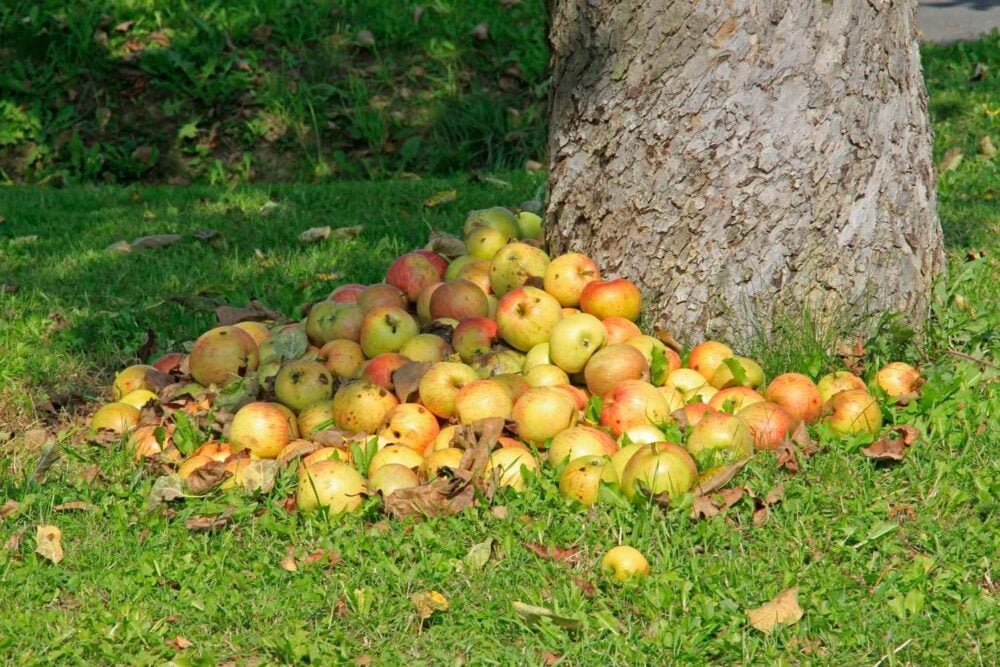
Fallen plums, scattered bird seed, and open pet dishes feed more than birds. Skunks forage at ground level and return to known sources. One fruit tree or feeder can change their routine.
Sweeping seed hulls and collecting dropped produce limits casual pit-stops. Near urban bike paths or alleys, yards with fragrant leftovers become skunk corridors—meaning a quick cleanup often changes long-term patterns.
10. Block off access to crawl spaces or sheds where it could hide.

Decks, crawl spaces, and sheds often appeal to skunks for safety and shelter. They seek dark, enclosed spaces to rest during the day or raise kits in spring. Gaps and collapses offer tempting hideouts.
Blocking access with mesh or lattice—after confirming the space is unoccupied—breaks the nesting cycle. A loose board or low vent might invite a skunk family, leading to months of hidden activity before detection.
11. Secure trash bins with tight-fitting lids to limit food smells.

A knocked-over bin or cracked lid can leak scent that wafts through a neighborhood. Skunks hone in on spoiled odors, even from yards without other attractants. Scent escapes fast; habits form even faster.
Using rigid lids or securing handles with a bungee cord helps reduce visits. In alleys or shared sheds, one unsecured can may impact multiple homes. Silent visitors often include raccoons, but skunks leave deeper impressions—literally and aromatically.
12. Gently spray water near the skunk’s path to steer it away.

A garden hose set to mist can redirect a skunk without confrontation. The goal isn’t soaking—it’s signaling a change in environment. Most skunks dislike persistent moisture near paws or whiskers.
Spraying near (not on) a skunk’s path encourages redirection, not escape. On patios or walkways, the skunk often turns without panic, sidestepping the damp trail and continuing toward less disturbed ground.