
It spreads fast, hits hard, and often shows up before you realize what’s happening.

Norovirus is often brushed off as a short-lived stomach bug, but its ability to spread with astonishing speed makes it far more disruptive than many people expect. One infected person can unknowingly trigger outbreaks in homes, schools, workplaces, and travel settings within a matter of days.
What sets norovirus apart is how little exposure it takes to get sick and how long the virus can linger on surfaces. People are frequently contagious before symptoms appear, which allows the virus to move through groups silently and efficiently.
Understanding how norovirus spreads, how long it remains contagious, and what actually helps stop transmission can mean the difference between a brief illness and a much wider outbreak that keeps cycling through a community.
1. What norovirus actually is
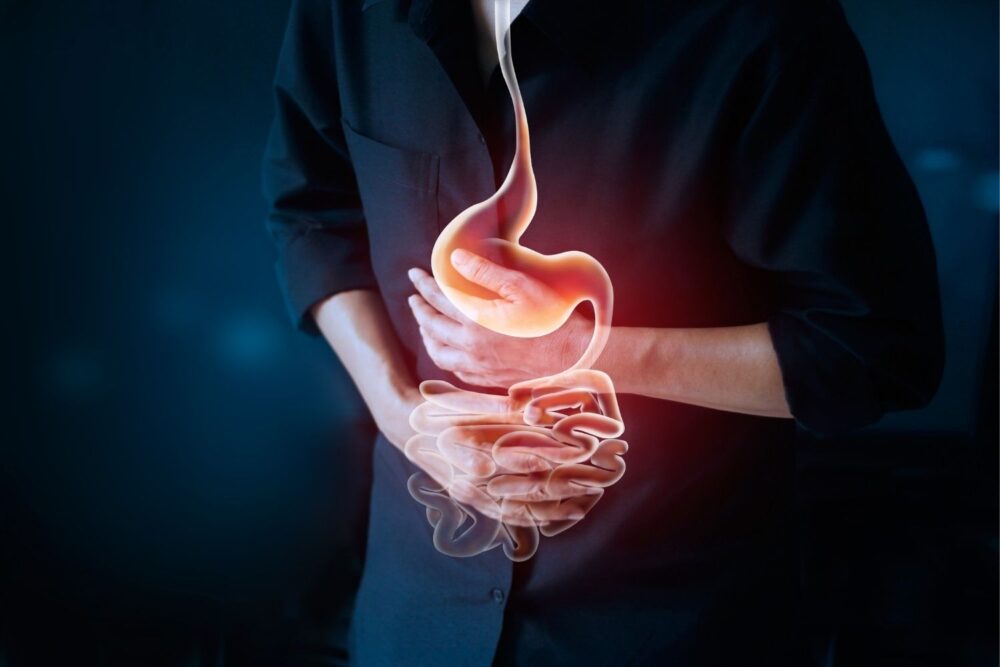
Norovirus is a highly contagious virus that causes inflammation of the stomach and intestines. It is one of the leading causes of vomiting and diarrhea across all age groups.
Because it is viral, antibiotics do not work against it. Its ability to spread rapidly in shared spaces is why outbreaks frequently occur in schools, nursing homes, hospitals, and places where people live or travel close together.
2. How fast symptoms usually appear
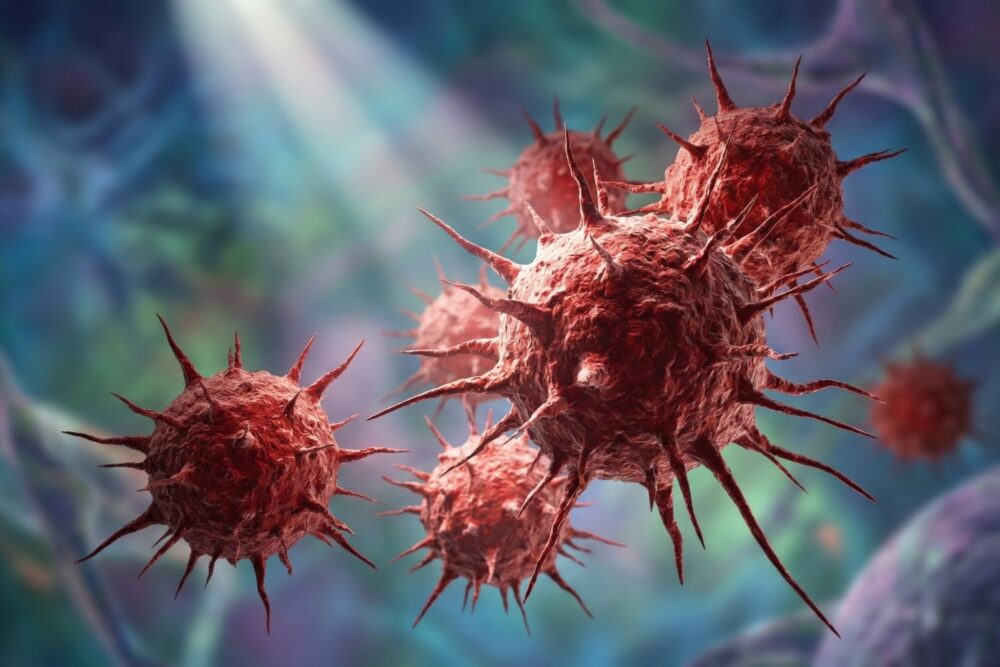
Symptoms typically begin 12 to 48 hours after exposure. This short incubation period allows the virus to move quickly through groups before precautions are in place.
Common symptoms include nausea, vomiting, diarrhea, and stomach cramps. Fever and body aches can also occur, making it difficult to distinguish from other illnesses at first.
3. Why norovirus spreads so easily

Norovirus is extremely infectious. As few as 10 viral particles can cause illness, which is far fewer than many other viruses require.
It spreads through direct contact, contaminated food or water, and surfaces touched by infected individuals. Vomiting can also release particles into the air that land on nearby surfaces and hands.
4. The surfaces most likely to spread it
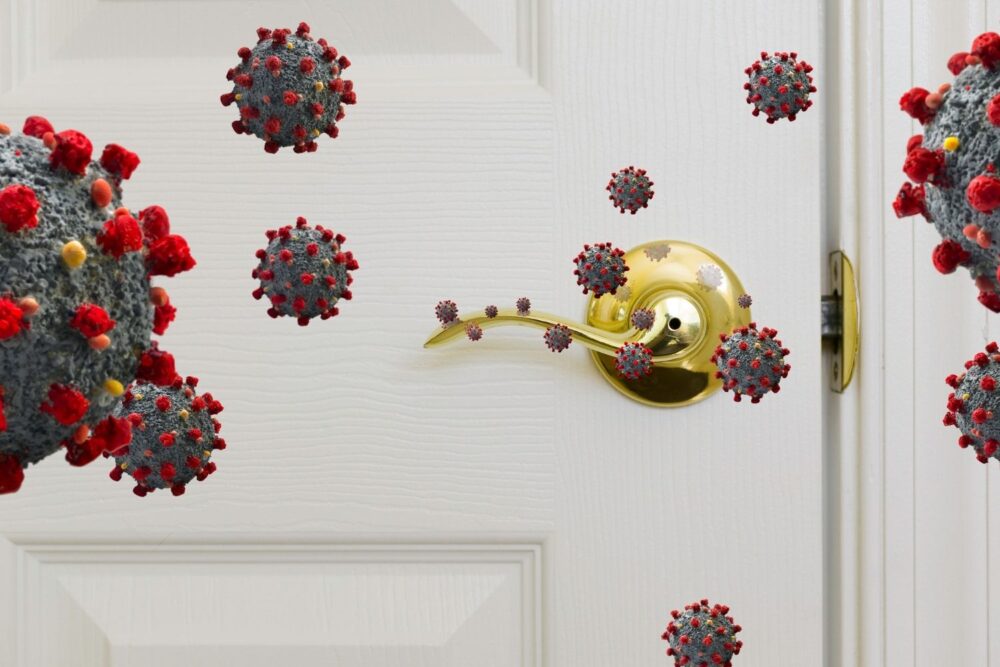
Norovirus can survive on hard surfaces for days. Bathroom fixtures, door handles, phones, remote controls, and kitchen counters are common sources of reinfection.
Routine cleaning is often not enough. Thorough disinfection is necessary after vomiting or diarrhea occurs, especially in shared living spaces.
5. Why hand sanitizer isn’t reliable

Alcohol-based hand sanitizers do not reliably kill norovirus. Many people rely on them incorrectly during outbreaks.
Washing hands with soap and water is far more effective. The physical action of scrubbing removes virus particles that sanitizer may leave behind.
6. How long people remain contagious

People with norovirus are most contagious while actively vomiting or having diarrhea, but the risk does not end when symptoms stop. Research shows the virus can continue to be shed in stool for several days after a person starts feeling better.
This creates a common problem during outbreaks. Someone may feel well enough to return to work, school, or social activities while still spreading the virus through shared surfaces, food handling, or close contact with others.
Health guidance typically recommends staying home for at least 48 hours after symptoms fully resolve. That extra buffer helps reduce transmission during the period when people feel recovered but remain capable of infecting others.
7. How food becomes a common source

Norovirus frequently spreads through food handled by someone who is infected. Even minimal contact can contaminate ready-to-eat foods.
Because cooking kills the virus, uncooked items like salads, fruit, and sandwiches pose higher risks during outbreaks.
8. Who faces higher risks from illness

Most people recover within one to three days. However, young children, older adults, and those with weakened immune systems face higher risks.
Dehydration is the most common complication and can require medical attention if fluids cannot be replaced quickly.
9. What treatment actually helps

There is no medication that cures norovirus. Treatment focuses on rest and hydration.
Oral rehydration solutions can help replace fluids and electrolytes. Medical care may be needed if symptoms are severe or prolonged.
10. Why norovirus seems seasonal
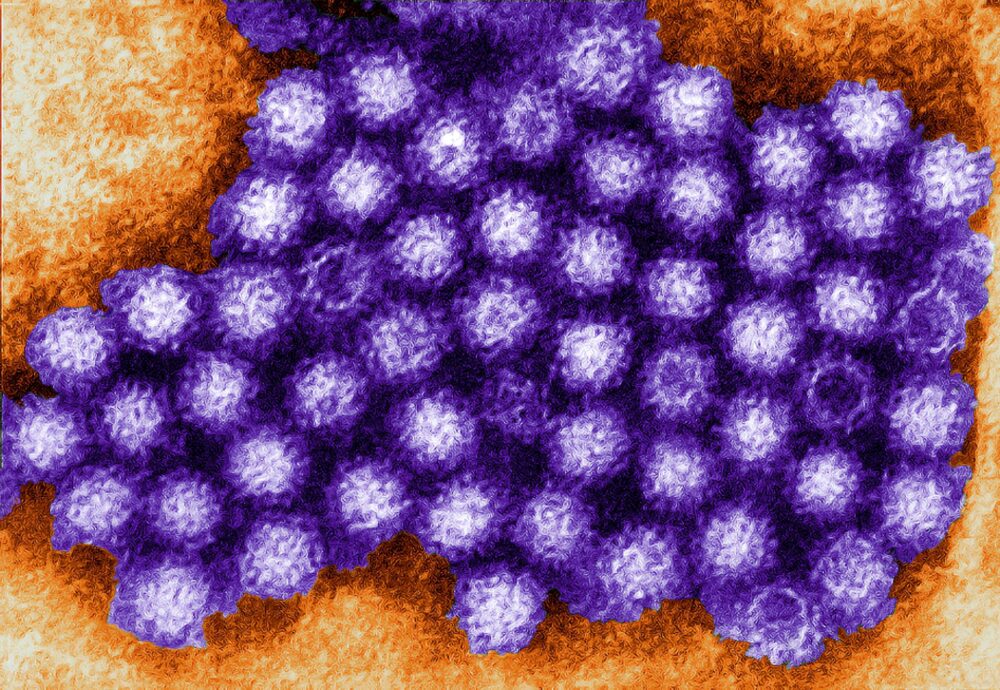
Norovirus cases tend to rise in colder months when people spend more time indoors and share enclosed spaces.
That said, outbreaks can occur year-round, especially during travel or large gatherings.
11. What actually reduces your risk

The most effective prevention steps are simple. Wash hands with soap and water, disinfect contaminated surfaces, and avoid preparing food while sick.
Staying home during illness and for two days afterward remains one of the most effective ways to stop norovirus from spreading to others.