
By correcting a basic energy imbalance in the brain, researchers reversed memory and damage in mice.
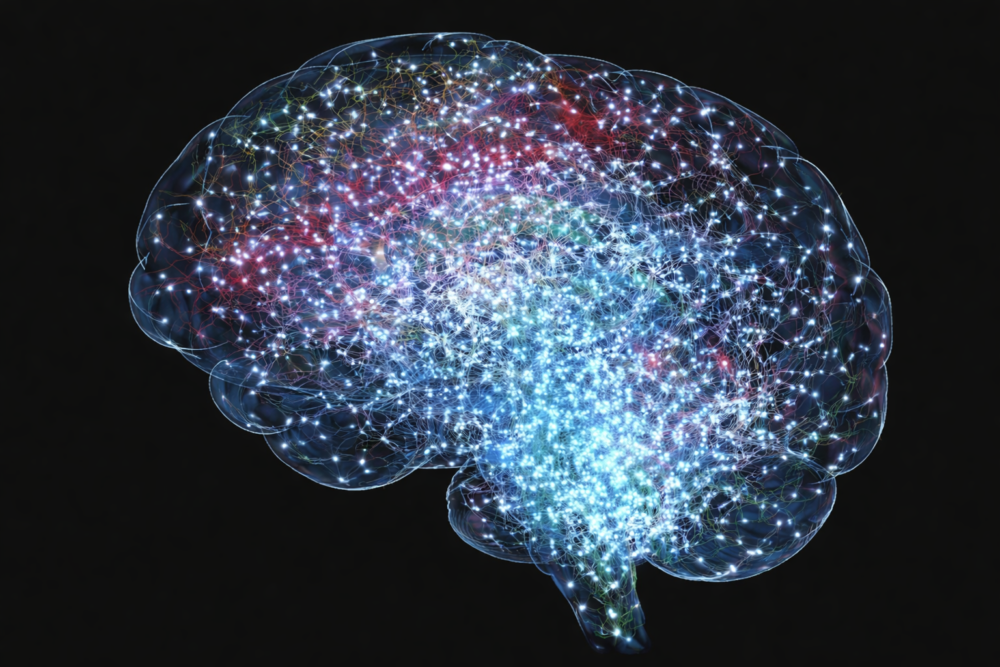
Alzheimer’s disease is often described as a slow, irreversible decline, where treatments can only delay symptoms rather than repair damage. But new research is challenging that assumption by focusing on something more basic than plaques or proteins: energy inside brain cells.
Scientists studying Alzheimer’s-like disease in mice found that restoring a key energy molecule helped reverse memory problems and normalize damaged brain cells, even at advanced stages.
The findings don’t mean a cure exists, and they don’t apply directly to humans yet. But they do suggest the brain may be more resilient than once believed.
Click through and learn what researchers did, what they observed, and why this energy-focused approach is drawing serious attention.
1. The study focused on how brain cells use energy
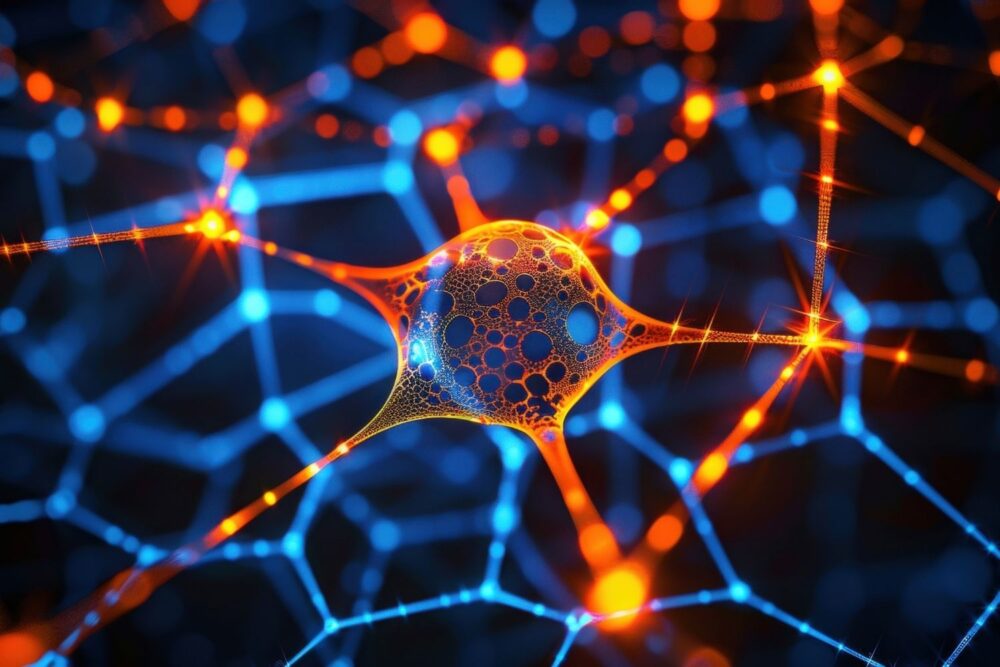
Brain cells are among the most energy-demanding cells in the body. They rely on a constant supply of fuel to communicate, repair themselves, and stay alive.
Researchers suspected that energy failure might be a hidden driver of Alzheimer’s damage, rather than just a side effect of the disease.
Follow us and access great exclusive content every day
2. Scientists targeted a molecule called NAD+

NAD+ is a molecule found in all cells that helps convert nutrients into usable energy. It plays a key role in keeping cells functioning normally.
Previous studies have shown that NAD+ levels decline with age and in neurodegenerative diseases, including Alzheimer’s.
3. Alzheimer’s brains show signs of an energy crash

In mouse models of Alzheimer’s, researchers observed that brain cells struggled to maintain normal energy balance.
This energy shortage was linked to disrupted communication between neurons and visible cellular stress, suggesting the brain was running on depleted reserves.
4. Researchers restored NAD+ levels in the brain

©Image license via Canva
Instead of targeting amyloid plaques or tau proteins, the team focused on restoring NAD+ using a compound that stabilizes energy production.
This approach aimed to fix the underlying metabolic problem rather than treat symptoms downstream.
Follow us and access great exclusive content every day
5. Memory and learning improved after treatment

After NAD+ levels were restored, mice showed significant improvements in memory and learning tests.
They performed better in tasks that require navigation, recall, and recognition, indicating that brain function had meaningfully improved, not just slowed in its decline.
6. Brain cells showed signs of repair, not just protection
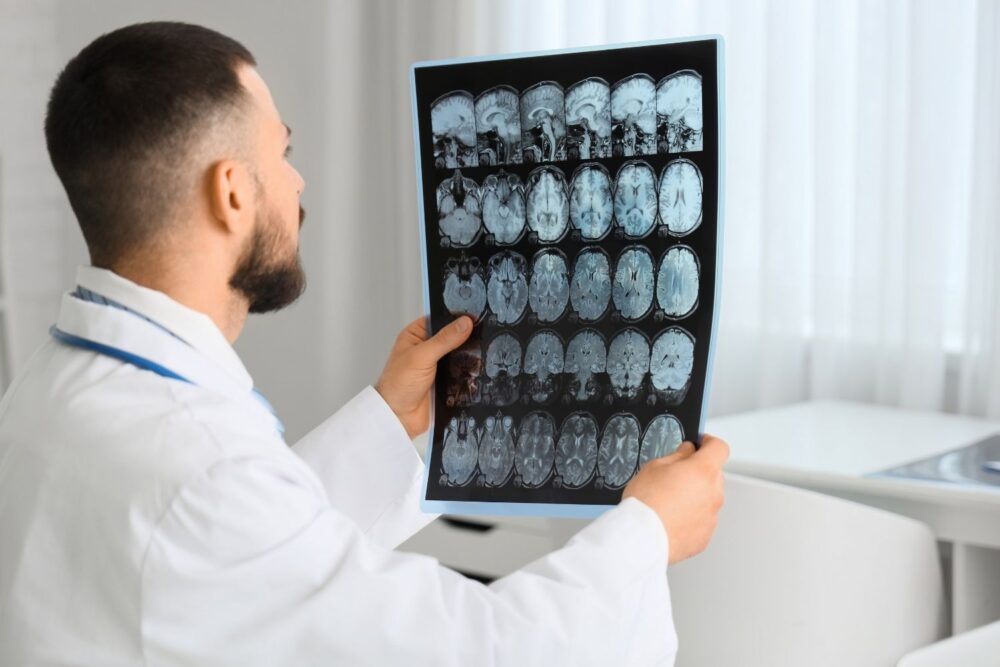
What made the findings especially striking was that the treatment appeared to reverse existing damage, not merely prevent further decline. Researchers observed that neurons regained healthier structure and function after NAD+ levels were restored.
Key support cells in the brain also normalized, reducing inflammation and cellular stress. Even though the mice showed advanced Alzheimer’s-like pathology before treatment, their brains responded by repairing communication pathways and stabilizing energy use.
This suggests the brain may retain a capacity for recovery when a fundamental energy imbalance is corrected, challenging the idea that later-stage damage is always permanent.
7. The effects went beyond memory tests

The changes weren’t limited to behavior. At the cellular level, researchers saw improvements in how neurons fired and communicated.
Markers associated with Alzheimer’s damage became less pronounced, showing that biological processes inside the brain were shifting.
Follow us and access great exclusive content every day
8. The approach differs from most Alzheimer’s treatments

Most Alzheimer’s drugs aim to remove toxic proteins or reduce inflammation. This study took a different route by focusing on metabolism.
By restoring energy balance, the treatment addressed a core function every brain cell depends on, regardless of disease stage.
9. The research was done entirely in mice

It’s important to note that these results come from animal models, not human patients. The mice were genetically engineered to show Alzheimer’s-like symptoms that allow scientists to test disease mechanisms and potential treatments.
While mouse studies are essential for early breakthroughs, many promising results at this stage do not always translate directly to humans.
10. Human treatments would require careful testing

Boosting or stabilizing NAD+ levels in humans could have different effects than in mice, especially over long periods or at higher doses. The human brain is more complex, and Alzheimer’s progresses over decades rather than months.
Any future treatment based on this approach would require multiple phases of clinical trials to confirm safety, effectiveness, appropriate dosing, and long-term outcomes before it could be considered for widespread use.
Follow us and access great exclusive content every day
11. The study supports a broader view of Alzheimer’s

The findings add weight to the idea that Alzheimer’s is not just a protein disorder, but also a metabolic one.
Energy failure may interact with plaques, inflammation, and aging, making it a central piece of the disease puzzle.
12. The results hint at new directions for future research

While this is not a cure, it opens the door to exploring treatments that help the brain restore its own function.
By targeting energy systems instead of damage alone, scientists may uncover new ways to slow, stop, or possibly reverse aspects of neurodegeneration in the future.