
A major new report outlines why a crewed mission to Mars may be more achievable and more urgent than ever.
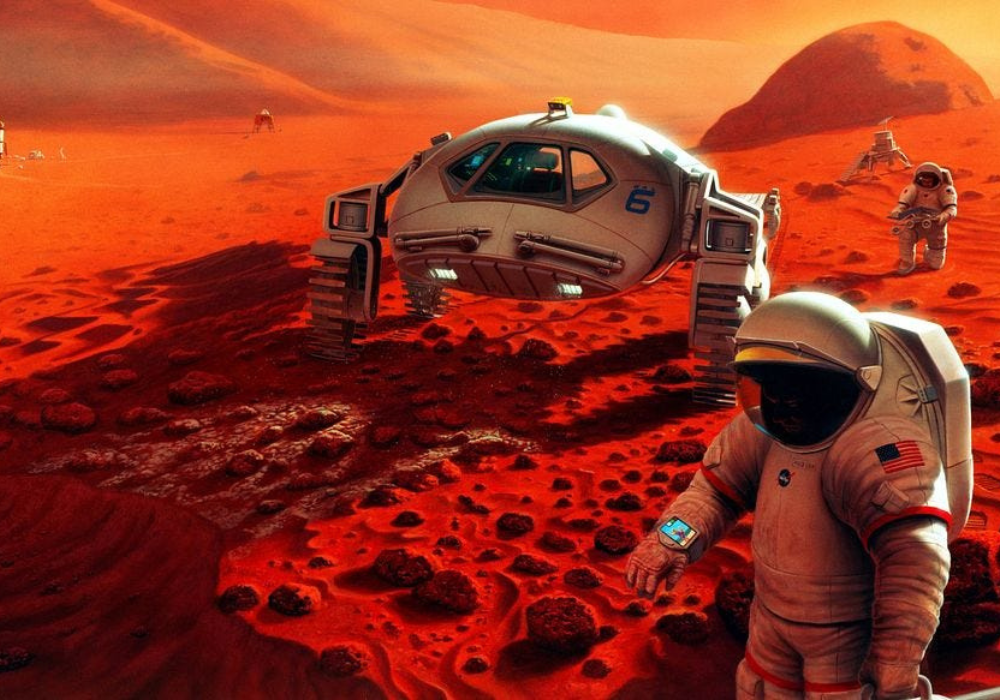
A major new scientific analysis titled The Rationale for Sending Humans to Mars argues that a crewed mission to the Red Planet may finally be within reach. The report outlines why growing scientific knowledge, new engineering capabilities, and clearer mission strategies make human exploration more realistic than ever before. It also explains how astronauts on Mars could transform our understanding of the planet and of life beyond Earth. For the first time in decades, a human mission to Mars is being presented as a practical goal rather than a distant idea.
1. The Report Says Technology Is Finally Catching Up for a Mars Mission
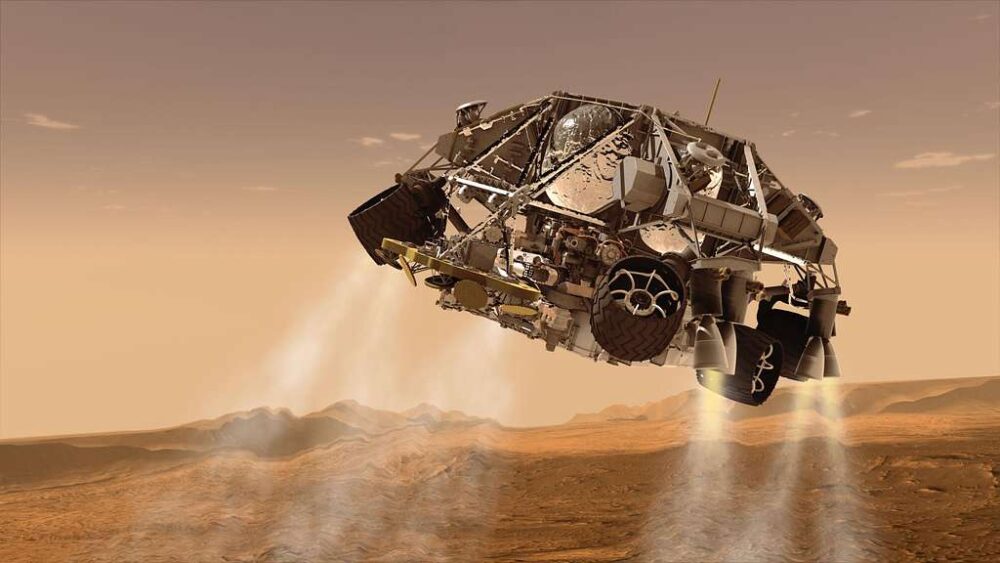
The new report states that recent advancements in propulsion systems, life support equipment, and long duration habitats have made a human mission to Mars significantly more achievable than in the past. Engineers now have a more reliable foundation for protecting crews, managing resources, and supporting the long journey between the planets.
Because these technologies are improving steadily, mission planners can begin working with realistic expectations. Scientists believe this combination of progress and growing knowledge can support a safe and scientifically valuable expedition while reducing long standing barriers that once delayed human exploration.
2. Scientists Highlight Mars as a Unique Scientific Opportunity
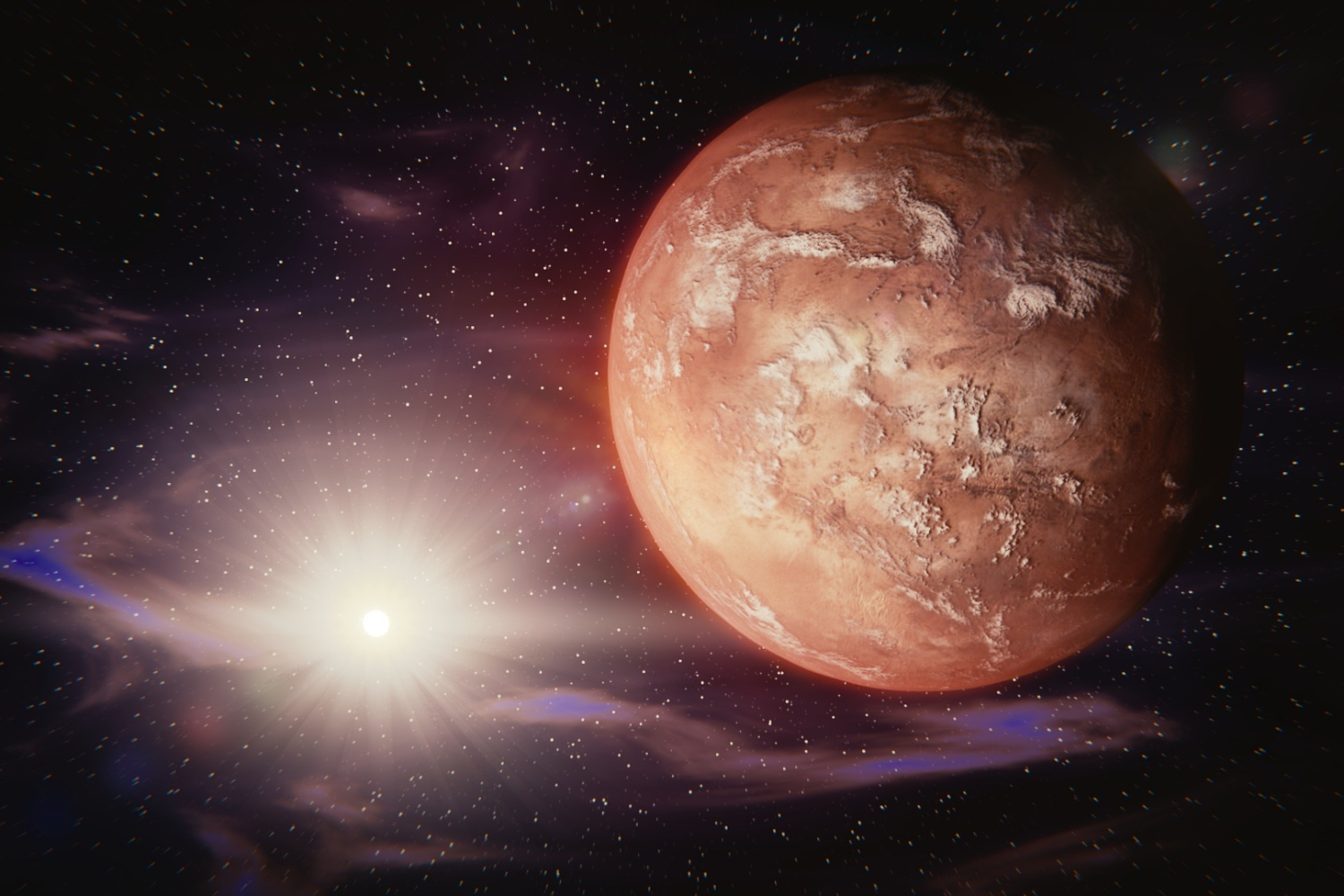
Researchers view Mars as one of the most promising places to search for past life within our solar system. The planet contains ancient riverbeds, exposed minerals, and layered rock formations that could hold evidence impossible to fully interpret through robotic missions alone. A human crew could examine samples directly and choose targets far more effectively.
Human involvement would also allow for complex experiments that require flexibility and rapid decision making. This could expand our understanding of Mars climate history, water activity, and geological evolution in ways that remote instruments cannot match.
3. Human Presence Lets Us Explore More Deeply Than Robots Ever Could

Robotic missions have provided remarkable discoveries, but they operate slowly and lack the ability to make on the spot scientific judgments. The report explains that astronauts could move quickly across varied terrain, investigate unexpected features, and adjust their plans in real time based on new findings.
This capability greatly increases the chances of major breakthroughs. From collecting diverse samples to troubleshooting instruments on the surface, astronauts would broaden the scientific reach of exploration and create opportunities that robotic missions cannot easily provide.
4. A Mars Mission Could Drive Major Technological Innovation

The study argues that preparing for human travel to Mars would accelerate innovation in many areas. New techniques for recycling water, generating energy, and protecting crews from radiation would be essential to mission success. These challenges often lead to breakthroughs that later prove valuable for life on Earth.
Developing new materials, better environmental controls, and improved spacecraft systems could spark progress across multiple industries. As with past space programs, the push to reach Mars could inspire technological advances that benefit society long after the mission ends.
5. Mars Represents the Next Logical Step for Human Exploration

Decades of research in Earth orbit combined with robotic missions throughout the solar system have brought scientists to a point where Mars is seen as the next natural destination. We now understand the environment well enough to start planning human activity with confidence that the challenges can be addressed.
Exploring Mars would extend humanitys presence beyond Earth and continue a long tradition of scientific discovery. The report describes Mars as the frontier that can push technology, knowledge, and inspiration to new heights and serve as the next major chapter in human exploration.
6. Safety Risks Are Real But the Report Outlines Strategies to Reduce Them

The report acknowledges that astronauts traveling to Mars would face significant risks that include radiation exposure, communication delays, isolation, and the physical strain of long duration spaceflight. However researchers now have a clearer understanding of these threats and can design missions that reduce them through shielding, careful routing, and crew support systems.
These strategies do not eliminate challenges but they do make them manageable. By presenting practical solutions, the report emphasizes that the risks of the mission can be addressed through thoughtful planning rather than seen as insurmountable obstacles.
7. A Human Mars Mission Could Change How We View Life Beyond Earth

The authors explain that landing humans on Mars would open the possibility of long term habitation on another world. Early missions would focus on short stays but they could eventually lead to research stations or semi permanent outposts. This shift would deepen our understanding of how humans adapt to new environments.
Such progress raises questions about sustainability, survival, and the long future of human civilization. If astronauts successfully operate on Mars, it would expand our view of what is possible and encourage long range thinking about life beyond Earth.
8. Global Cooperation Will Be Essential for a Successful Mars Mission
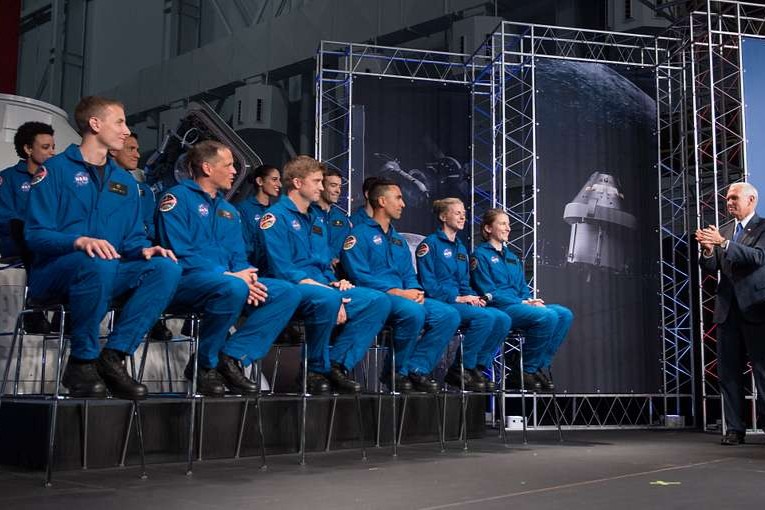
Mars exploration involves enormous cost and complexity which means international collaboration will likely be required. The report suggests that sharing resources, knowledge, and scientific expertise would improve the mission and reduce the burden on any single nation or agency.
Working together on such a large endeavor could strengthen global relationships and encourage peaceful cooperation in science and technology. A shared mission to Mars could serve as a unifying project that demonstrates what countries can achieve when they combine their strengths.
9. Public Support Will Shape Whether a Mars Mission Moves Forward
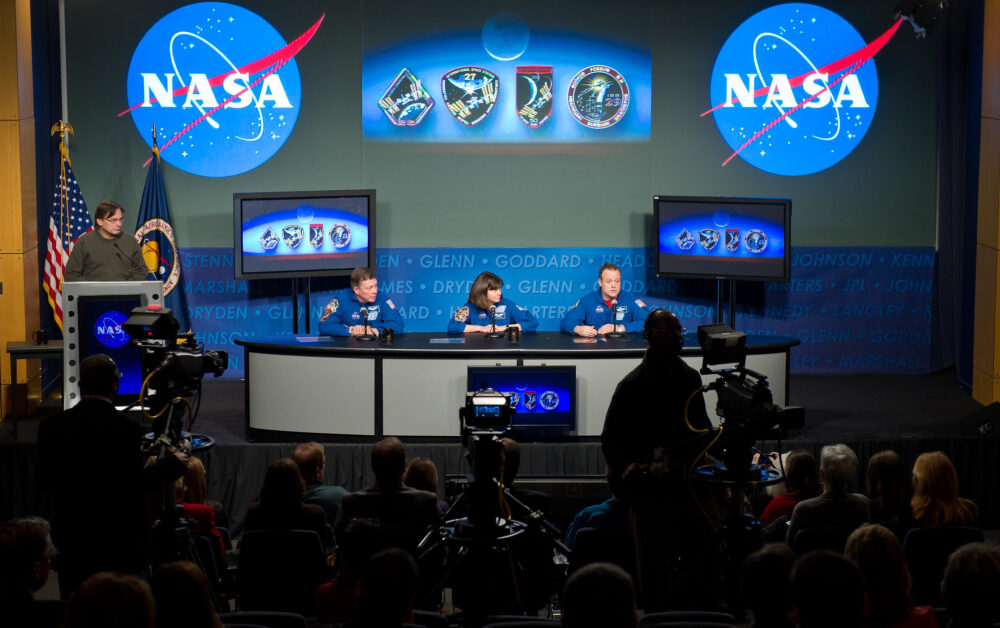
The study notes that enthusiasm from the public plays a crucial role in securing long term funding for major space projects. A compelling mission narrative helps people understand why Mars exploration matters for scientific discovery and for the future of humanity.
When public interest is strong, political and financial support becomes easier to maintain. The report aims to inspire that interest by showing how a Mars mission can spark curiosity, encourage innovation, and motivate younger generations to pursue science and engineering.
10. The Costs Are High But Many Experts See a Long Term Payoff

A human expedition to Mars would require substantial investment over many years, yet the report argues that the long term rewards outweigh the expense. Scientific findings could transform our knowledge of planetary history and reveal processes that shaped both Mars and Earth.
Beyond science, the mission would drive advancements in engineering, medicine, and technology that could have broad economic and social benefits. Experts believe that when measured across decades, the combined value of discovery and innovation justifies the cost of undertaking a crewed mission.
11. This New Report Could Turn Mars From Dream to Destination

The study concludes that Mars exploration is no longer a far off fantasy but a realistic objective for the coming decades. With improving technology, detailed risk reduction plans, and expanding scientific motivation, a human mission is becoming increasingly feasible.
For the public, this marks a shift in how we imagine the future. What once seemed like science fiction may soon become part of human history as astronauts take the first steps on another planet. The report encourages readers to see Mars as the next great milestone in exploration.