
New research and historical analysis shed light on one of the most enduring mysteries in ancient history.
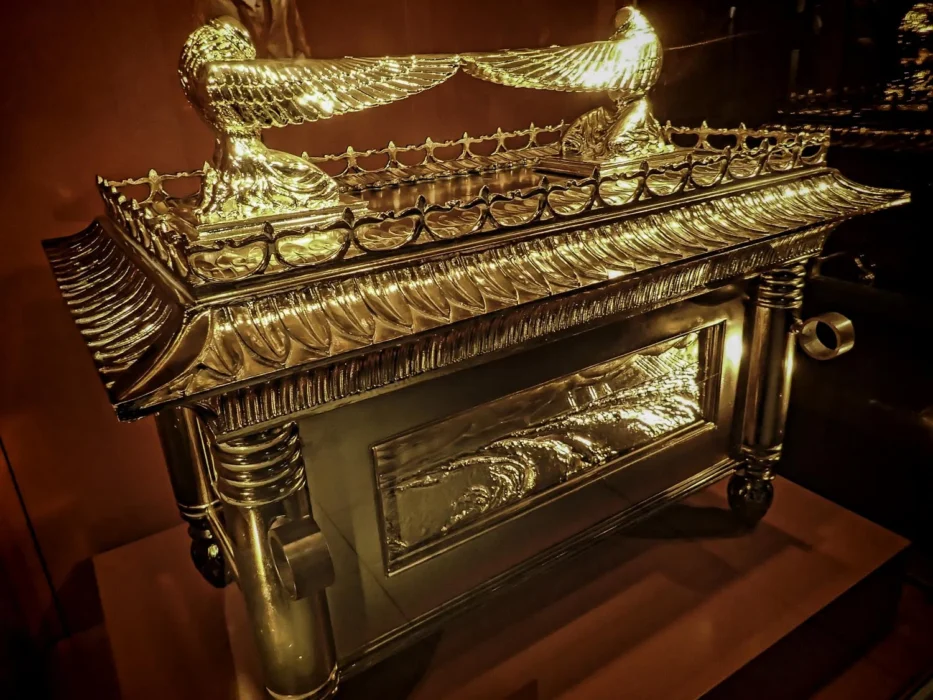
The Ark of the Covenant has captivated historians, archaeologists, and religious scholars for centuries. Described in the Hebrew Bible as a sacred chest holding the stone tablets of the Ten Commandments, the Ark eventually vanished from the historical record, sparking countless theories about its fate. Some believe it was hidden to protect it from invading armies, while others think it was destroyed or lost in the chaos of ancient warfare. Today, researchers are piecing together clues from ancient texts and archaeological sites to explore whether the Ark may still exist.
1. The Ark’s Origins Are Described in the Hebrew Bible

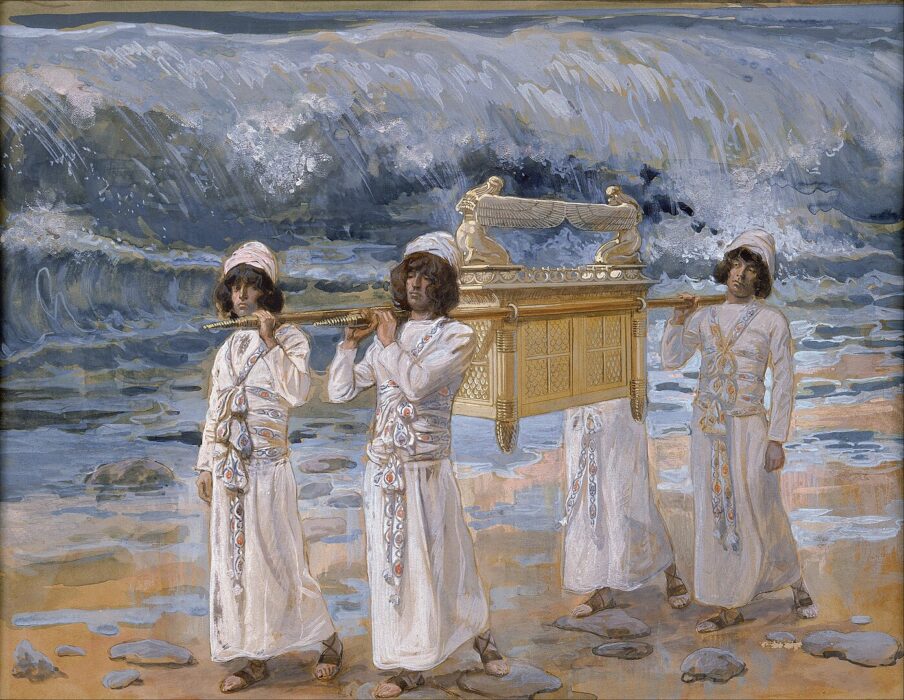
The earliest descriptions of the Ark of the Covenant come from the Hebrew Bible, which details its construction, materials, and symbolic role in ancient Israel. According to these texts, it was built from acacia wood and overlaid with gold, featuring two cherubim on its lid. While these descriptions are religious in nature, they provide historians with the foundation for understanding the Ark’s cultural and ritual significance.
The biblical accounts also anchor the Ark within a specific historical context, offering clues about how it may have been used, protected, and eventually lost.
2. The Ark Was Central to Ancient Israel’s Worship and Identity
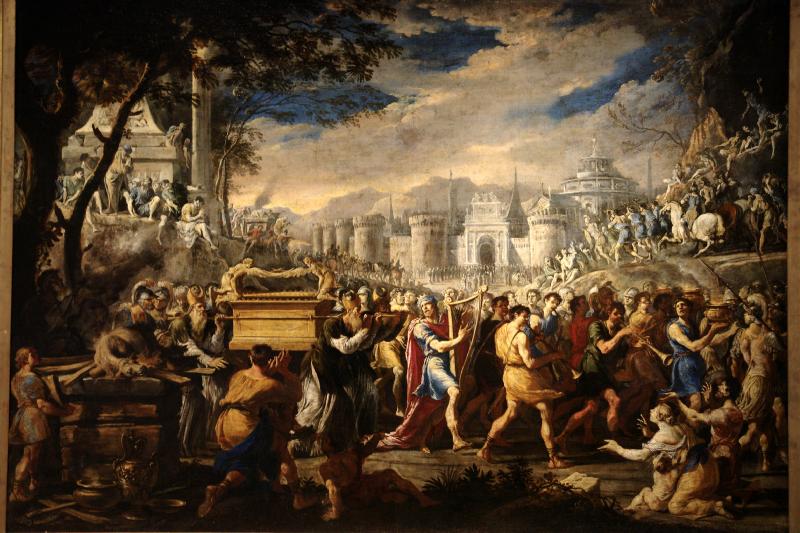
For centuries, the Ark was described as being at the heart of ancient Israelite religious practice. It was reportedly housed in the Tabernacle, carried during migrations, and later placed in the First Temple in Jerusalem. These traditions suggest the Ark served not only as a sacred object but also as a symbol of national identity.
Because of its importance, protecting the Ark from enemies would have been a priority. This helps explain why so many theories suggest it was hidden or moved during periods of conflict.
3. The Ark’s Disappearance Occurred During a Tumultuous Era
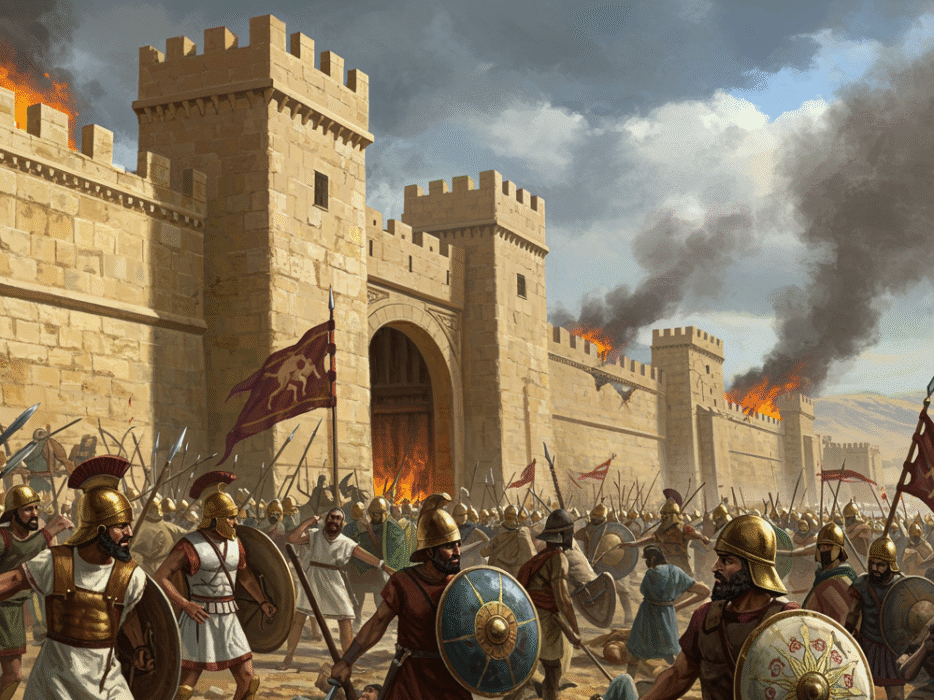
The Ark vanishes from the historical and biblical record around the time of the Babylonian invasion of Jerusalem in 586 BCE. This event brought widespread destruction, including the destruction of the First Temple, where the Ark had reportedly been kept. The lack of any explicit reference to the Ark after this point has fueled centuries of speculation.
Historians believe the turmoil of this era makes several scenarios plausible, including intentional concealment, destruction, or relocation by priests or neighboring groups.
4. Some Theories Suggest the Ark Was Hidden Before the Babylonian Invasion
One longstanding theory is that priests hid the Ark before the Babylonians reached Jerusalem. Ancient writings, such as passages in the Second Book of Maccabees, refer to sacred objects being concealed in mountain caves, though these texts are centuries later and not considered definitive.
Still, the idea of a hidden sanctuary or underground chamber persists, partly because religious groups in antiquity often protected sacred items in times of danger. Archaeologists have not found physical evidence of such a hiding place.
5. Other Theories Propose the Ark Was Taken to Egypt
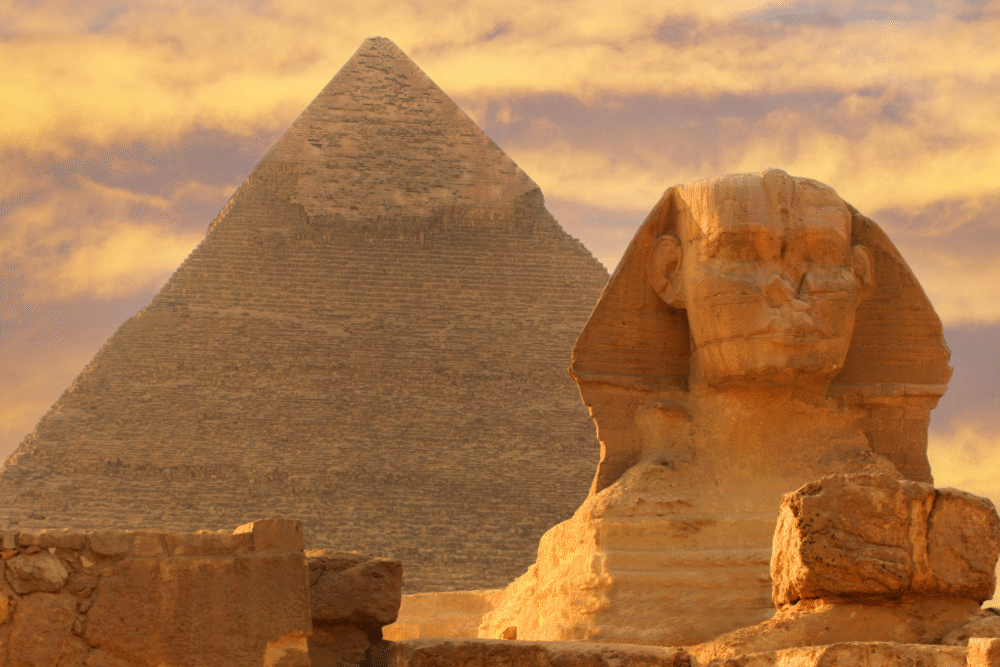
Some researchers argue that the Ark may have been transported to Egypt, either during earlier political upheavals or as part of alliances between Judah and Egypt. This theory points to similarities between Egyptian religious practices and descriptions of the Ark, though no direct evidence supports its physical relocation.
Historical connections between Israel and Egypt make the idea conceivable, but archaeologists have not discovered any artifacts or records confirming the Ark’s presence in Egyptian temples or tombs.
6. Ethiopia’s Claim Remains One of the Most Famous
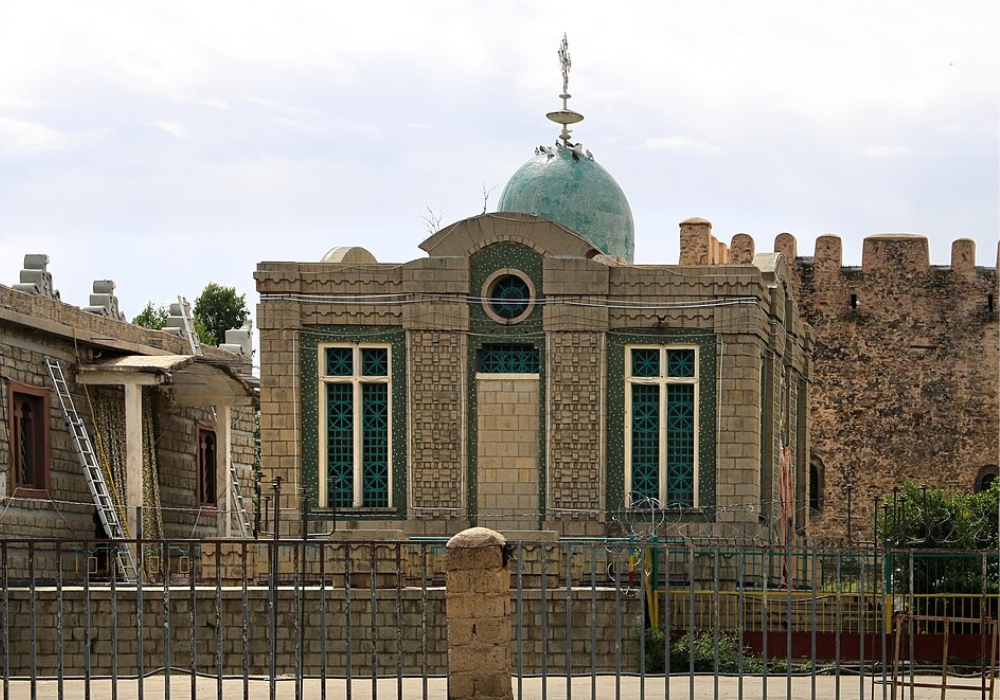
The Ethiopian Orthodox Church has long maintained that the Ark resides in Axum, housed in the Chapel of the Tablet. According to the church’s tradition, the Ark was brought to Ethiopia by Menelik I, the legendary son of King Solomon. While the church does not allow outside inspection of the object, the claim is deeply rooted in Ethiopian history and religious identity.
Scholars consider the tradition culturally significant but note that it cannot be verified through archaeology or historical documentation.
7. Some Scholars Think the Ark May Have Been Destroyed
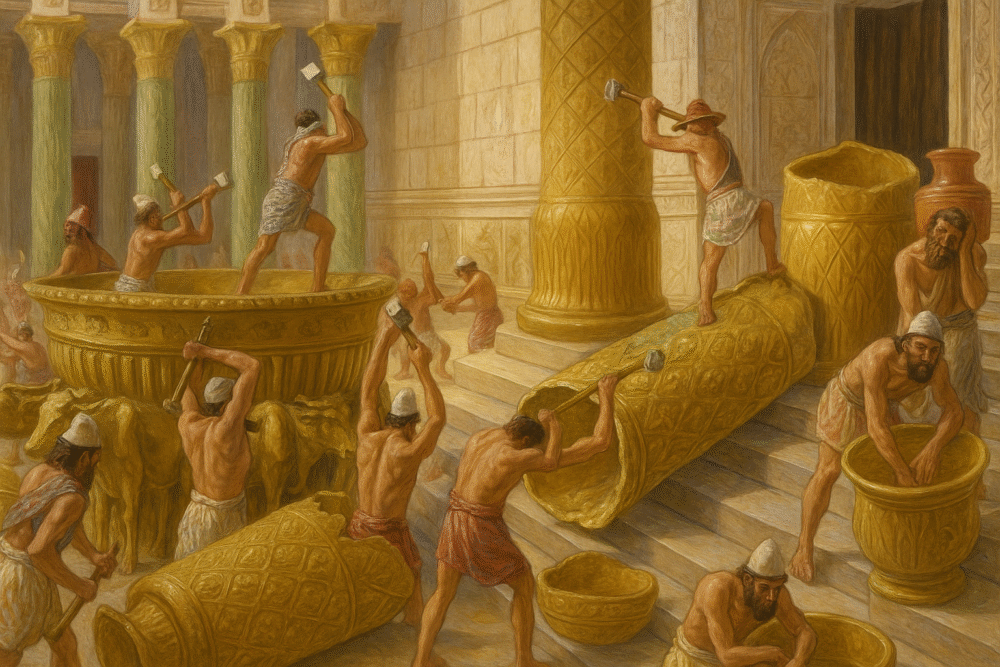
Given the destruction of the First Temple and the extensive looting by invading armies, some historians argue the Ark may have been destroyed along with other sacred objects. The Babylonians are known to have melted down precious metals and taken valuable items back to their empire.
The absence of clear records increases the likelihood that the Ark did not survive this period. This theory is simple and fits the historical evidence, although it leaves little room for dramatic narratives.
8. Archaeologists Have Found No Confirmed Remains Connected to the Ark
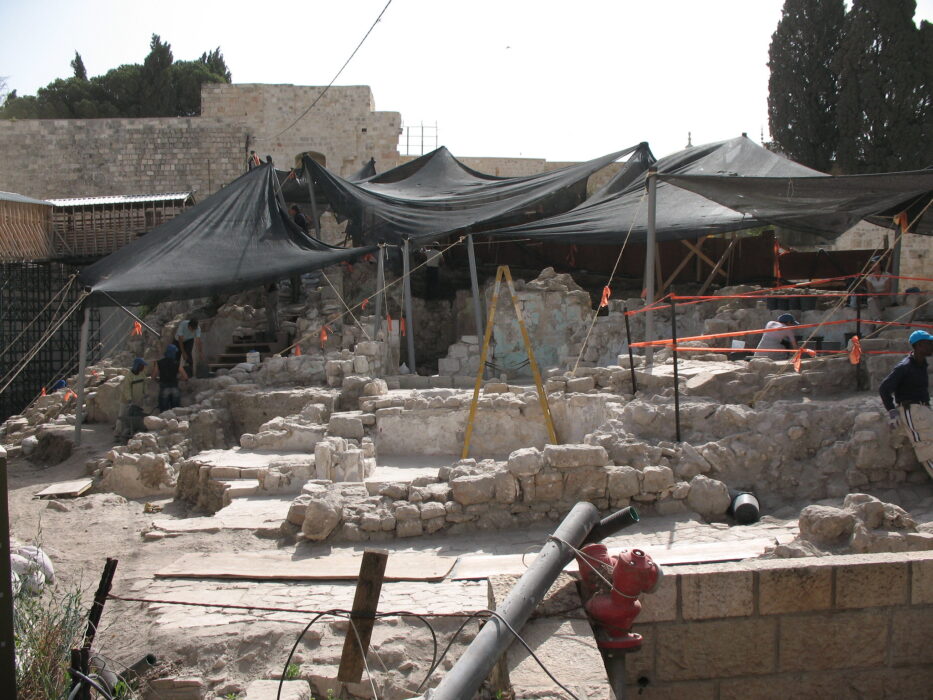
Despite centuries of searches, no archaeological artifact has been definitively linked to the Ark of the Covenant. Many claims have surfaced, but none withstand scientific scrutiny. Excavations in Jerusalem and surrounding regions have uncovered important artifacts from the First Temple period, yet nothing that conclusively connects to the Ark.
This lack of evidence does not resolve the mystery but highlights how little is known about its final fate and where it may have been kept.
9. The Ark’s Design Shares Traits With Other Ancient Ritual Objects
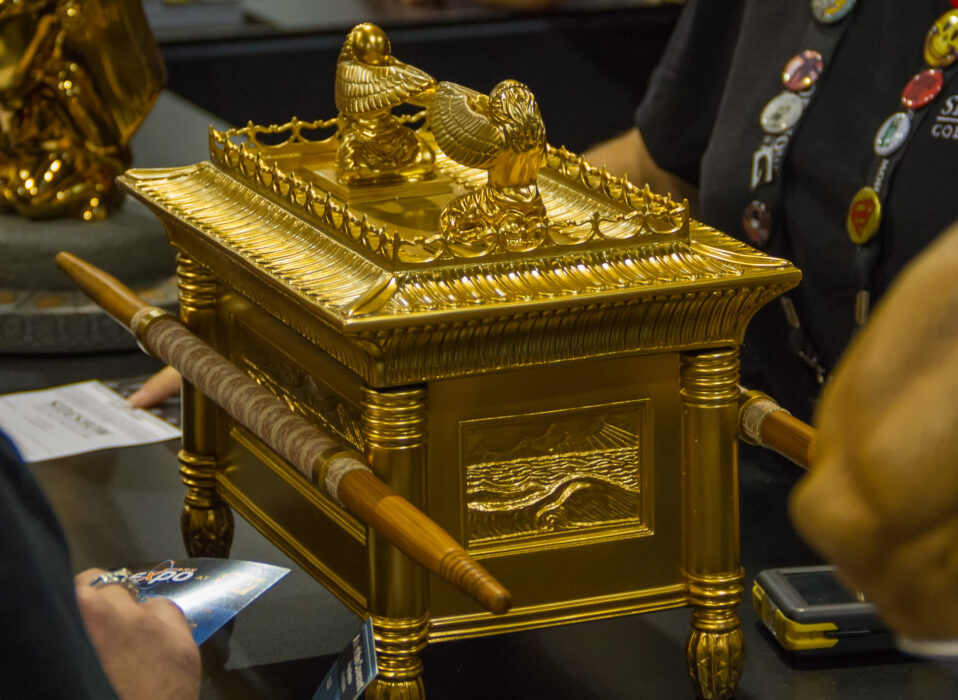
Historians note that sacred chests, ceremonial boxes, and portable shrines existed in many ancient Near Eastern cultures. These similarities help scholars understand how the Ark functioned within ancient religious life without making assumptions about supernatural properties.
Studying comparable objects offers insight into how the Ark might have been constructed, protected, and transported. This broader cultural context provides important clues without relying solely on religious texts.
10. Modern Searches Continue, but Evidence Remains Elusive

In recent decades, explorers, religious groups, and documentary teams have mounted expeditions across Israel, Egypt, Ethiopia, and even Europe in search of the Ark. These efforts often generate attention but rarely produce reliable findings. Many claims collapse under scrutiny because they rely on tradition rather than evidence.
The enduring fascination with the Ark, however, demonstrates how powerful the mystery remains, even in the absence of physical proof or historical certainty.
11. The Ark’s Legacy Endures Regardless of Its Fate
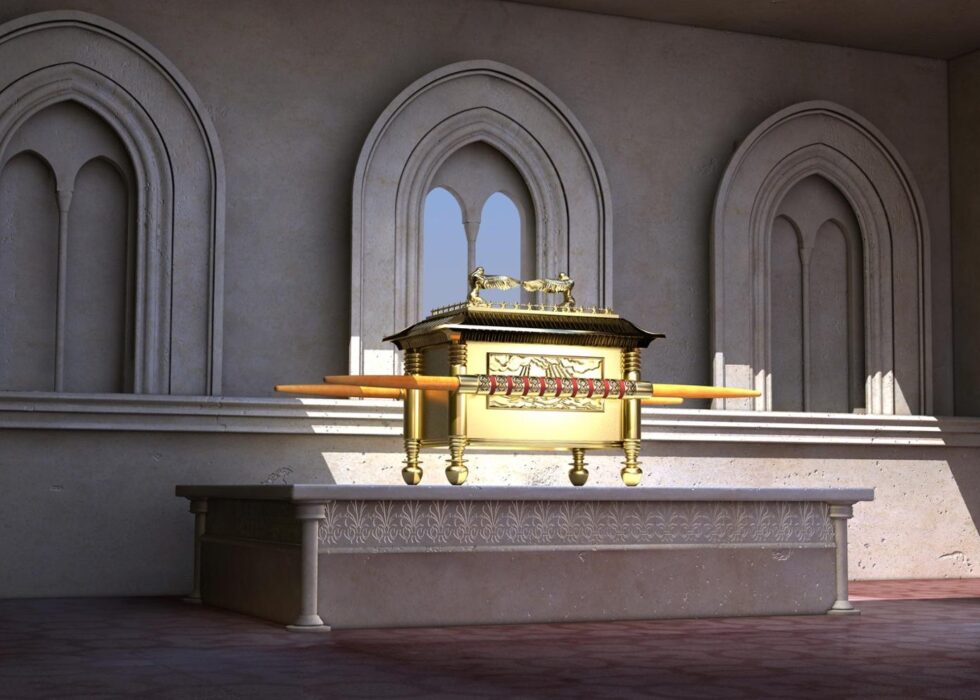
Whether or not the Ark still exists, its impact on culture, religion, and history is undeniable. It has inspired countless stories, artworks, rituals, and modern interpretations. The Ark remains a potent symbol of faith, identity, and the human search for meaning.
Ultimately, the enduring mystery of its fate continues to spark exploration and debate. Scholars agree that while the Ark’s existence cannot be confirmed today, its legacy provides valuable insight into the ancient world and the traditions that shaped it.