
Scientists say three fast-moving climate shifts may signal that key planetary tipping points are approaching.
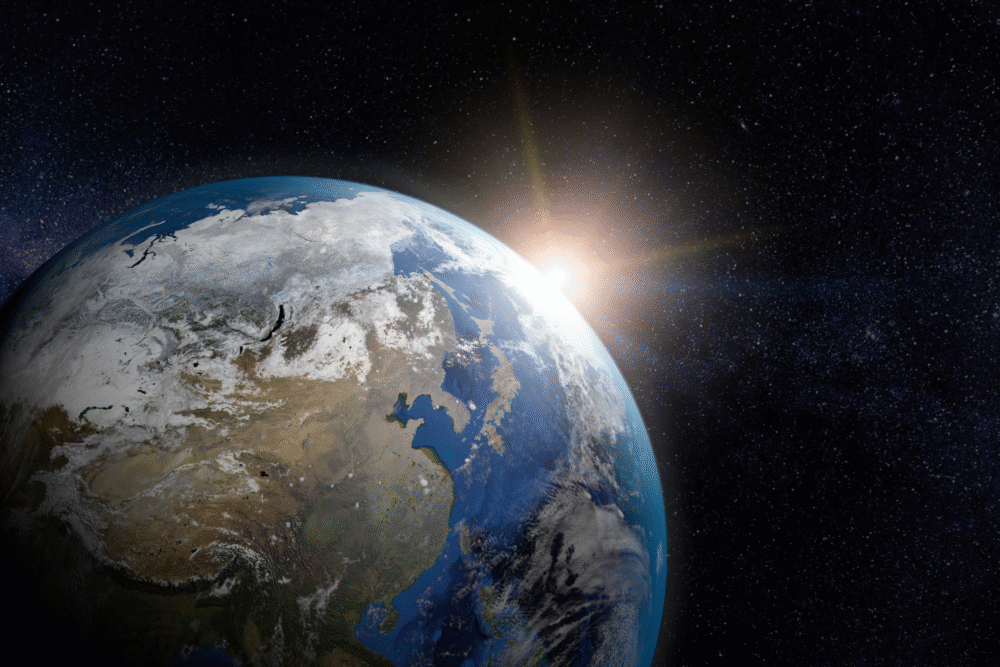
Scientists tracking the planet’s most vulnerable climate systems say three major changes are accelerating faster than expected. From disrupted carbon cycles to collapsing coral reefs and the rapid retreat of ice, researchers warn these shifts may indicate that Earth is edging closer to several long-feared tipping points. These thresholds represent moments when environmental systems permanently transform, potentially reshaping coastlines, ecosystems, and weather patterns for generations. Understanding these three changes helps explain why experts say the urgency to act has never been greater.
1. Coral Reef Loss Is Accelerating Faster Than Predicted

Coral reefs across the tropics are bleaching more often due to rising ocean temperatures. Scientists report that marine heatwaves are now longer, stronger, and occurring in regions once considered relatively stable. Bleaching events weaken corals, making them more vulnerable to disease and long-term collapse. Many reef systems have experienced multiple severe bleaching episodes since 2014.
Researchers warn that losing coral reefs could destabilize entire marine ecosystems. Reefs support about a quarter of ocean biodiversity and protect coastlines from storm surge, making their rapid decline a major climate warning signal.
2. Glaciers and Ice Sheets Are Melting at Record Rates
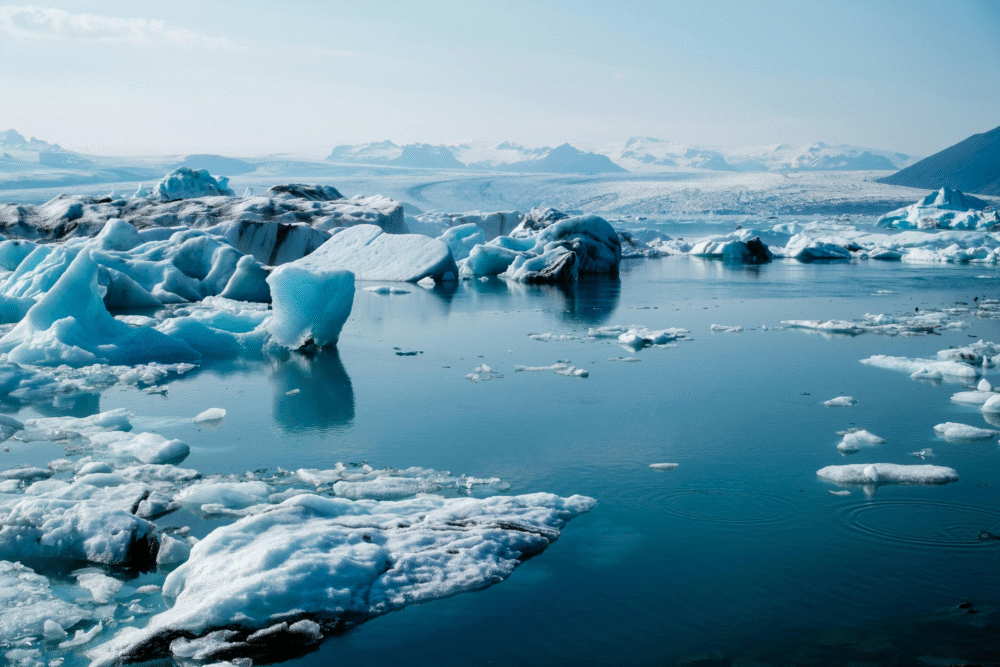
Satellite measurements show that glaciers in Greenland, Antarctica, and mountain regions worldwide are shrinking faster than early models projected. Warmer air, warmer oceans, and shifting wind patterns contribute to accelerated ice loss. Key regions in West Antarctica and parts of Greenland are losing ice at rates that concern scientists because some glaciers rest on bedrock that can allow faster retreat.
This melt contributes to sea level rise, which increases coastal flooding risks. The speed and scale of the loss suggest parts of the cryosphere could be approaching thresholds where melt becomes self-reinforcing.
3. The Carbon Cycle Is Becoming Less Stable
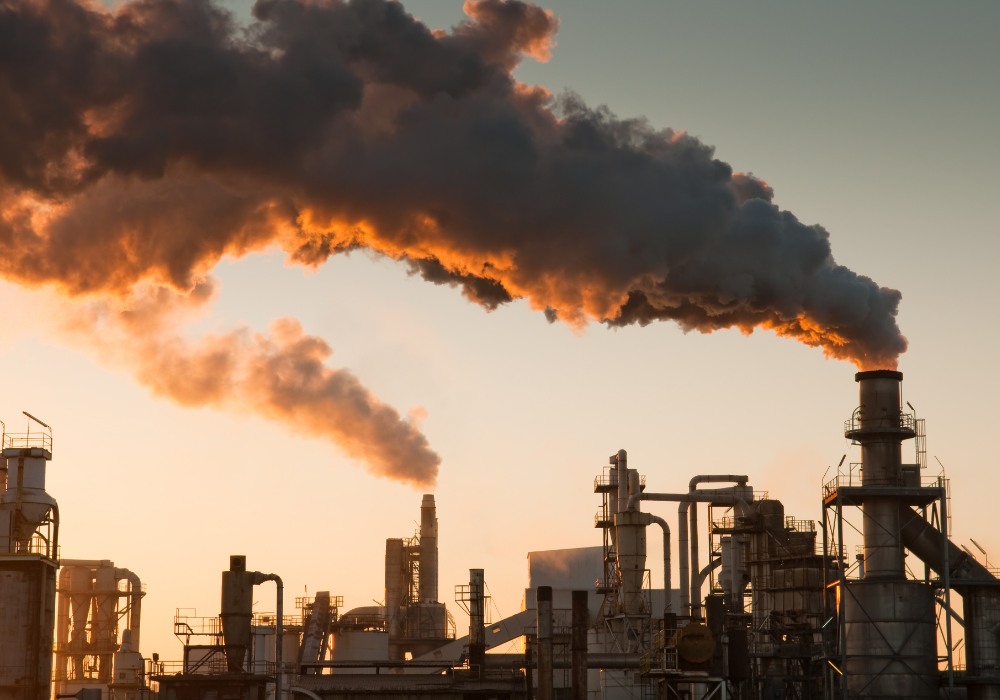
Scientists studying the global carbon cycle report early signs that natural systems are absorbing less carbon dioxide than before. Warming oceans take in CO2 more slowly, and stressed forests are experiencing more fires, drought, and die-offs. These changes reduce the planet’s ability to buffer human emissions and keep atmospheric CO2 levels in check.
Researchers worry that if carbon sinks weaken substantially, climate change could accelerate even if human emissions remain steady. This shift is considered one of the most important tipping point indicators because it affects every other major climate system.
4. Ocean Heat Content Has Reached Record Highs
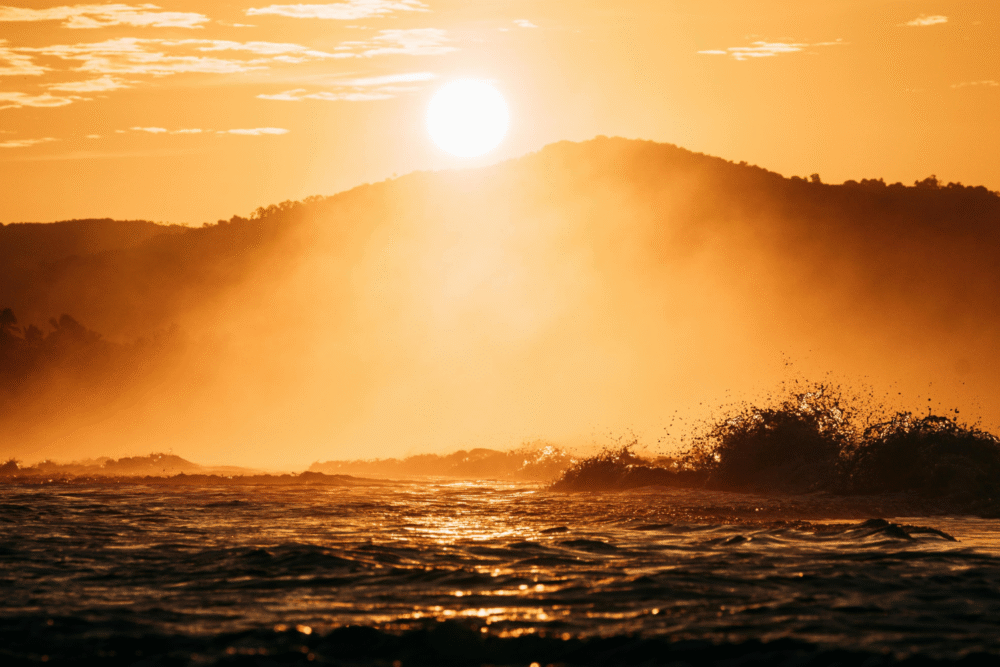
Long-term measurements show the world’s oceans are absorbing over 90 percent of excess heat trapped by greenhouse gases. This heat buildup increases the likelihood of marine heatwaves, coral bleaching, and stronger storms. Scientists say ocean temperatures in several basins reached unprecedented levels in recent years, contributing to a cascade of environmental impacts.
Because the ocean warms slowly and cools slowly, this heat can remain for decades or longer. Higher heat content creates feedback loops that intensify global warming and stress marine ecosystems already under pressure.
5. Permafrost Regions Are Thawing Faster Than Expected
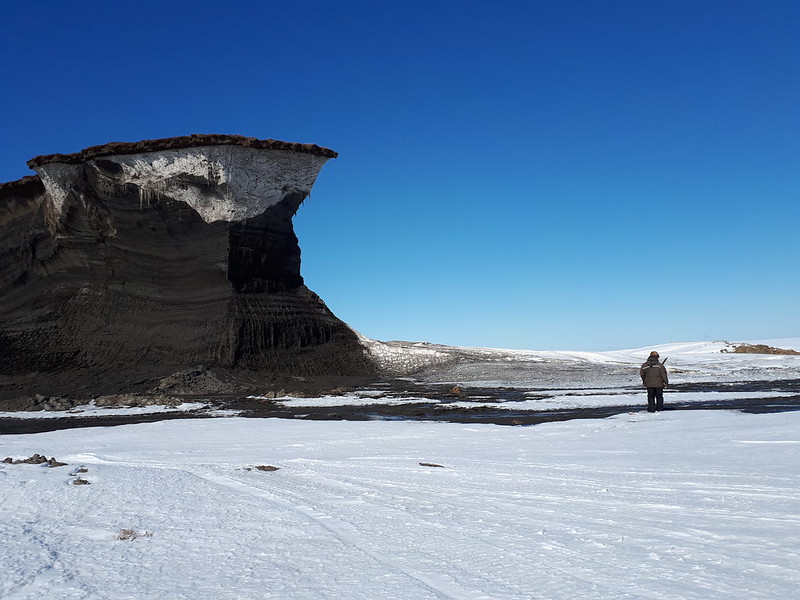
Across Siberia, Alaska, and northern Canada, permafrost is thawing as temperatures rise. This frozen ground stores massive amounts of carbon and methane. When it melts, these gases are released into the atmosphere, amplifying warming. Field studies show thawing is occurring in places that were once stable, including regions previously insulated by thick layers of ground ice.
Thawing also damages infrastructure and alters local hydrology. Scientists worry that widespread thaw could trigger a feedback loop where released greenhouse gases cause additional warming, accelerating the process even further.
6. Extreme Weather Events Are Becoming More Severe
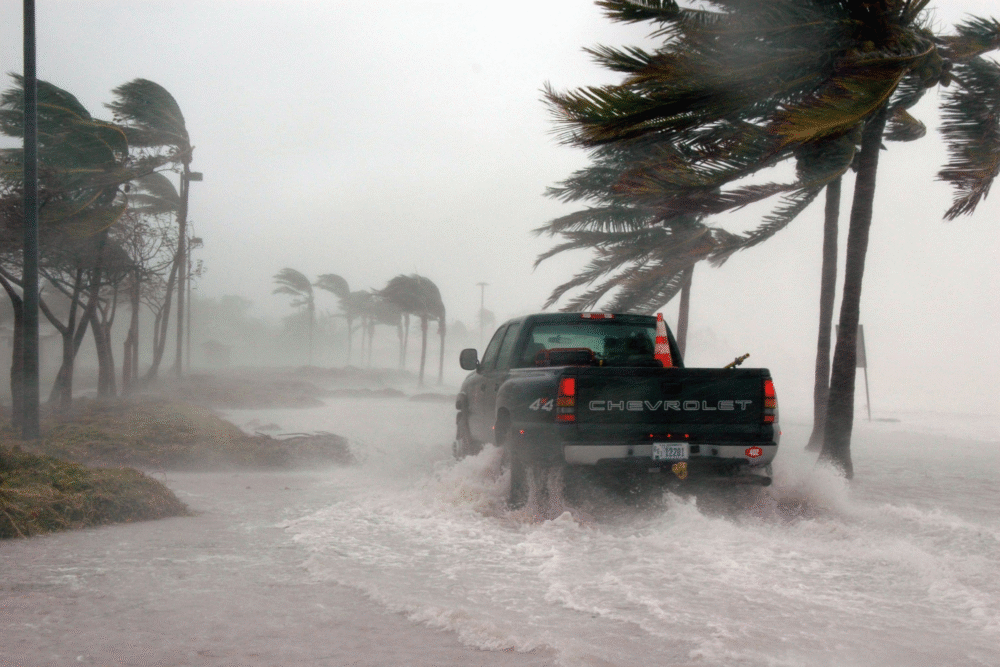
Heatwaves, heavy rainfall events, and droughts are increasing in frequency and intensity across the globe. Scientists link these extremes to a warmer atmosphere that holds more moisture and alters jet stream patterns. Regions like the Mediterranean, the American West, and South Asia have already seen more intense heat and longer dry periods.
These weather extremes put stress on agriculture, water supplies, and emergency response systems. Researchers view the increasing volatility as one of the strongest indicators that climate systems are shifting toward new, less stable patterns.
7. The Atlantic Current System Is Showing Signs of Weakening
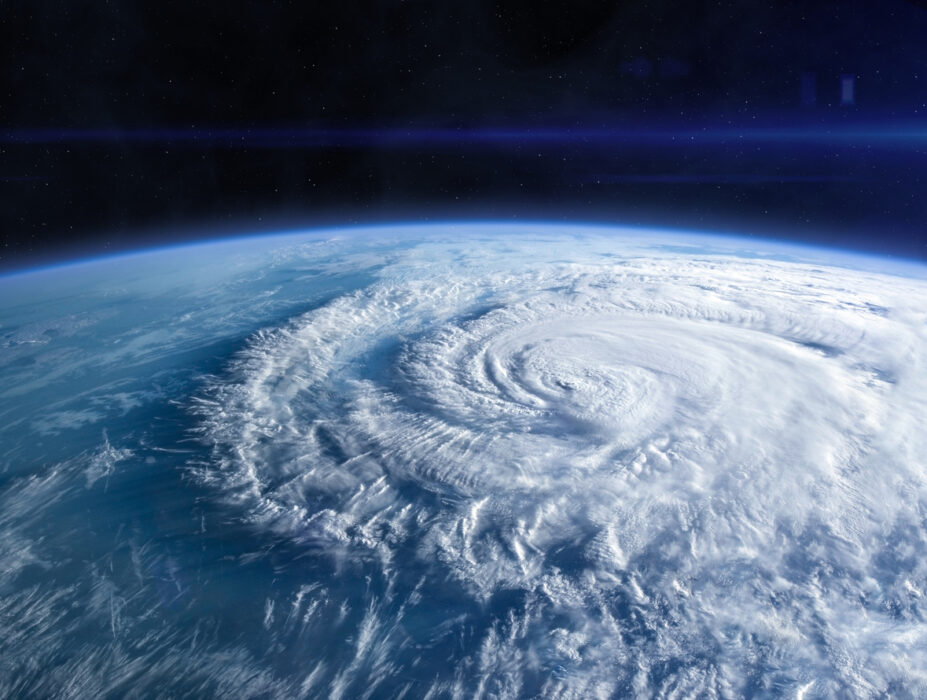
The Atlantic Meridional Overturning Circulation, a major ocean current that transports heat between hemispheres, is weakening according to multiple observational studies. Freshwater from melting ice and increased rainfall can disrupt the density gradients that drive the current. While a full collapse remains unlikely in the near term, scientists say the system’s weakening could shift weather patterns.
A slower current can lead to more extreme heat in Europe, sea level rise along the U.S. East Coast, and changing rainfall in the tropics. Its sensitivity makes it a key tipping point system to watch.
8. Tropical Forests Are Losing Their Ability to Absorb Carbon

Amazon and Southeast Asian forests are under growing pressure from heat, drought, and deforestation. Studies show that parts of the Amazon now emit more carbon than they absorb during some years, primarily due to fires and tree loss. This reversal is worrisome because tropical forests have historically been major carbon sinks.
When forests lose resilience, they recover more slowly from stress. Reduced growth and increased mortality weaken their capacity to moderate the climate, raising questions about how long they can serve as reliable buffers.
9. Sea Levels Are Rising Faster Due to Combined Melt and Thermal Expansion
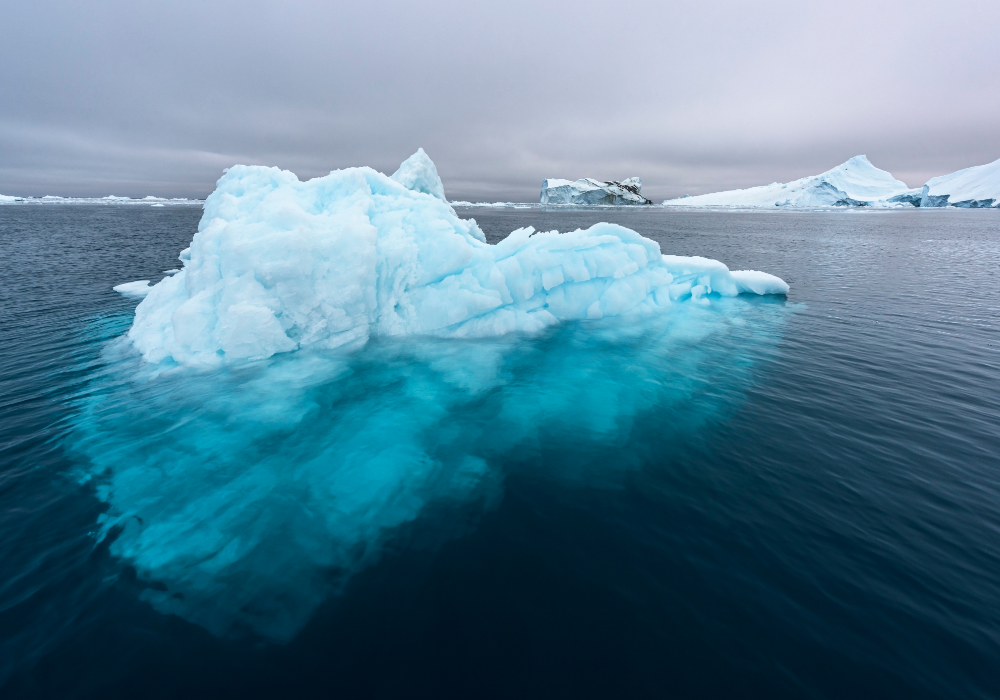
Sea level rise now comes from two primary drivers: melting ice and the expansion of seawater as it warms. Current measurements show global sea levels increasing at more than double the rate seen in the 20th century. Some coastal regions are experiencing even faster rise due to land subsidence or regional ocean dynamics.
Higher sea levels increase the frequency of coastal flooding and erosion. Scientists warn that continued acceleration could affect millions living in low-lying areas, making it one of the most visible consequences of climate change.
10. Scientists Say These Trends Point Toward Potential Tipping Points
The combination of accelerated coral loss, rapid ice melt, and destabilizing carbon sinks forms a pattern climate researchers are watching closely. These systems interact with one another, which means changes in one can influence the others. Once a tipping point is crossed, the shift is often irreversible on human timescales.
Scientists emphasize that while some systems may still be reversible, the pace of change is narrowing the window for prevention. Understanding these signals helps illuminate why experts stress immediate global action.