
Astronomers say 3I/ATLAS, only the third known interstellar visitor, may have exploded near the Sun.
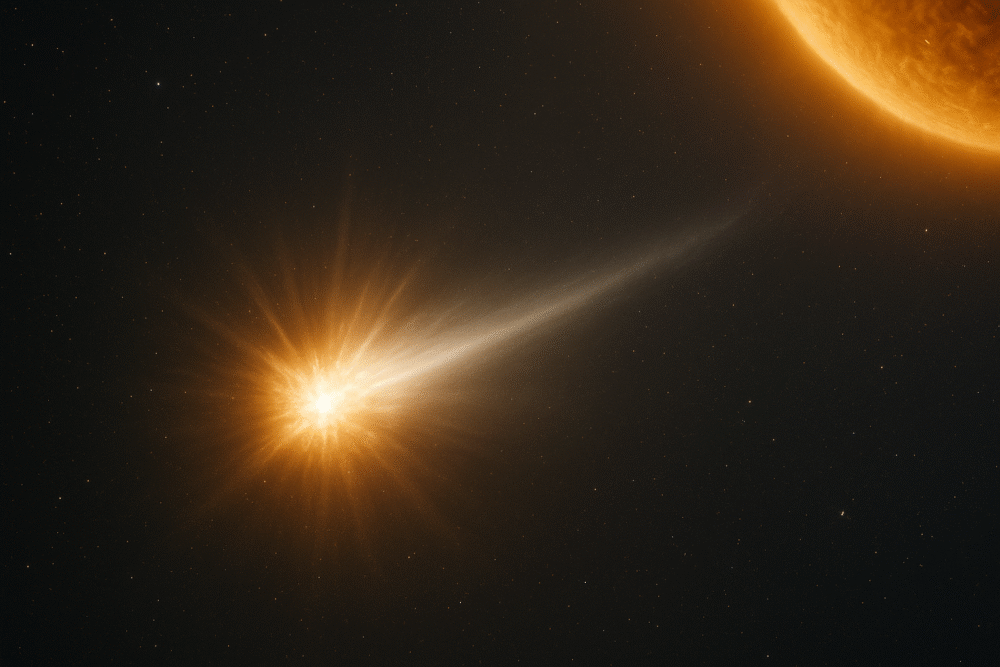
Astronomers are investigating what appears to be the first recorded explosion of an object from another star system. The object, named 3I/ATLAS, was discovered earlier this year as it passed through our solar system — only the third interstellar visitor ever detected after ‘Oumuamua and 2I/Borisov. But recent data from the Solar and Heliospheric Observatory (SOHO) suggest it may have broken apart near the Sun. Scientists observed a sudden bright flash consistent with a disintegration event, though its exact cause remains unknown. If confirmed, it would mark an unprecedented cosmic first: an interstellar object self-destructing in our neighborhood.
1. What Astronomers Saw Near the Sun
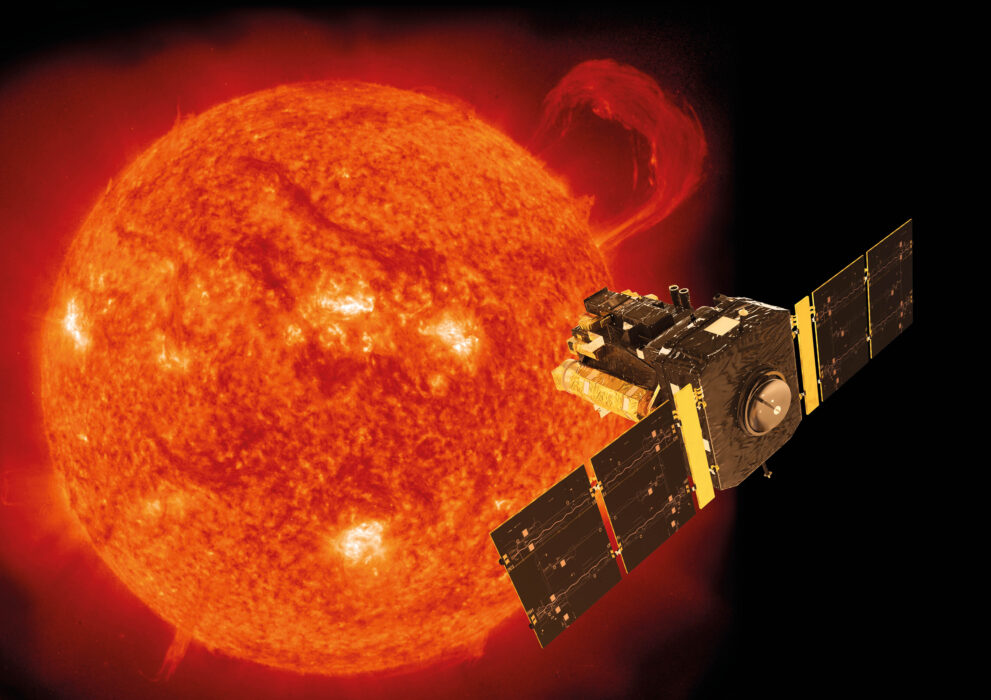
Astronomers monitoring the Solar and Heliospheric Observatory (SOHO) spotted a brief, intense brightening near the Sun in early November 2025. The light matched the position of 3I/ATLAS, an interstellar object first detected earlier this year.
The flash lasted only a short time, but its sudden appearance and disappearance suggested an energetic breakup or disintegration. While scientists are still reviewing the data, many believe the brightness spike points to the object fragmenting as it approached the Sun’s extreme heat and radiation.
2. What 3I/ATLAS Actually Is
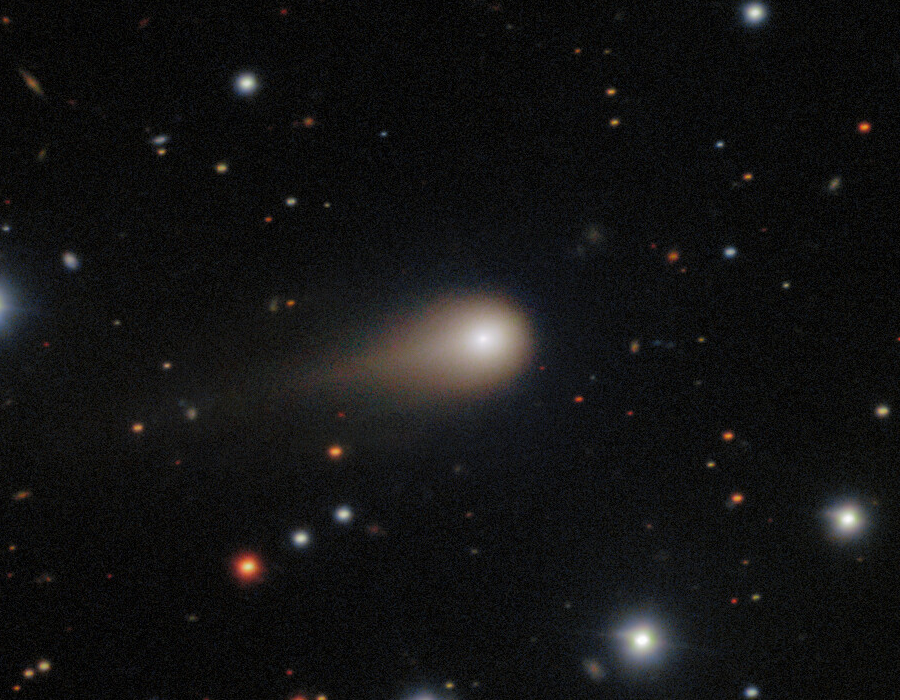
3I/ATLAS is the third confirmed object to enter our solar system from another star system — the “I” in its name stands for interstellar. It followed in the footsteps of the mysterious ‘Oumuamua (2017) and comet 2I/Borisov (2019).
Discovered by the Asteroid Terrestrial-impact Last Alert System (ATLAS) in Hawaii, the object was tracked moving on a hyperbolic trajectory, meaning it’s not bound to our Sun’s gravity. That makes it a cosmic visitor, passing briefly through before heading back into deep space.
3. Why Scientists Think It Exploded

Data from multiple solar observatories showed a rapid brightening consistent with an outburst or fragmentation. Because 3I/ATLAS passed unusually close to the Sun — within a few solar radii — the intense heat and gravitational stress likely caused it to disintegrate.
Such “sungrazing” events are common for comets within our own solar system. As volatile materials vaporize, internal pressure can build until the body ruptures. If confirmed, this would be the first time scientists have witnessed such a phenomenon from an interstellar object.
4. How It Compares to ‘Oumuamua and Borisov

The first known interstellar visitor, ‘Oumuamua, baffled astronomers with its cigar-like shape and odd acceleration, while 2I/Borisov behaved more like a conventional comet. 3I/ATLAS appeared to fall somewhere in between — showing comet-like activity but a less predictable orbit.
Its apparent breakup provides an important third data point. Each interstellar object offers a glimpse of conditions in distant star systems, and comparing their behaviors helps scientists refine theories about how such objects form and evolve before being ejected into interstellar space.
5. The Evidence So Far

The SOHO and STEREO-A spacecraft detected a brightening event at the exact location where 3I/ATLAS was predicted to pass. No other known comet or asteroid matched its trajectory at that time, making coincidence unlikely.
Researchers are analyzing images and spectra to confirm whether the light signature matches vaporized dust and gas. If it does, it would strengthen the theory that 3I/ATLAS fragmented or exploded due to thermal stress as it neared the Sun.
6. Why This Discovery Matters

Until now, astronomers had only observed intact interstellar objects passing through the solar system. A confirmed breakup would offer rare clues about what these ancient travelers are made of — their composition, density, and internal structure.
Because interstellar bodies formed around other stars billions of years ago, they’re like time capsules from alien solar systems. Studying how one disintegrates could help reveal what kinds of ices and minerals exist beyond our own stellar neighborhood.
7. What Could Have Caused the Breakup

The leading explanation is thermal stress. As 3I/ATLAS neared the Sun, its surface temperature could have exceeded 1,000°F (540°C), causing internal ices to vaporize rapidly. The buildup of gas may have ruptured the object from within.
Another possibility is tidal disruption — the Sun’s immense gravitational pull could have torn the object apart, especially if it was loosely held together. Both processes are well-documented in solar comets and fit the timeline of the observed brightening.
8. Could It Have Been Something Else?
Scientists are careful not to jump to conclusions. The bright flash could, in theory, have been a solar flare, a camera artifact, or another object crossing the same region of space. Verification requires cross-checking data from independent observatories.
Astronomers will continue monitoring the area for any lingering debris or secondary fragments that might confirm a physical explosion. Until then, the “interstellar explosion” remains a strong but unproven hypothesis — an exciting possibility that demands rigorous confirmation.
9. Why Interstellar Objects Are So Rare
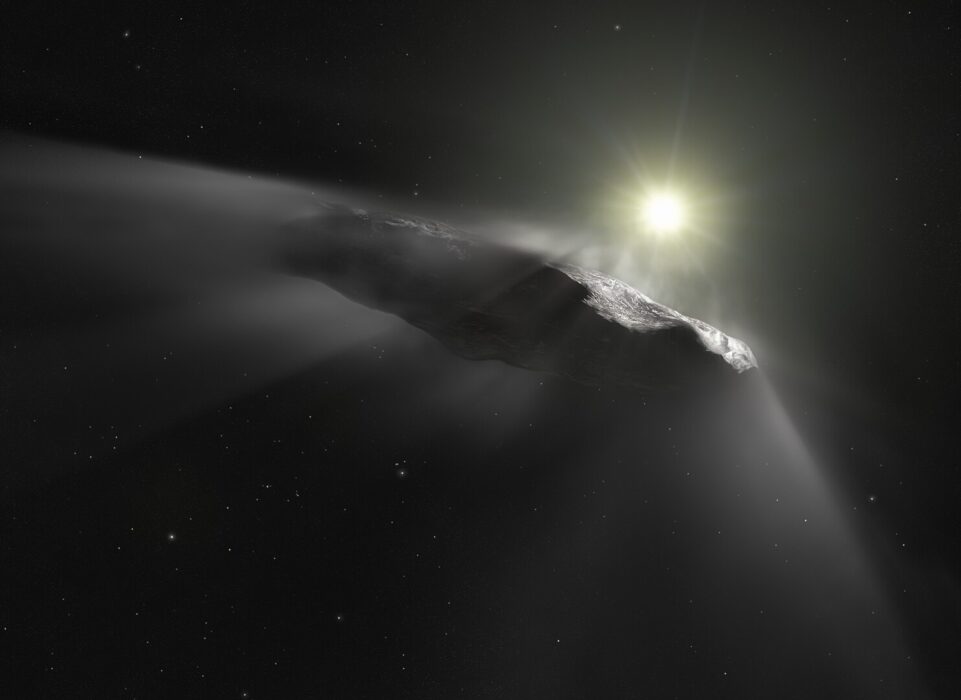
Interstellar visitors are extraordinarily uncommon. Estimates suggest that only a few may enter our solar system each century. Detecting one requires perfect timing and powerful telescopes capable of tracking faint, fast-moving targets.
That’s why 3I/ATLAS’s apparent disintegration is such a big deal — every data point helps researchers learn how material behaves when it leaves its home star system and journeys for millions of years through the interstellar void.
10. What Happens Next
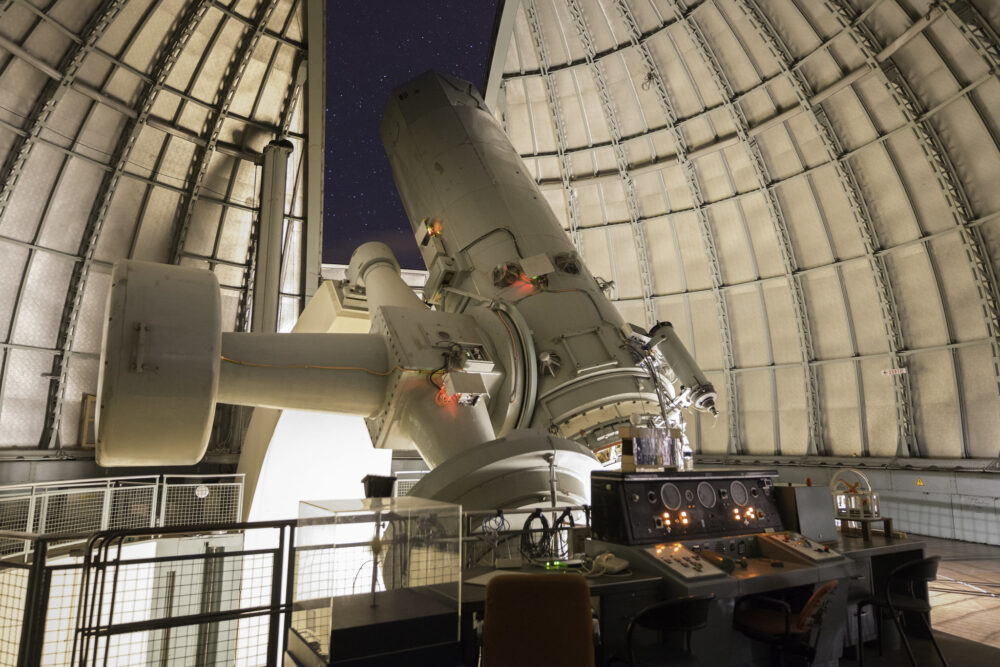
Astronomers are now reviewing every available observation from SOHO, STEREO-A, and ground-based observatories to reconstruct the event. If evidence confirms an explosion, it would be the first recorded case of an interstellar object breaking apart near our Sun.
The findings will likely be published in an upcoming scientific paper after peer review. For now, the mystery of 3I/ATLAS remains one of the most intriguing space stories of the year — a cosmic visitor that may have ended its journey in a blaze of light, millions of miles from home.