
Leaders will meet in Brazil’s Amazon region to decide the planet’s next steps on climate and deforestation.
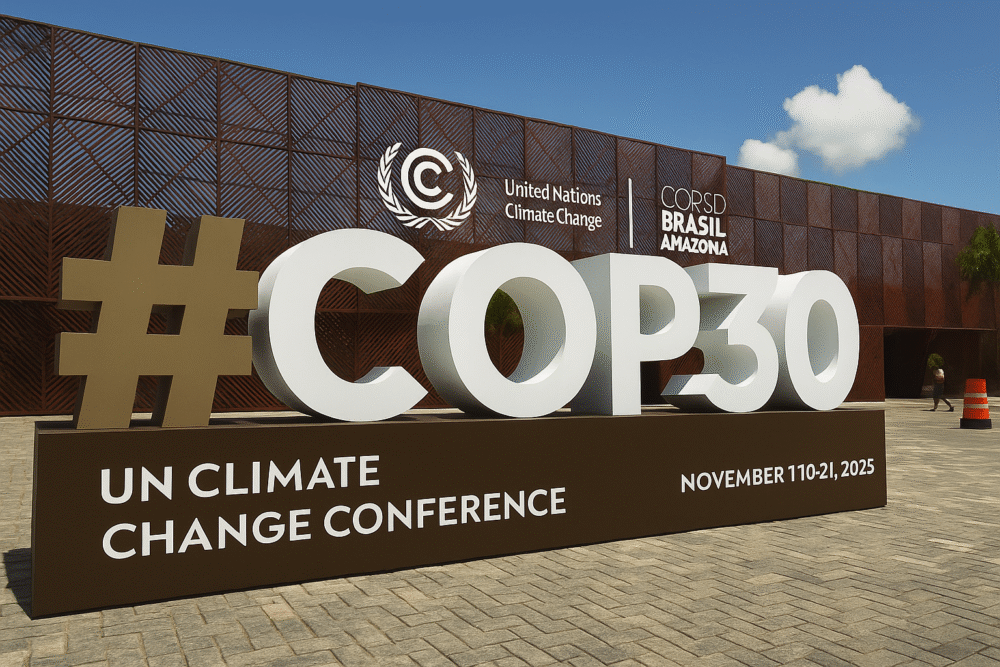
The world’s eyes are turning to Belém, Brazil, as nearly 200 nations prepare for COP30 — short for Conference of the Parties — the United Nations’ annual climate summit. Held in the heart of the Amazon, this year’s meeting will tackle the urgent goals of cutting carbon emissions, protecting forests, and financing adaptation for nations hit hardest by climate change. Scientists warn the talks could be pivotal in determining whether the world can still limit global warming to 1.5°C. For many leaders, COP30 isn’t just another summit — it’s humanity’s deadline for action.
1. What COP Actually Stands For
COP stands for Conference of the Parties — the governing body of the United Nations Framework Convention on Climate Change (UNFCCC). Each year, delegates from nearly 200 countries gather to assess progress in limiting global warming and to negotiate new targets and funding commitments.
The first COP was held in Berlin in 1995, and since then, it has grown into the planet’s most influential environmental forum. COP30 marks the thirtieth such meeting — and it comes at a crucial time, as scientists warn that climate goals set in previous years are slipping out of reach.
2. Why COP30 Is Taking Place in the Amazon
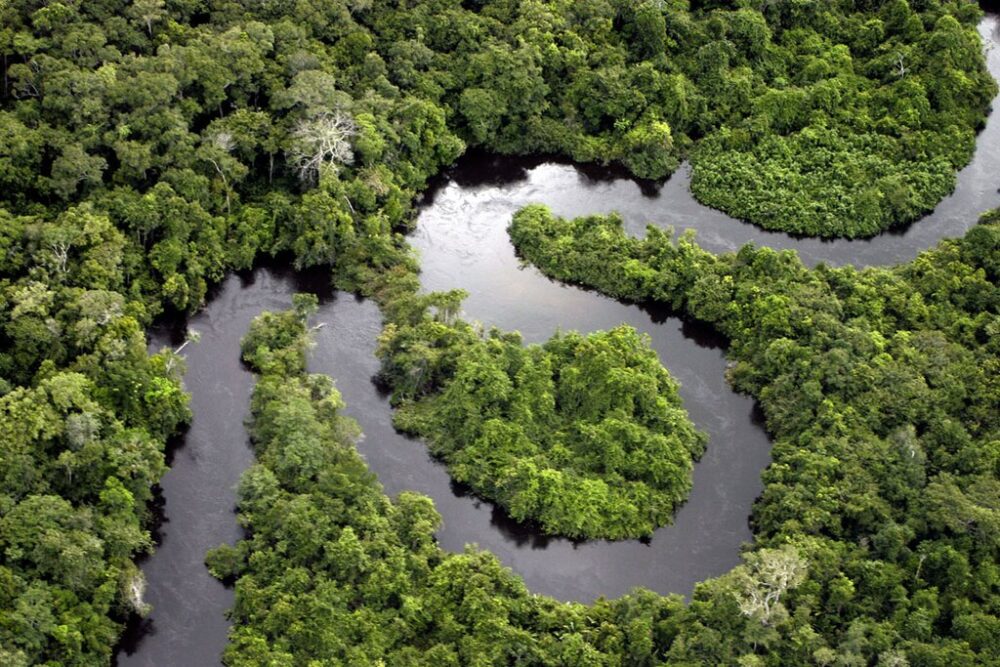
For the first time, the annual climate summit will be hosted in Belém, Brazil — at the edge of the Amazon rainforest. This location was chosen to highlight the world’s largest tropical forest and its vital role in absorbing carbon dioxide and regulating the global climate.
Hosting the summit in the Amazon is symbolic: it puts deforestation, indigenous rights, and sustainable development at the center of global climate talks. Brazil’s government hopes the setting will remind delegates that protecting forests is essential to achieving the Paris Agreement goals.
3. The 1.5°C Goal Is Hanging by a Thread
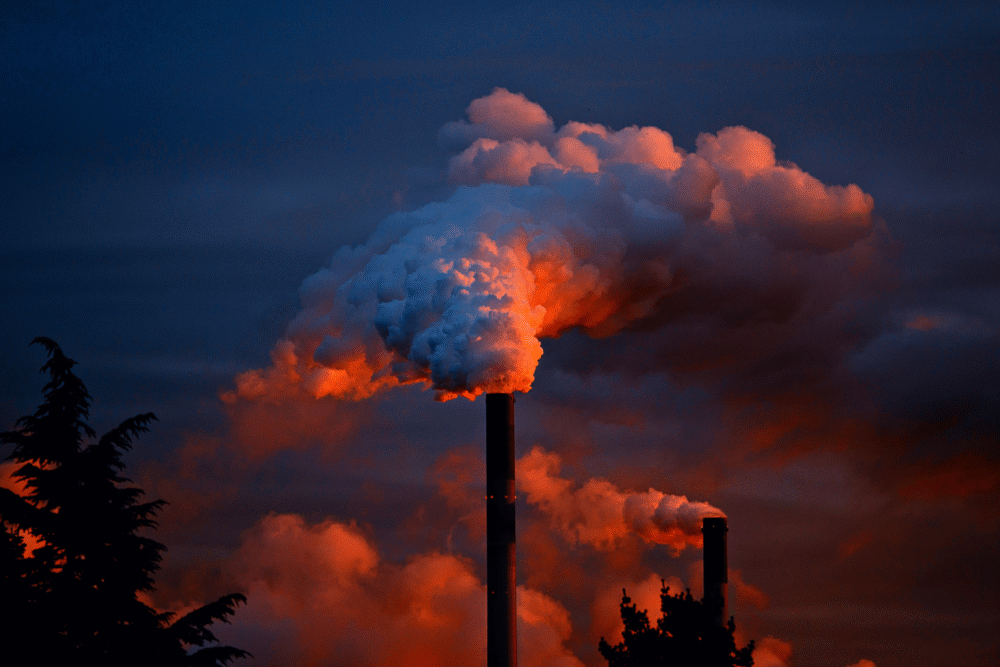
Under the 2015 Paris Agreement, nations pledged to limit global warming to “well below 2°C,” aiming for 1.5°C above preindustrial levels. Yet current policies and emissions put the world on track for roughly 2.7°C of warming by the end of this century.
At that level, scientists warn, heat waves, floods, and droughts will intensify dramatically. COP30 is being billed as the moment for countries to make stronger, verifiable pledges to reduce greenhouse gas emissions — or risk pushing the climate system past a point of no return.
4. Why This Summit Matters More Than Previous Ones
COP30 will mark the first major progress review since the Global Stocktake at COP28 in Dubai, which concluded that current commitments fall far short of what’s needed. Governments are now expected to submit tougher climate action plans by 2025.
This means the Belém summit isn’t just another diplomatic meeting — it’s the first opportunity for countries to demonstrate whether they will actually close the gap between words and action. The outcome will help shape global energy policy for the next decade.
5. The Role of the Global South
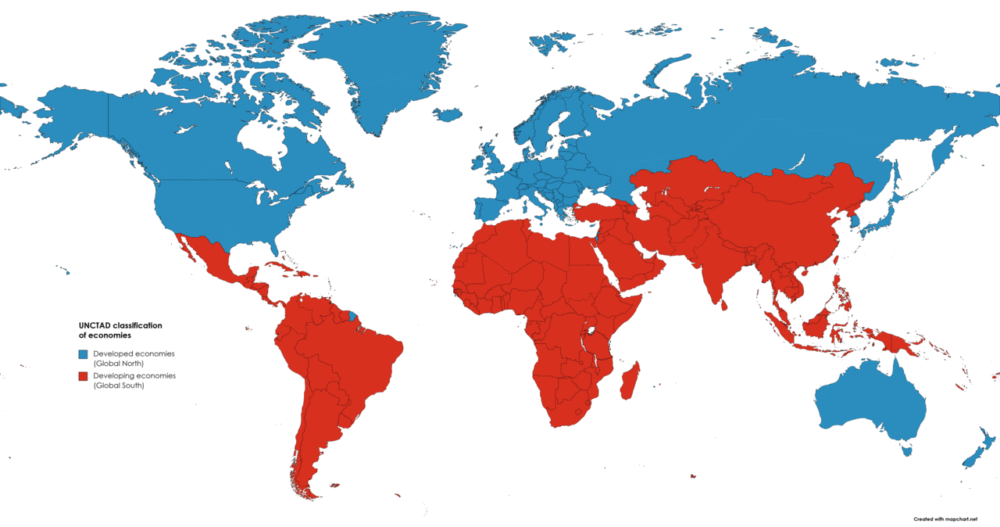
Developing nations — often referred to as the Global South — will take center stage at COP30. Many of these countries face the worst climate impacts despite contributing the least to emissions. They are demanding greater financial support from wealthier nations to adapt, recover, and transition to clean energy.
Brazil, as host, is positioning itself as a bridge between industrialized economies and emerging nations. Delegates expect fierce negotiations over funding, carbon markets, and responsibility for historical emissions — long-standing points of contention in climate diplomacy.
6. Deforestation Will Be a Central Issue
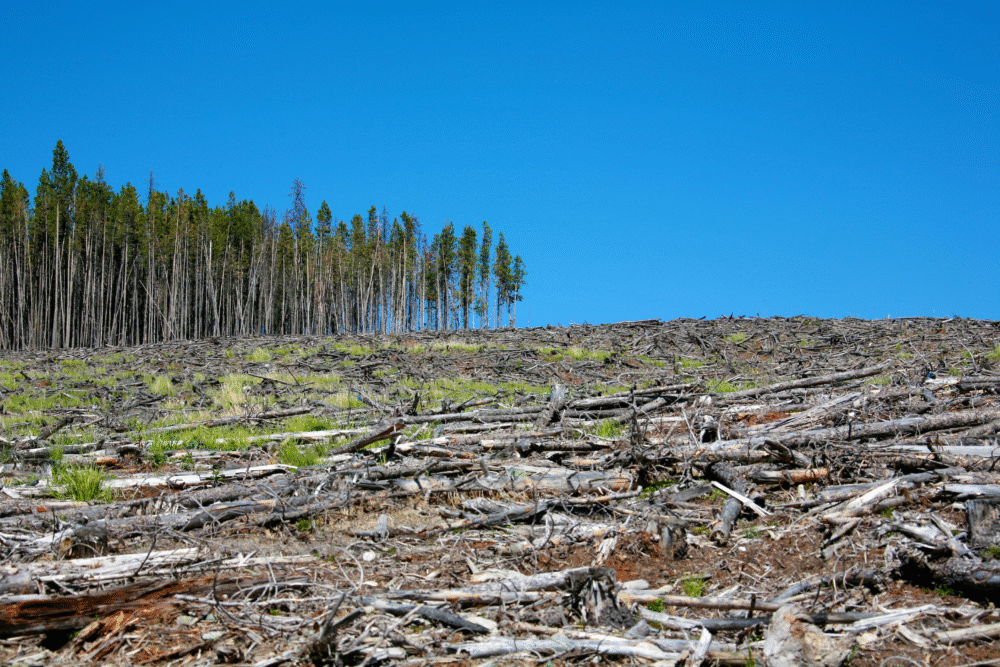
The Amazon rainforest, sometimes called the “lungs of the Earth,” has lost roughly 17% of its area in the past half-century. Deforestation driven by logging, agriculture, and mining has pushed parts of the forest close to an irreversible tipping point.
At COP30, world leaders will discuss strategies to end deforestation by 2030, including incentives for sustainable land use and better protection for indigenous territories. Brazil’s recent progress in slowing deforestation offers hope — but scientists warn that long-term stability depends on enforcing conservation laws and curbing global demand for commodities.
7. Financing Climate Action

A major focus of COP30 will be climate finance — the funding needed to help developing nations cut emissions and adapt to rising temperatures. Wealthy countries have repeatedly pledged $100 billion a year but have yet to consistently deliver that amount.
This year, negotiators will also address a “loss and damage” fund established at COP28 to compensate vulnerable nations for climate-related destruction. How much money flows — and how it’s distributed — will test whether global promises translate into real-world assistance for those already living with the consequences of climate change.
8. The Push to Phase Out Fossil Fuels

One of the most divisive topics at any climate summit is fossil fuels. At COP28, countries agreed to “transition away” from coal, oil, and gas, but stopped short of declaring a full phase-out. Many environmental groups called that language too weak.
COP30 will reignite the debate over how quickly — and fairly — the world can end dependence on fossil fuels. Oil-producing nations are expected to resist aggressive timelines, while others push for clear commitments to renewable energy targets and carbon pricing.
9. How Indigenous Voices Are Shaping the Agenda
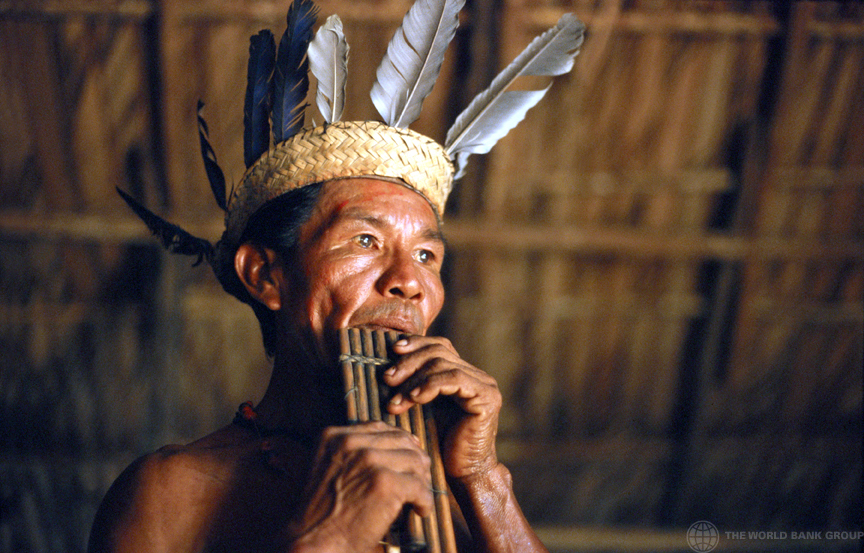
Holding COP30 in the Amazon brings indigenous perspectives to the forefront. Indigenous communities safeguard much of the world’s remaining biodiversity and have deep ecological knowledge vital to conservation and adaptation strategies.
For the first time, indigenous leaders are expected to have a major presence in official panels and policy discussions. Their inclusion highlights a growing recognition that protecting native lands and empowering local communities is not just ethical — it’s one of the most effective ways to preserve ecosystems and stabilize the climate.
10. What Scientists Hope to See from COP30

Climate scientists are calling for concrete commitments, not just political statements. They want measurable national plans, clear timelines, and accountability mechanisms to ensure emissions are actually reduced.
Many researchers emphasize that the next five years will determine whether humanity can keep warming below catastrophic levels. The scientific community views COP30 as a final opportunity to align policy with evidence — before climate feedback loops, such as ice melt and methane release, make global targets unreachable.
11. What’s at Stake for the Planet

If COP30 succeeds, it could mark a historic turning point — one where nations act decisively to stabilize the climate and invest in a sustainable future. But if it fails, experts warn the consequences will unfold for generations: more deadly heat, rising seas, mass migration, and food insecurity.
Belém’s summit is about more than emissions or treaties — it’s about whether global cooperation can still meet the scale of a global crisis. As one delegate put it ahead of the meeting, “The clock hasn’t just started ticking. It’s almost out of time.”