
In a daring Arctic experiment, researchers uncovered a breakthrough that could change how we survive avalanches.

At first glance, it sounds like a stunt no one would agree to — being buried face-down beneath layers of snow for science. But for a team of researchers in Italy, this extreme experiment could hold the key to saving lives in one of nature’s deadliest scenarios. Equipped with specialized monitoring gear, volunteers were completely submerged in snow while scientists measured their oxygen levels and breathing patterns. What the team discovered beneath the ice could revolutionize winter survival — offering new hope for those trapped when the snow itself becomes the enemy.
1. A Frigid Experiment Born From Tragedy

Every winter, avalanches claim hundreds of lives around the world. Most victims don’t die from trauma — they suffocate within minutes as packed snow seals off oxygen. That grim reality inspired a group of European scientists to attempt something extraordinary: a human experiment to simulate what happens beneath an avalanche.
The goal wasn’t shock value but survival. By recreating those harrowing conditions, researchers hoped to test new life-saving technology that could extend the few precious minutes buried victims have before oxygen deprivation becomes deadly.
2. Volunteers Step Into the Cold

In a remote field site in the Italian Alps, healthy volunteers agreed to be buried face-down beneath nearly two feet of snow. Each participant wore a series of sensors measuring heart rate, breathing, and blood oxygen. Their only contact with the surface came through safety teams monitoring every second.
The experience was unsettling but carefully controlled. Researchers emphasized that the study relied entirely on consent and strict safety measures. Despite the eerie quiet beneath the snow, volunteers reported a surprising sense of calm — at least at first.
3. Why Scientists Needed Real People

Computer models and lab tests can’t replicate what it feels like to be trapped in dense, frozen snow where air barely circulates. To understand how oxygen moves — and how to improve survival chances — scientists needed real human data.
The volunteers’ physiological responses provided insights no simulation could match. Their heart rates, oxygen levels, and even anxiety patterns revealed how quickly the body begins to struggle in an air-starved environment. That data became the foundation for testing a new avalanche-safety device designed to deliver air where it’s needed most.
4. The Device That Could Change Everything
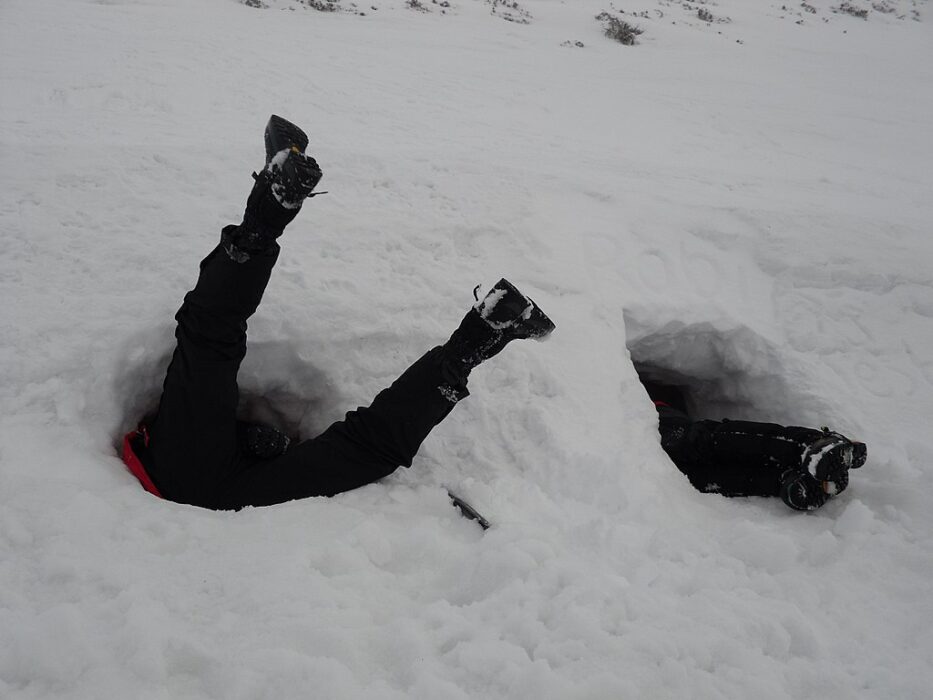
At the center of the study was a prototype backpack equipped with a breathing tube and internal oxygen reservoir. In theory, it channels fresh air toward a buried person’s face, keeping them alive long enough for rescuers to dig them out.
During the trials, some volunteers wore the active version while others used a dummy model for comparison. The results were striking: participants using the real device maintained safe oxygen levels for over 35 minutes — far longer than the typical survival window in an avalanche burial.
5. The Chilling Reality of Being Buried

Even with safety crews nearby, being sealed under snow triggered powerful psychological effects. Darkness, pressure, and the muffled silence of snow created a sensory void that some volunteers described as “claustrophobic and timeless.”
These reactions mimic what actual avalanche survivors report — a panicked struggle for breath and the disorienting loss of direction. Studying those sensations gave scientists a clearer picture of the human limits under snow and helped refine safety devices to reduce panic while maintaining airflow.
6. A Race Against Oxygen Loss
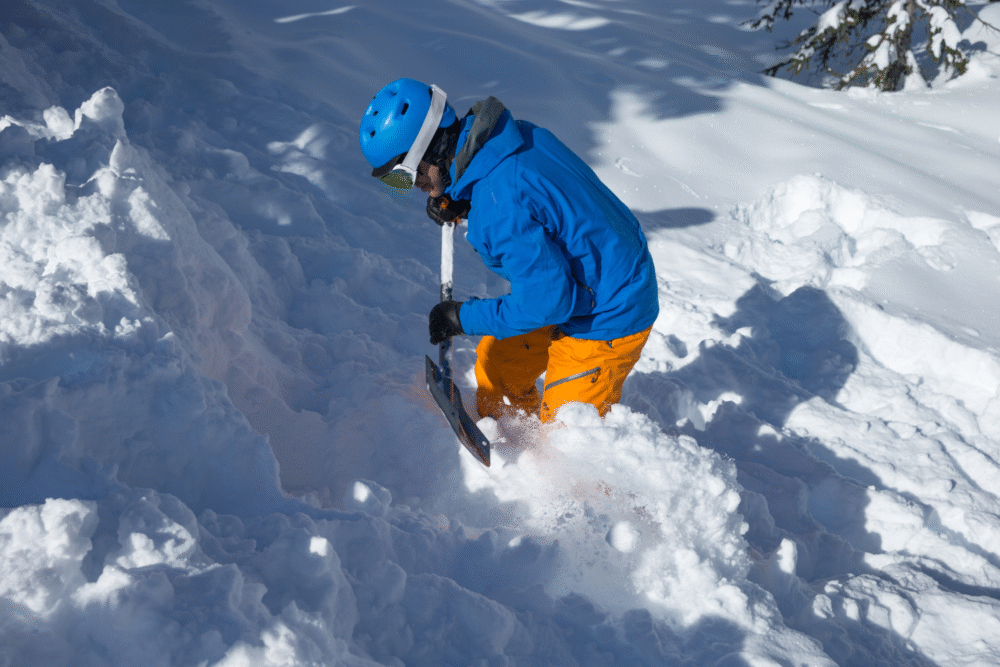
In avalanche rescues, every minute counts. Without a way to breathe, victims often lose consciousness within ten minutes. By fifteen, most are beyond saving. The new device aims to stretch that timeline — buying vital minutes until help arrives.
During the experiment, researchers tracked how oxygen saturation dropped in control subjects versus those with the device. The difference was dramatic: the safety system delayed oxygen loss by more than double the expected time, a potentially life-saving improvement in real avalanche scenarios.
7. What the Study Revealed About Survival

The data confirmed what rescuers have long suspected: air pockets form inconsistently in avalanche debris, and even slight changes in head position can mean the difference between survival and suffocation.
By measuring airflow and carbon dioxide buildup around the volunteers’ faces, scientists gained new insights into how snow density affects breathing. That knowledge could lead to better helmet designs, smarter rescue techniques, and more advanced avalanche-safety gear for climbers and skiers.
8. Facing Fear in the Name of Science
While the experiment was tightly controlled, it pushed the limits of comfort and endurance. Lying motionless in freezing darkness for more than half an hour tested not only physiology but psychology.
Many participants described moments of deep fear followed by a strange calm — an emotional progression that mirrors what avalanche survivors experience. Documenting those reactions helps experts develop training methods to help future victims stay calm and conserve oxygen during entrapment.
9. The Potential to Save Thousands of Lives

Each year, avalanches kill more than 150 people in Europe and North America alone. Many are experienced mountaineers who know the risks but still get caught by surprise. A reliable oxygen system could transform survival rates in these disasters.
Researchers believe their findings mark a turning point in avalanche preparedness. By merging physiology with engineering, they hope to create a compact device that could soon become standard gear for anyone venturing into snow-covered mountains.
10. What Comes Next for Avalanche Research

The Italian field trials were just the beginning. Scientists now plan to test the device in real avalanche conditions and develop lighter, more efficient prototypes for commercial use.
They’re also analyzing how variables like snow density, wind patterns, and terrain affect survival times. The ultimate goal is to combine technology and training — giving rescuers and adventurers the best possible chance when seconds matter most.
11. Beneath the Snow Lies Hope

What started as a chilling experiment turned into a story of innovation and courage. The volunteers who lay buried in silence helped reveal a path toward saving countless lives in the future.
Their willingness to endure fear and cold may ensure that the next person trapped in an avalanche has more than hope — they’ll have time. And in the frozen stillness where every breath counts, that could make all the difference.