
As snow disappears and seasons shift, Olympic athletes are being forced to rethink how they prepare to compete.
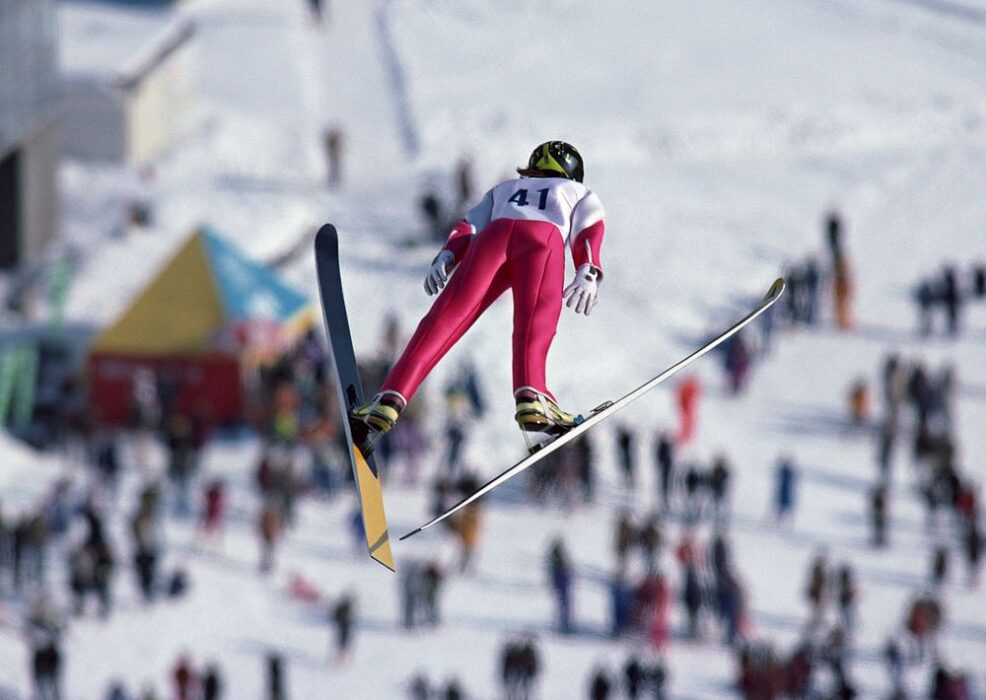
Across the world’s mountain regions, athletes preparing for the Winter Olympics are confronting a new reality—warmer winters and shrinking snow seasons. Training once done on frozen slopes now happens on artificial snow or even indoors as temperatures rise and storms grow unpredictable. Coaches and competitors alike are adapting to the changing climate, testing new technologies and techniques to stay competitive. For many, the challenge isn’t just winning—it’s learning how to train when winter itself is vanishing.
1. Athletes Are Struggling to Find Consistent Snow
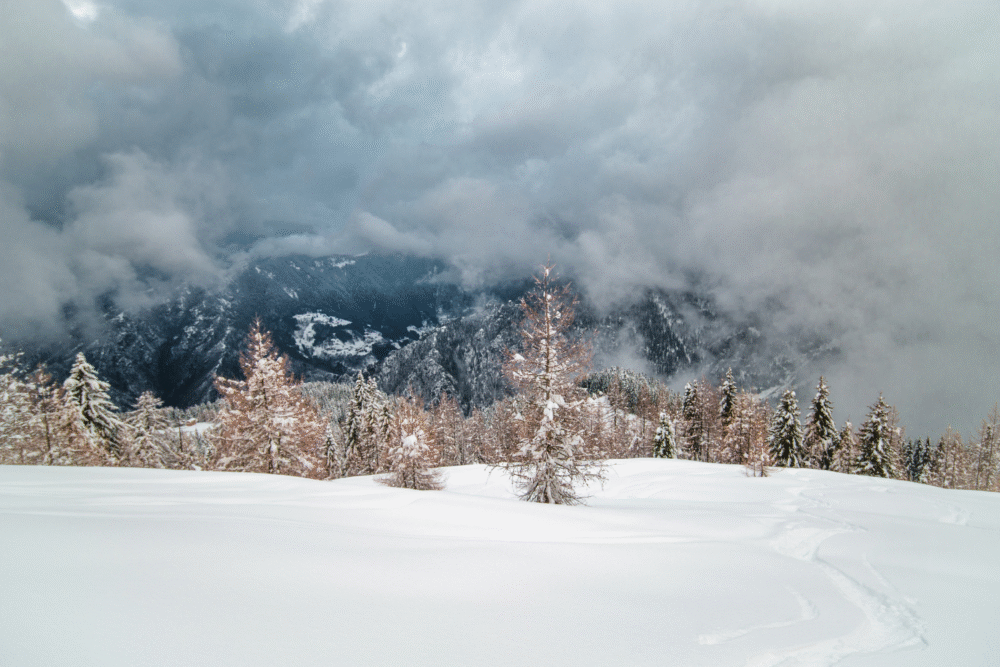
As global temperatures rise, reliable snow cover is disappearing in many of the world’s top winter training locations. Skiers and snowboarders often travel farther or higher in elevation just to find suitable conditions.
Even then, warm spells and rain can melt snowpacks overnight, forcing last-minute changes to schedules. What was once a predictable season has become a logistical puzzle, with athletes constantly chasing the right mix of temperature and terrain to prepare for competition.
2. Artificial Snow Has Become a Training Essential
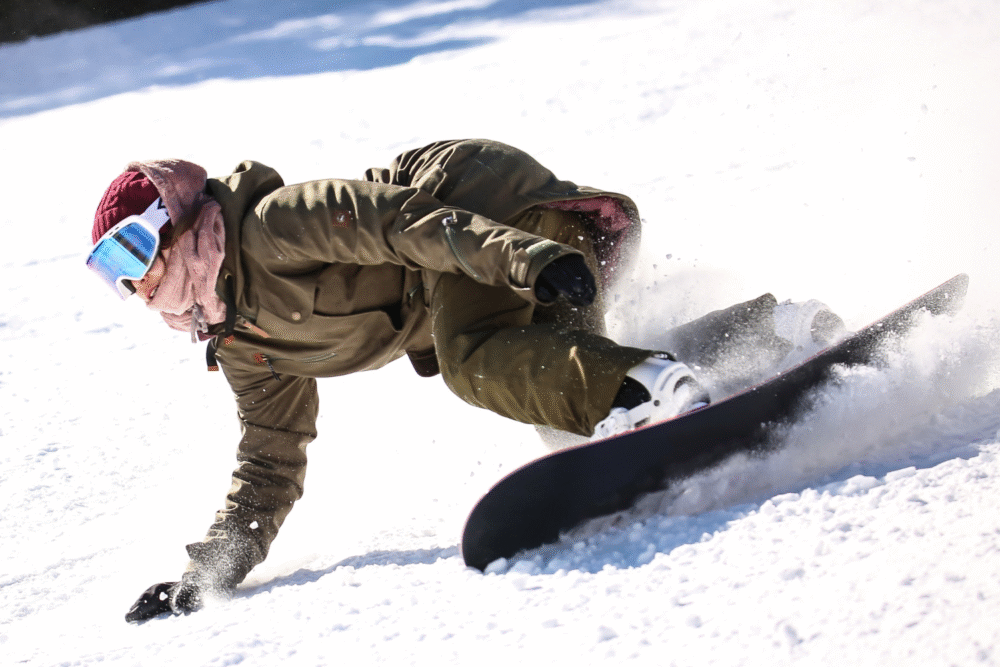
With natural snowfall becoming unreliable, athletes now depend heavily on artificial snow made by high-powered machines. These systems can create usable conditions, but they come with environmental and financial costs.
Producing artificial snow requires enormous amounts of energy and water—resources already strained by climate change. Despite these challenges, many teams have little choice but to rely on man-made snow to maintain consistent practice surfaces as winters continue to warm.
3. Shorter Winters Mean Condensed Training Seasons
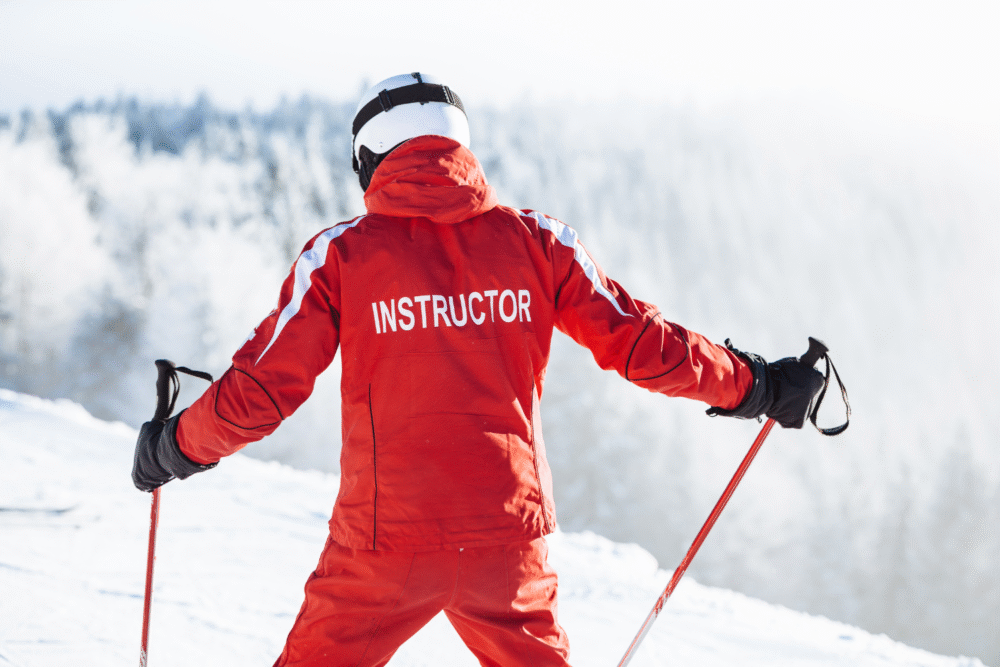
Decades ago, winter sports training stretched for months, but shorter cold seasons have changed that. Athletes now face a compressed timeline to perfect their performance.
Coaches must adapt by planning more intensive sessions in fewer weeks, which can increase fatigue and risk of injury. Many now balance high-intensity on-snow training with alternative exercises indoors, hoping to make up for the lost days outdoors that once defined the winter calendar.
4. Indoor and Dryland Training Are Filling the Gaps
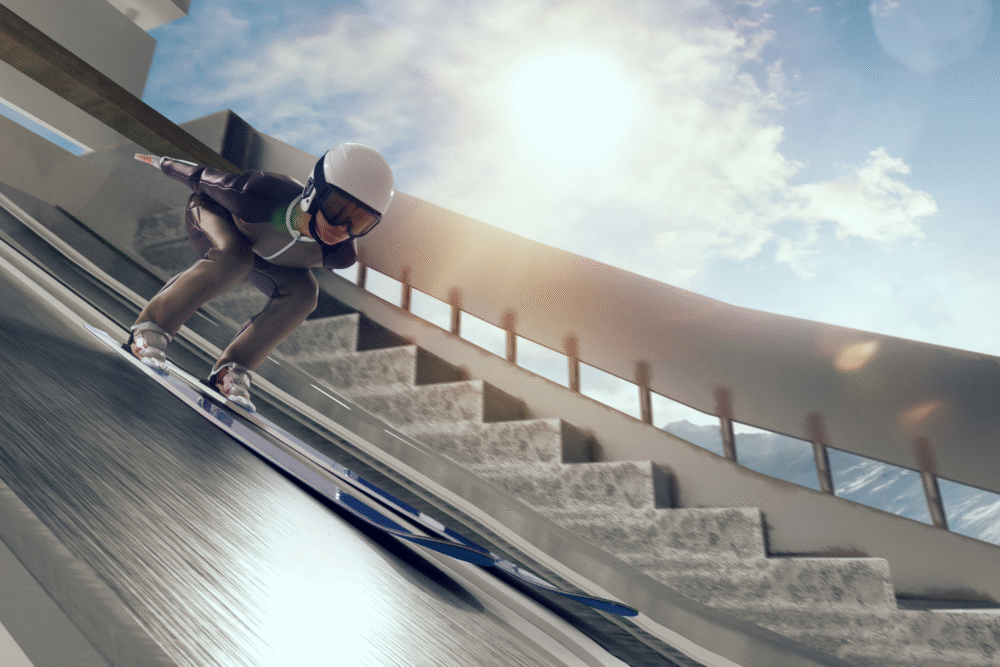
When outdoor conditions fail, athletes move indoors. Skiers and skaters are spending more time on treadmills, simulators, and strength equipment that mimic the demands of their sports.
Dryland training—using resistance, agility, and coordination drills—has become a crucial way to stay fit when snow is scarce. These sessions can’t replace the feel of ice or snow, but they help maintain endurance and precision until athletes can return to real conditions.
5. Traditional Winter Training Hubs Are Losing Their Edge

Famous cold-weather destinations in Europe and North America are no longer guaranteed training havens. Glaciers that once supported year-round skiing are shrinking rapidly, and lower-elevation resorts face unreliable conditions.
This shift has prompted teams to scout new locations, including higher peaks and countries farther north. Some facilities are even moving operations indoors or investing in refrigerated slopes. It’s a costly adaptation that underscores how much the environment has changed since previous Olympic cycles.
6. Altitude and Latitude Now Play a Bigger Role
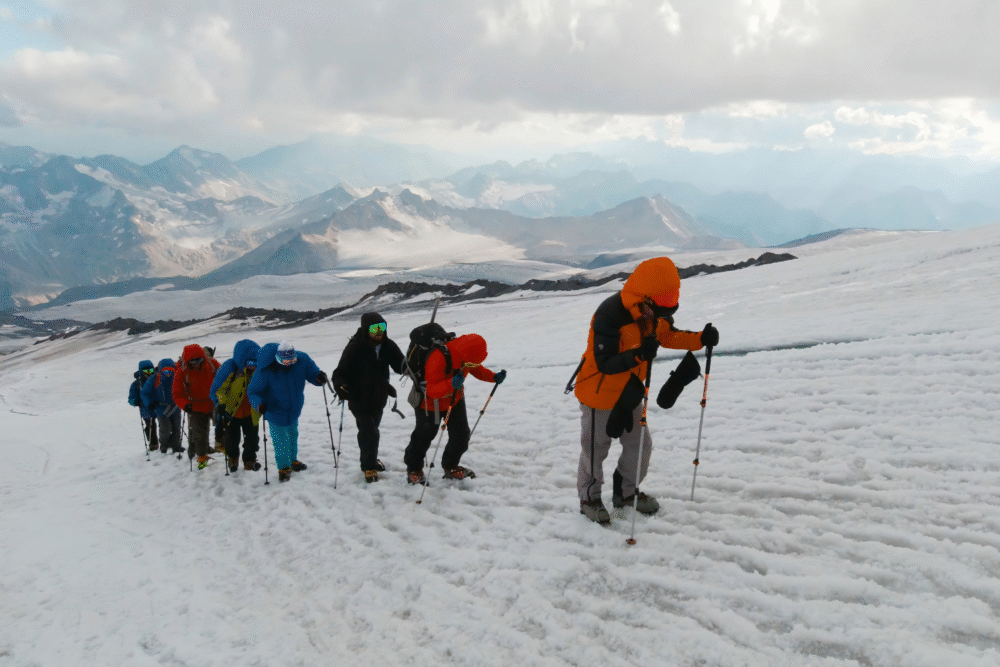
Choosing where to train has become a strategic decision shaped by climate as much as competition. Higher altitudes and more northerly latitudes are increasingly favored for their colder, more stable conditions.
However, training at high elevations brings its own challenges, including thinner air and logistical hurdles. Coaches must carefully manage athletes’ recovery and acclimation times to avoid fatigue. Despite these obstacles, many now consider altitude a necessary trade-off for reliable snow.
7. Warming Conditions Affect Performance and Safety
Higher temperatures don’t just change where athletes train—they affect how the body performs. Warm air softens snow and ice, altering traction, glide, and stability.
These subtle changes can increase the risk of falls and injuries, especially in sports like alpine skiing and speed skating. Many competitors now adjust their techniques, gear, and wax formulas to cope with slushier surfaces and faster melt rates that once were rare during training seasons.
8. Climate Change Is Expanding the Cost of Preparation
Adapting to climate instability comes with a hefty price tag. Teams spend more on travel, snowmaking, and new technologies to simulate natural conditions.
Developing nations, in particular, face growing financial barriers to winter sports participation. The widening resource gap means that wealthier teams with access to artificial environments may gain an even greater advantage—raising questions about fairness in a warming world.
9. Coaches Are Rethinking Training Science

To counter unpredictable weather, coaches are developing new year-round regimens that emphasize flexibility. Instead of fixed schedules, they monitor forecasts and adjust workouts based on changing conditions.
Some use climate modeling tools to predict when and where training will be most effective. Others focus on hybrid routines that combine strength, balance, and endurance training. This adaptive approach marks a major shift in how Olympic-level preparation is planned and executed.
10. Athletes Are Becoming Advocates for Climate Action
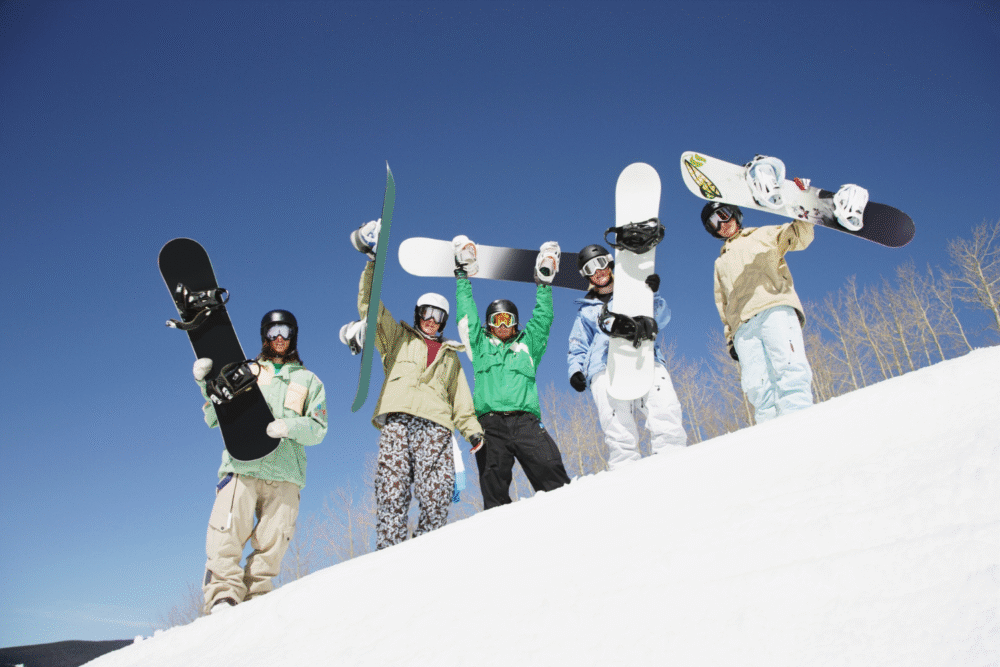
As they see the impact firsthand, many winter athletes have become outspoken about climate change. They’ve joined campaigns and spoken publicly about the threat to their sports and livelihoods.
Groups like Protect Our Winters and other athlete-led organizations urge fans and policymakers to reduce carbon emissions. Their message is simple but urgent: preserving the future of winter sports means protecting the planet’s remaining cold regions before they vanish entirely.
11. The Future of Winter Sports Depends on Innovation

Looking ahead, the sustainability of winter athletics will depend on new ideas and technologies. From biodegradable snow additives to low-energy refrigeration systems, innovation is becoming as important as skill on the slopes.
Some Olympic committees are exploring “climate-proof” venues and tighter environmental standards for host cities. While uncertainty remains, athletes and scientists agree on one point—adapting to a changing climate isn’t optional anymore; it’s the only way the Winter Games can survive.