
Scientists say rising heat, pollution, and stress on the planet may weaken immune responses, increasing disease risk.
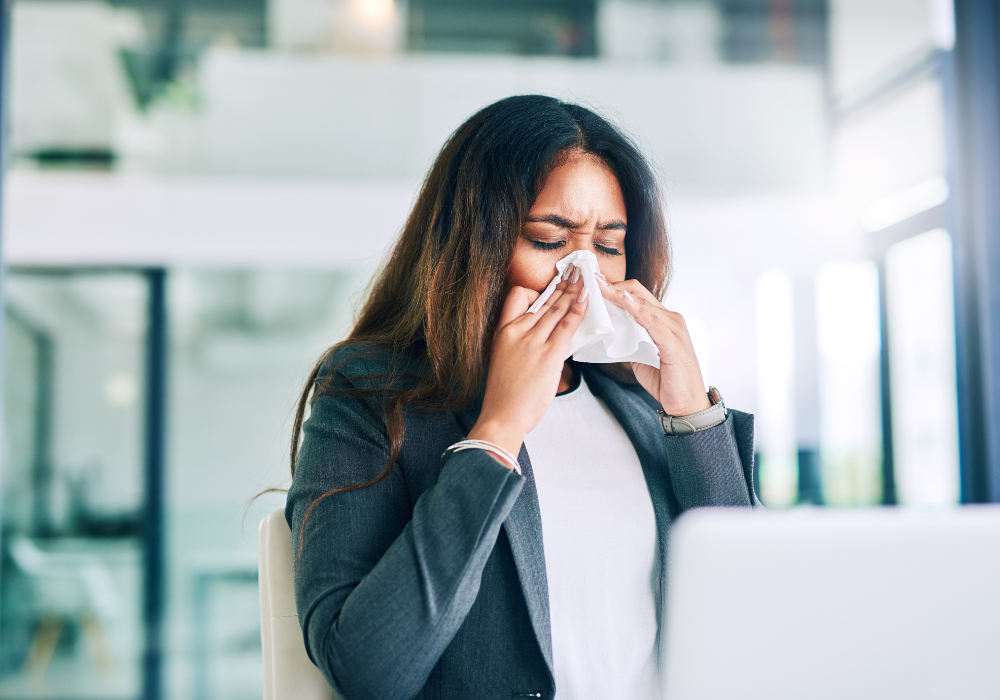
Climate change isn’t just reshaping the planet—it’s affecting our bodies in ways scientists are only beginning to understand. New research shows that rising global temperatures, worsening air pollution, and changes in ecosystems are weakening the human immune system. Heat stress, nutrient loss in crops, and exposure to new pathogens all play a role. Experts warn this could make populations more vulnerable to infections, allergies, and chronic illness as the planet continues to warm.
1. Rising temperatures can weaken the body’s ability to fight infections.

As global temperatures climb, the human body faces new challenges. Warmer climates can promote the growth of pathogens, leading to more frequent infections. This rise in temperature not only stimulates bacteria and viruses but also weakens the body’s defenses against them.
Increased infections put additional pressure on the immune system, demanding it to work harder. This long-term stress can result in diminished resilience to diseases, making people more susceptible to common illnesses. Individuals may experience prolonged viral infections, requiring more recovery time and increasing overall health risks.
2. Increased air pollution from climate change stresses the respiratory system.
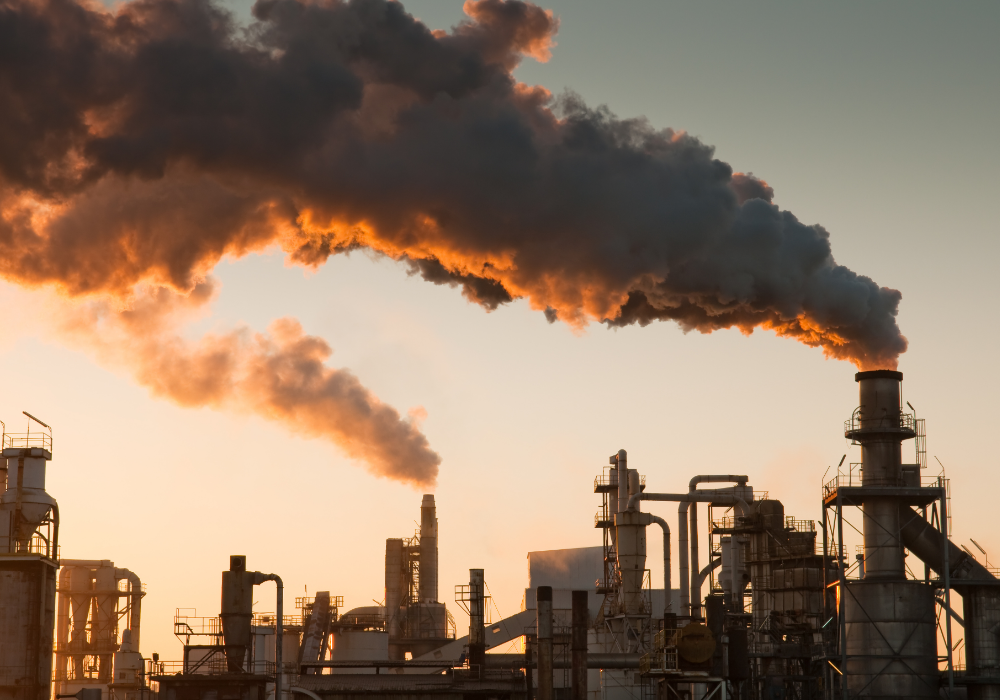
Air quality suffers significantly from climate change, with pollution levels rising in many areas. This increase places additional stress on the respiratory system, making it harder for immune defenses to operate effectively. Pollutants like ozone and particulate matter can irritate lung tissues, exacerbating respiratory conditions.
Compromised respiratory systems are less able to fend off pathogens. Those living in highly polluted areas often experience a higher incidence of asthma and bronchitis, illustrating how chronic exposure to pollutants can weaken immune responses over time. The interplay of pollution and health continues as a critical concern.
3. Changes in humidity levels may disrupt natural immune defenses.

Shifts in humidity affect how the immune system functions. Drier air can dry out mucous membranes, which serve as the body’s first line of defense. Conversely, higher humidity levels might favor the growth of mold and other allergens, potentially overwhelming immune defenses.
Adapting to these changes, the immune system may become more sensitive or sluggish, impairing its normal operation. Such environmental shifts can lead to heightened allergenic responses or increased vulnerability to infections, complicating routine health maintenance and necessitating new adaptive strategies.
4. Greater exposure to allergens can trigger harmful immune reactions.
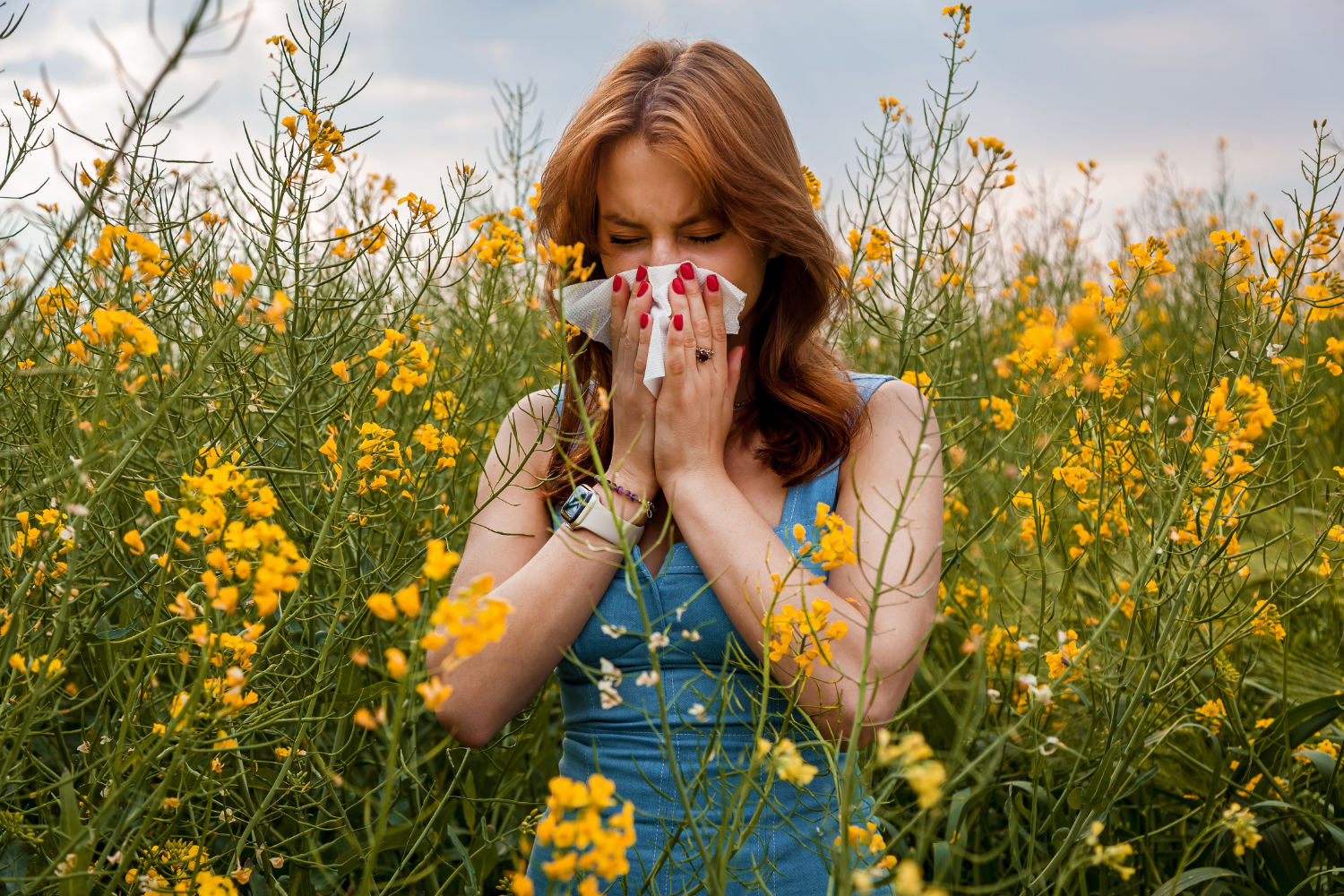
Outdoor allergen levels fluctuate with climate changes, exposing individuals to more potent allergens. These heightened exposures can provoke increased immune activity, sometimes leading to excessive inflammatory reactions. Pollen counts, for instance, may rise as plant growth seasons extend and intensify.
This ongoing exposure to allergens can overload the immune system, triggering issues like allergic rhinitis. Overactive immune responses not only affect daily comfort but also divert energy and resources from fighting other infections, creating a complex health landscape in ever-changing environmental conditions.
5. Climate-driven shifts in disease patterns challenge immune adaptation.

Shifting disease patterns driven by climate change pose adaptation challenges for the immune system. As pathogens migrate to new regions, humans encounter unfamiliar strains, challenging their pre-existing immune defenses. Diseases that were once rare may become commonplace in previously unaffected areas.
These emerging disease patterns necessitate swift immune adaptation, as new strains might not match up with the immune system’s historical responses. Consequently, people experience delayed or reduced immune responses, making population-wide health management a difficult task in combating novel epidemics.
6. Extreme weather events increase physiological stress, impairing immunity.

Extreme weather events create significant physiological stress, impacting immune function. Natural disasters like hurricanes and heatwaves can displace populations, disrupt health services, and lead to exhaustion, factors that weaken immune defenses. Rapid shifts between temperature extremes also strain bodily systems.
Stress from these situations reduces the immune system’s efficiency, leaving individuals vulnerable to both minor infections and major diseases. Community health infrastructure, often stretched thin after disasters, can exacerbate these effects by limiting access to medical care and necessary recovery resources, prolonging immunological vulnerabilities.
7. Altered nutrition availability due to climate impacts weakens immune response.

Climate-induced degradation of agriculture impacts nutrition availability. Reduced access to diverse foods can lead to nutrient deficiencies, impairing the immune system. Malnutrition weakens the body’s natural defenses, making it more difficult to fend off infections and recover from illnesses effectively.
Food scarcity impedes immune function, as insufficient vitamins and minerals compromise cellular regeneration and repair processes. This shift may have lasting effects on communities already vulnerable to climatic changes, underscoring the critical ties between a stable food supply and robust immune health.
8. Expansion of vector-borne diseases leads to increased immune system burden.

Vector-borne diseases expand as climate change extends the habitats of many carriers like mosquitoes and ticks. This expansion increases exposure to pathogens, such as those causing malaria and Lyme disease, which can overwhelm the immune system’s capacity for response.
Increased disease prevalence and variety force the immune system to perform continuously, potentially leading to fatigue and reduced effectiveness. Communities previously unaccustomed to these health threats face significant challenges, as immune systems must adapt quickly to counter both new and intensified disease pressures.
9. Airborne particulate matter from wildfires can cause chronic inflammation.
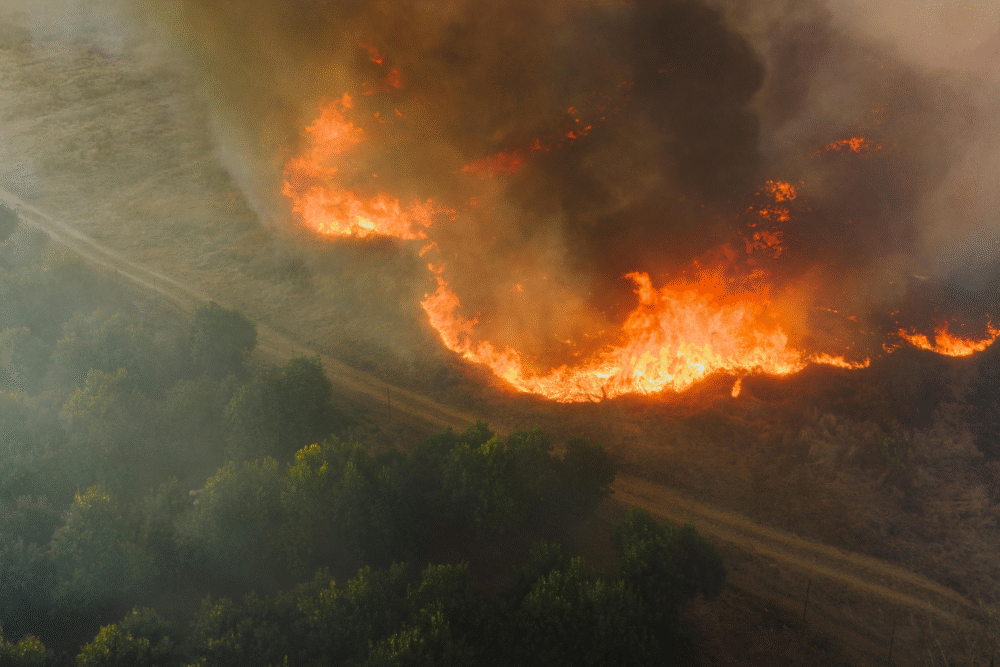
Particulate matter from wildfires contributes to chronic inflammation by lodging into lung and bloodstream areas, disrupting normal immune function. This airborne threat becomes especially prevalent as climate change increases the frequency and intensity of wildfires worldwide.
Chronic exposure to particulates can lead to sustained inflammatory responses, wearing down immune system efficiency. Long-term inflammation effects might include conditions like respiratory illnesses or cardiovascular diseases, affecting vulnerable populations even more acutely, highlighting the need for ongoing environmental health assessments.
10. Rising CO2 levels may affect the body’s inflammatory processes.

Elevated CO2 levels can influence inflammatory processes within the body, although the mechanisms remain complex. Greenhouse gases can alter the chemical balance of the atmosphere, indirectly affecting respiratory health and inflammation regulation over prolonged periods.
Persistent inflammation might be exacerbated, complicating typical immune responses and recovery processes, which are vital for maintaining health. These subtle changes illustrate how gradual, ambient shifts can produce unexpected impacts, requiring continual scientific investigation to fully understand the evolving climate-health relationship.
11. Water contamination and scarcity reduce the body’s infection resistance.

Water contamination and scarcity, intensified by climate disturbances, reduce the body’s ability to fend off infections. Parasites and bacteria thrive in compromised water sources, challenging immune defenses to manage increased burdens and lowering overall resistance.
Scarcity of clean water forces many to resort to unsafe alternatives, further taxing immune systems already vulnerable due to decreased hydration and less effective flushing of toxins. As health systems are pressured by climate changes, clean water access remains a fundamental determinant of communal immunological resilience.
12. Disrupted sleep patterns from climate stress negatively impact immunity.

Disruption in sleep patterns from climate stress, such as increased temperature and nighttime noise, negatively impacts immunity. Sufficient rest is crucial for immune regulation, and frequent disturbances can disturb these processes, reducing the body’s capacity to recover and repair.
Chronic sleep deprivation weakens immune responses, often leading to higher susceptibility to infections and slower recovery times. This aspect of climate-induced stress emphasizes the intricate web of lifestyle factors that contribute to overall health, needing mindful attention as environmental conditions continue to change.