
Scientists warn that deforestation is increasing disease outbreaks by disrupting ecosystems and driving wildlife closer to humans.
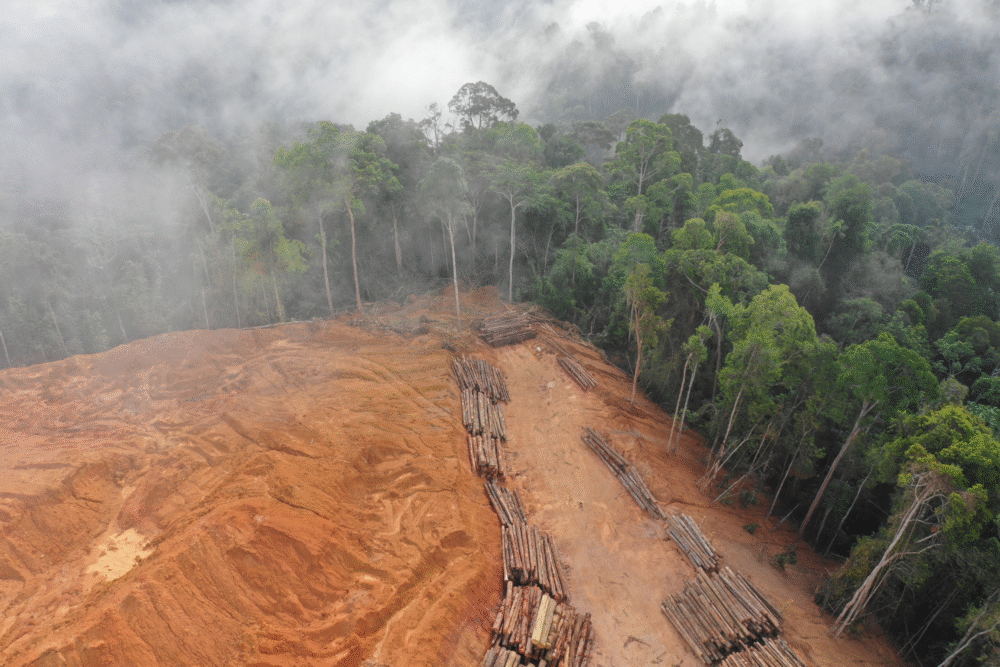
As forests disappear, scientists say the risks to global health are growing. Deforestation doesn’t just destroy habitats—it alters the balance between humans, animals, and pathogens. Studies show that clearing forests for agriculture and development exposes people to new diseases carried by displaced wildlife, including viruses linked to Ebola, malaria, and COVID-like outbreaks. Combined with loss of biodiversity and rising temperatures, these changes are creating the perfect conditions for future pandemics and worsening public health crises worldwide.
1. Deforestation Is Accelerating Worldwide
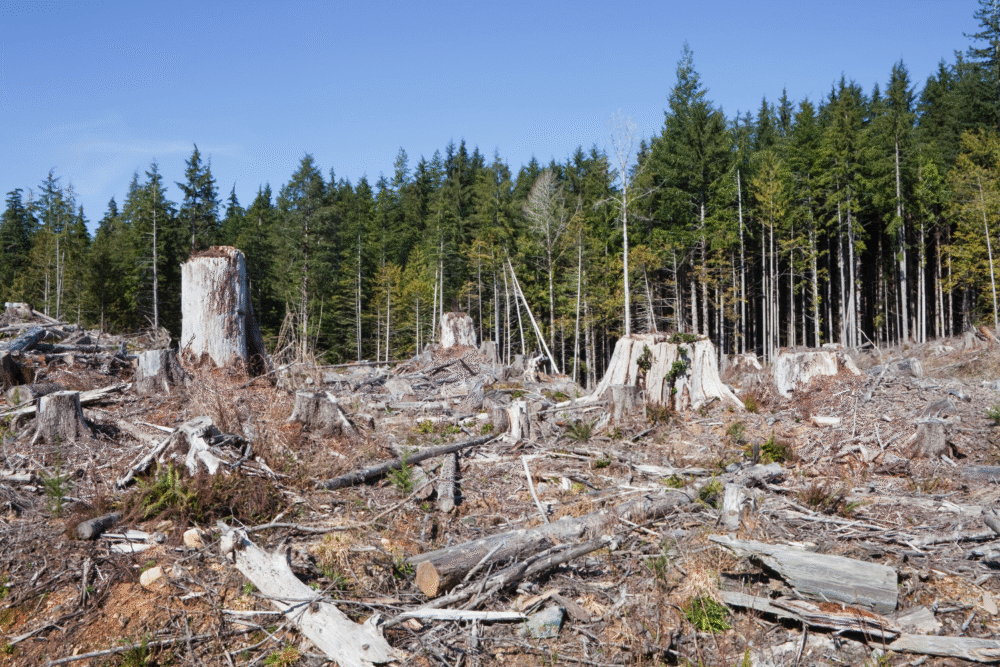
Earth loses an estimated 10 million hectares of forest each year, according to the United Nations Food and Agriculture Organization. Much of that loss comes from logging, mining, and expanding farmland for cattle, soy, and palm oil.
As trees vanish, the ecosystems that regulate climate and disease patterns collapse. Scientists say this large-scale deforestation isn’t just an environmental tragedy—it’s increasingly a human health crisis that connects local land-use changes to global outbreaks.
2. Forest Loss Brings Humans Closer to Disease Reservoirs
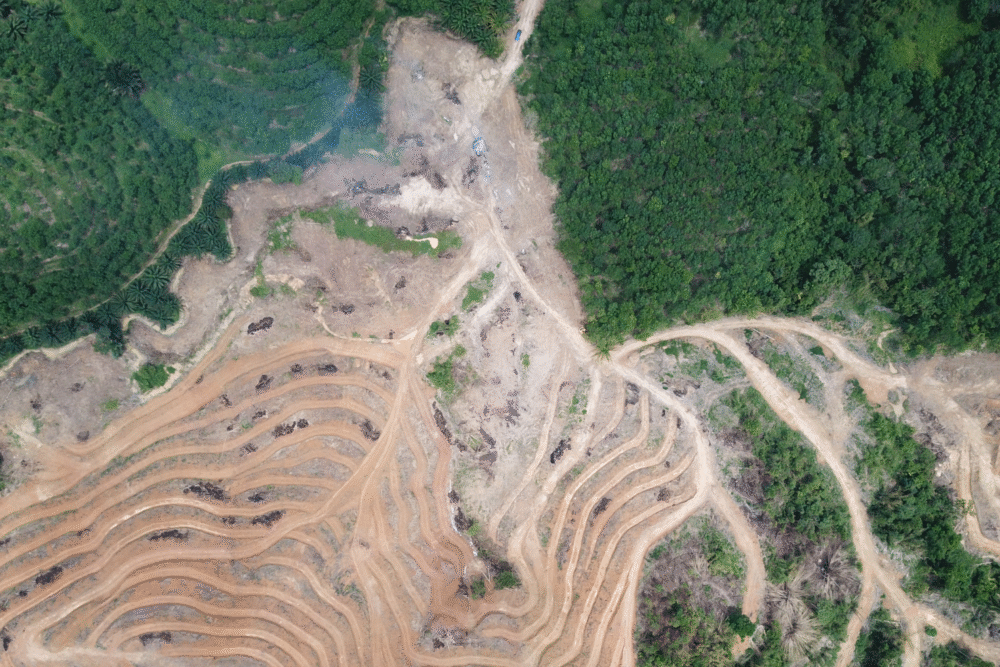
When forests are cleared, humans, livestock, and wild animals are pushed into the same shrinking spaces. This increases the likelihood of zoonotic spillover—when viruses or bacteria jump from animals to humans.
More than 60% of emerging infectious diseases originate from wildlife. By cutting deeper into tropical forests, people are coming into contact with species that carry novel pathogens, including bats, primates, and rodents—many of which host viruses capable of infecting humans.
3. Recent Outbreaks Have Links to Forest Destruction

Epidemics such as Ebola in West and Central Africa and malaria surges in South America have been directly tied to deforestation. In both cases, clearing forested land changed the movement of wildlife and mosquitoes, bringing disease vectors closer to people.
A 2023 study in Nature found that deforestation rates were the single strongest environmental predictor of disease emergence in tropical countries. Experts say the evidence is now overwhelming: destroying forests increases our exposure to pathogens that once stayed hidden in nature.
4. Mosquitoes Thrive in Cleared Landscapes
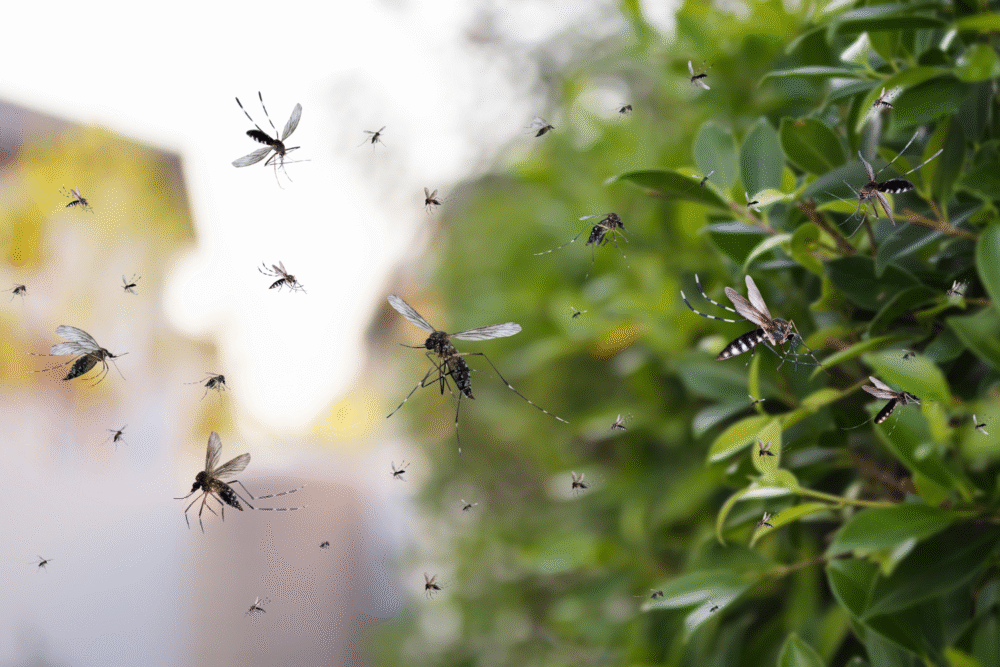
Forests naturally limit mosquito populations by providing shade, predators, and balanced humidity. Once cleared, these areas become sunlit and stagnant—ideal breeding grounds for mosquitoes that carry malaria, dengue, and Zika.
Researchers in Brazil and Indonesia have documented up to a threefold increase in malaria cases after forest clearing. Without tree cover, temperatures rise and standing water collects in ruts left by heavy machinery, creating perfect conditions for vector-borne diseases to spread.
5. Biodiversity Loss Weakens Nature’s Disease Buffer
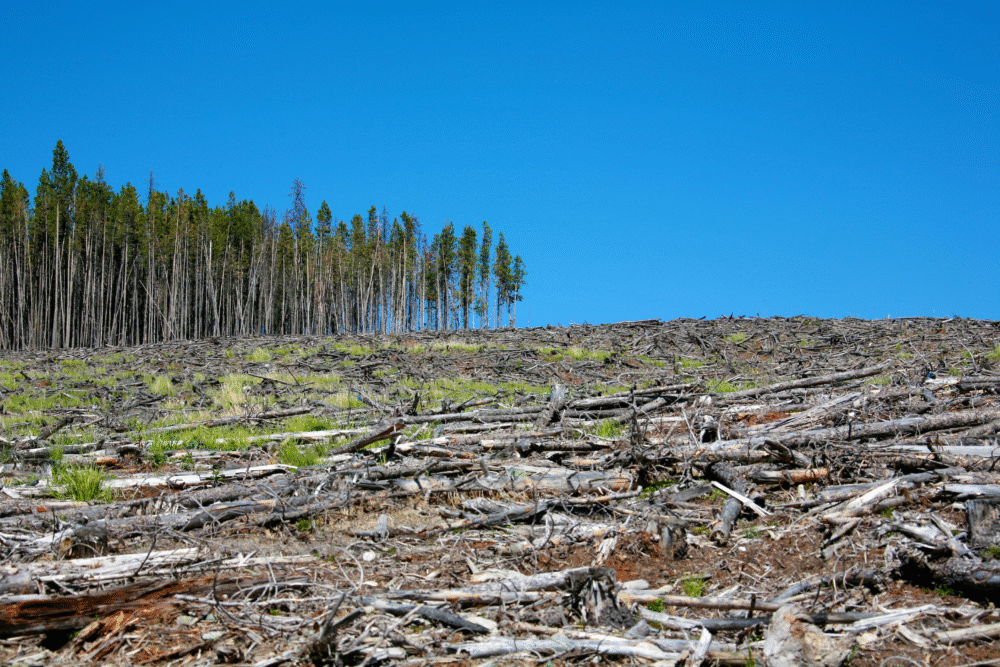
Healthy ecosystems keep diseases in check through what scientists call the “dilution effect.” When biodiversity is high, disease-carrying species are outnumbered by others that don’t transmit infections, lowering the risk of outbreaks.
Deforestation removes this natural defense. As forests are fragmented, resilient carriers—like rodents and bats—become dominant. These species thrive in disturbed environments and act as disease reservoirs, amplifying the risk of transmission to humans and livestock.
6. Deforestation Disrupts Climate and Immune Health
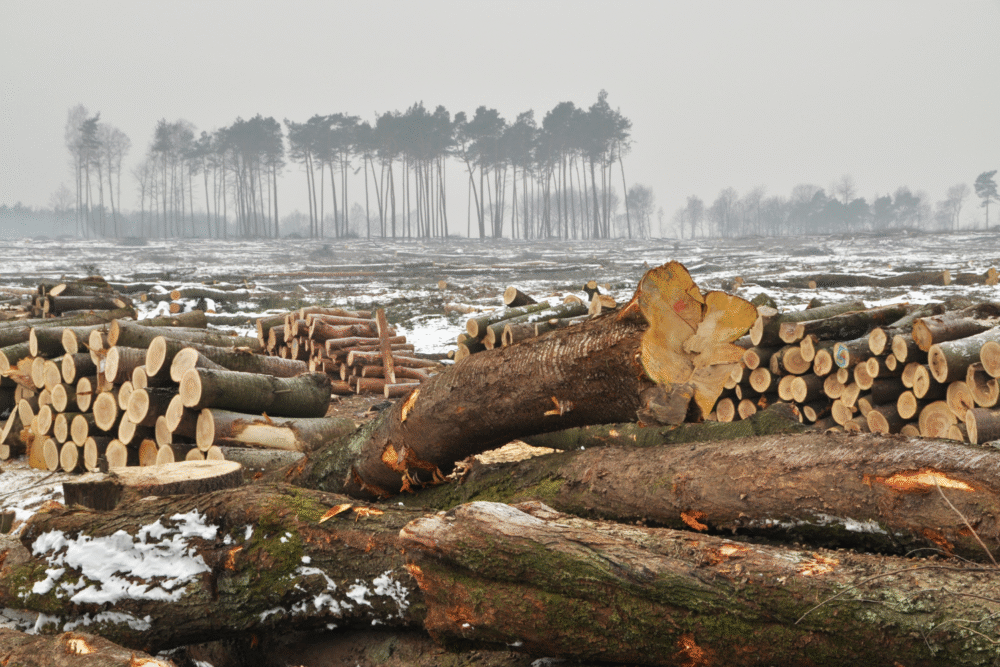
Forest loss doesn’t only spread pathogens—it also alters global climate patterns that influence human health. As deforestation accelerates warming, more people face extreme heat, food insecurity, and air pollution, which can weaken immune systems.
Dust and smoke from burning forests release fine particulate matter that penetrates deep into the lungs. Studies show that this pollution increases respiratory illnesses and makes populations more vulnerable to infectious diseases, including influenza and COVID-19.
7. Agricultural Expansion Is the Leading Driver
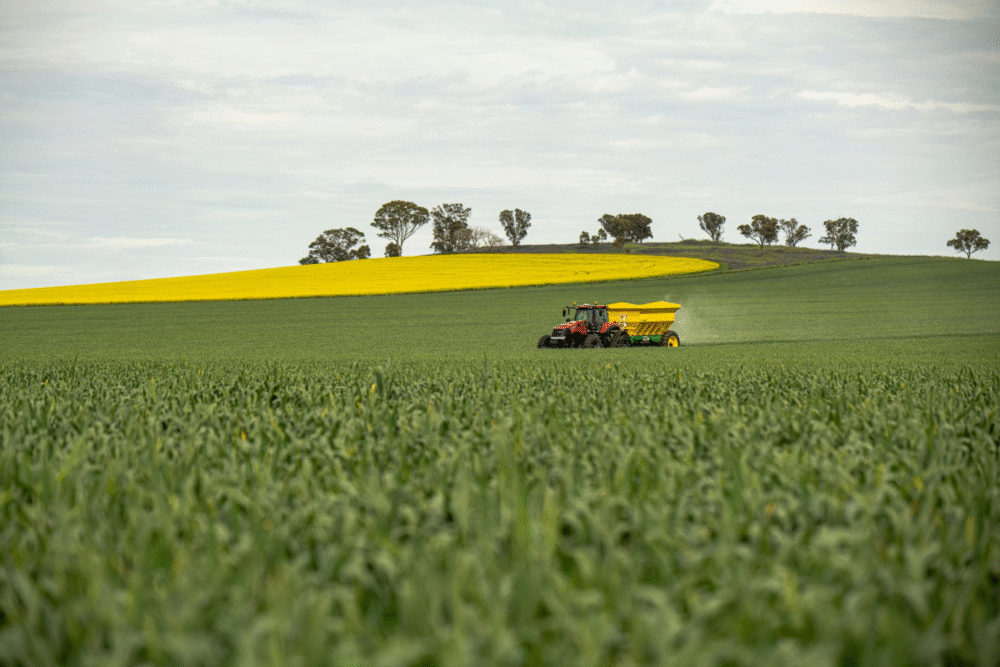
Over 80% of global deforestation stems from agricultural expansion—especially cattle ranching and large-scale monocrops like soy and palm oil. These industries often clear land faster than governments can regulate or restore it.
Scientists warn that the short-term economic gains from expanding farmland pale compared to the long-term health costs. The combination of land-use change, livestock exposure, and chemical use creates a “perfect storm” for both zoonotic disease and environmental degradation.
8. Forest Fragmentation Makes Outbreaks Harder to Contain
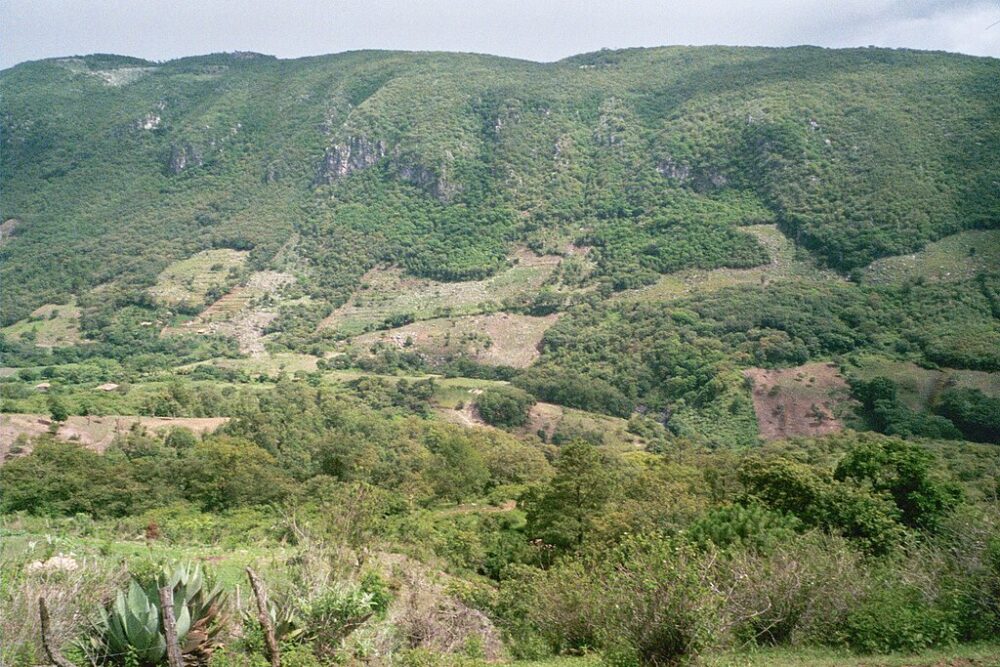
When forests are broken into isolated patches, humans and animals are forced to move more frequently between them, spreading pathogens over greater distances. This fragmentation also makes it harder to monitor wildlife health or detect outbreaks early.
Epidemiologists say fragmented landscapes act as corridors for disease transmission. Viruses that once burned out in remote ecosystems can now move quickly through human populations, aided by transportation networks and expanding rural settlements.
9. Reforestation and Conservation Could Save Lives
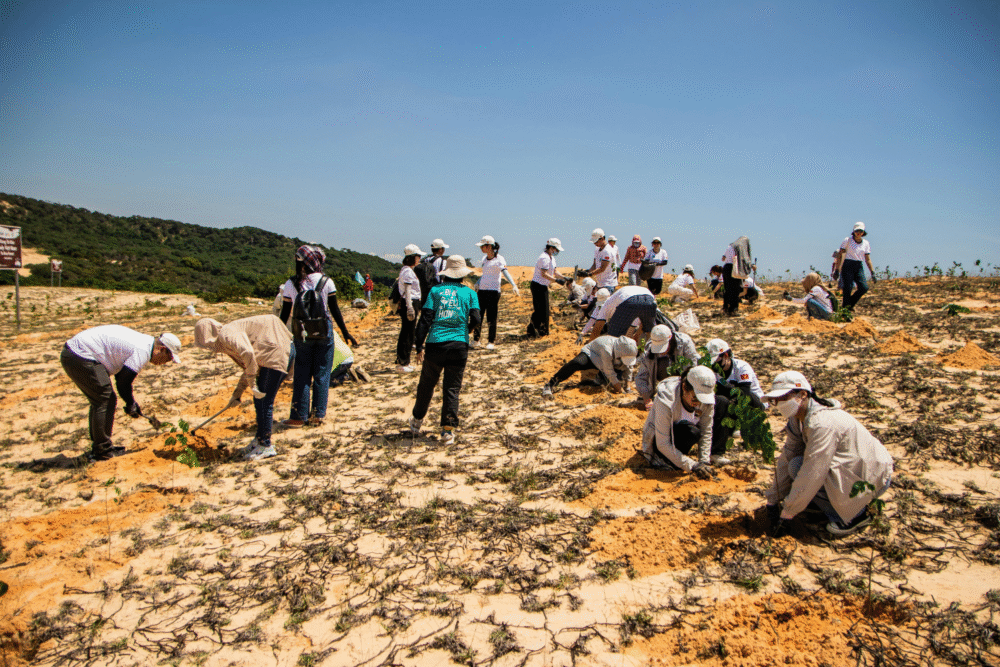
Replanting trees and protecting existing forests don’t just store carbon—they protect public health. Reforestation helps restore ecological balance, cooling the air, stabilizing rainfall, and reducing contact between humans and disease-carrying wildlife.
Programs in Costa Rica and Rwanda show that communities involved in forest restoration experience fewer outbreaks of vector-borne diseases. Experts say combining conservation with sustainable livelihoods is one of the most effective ways to reduce both poverty and pandemic risk.
10. Protecting Forests Is Now a Public Health Priority
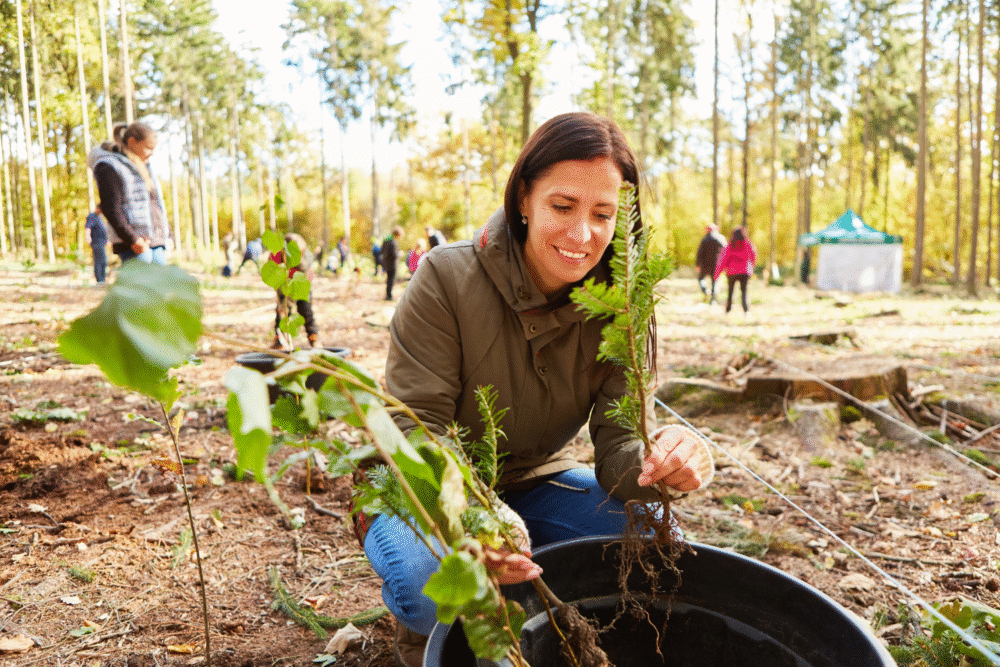
Health organizations are beginning to view deforestation as a direct threat to human survival. The World Health Organization and the United Nations Environment Programme have called for a “One Health” approach—linking human, animal, and environmental well-being.
By addressing deforestation through public health policy, governments can prevent future pandemics before they start. Scientists emphasize that protecting forests isn’t just an environmental act—it’s an investment in the stability of the planet’s health systems and in humanity’s future resilience.