
New research reveals how Mars lost its magnetic field, atmosphere, and water.
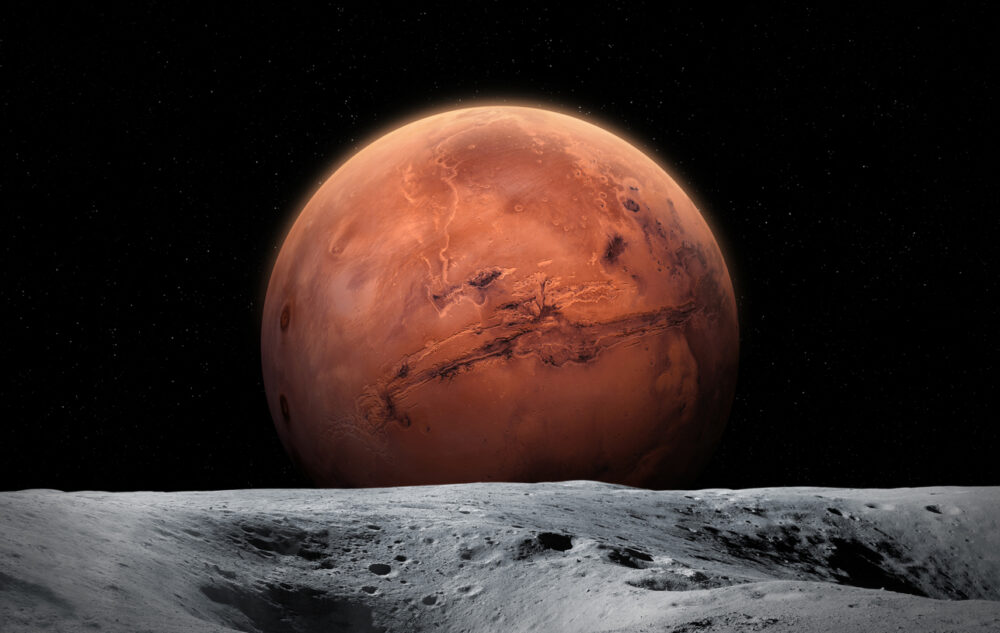
Billions of years ago, Mars looked far more like Earth—warm, wet, and possibly capable of supporting life. But something went catastrophically wrong. New research combining data from NASA’s MAVEN mission and geological studies has helped scientists piece together how Mars lost its water, atmosphere, and habitability. The culprit appears to be the planet’s cooling core and the collapse of its magnetic field. Once that protective shield vanished, the solar wind stripped Mars bare, transforming it into the frozen desert we see today.
1. Mars Once Had Water and a Thicker Atmosphere
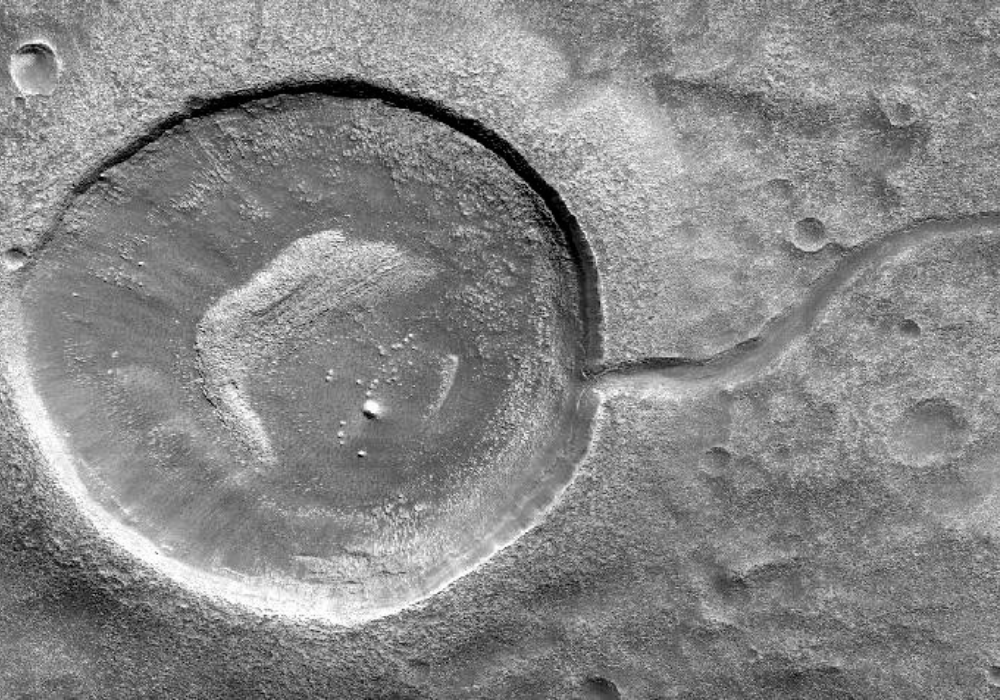
Evidence from ancient river valleys, deltas, and mineral deposits shows that Mars once had abundant liquid water. Orbital images reveal dry lakebeds, and sedimentary layers confirm long-standing rivers and shallow seas.
For this water to exist, Mars must have had a thicker atmosphere to trap heat and keep the planet’s surface above freezing. Scientists estimate that early Mars had a stable climate for hundreds of millions of years—long enough for microbial life to potentially develop.
2. The Magnetic Field Was Mars’s First Line of Defense
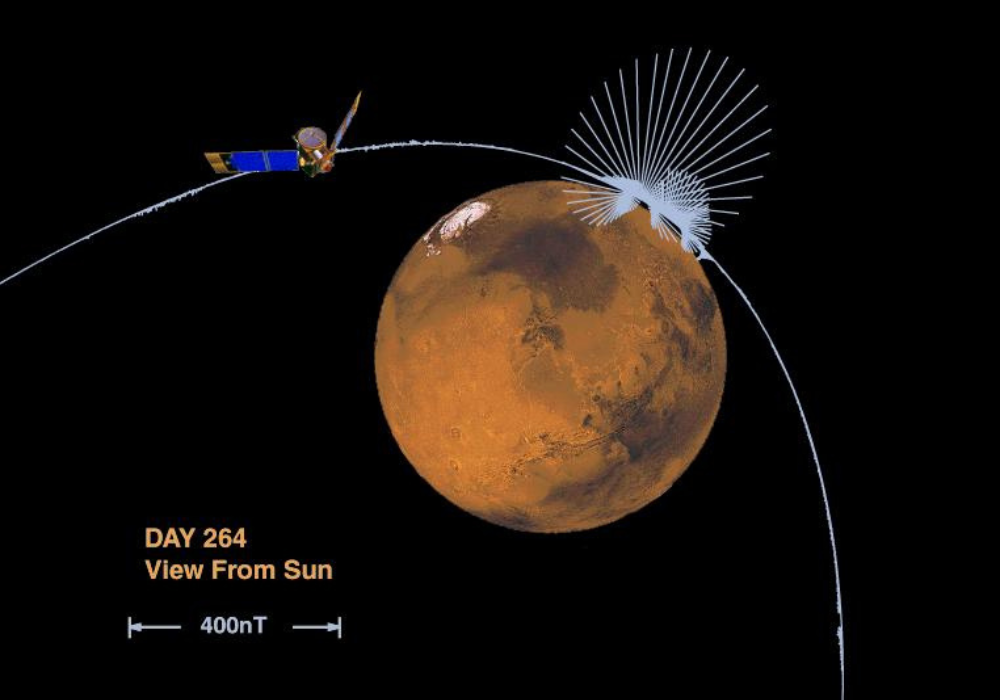
Like Earth, ancient Mars once had a strong magnetic field generated by a molten, rotating core. This magnetic shield protected the planet’s atmosphere from the solar wind—streams of charged particles emitted by the Sun.
Without this field, the upper atmosphere would have been directly exposed to radiation and ionization. Data from NASA’s MAVEN mission show that remnants of the magnetic field linger in patches of the crust, evidence of a global magnetosphere that once existed but later disappeared.
3. The Planet’s Core Cooled Too Quickly
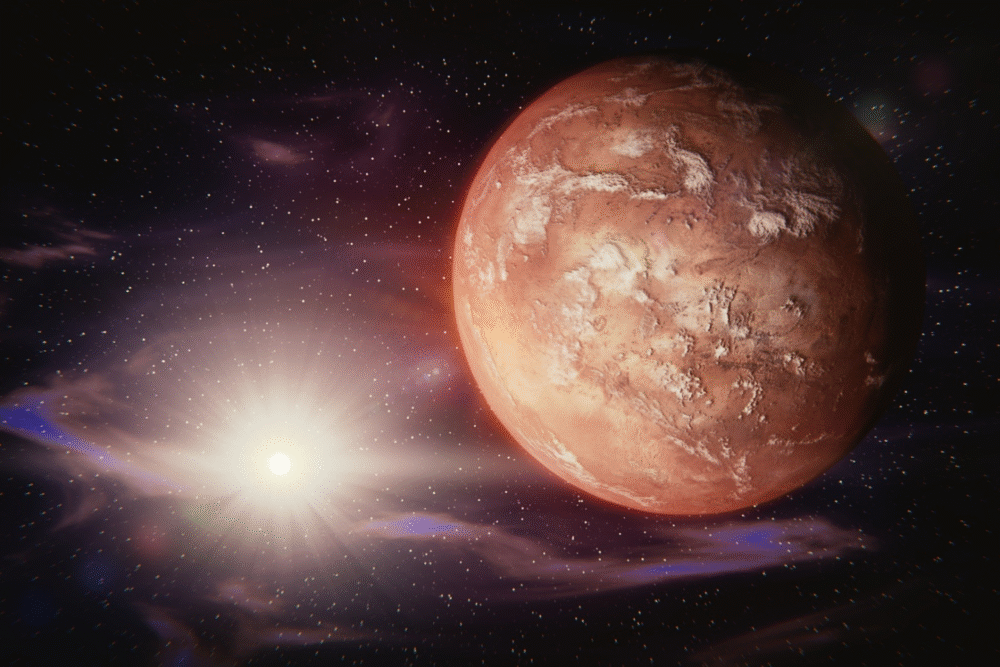
Scientists now believe Mars’s relatively small size caused its iron-nickel core to cool faster than Earth’s. As it solidified, convection—the movement of molten material that drives a magnetic field—slowed and eventually stopped.
Without this internal dynamo, Mars’s magnetic field weakened and finally vanished. This marked a turning point in the planet’s history: once its core cooled, Mars lost its ability to maintain the shield that made it habitable.
4. Solar Winds Stripped Away the Atmosphere
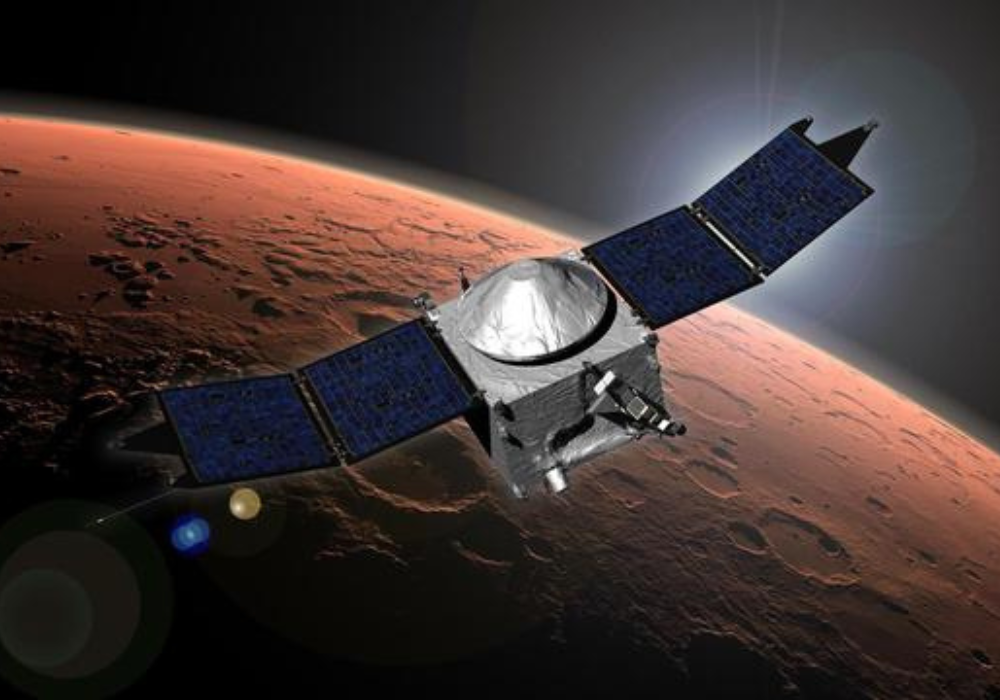
After the magnetic field collapsed, the solar wind began eroding the Martian atmosphere at a rapid pace. Ionized gas molecules escaped into space, thinning the air and reducing surface pressure.
Measurements by MAVEN show that this process continues today, though at a much slower rate. Over hundreds of millions of years, the loss of atmospheric gases like carbon dioxide and nitrogen caused Mars to lose its greenhouse effect, plunging surface temperatures below freezing.
5. The Disappearance of Water Followed
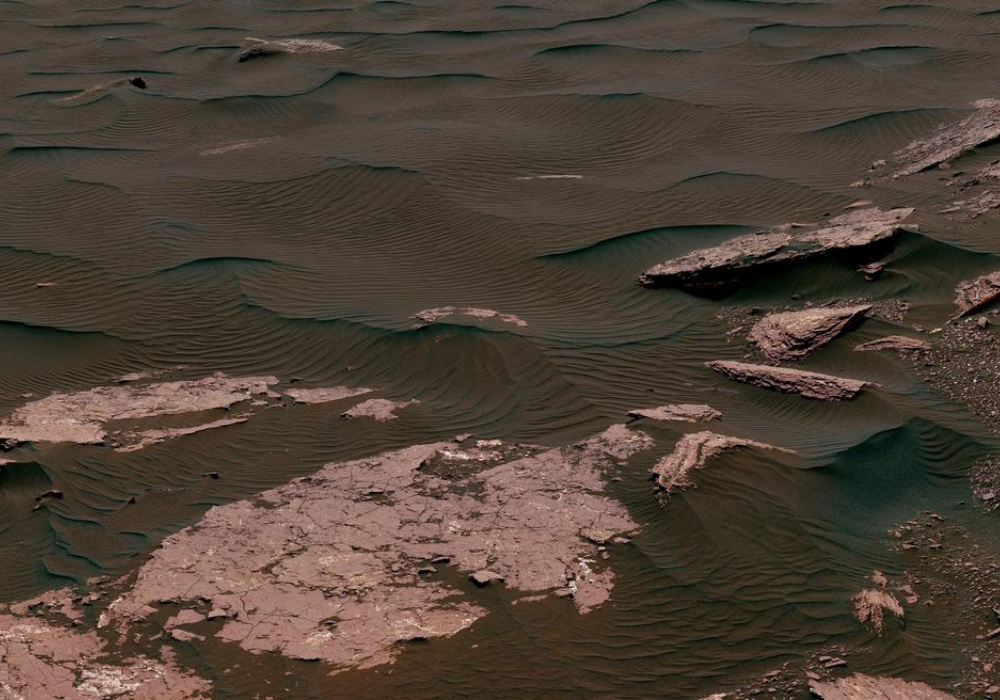
As the air thinned and temperatures dropped, surface water began to evaporate and freeze. The remaining moisture either escaped into space or became trapped underground as ice.
Rover missions have found evidence of hydrated minerals and ancient lakebeds, confirming that liquid water once flowed freely. Today, water exists mostly as ice in polar caps or beneath the surface, far from the flowing rivers that once shaped the Martian landscape.
6. Volcanic Activity Couldn’t Keep the Planet Warm
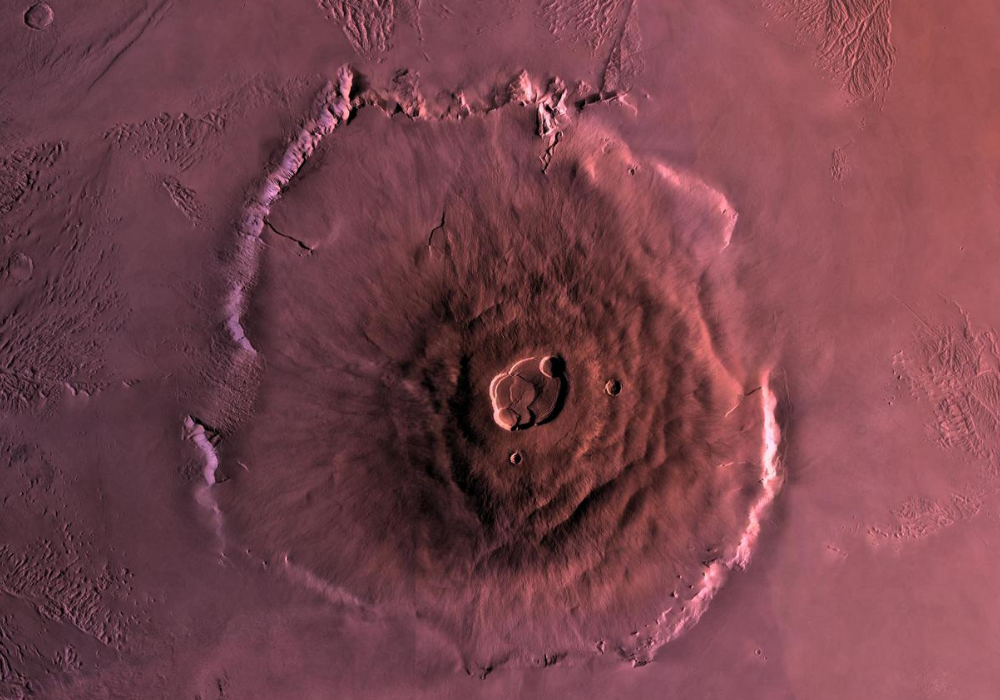
Volcanism once played a major role in maintaining Mars’s atmosphere. Massive volcanoes like Olympus Mons released heat and greenhouse gases, temporarily warming the planet.
But as the core cooled, volcanic activity slowed dramatically. Without steady emissions of carbon dioxide, the atmosphere could no longer replenish itself. Over time, this loss of volcanic outgassing sealed Mars’s fate as a cold, thin-aired world incapable of supporting surface water.
7. Cratered Terrain Records the Planet’s Transformation
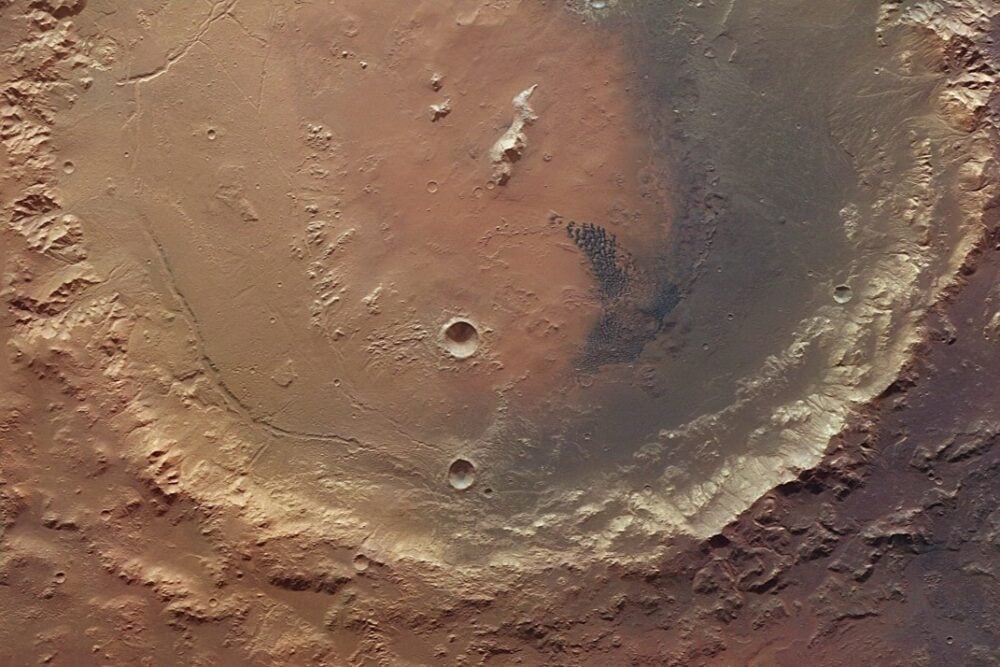
Mars’s surface tells the story of its decline. Older, southern highlands are heavily cratered, while northern plains are smoother and younger, formed when water and lava once resurfaced the planet.
The absence of erosion in most craters today shows how long Mars has been dry and geologically inactive. Each impact preserved evidence of atmospheric thinning—craters remain sharp and unweathered because wind and water have not reshaped them for billions of years.
8. The Red Dust Is a Byproduct of Oxidation
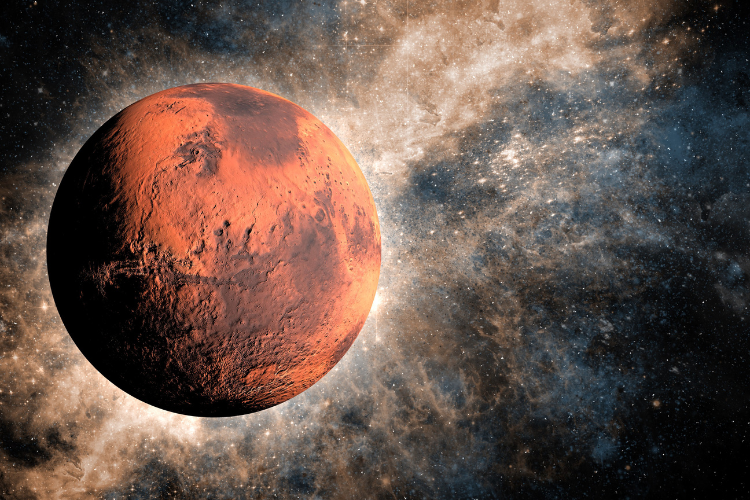
The planet’s distinctive red color comes from iron minerals in its rocks reacting with oxygen after water disappeared. This oxidation process created iron oxide, or rust, covering the surface in fine red dust.
As winds eroded exposed rock over eons, this dust spread globally, giving Mars its iconic hue. The same chemical reactions that turned the planet red also confirm that liquid water once played a major role in shaping its surface chemistry.
9. Mars’s Climate Shifted Permanently Cold
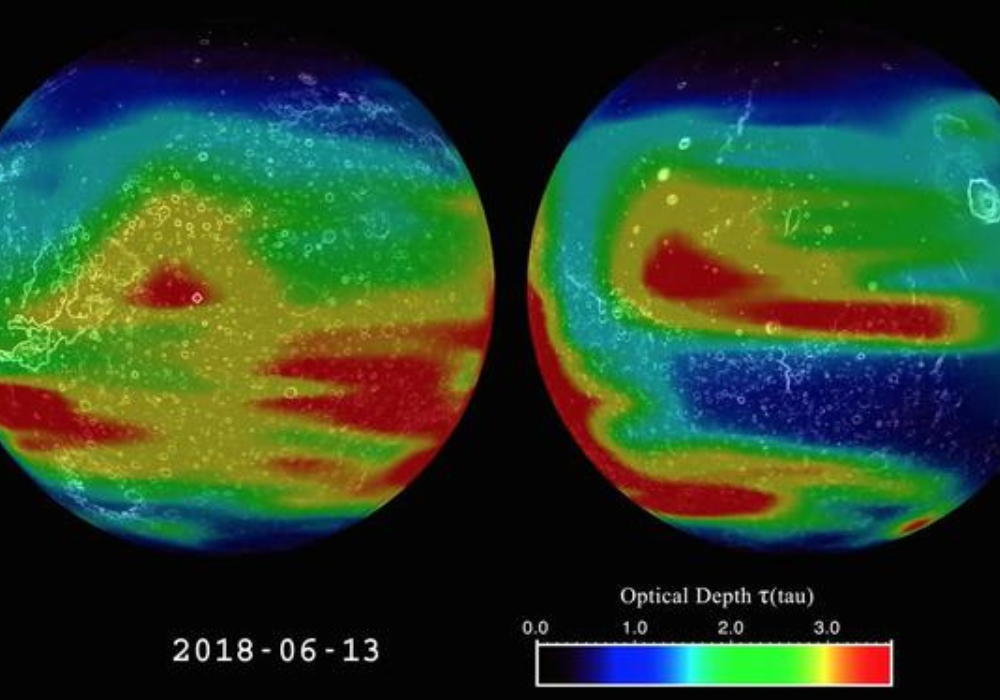
With little atmosphere and no volcanic replenishment, Mars’s climate stabilized into a deep freeze. Average surface temperatures now hover around –80°F (–60°C), with extremes dropping below –150°F at night.
Thin air offers almost no insulation, and carbon dioxide clouds occasionally form over the poles. Seasonal changes still occur, but the days of liquid water, rain, and a breathable atmosphere ended long ago. Mars became locked in a permanent ice age.
10. The Loss of Habitability Was Irreversible
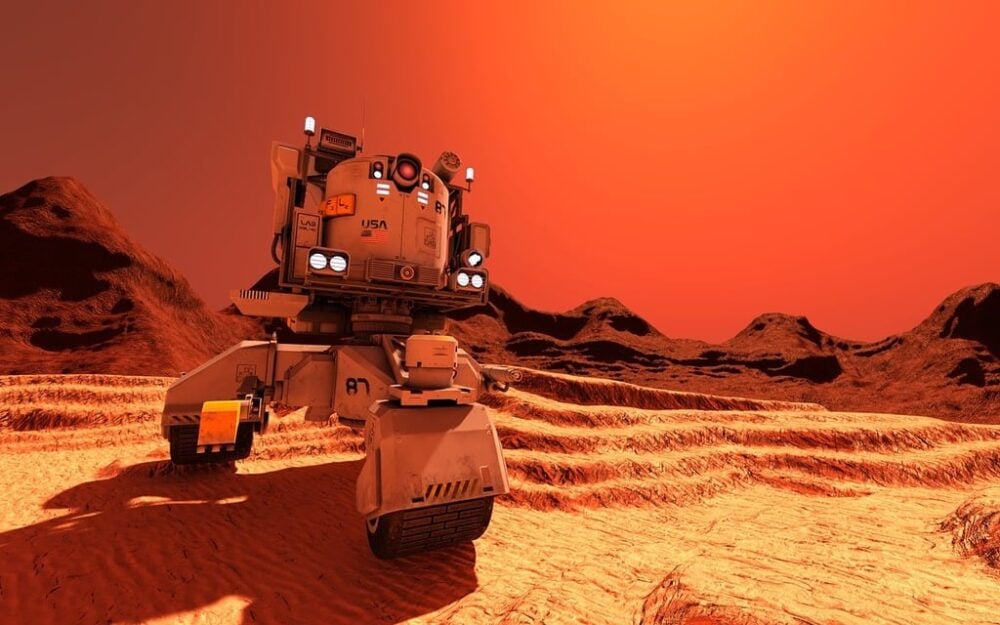
Once the atmosphere was stripped away, the planet’s transformation could not be reversed. Without internal heat or magnetic protection, Mars lacked the mechanisms to recover.
Although water ice and frozen carbon dioxide remain, the surface is exposed to intense solar radiation. Any microbial life that may have existed would have been driven underground or extinguished entirely. What’s left is a planet that preserves evidence of its habitable past but no longer supports it.
11. Modern Missions Are Reconstructing Mars’s Past
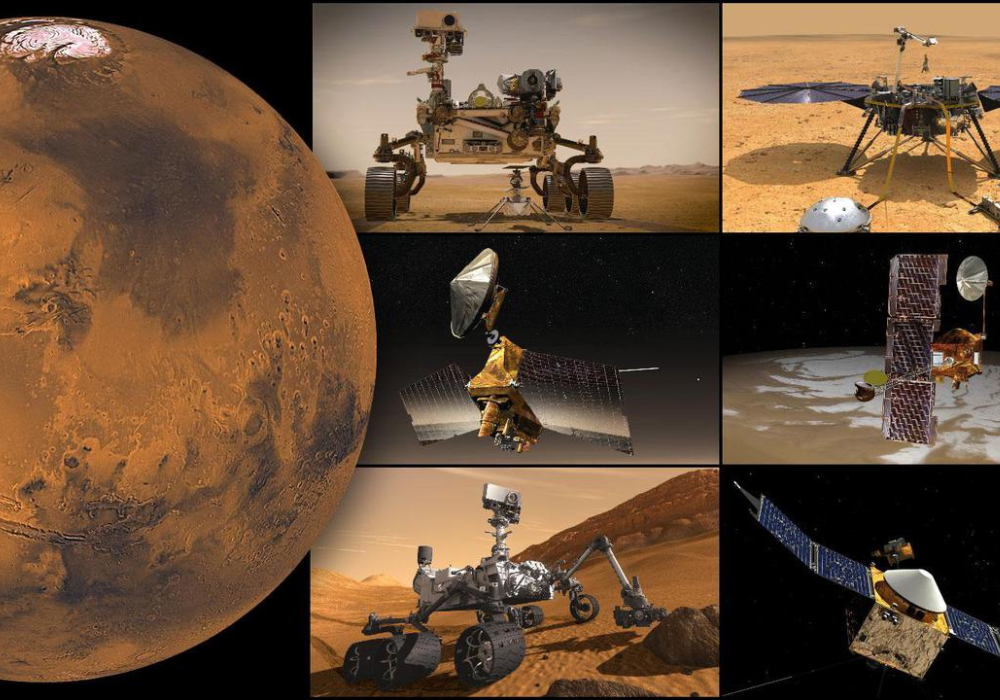
NASA’s Perseverance and ESA’s ExoMars missions are studying ancient sediments for chemical fingerprints of life. Instruments measure isotopes and minerals to estimate how much atmosphere and water Mars lost over time.
These missions have already revealed patterns of erosion and layering consistent with long-term lakes and rivers. By analyzing trapped gases in rock samples, scientists hope to refine the timeline of when Mars transitioned from habitable to hostile.
12. Understanding Mars Helps Us Protect Earth

The story of Mars offers a warning for our own planet. Its decline shows how critical magnetic fields and atmospheric stability are for maintaining life.
Studying how Mars lost its protective systems helps scientists understand how planets evolve and what makes them resilient. In tracing Mars’s transformation, researchers not only uncover its past but also gain insight into the delicate balance that keeps Earth alive.