
Doctors say rising heat can strain your heart, brain, and other vital organs.

Extreme heat poses significant challenges to the human body, interfering with its natural ability to regulate temperature. As temperatures rise, risks such as dehydration, heat exhaustion, and heatstroke become more likely, impacting vital organs and overall wellbeing. Recognizing early signs and understanding how heat affects different systems—from the cardiovascular function to skin health—is essential for staying safe and maintaining good health during periods of intense heat exposure.
1. Extreme heat increases the risk of dehydration and electrolyte imbalance.
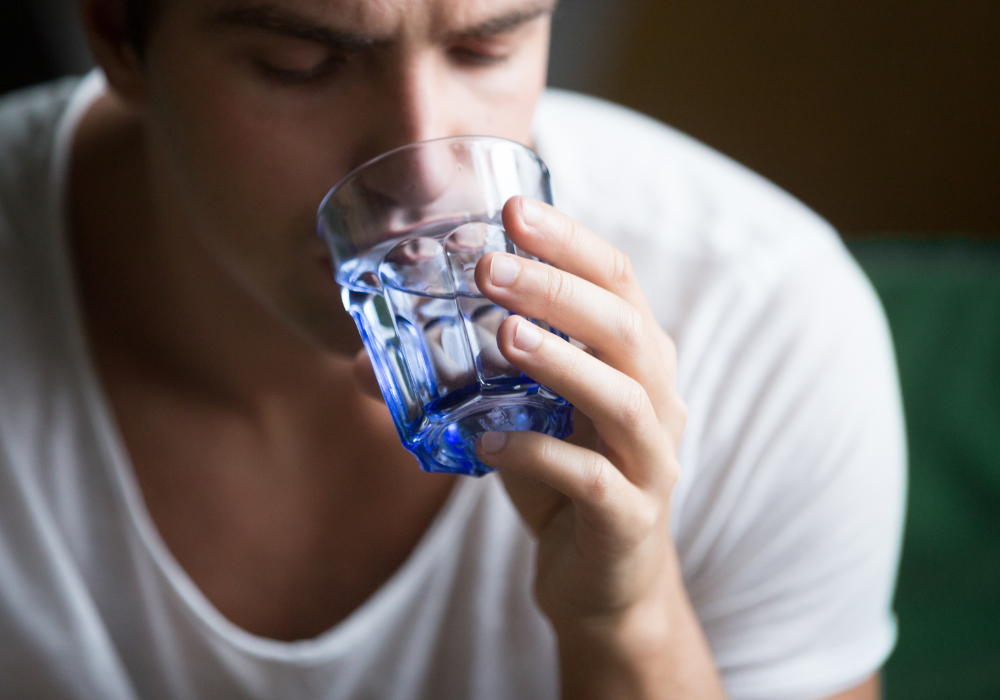
Dehydration occurs when the body loses more fluid than it takes in, worsening in extreme heat. To maintain functions, the body sweats more, losing water and crucial electrolytes. Common signs include dry mouth and headache, suggesting a need for fluid and mineral replenishment.
Neglecting hydration can escalate to muscle cramps or serious complications like heatstroke. Staying cool and replacing fluids are essential under high temperatures. An example is feeling dizzy after outdoor activity without water—a real risk when combined with heat.
2. High temperatures can cause heat exhaustion with symptoms like dizziness.
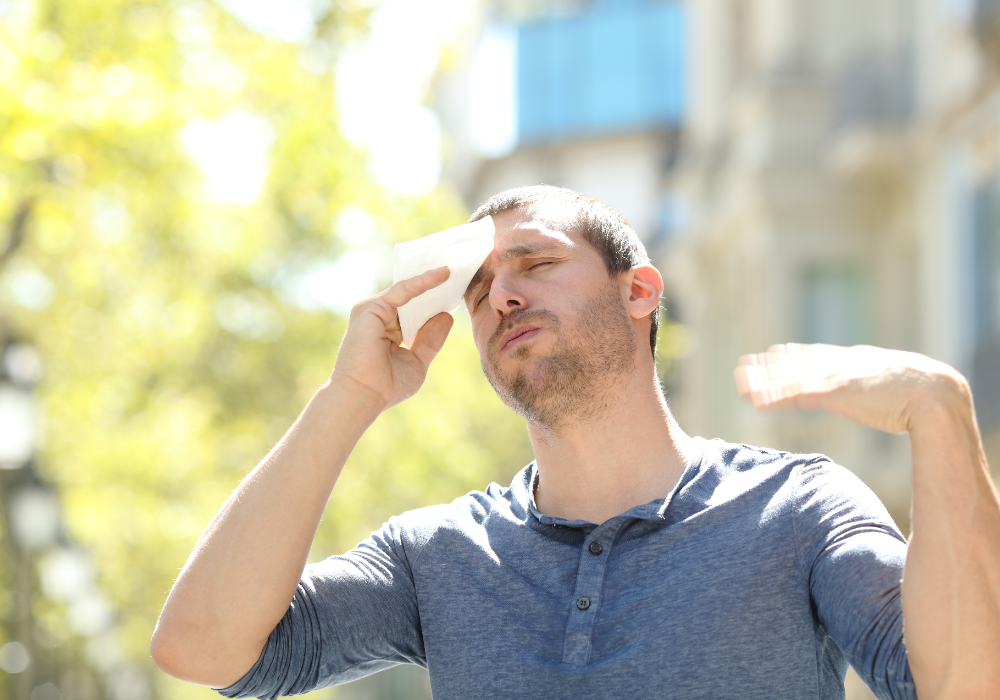
Heat exhaustion results when the body struggles to cool down. High temperatures make it hard to regulate the body’s internal climate, leading to symptoms like dizziness. Excessive sweating without adequate fluid intake exacerbates the condition, signaling stress on the body.
Severe cases can involve confusion or fainting, requiring immediate attention. A simple walk during a heatwave can provoke such symptoms, highlighting the importance of moderation and awareness during high temperatures.
3. Prolonged heat exposure often leads to heatstroke, a medical emergency.

Heatstroke happens when prolonged heat exposure overwhelms the body’s cooling mechanisms. Without intervention, body temperature can soar to dangerous levels. This medical emergency manifests through symptoms like confusion or unconsciousness, necessitating swift, professional medical aid to avoid life-threatening consequences.
Ignoring these symptoms is perilous, especially as internal organs can suffer damage. For instance, an outdoor sports event under extreme heat could lead to multiple cases, underscoring preparedness and quick response.
4. Your skin may become red, dry, and irritated under extreme heat.

Prolonged extreme heat can affect your skin, leading to conditions like heat rash or more severe irritation. High temperatures and humidity block sweat glands, prompting skin to appear red and swollen. This discomfort can progress if left untreated, disrupting daily activities.
In habitual outdoor workers, skin often shows these signs rapidly. The contrast between indoor and outdoor environments highlights the need for protective measures. Textures on the skin can change with exposure, becoming rougher over time.
5. Heat can exacerbate pre-existing health conditions such as respiratory issues.

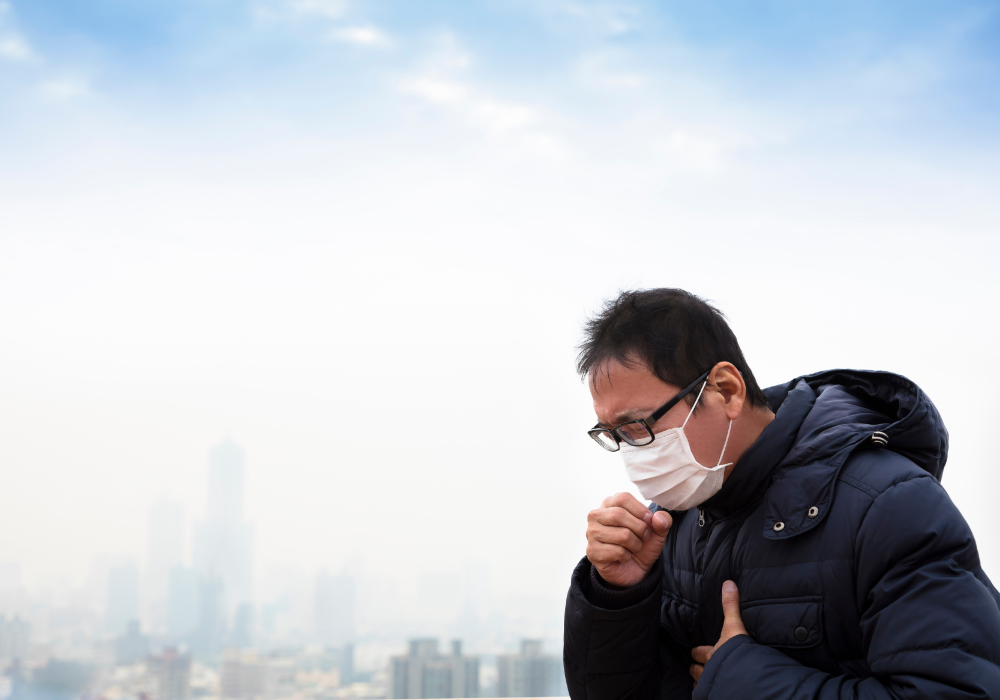
High temperatures can worsen existing health issues, including respiratory conditions. Elevated heat often raises air pollution levels, further aggravating asthma or other chronic issues. For those with such conditions, heat can trigger frequent and severe symptoms, impacting overall well-being.
Urban areas see this effect sharply, where concrete and traffic contribute to poor air quality. The intense discomfort faced during heat spells emphasizes the critical interaction between environmental factors and human health.
6. Extreme temperatures often cause fatigue and difficulty concentrating throughout the day.

Extreme temperatures lead to fatigue and impact cognitive abilities. The body’s energy is spent on cooling, leaving less for mental tasks. This tiredness is compounded by disrupted nighttime rest since warm nights offer little reprieve, affecting alertness the next day.
Workplaces often notice dips in productivity during heatwaves. Long meetings or intricate tasks become more challenging, indicating the energy toll of persistent heat. The workplace feels both physically and mentally draining under these conditions.
7. Excessive heat triggers increased sweating which can lead to muscle cramps.
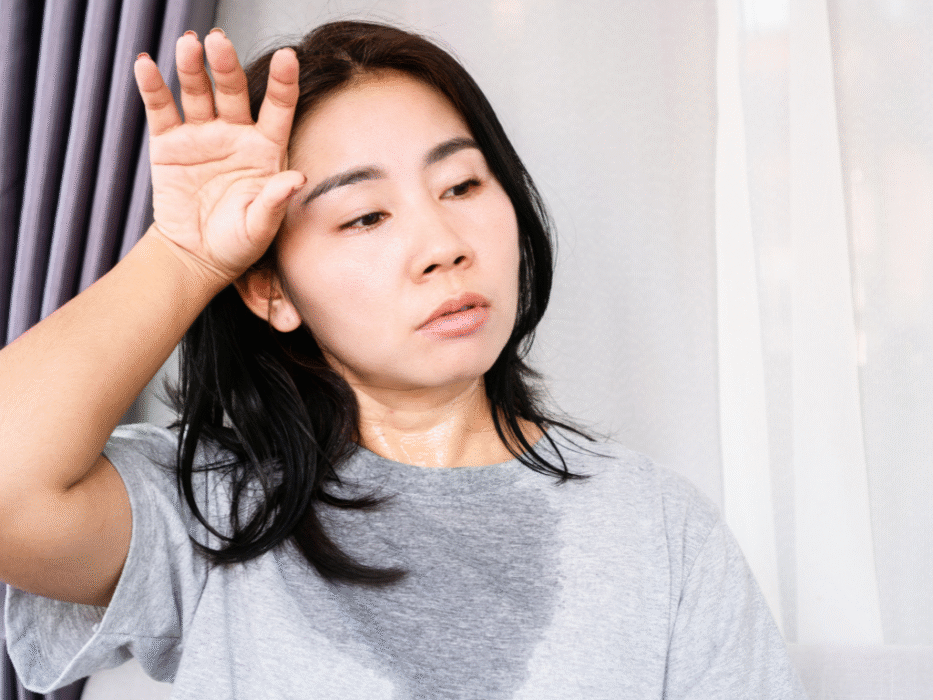
As temperatures rise, excessive sweating can lead to muscle cramps. When the body sweats profusely, it loses essential minerals like sodium and potassium. This loss affects muscle coordination and can trigger painful cramps, signaling an imbalance needing quick attention.
Athletes frequently experience this during summer training or events. The muscles spasm unexpectedly, illustrating how environmental conditions like heat necessitate greater care. Awareness allows for timely replenishment of those necessary minerals.
8. Heat stress may cause headaches and nausea in sensitive individuals.

Heat stress often results in headaches and nausea. These symptoms surface when the body overheats and struggles with thermal regulation. The circulatory system feels additional burden, which may cause headaches and feelings of unease in certain individuals.
Indoor environments can still provoke headaches if they trap heat, exemplifying a need for ventilation. Office workers often feel these effects when air circulation is poor, leading to altered daily performance and increased discomfort throughout the day.
9. Elevated temperatures can affect sleep quality and overall restfulness at night.

Hot temperatures hinder the body’s ability to cool, affecting sleep quality. The bedroom environment becomes warm and sticky, making a comfortable rest elusive. Regular rest cycles are disrupted, leading to drowsiness or irritability during waking hours due to inadequate recovery.
Adjusting fans or AC use at night often highlights the dependence on environmental control for rest. The familiar toss and turn reflect common struggles for restfulness, demonstrating how climatic extremes infiltrate daily routines.
10. Extreme heat may strain your cardiovascular system, increasing heart rate.
The cardiovascular system works harder to regulate internal temperature in extreme heat. This additional strain increases heart rate as the body directs blood flow towards cooling. Blood vessels dilate, a subtle but impactful process occurring during heat spells.
Outdoor exertion heightens heart workload, especially in unconditioned environments. A leisurely walk can feel like strenuous exercise under such conditions, showcasing the significant cardiovascular response to mitigate thermal stress.
11. Exposure to high heat can weaken the immune system over time.
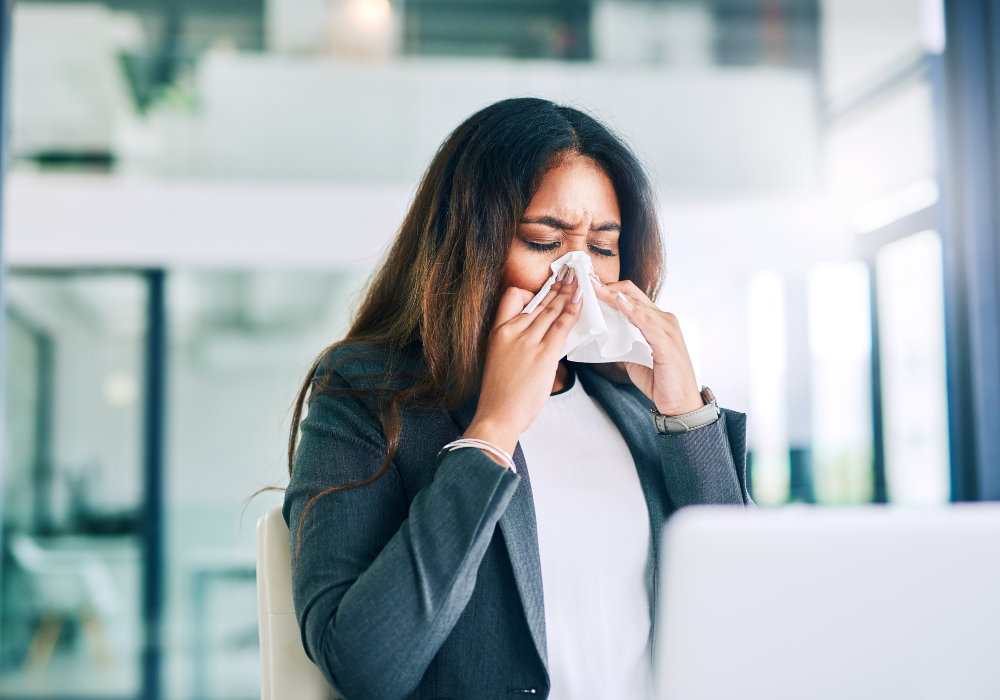
High heat exposure over time may weaken the immune system. Persistent thermal stress taxes the body, which may indirectly impair immune responses. The body’s focus shifts towards cooling efforts, potentially reducing its ability to fend off common infections.
For those frequently outdoors, subtle signs like prolonged colds might signal underlying issues. Seasonal workers, for example, occasionally report longer recovery periods from illnesses, highlighting a lesser-known effect of constant heat exposure.