
Scientists warn that banning genetic tools could block lifesaving conservation breakthroughs.
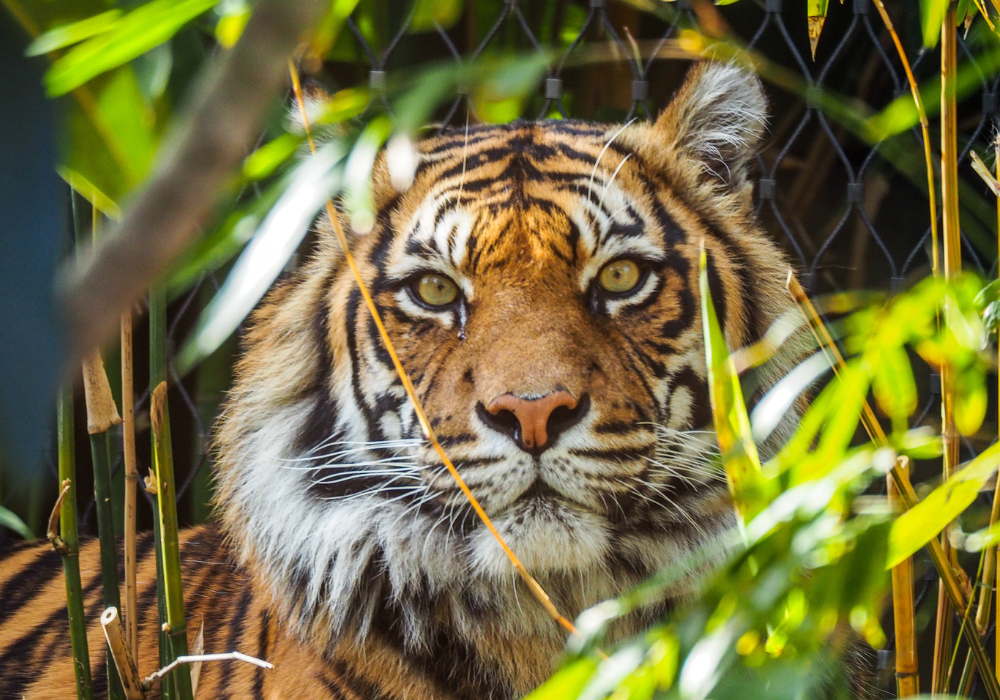
As extinction rates rise, scientists are exploring genetic engineering as a last-resort tool to save vulnerable species. From reviving coral reefs to protecting frogs from deadly fungi, gene editing could give conservationists unprecedented power to fight biodiversity loss. But some countries are considering bans on genetic modification in wildlife, citing ethical and ecological risks. Experts warn that an outright prohibition could halt critical progress—and might leave conservationists defenseless against the accelerating impacts of climate change.
1. Scientists Are Testing Genetic Tools to Fight Extinction
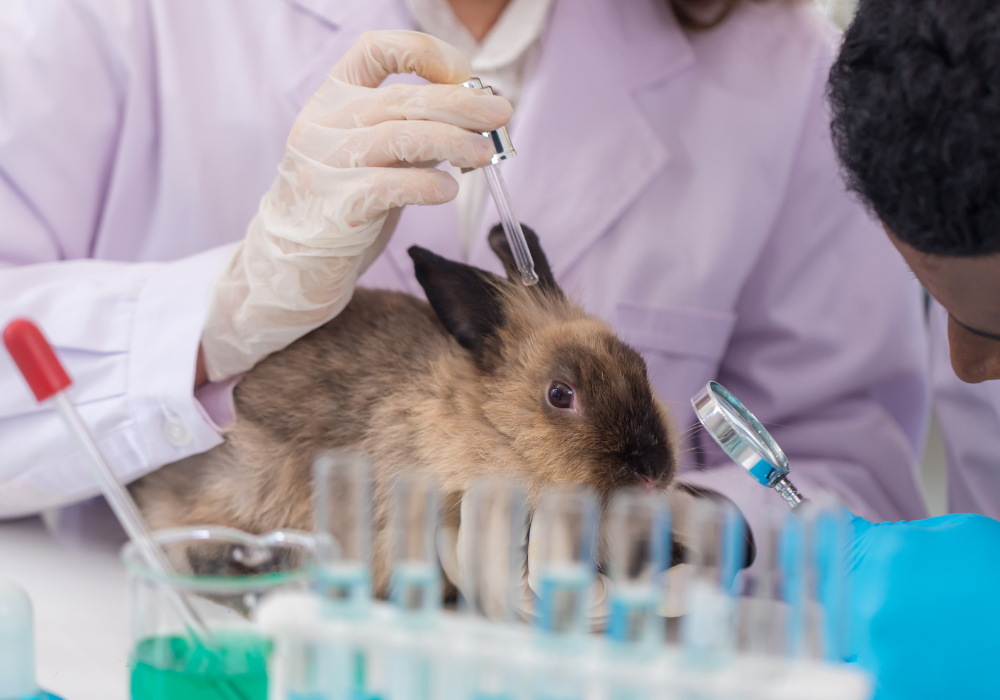
Genetic engineering is emerging as one of the most controversial frontiers in conservation. By editing DNA, scientists can potentially make species more resilient to disease, heat, or habitat loss.
For example, researchers are studying how to give corals genes that improve heat tolerance, helping them survive warming oceans. Advocates argue that with extinction rates reaching record highs, ignoring these tools could mean losing entire ecosystems.
2. Critics Say the Risks Could Outweigh the Rewards

Opponents fear that genetically altering wild species could have unpredictable consequences. Modified genes might spread uncontrollably or alter ecosystems in ways that can’t be reversed.
Environmental ethicists caution that releasing edited animals into the wild without long-term data is risky. They argue that conservation should focus on protecting habitats, not redesigning life itself.
3. A Ban Could Freeze Promising Research

A sweeping ban on wildlife genetic engineering could effectively stop years of progress. Scientists studying gene-driven population control in invasive species or disease resistance in endangered ones say their work depends on access to these technologies.
Researchers emphasize that these projects operate under strict safety and ethical protocols. They warn that losing funding or legal approval would erase valuable knowledge that could help balance ecosystems.
4. Climate Change Is Creating New Conservation Pressures

As global temperatures rise, traditional conservation methods—like habitat protection and breeding programs—are becoming less effective. Genetic engineering may offer faster solutions in an era of rapid environmental change.
For instance, scientists are investigating gene edits that could help species adapt to changing climates by boosting fertility or temperature tolerance. Without such innovations, some species may simply run out of time.
5. Some Species Are Already Benefiting From Genetic Science

In a few controlled cases, gene-based interventions have already made measurable differences. In New Zealand, for example, researchers are exploring genetic tools to control invasive predators threatening native birds.
Elsewhere, modified mosquitoes have been used to combat diseases like malaria—proof that targeted genetic approaches can protect ecosystems as well as humans. Conservationists see these examples as evidence that careful, science-driven interventions can work safely.
6. Ethical Questions Still Divide Scientists

Even among researchers, the ethics of gene editing wildlife remain deeply debated. Some argue that human-driven evolution crosses moral boundaries and could commodify nature. Others believe doing nothing as species die out is the greater ethical failure.
The core question, experts say, is whether humanity should intervene to “fix” ecosystems it helped destroy—or allow nature to collapse under pressures it can no longer handle.
7. Indigenous and Local Communities Want a Voice

Indigenous leaders and local conservation groups have raised concerns about being excluded from genetic policy decisions. Many fear that global science could once again override traditional ecological knowledge.
Involving local voices is crucial, experts say. Building trust and transparency ensures that gene-editing projects respect cultural values while maintaining environmental safety and accountability.
8. Global Regulations Are Still Taking Shape

Different countries are adopting wildly different stances on wildlife genetic modification. The European Union enforces strict limits, while Australia and the U.S. allow more research under regulation.
Scientists say clearer international guidelines are urgently needed. Without them, breakthroughs may stall, and some nations could fall behind in developing safe, ethical biotechnology for conservation.
9. Conservationists Say Oversight, Not Bans, Is the Answer
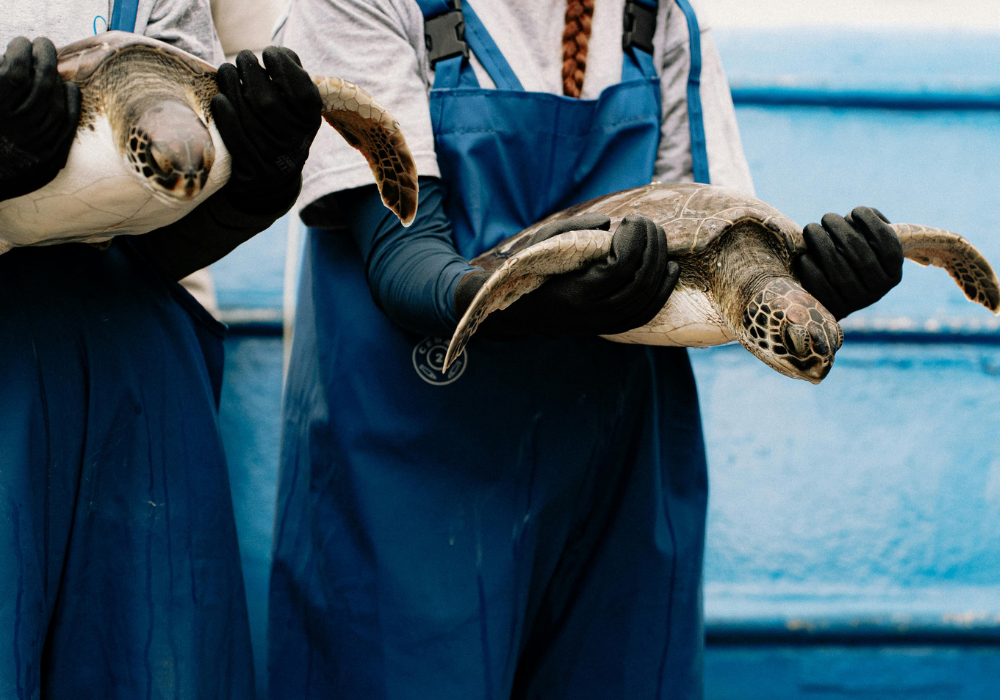
Many experts advocate for rigorous oversight rather than blanket prohibitions. They argue that with proper risk assessments, genetic editing could be one of the most powerful conservation tools of the century.
Pilot programs, strict containment protocols, and transparent public reporting could balance innovation with caution. This approach, researchers say, protects both biodiversity and public trust.
10. The Debate Reflects a Larger Question About Human Responsibility

Ultimately, the controversy isn’t just about science—it’s about philosophy. Should humans use genetic technology to repair ecological damage, or is that interference unnatural?
As extinction accelerates, more researchers believe intervention is not only justified but necessary. The challenge lies in finding a balance between innovation and restraint—one that ensures the survival of species without rewriting the laws of nature itself.