
In the vacuum of space, even a torn glove or loose screw can turn fatal in seconds.

Stepping outside a spacecraft might look graceful and awe-inspiring, but every spacewalk is an exercise in extreme risk. Astronauts who leave the safety of the station are exposed to lethal radiation, extreme temperatures, and the ever-present danger of equipment failure. They rely entirely on a fragile spacesuit to survive an environment that would kill unprotected humans in seconds. Even with years of training and preparation, one small malfunction can quickly turn a routine repair mission into a life-threatening emergency.
1. The Vacuum of Space Can Kill in Seconds

In the vacuum of space, there is no air, no pressure, and no second chances. If an astronaut’s suit tears or depressurizes, oxygen would escape instantly, causing loss of consciousness within 15 seconds and death shortly after. There’s no way to breathe, and no time for rescue.
That’s why every suit undergoes rigorous testing and multiple layers of protection. Yet, the smallest puncture—from debris or a sharp tool—could turn deadly. The margin between life and death is thinner than the fabric of the suit itself.
2. Extreme Temperatures Swing Hundreds of Degrees

Without an atmosphere to regulate heat, temperatures during a spacewalk can swing from about 250°F in sunlight to -250°F in shadow. A sudden shift can freeze or burn exposed materials almost instantly. Astronauts depend on advanced thermal control layers to maintain a livable temperature.
If the cooling or heating system inside a suit fails, body temperature can rapidly rise or plummet. This thermal stress can cause fatigue, confusion, or loss of motor control—making even simple movements in space dangerously unpredictable.
3. Micrometeoroids Travel Faster Than Bullets

Tiny fragments of rock and metal, called micrometeoroids, constantly zip through space at speeds up to 17,000 miles per hour. Even particles the size of a grain of sand can puncture a spacesuit or crack a helmet visor. Astronauts have no real-time way to detect or dodge them.
Spacesuits and spacecraft are shielded to absorb minor impacts, but nothing is fully micrometeoroid-proof. Astronauts limit exposure time and position themselves carefully relative to debris fields, but risk is an unavoidable part of working outside the station.
4. Radiation Exposure Is a Constant Threat
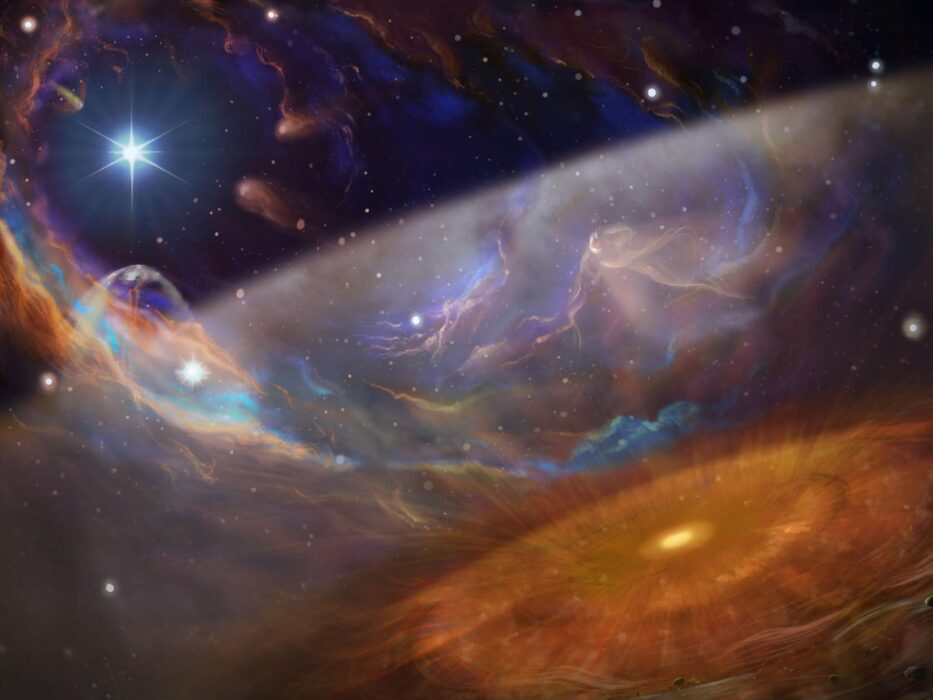
Earth’s atmosphere and magnetic field protect us from much of the Sun’s radiation—but astronauts lose that shield the moment they exit the station. During a spacewalk, they’re bombarded by cosmic rays and solar particles invisible to the human eye.
Short-term exposure can cause nausea and fatigue, while long-term effects include DNA damage and higher cancer risks. Mission control closely monitors solar activity, and astronauts end spacewalks immediately if a solar flare erupts. Still, radiation remains one of space’s most insidious dangers.
5. Glove Damage Is More Common Than You’d Think
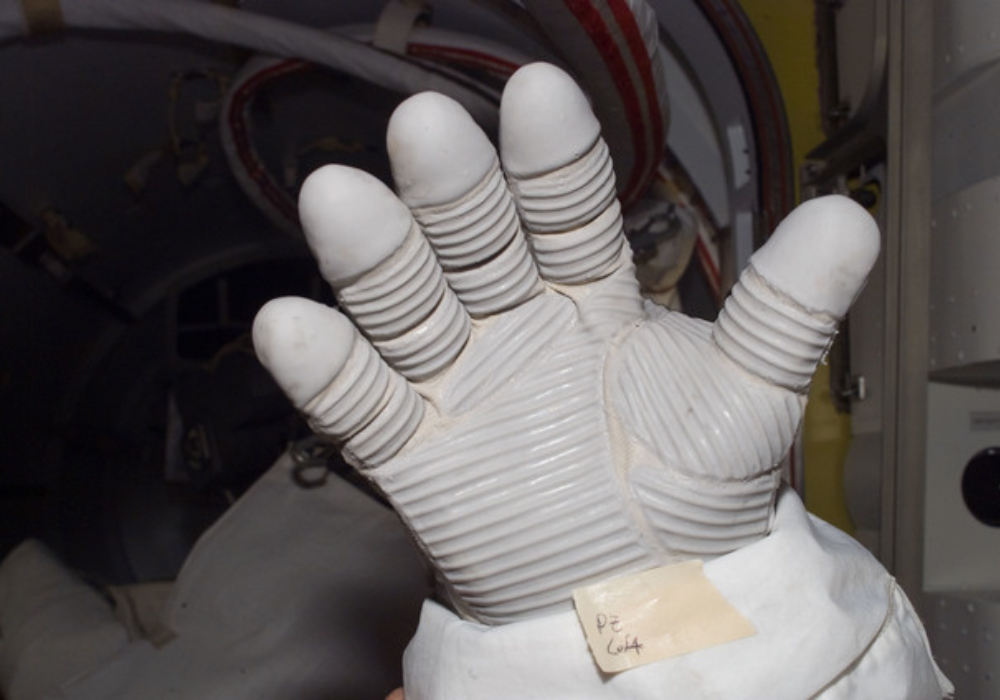
Astronaut gloves are among the most vulnerable parts of the spacesuit. They endure friction, pressure, and contact with sharp metal edges during repairs. Even a small abrasion can cause loss of pressure or restrict finger movement.
NASA has documented cases where astronauts’ fingertips bled from constant strain inside gloves. Because hands are essential for all tasks outside the station, glove integrity is one of the most critical factors in every mission’s safety checklist.
6. Equipment Malfunctions Can Turn Deadly Fast

Spacesuits are complex life-support systems, containing oxygen tanks, carbon dioxide scrubbers, and cooling units. A failure in any of these can be catastrophic. In 2013, astronaut Luca Parmitano nearly drowned during a spacewalk when his helmet filled with leaking water from a malfunctioning cooling system.
NASA has since redesigned systems to prevent such failures, but mechanical issues can never be eliminated entirely. Each suit is an individual spacecraft on its own—if it fails, rescue depends entirely on quick thinking and communication with mission control.
7. Communication Failures Leave Astronauts Isolated

Constant communication with mission control is vital for safety. Radio interference or hardware failure can cut an astronaut off from the station, leaving them to navigate in silence. Even brief communication loss can trigger panic and make coordination impossible.
Because astronauts work in pairs, they rely on each other’s voices and movements for reassurance. Losing contact means losing guidance—and in an environment where every second counts, isolation can quickly escalate into a life-threatening situation.
8. Tools Can Float Away—or Become Projectiles
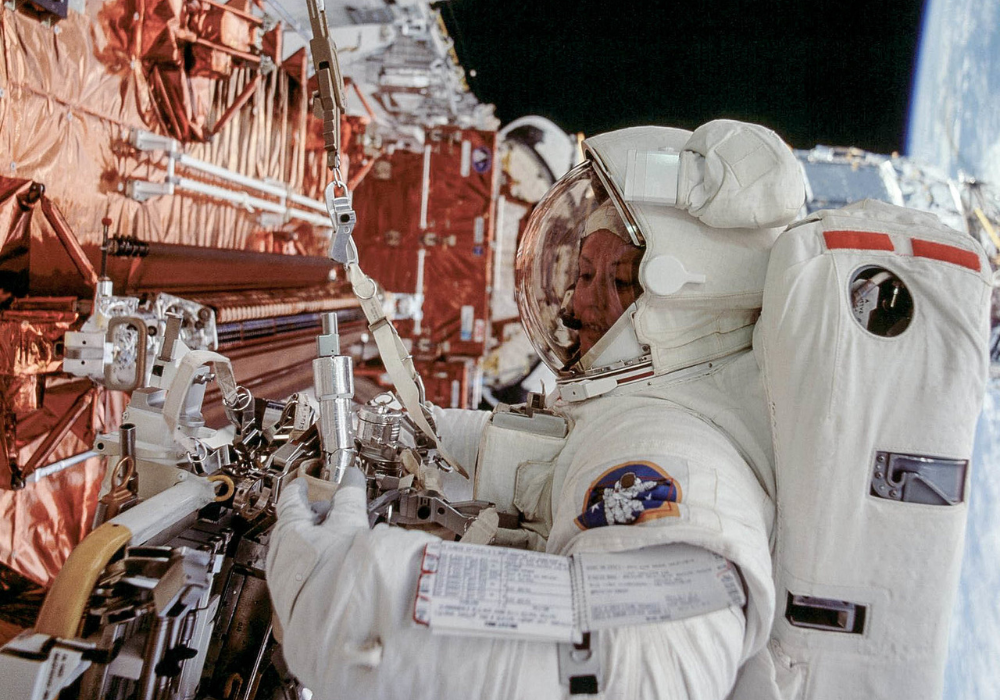
Every object in microgravity moves indefinitely unless stopped. A tool released accidentally can drift off into space or collide with the station at high speed. Astronauts use tethers for every piece of equipment, but mistakes happen.
A floating wrench or drill could damage delicate instruments or puncture a suit. Once lost, the object becomes space debris—a potential hazard for future missions. Even the smallest oversight in securing tools can have lasting, dangerous consequences.
9. Fatigue and Overexertion Increase Human Error

Spacewalks can last up to eight hours, and working in pressurized suits requires immense physical effort. The gloves resist movement, and the suit’s stiffness makes every motion a struggle. As fatigue builds, concentration drops, raising the risk of errors.
Astronauts train for months in underwater simulations to build endurance, but nothing perfectly mimics the strain of space. A single lapse in focus—forgetting to check a valve or tether—can trigger a dangerous chain reaction in an unforgiving environment.
10. Space Debris Is an Escalating Hazard
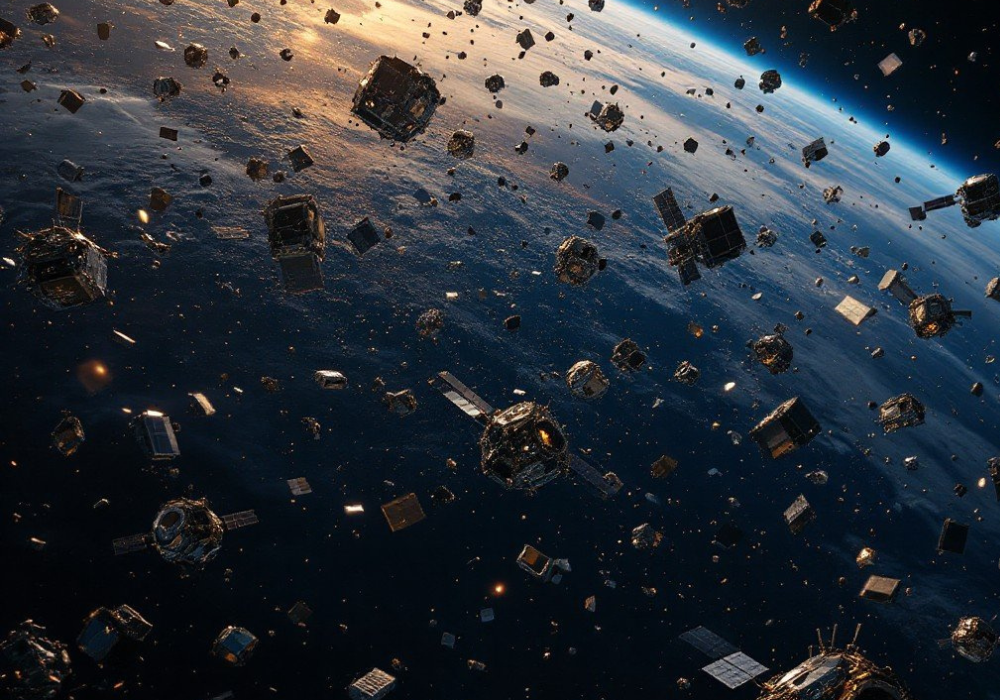
Tens of thousands of pieces of orbital debris—spent rocket parts, satellite fragments, and old equipment—circle Earth at deadly speeds. The International Space Station occasionally adjusts its orbit to avoid them. Astronauts on spacewalks can’t.
Even a small fragment could rip through a spacesuit or damage the station. As Earth’s orbit becomes more crowded, the chances of collision grow. Managing this floating minefield has become one of the greatest modern challenges in space safety.
11. Panic Can Be More Dangerous Than the Vacuum Itself

Psychological stress is one of the least visible but most serious dangers. Astronauts face claustrophobia, sensory overload, and the knowledge that a mistake could be fatal. Panic disrupts breathing, coordination, and judgment—three things vital to survival in space.
Training emphasizes calm, repetitive breathing and mental discipline. Astronauts rehearse emergency procedures until they’re automatic, so instinct takes over if fear strikes. Spacewalks demand not just physical skill but exceptional mental control—the ultimate test of human composure in the void.