
When anxiety hits hard, these quick, practical steps can help you feel calm and in control again.

When anxiety hits suddenly, knowing how to respond can make all the difference. Rather than letting worry spiral, immediate strategies like mindful breathing, grounding exercises, and light physical movement help ease tension quickly. These approachable methods shift focus, calm the nervous system, and restore balance in moments of distress. By practicing simple coping tools, you gain reliable ways to manage anxiety any time it arises.
1. Focus on your breathing to calm your nervous system quickly.

Breathing deeply engages your parasympathetic nervous system, which counteracts the fight-or-flight response. Slow, intentional breaths lower your heart rate, helping calm your system. Imagine a gentle rising and falling tide as a simple cue to guide your breath.
Through skilled breathing, the rush of anxiety begins to ebb. Just the act of counting breaths brings focus back, helping to settle an otherwise racing mind. While sitting on a bus or standing outside, practicing this helps ground the experience with familiar settings.
2. Ground yourself by noticing five things you can see around.

Finding five things to observe grounds you in the present moment. Gazing at a nearby red cup or noticing vibrant autumn leaves brings focus away from anxious thoughts. This approach refocuses scattered attention on manageable, immediate surroundings.
Awareness shifts as you connect with current sights, sounds, and textures. An unexpected side effect is enhanced appreciation for detail—noticing park flowers in a new way or hearing distant chimes with fresh perspective. Such conscious observation creates an anchor in turbulent inner seas.
3. Practice progressive muscle relaxation to relieve tension fast.
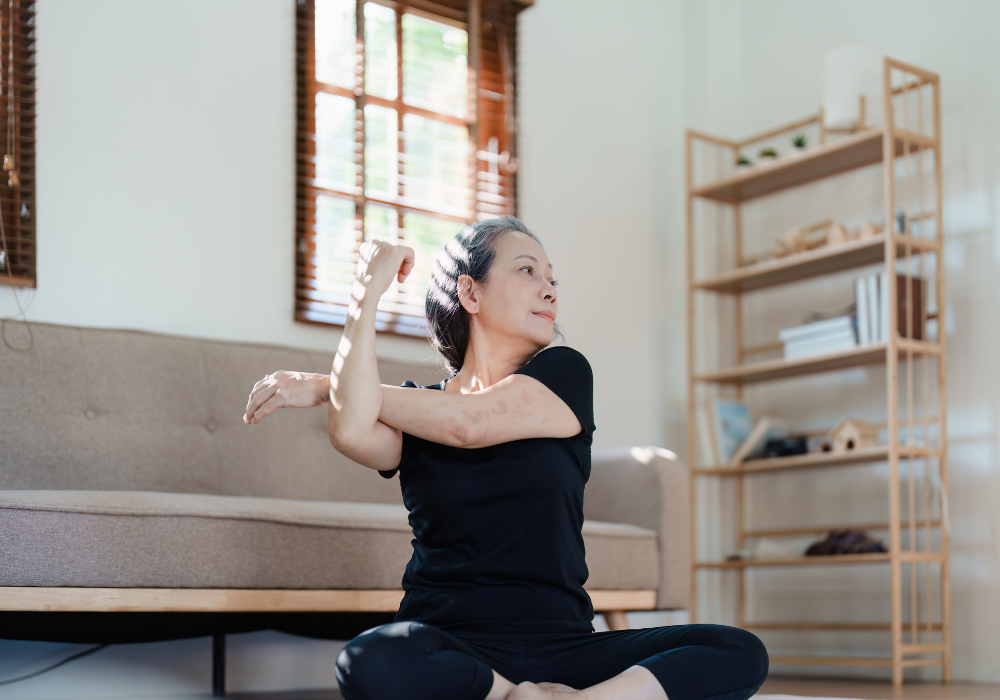
Progressive muscle relaxation involves tensing and then relaxing muscle groups systematically. Start with your toes, gradually work upward, and notice the release of tension. The technique actively engages muscles, offering a tangible way to sense relaxation.
Shifting attention from mind to body offers a concrete break from mental stress patterns. Releasing each muscle, from shoulders to fingers, can dramatically alter how you inhabit your space. Even in a small office, such shifts loom large, transforming tension to tangible ease.
4. Use visualization techniques to imagine a peaceful, safe place.

Visualization invites your mind to a tranquil scene—a quiet beach or lush forest path—by mentally sculpting these images. They encourage relaxation by engaging your imaginative mind. Picturesque imagery brings distance from racing thoughts and frantic anxieties.
When vividly casting these mental scenes, brain pathways that trigger stress soften. Even tiny details like imagining soft sand texture or listening to breezes re-center you amid chaos. Confidence in crafting such landscapes fosters an unexpected sanctuary within the mind.
5. Engage in light physical movement like stretching or walking gently.
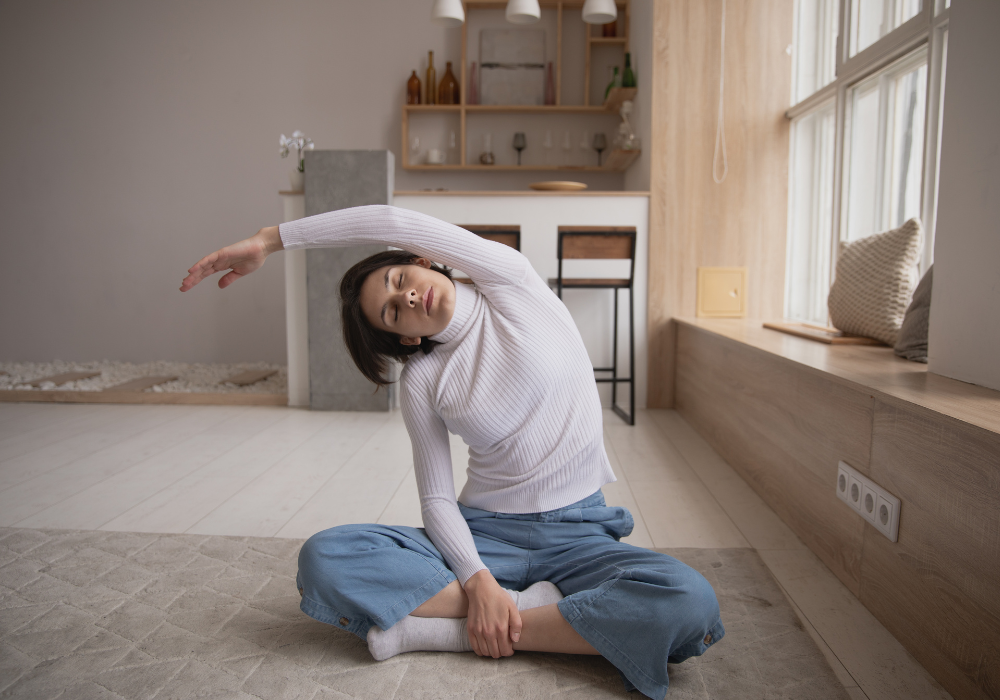
Light physical activity like stretching or leisurely walking can decrease anxiety. Movement helps the body release endorphins, which naturally elevate mood and promote relaxation. Picture the gentle bending of a tree in the breeze as an analogy for these motions.
Shifting environments or engaging muscles briefly interrupts worry loops. This movement rhythm reminds us how the body supports mental resilience. Taking time for a brief walk outside impacts the day’s emotional script, quietly altering mood and focus through movement.
6. Speak kindly to yourself with reassuring and supportive phrases.

Speaking kindly to oneself uses language to support and reassure amidst inner turmoil. Saying phrases like “I am safe” or “I can handle this” transforms an internal landscape. Such words act as a verbal balm, quietly soothing jagged mental edges.
Crafting a vocabulary of encouragement softens anxiety’s grip. Despite seeming simple, these phrases rewire patterns, reminding one of inner strength’s quiet power. In stressful meetings or personal challenges, gentle comments to oneself shift perception in small, meaningful ways.
7. Limit caffeine and sugar intake that can heighten anxiety symptoms.

Caffeine and sugar can amplify anxiety, as excess stimulation makes the heart race. A warm mug of herbal tea offers a tangible alternative. Reducing these stimulants alters the body’s response to stress by promoting steadier energy levels.
Gaining awareness of dietary impacts on mood aids self-management. An interesting notion is seeing how dietary shifts, like an afternoon herbal tea instead of another coffee, alter stress dynamics. Observing these changes can lead to broader understanding of anxiety triggers.
8. Use a cold compress or splash water on your face deliberately.

A cold compress or splashing water on the face triggers a physiological response that cools and calms. This act helps soothe overwhelming emotions. Water’s gentle caress is surprisingly effective, interrupting looping worries with its simple touch.
The brisk shock of cold narrows focus to immediate physical sensations. This shift acts as an emotional reset, contrasting with previous tension. Even in a rushed day, stepping aside to use a cool washcloth brings immediate relief and invites a sense of clarity.
9. Write down your thoughts to externalize worry and gain perspective.

Writing thoughts on paper externalizes worries and clarifies mental clutter. Constructed words become concrete and manageable. This practice distributes the mental load, making burdens feel lighter. The physical act of writing oddly reshapes perceptions.
Committing thoughts to paper can unveil patterns, surprisingly demystifying emotions. This cognitive shift transforms vagueness into articulated clarity. In complex times, the writing desk becomes a stage for fresh perspectives, aiding in seeing the bigger picture through simple words.
10. Engage your senses by holding an object with interesting texture.

Holding an object with a distinct texture grounds the senses. Whether a smooth rock’s gentle coolness or a soft pillow’s warmth, this touch reconnects mind and body. Texture interrupts the inertia of worry, anchoring attention to the present.
Engaging tactile sensations redirects anxiety loops effectively. The everyday hug of a fleece blanket or gritty stone can offer profound comfort in tense moments. Touch rewrites mental narratives, shifting focus naturally from tangled thoughts to familiar physical sensations.
11. Listen to calming sounds or music that soothes your mind.
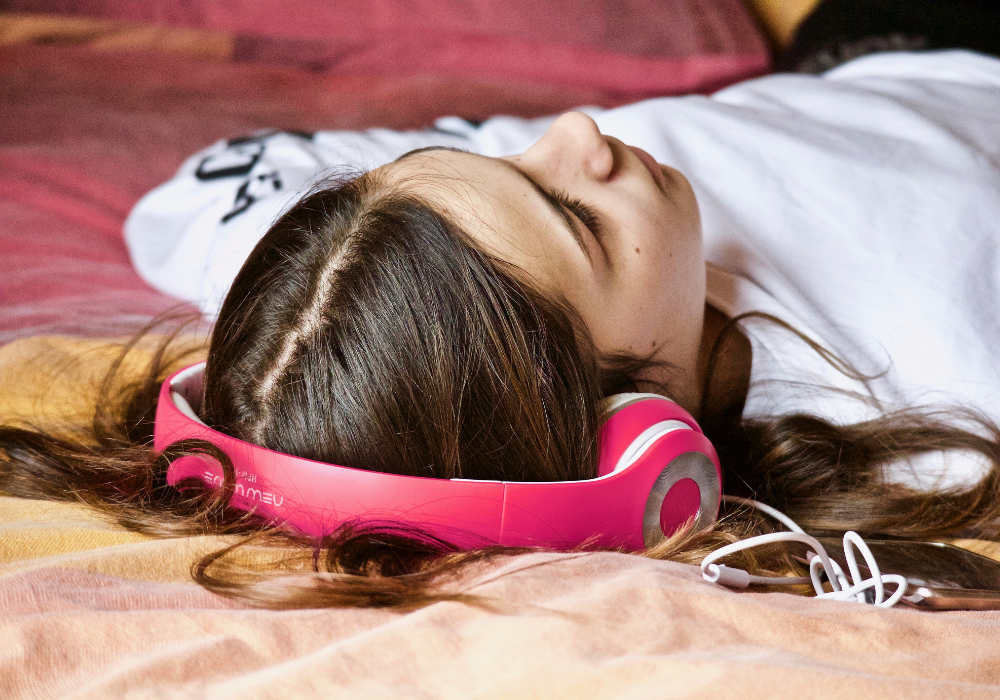
Calming sounds or music, like classical compositions or nature ambiance, create an auditory space to rest. The ebb and flow of sound genuinely soothe frenzied minds. Even hearing rain pour gently against a window reassures the senses.
Sound immersion disrupts anxiety patterns, providing an audio oasis. This resonance helps reorganize thoughts, proving surprising harmony. Exploring sound’s capability to reframe a mindset evokes unexpected solace, transforming a busy office into a calming soundscape through simple, strategic listening.
12. Focus on one small task to redirect your attention steadily.

Focusing on a single, small task recalibrates attention and quiets anxieties. Washing a dish, folding laundry, or organizing a desk demands mindful presence. These deliberate actions distract from greater stressors, concentrating on simple, tangible goals.
Completing menial tasks champions empowerment, as neat order rises from chaos. The unexpected grace in finding meaning transforms mundane chores to reflective solace. Such quiet occupations enable relief amid overwhelm, curbing stress through simple, purposeful actions.