
California supplies much of America’s food, and shrinking water reserves put farms and communities at risk.

California is in the middle of a worsening water crisis, and experts say the impact reaches far beyond the state’s borders. Home to nearly 40 million people, California also produces more than a third of America’s vegetables and two-thirds of its fruits and nuts. Shrinking reservoirs, prolonged drought, and overuse of groundwater now threaten both farms and communities. As supplies tighten, the ripple effects could hit food prices, national supply chains, and millions of Americans who depend on California’s harvests.
1. California Grows America’s Food
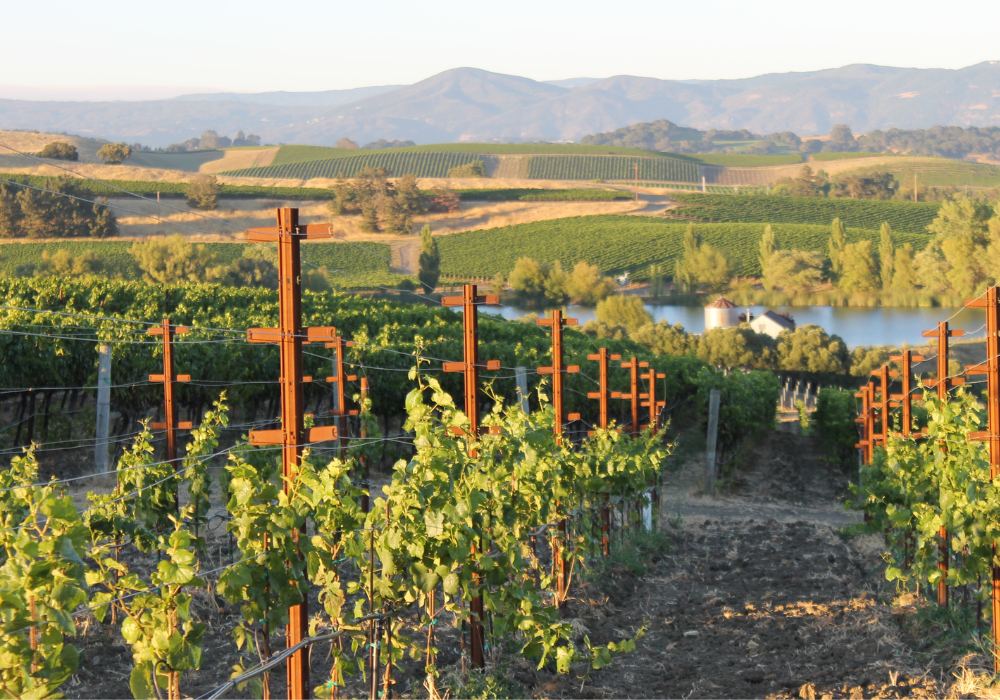
California is the top agricultural state in the U.S., producing more than a third of the country’s vegetables and two-thirds of its fruits and nuts. Crops like lettuce, almonds, grapes, and strawberries depend heavily on irrigation.
As water supplies shrink, farms are forced to cut back or abandon fields. This doesn’t just hurt local growers—it reduces the supply of foods nationwide. When harvests decline, the effect shows up in grocery store prices from coast to coast.
2. Drought Is Becoming the New Normal
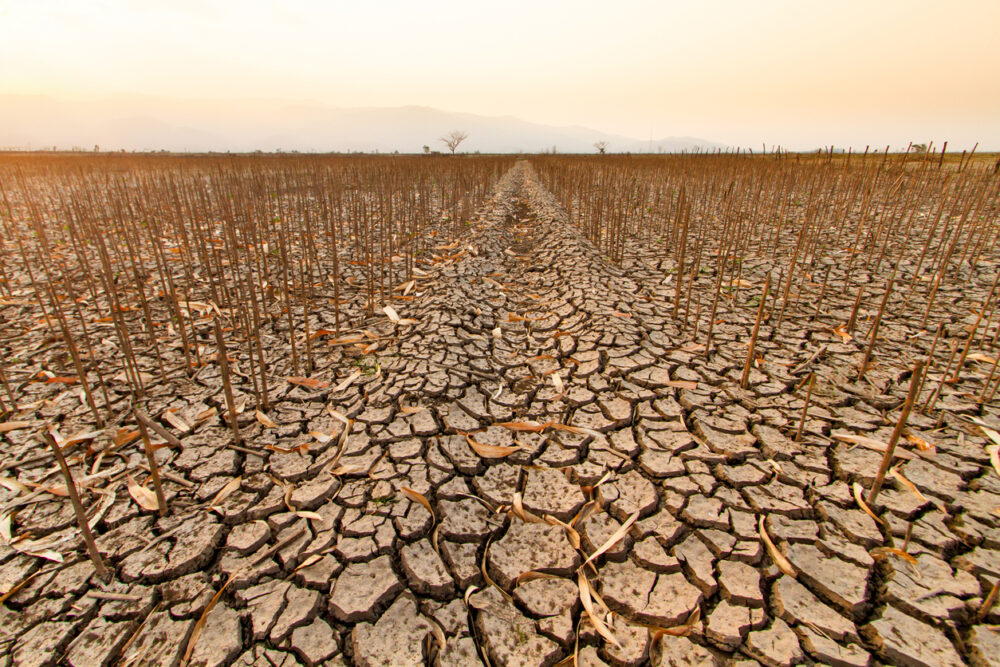
California has always cycled through wet and dry years, but climate change is making droughts longer and more intense. Warmer temperatures increase evaporation and reduce snowpack in the Sierra Nevada, the state’s natural water reservoir.
With less snow and rain feeding rivers and reservoirs, the state relies more heavily on groundwater. Scientists warn that these shifts could make severe drought conditions a permanent part of California’s future, threatening both farming and urban water supplies.
3. Reservoirs Are Running Dangerously Low
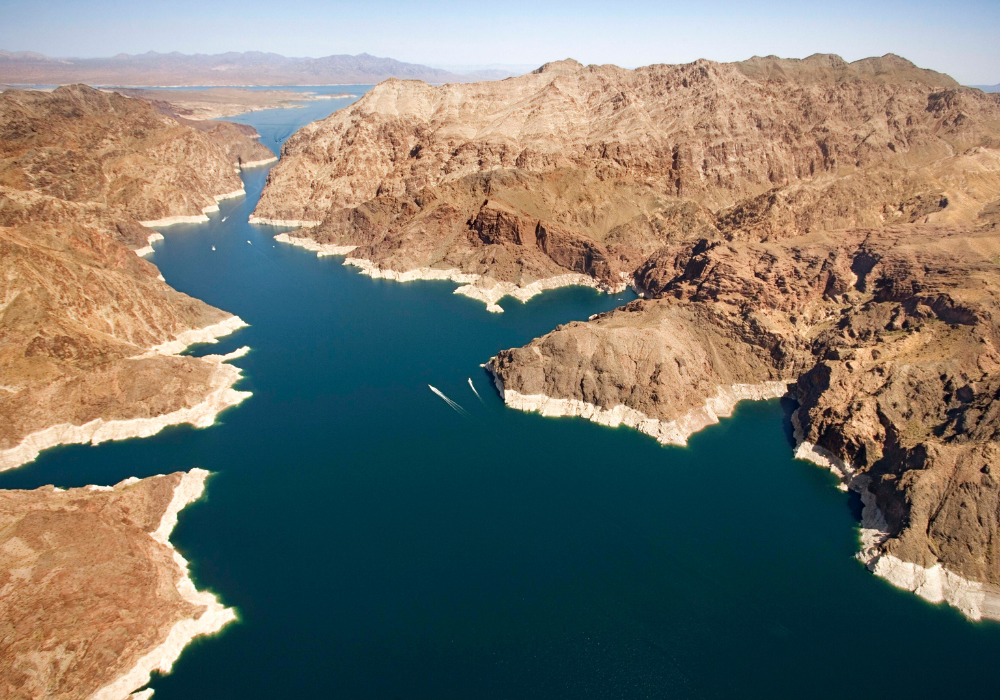
Major reservoirs like Lake Mead and Lake Oroville have reached historically low levels in recent years. These lakes supply water for millions of people and countless farms across the Southwest.
When reservoir levels drop, less water is available for irrigation, drinking, and hydroelectric power. Low levels also threaten wildlife and ecosystems that depend on steady flows. Officials warn that without consistent replenishment, reservoirs may not be able to meet long-term demands.
4. Groundwater Is Being Pumped Unsustainably
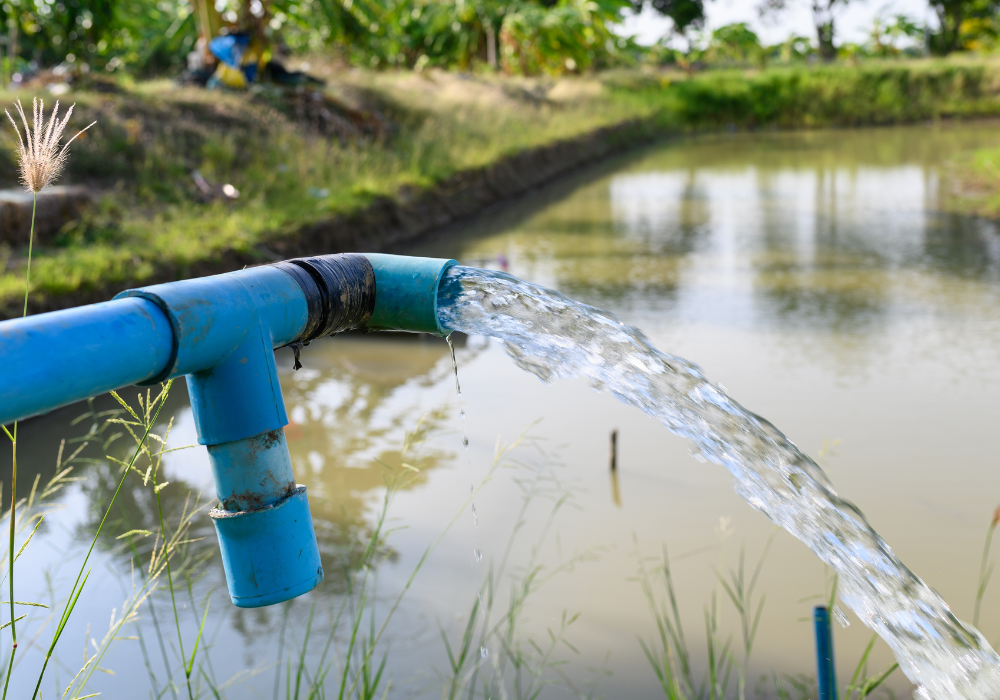
When surface water runs short, farms and cities turn to groundwater. But California’s aquifers are being drained far faster than they can refill. Some regions have seen wells run dry, forcing entire communities to truck in water.
Over-pumping also causes land to sink in a process called subsidence, which damages roads, canals, and other infrastructure. This hidden crisis is harder to measure than shrinking reservoirs but could have even more lasting consequences for California and beyond.
5. Farms Are Cutting Back on Production

As water grows scarce, farmers are reducing the amount of land they plant. Some are switching to less water-intensive crops, while others are pulling out orchards that can’t survive without steady irrigation.
This reduction lowers the supply of key foods. For consumers, that means higher prices and fewer options at the grocery store. For farmworkers and rural communities, it also means lost jobs and declining local economies tied to agriculture.
6. Cities Are Facing Tighter Restrictions
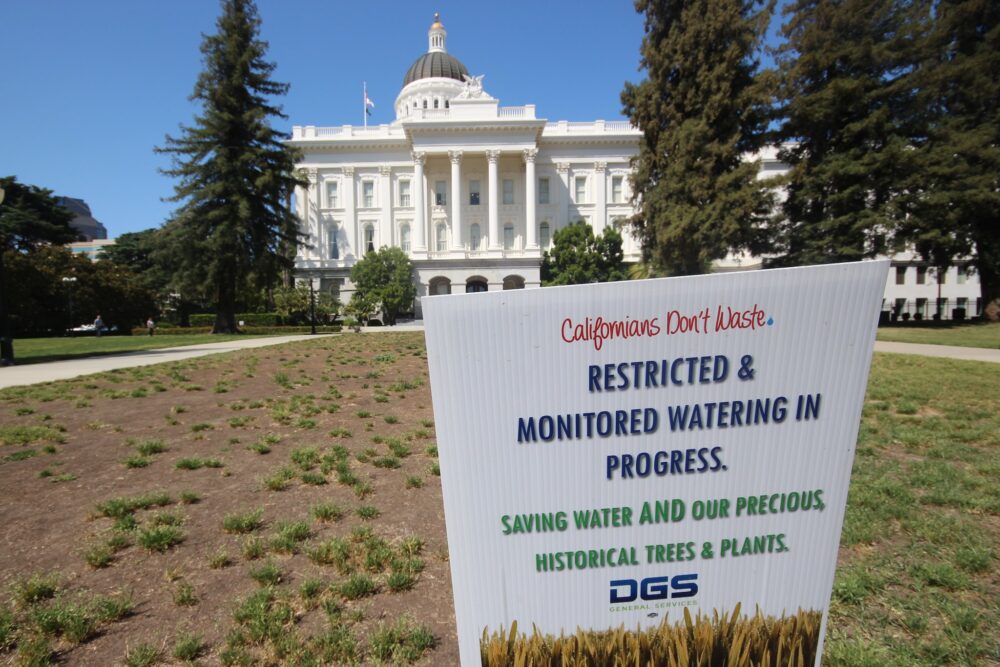
California’s cities, from Los Angeles to San Francisco, are already under pressure to cut water use. Restrictions on outdoor watering, shorter showers, and conservation incentives are becoming a way of life for millions of residents.
Urban demand competes with agriculture, and as supplies shrink, tensions rise over how to allocate what little water remains. If droughts continue to intensify, experts warn that urban restrictions will only grow stricter, changing daily life for millions.
7. Climate Change Is Intensifying the Crisis

Rising global temperatures are amplifying every water challenge California faces. Less snowpack, more extreme heat, and shifting rainfall patterns make it harder for the state to store and distribute water.
This means that even wet years no longer guarantee relief. More rain falls instead of snow, running off quickly rather than slowly melting into rivers. The result is less predictable water supplies in a state that depends on stable storage to support farms and cities.
8. Food Prices Are Rising Nationwide

When California farmers cut production, the ripple effects are felt in stores across the country. Reduced supply pushes prices higher for staples like lettuce, tomatoes, and almonds.
Consumers may not connect higher grocery bills to California’s drought, but the link is direct. If the state’s water crisis deepens, food inflation could worsen nationwide. Economists say water scarcity is now a key factor influencing U.S. food prices.
9. Wildlife and Ecosystems Are at Risk

It’s not just people and farms feeling the strain. Rivers and wetlands depend on steady water flows to support fish, birds, and other wildlife. During drought years, habitats dry up, threatening endangered species like salmon.
As water is diverted to cities and farms, ecosystems are left vulnerable. This ecological stress weakens the natural systems that help purify water, stabilize soils, and support biodiversity—creating another layer of long-term risk from the water crisis.
10. The Nation’s Future Depends on Action

Experts say California’s water crisis is not just a state issue but a national one. Securing America’s food supply will require smarter water management, investment in infrastructure, and stronger climate action.
Solutions include modernizing irrigation, improving groundwater monitoring, and protecting wetlands. But scientists warn that without bold steps, the crisis will only deepen. What happens in California’s fields and reservoirs will shape America’s food security, economy, and environment for decades to come.