
New breakthroughs are on the horizon that could transform how we live, work, and interact every day.

Emerging technologies are quietly shaping the way we live, work, and interact with our surroundings. From smarter automation powered by artificial intelligence to advanced wearable health monitors and intuitive smart home systems, these innovations promise to enhance convenience, efficiency, and security in daily life. While the potential benefits are significant, understanding both the technology and its broader implications—including privacy, accessibility, and adoption challenges—can help individuals adapt thoughtfully to these future shifts.
1. Artificial intelligence enhancements streamline everyday tasks with smarter automation.

Artificial intelligence, with its roots in machine learning, is rapidly improving how everyday tasks are managed. Algorithms analyze patterns and make decisions faster than humans, ensuring jobs—like sorting emails or organizing schedules—are completed efficiently. It’s a silent worker, seamlessly handling the mundane.
Still, the adoption of such AI enhancements can vary by region due to differing infrastructure and access. In some areas, this could mean more leisure time, while in others the technology remains out of reach. The impact depends heavily on accessibility and societal integration.
2. Advanced wearable devices monitor health and wellness in real time.

Advanced wearable devices track health metrics like heart rate and sleep quality in real time. These gadgets, such as smartwatches, offer insights that were once possible only through medical appointments. By providing continuous data capture, they serve as personal wellness guides.
With these wearables, data privacy remains a critical concern. Though they empower users to make informed health decisions, the risk of sensitive information falling into the wrong hands prompts caution. Balancing the benefits with privacy considerations is crucial in their widespread acceptance.
3. Smart home systems create more intuitive and energy-efficient living spaces.

Smart home systems use interconnected devices to create energy-efficient, intuitive living environments. These systems include lights that adjust based on time of day and thermostats learning your temperature preferences. Homes become a partner in comfort and efficiency, anticipating needs before they arise.
However, these conveniences come with potential vulnerabilities. As homes become smarter, risks increase with each connected device. Security features become vital to ensure safety and privacy while enjoying these advanced comforts. Without robust protection, smart homes remain at risk of cyber intrusion.
4. Augmented reality tools blend digital information seamlessly with the physical world.

Augmented reality tools enrich the physical world with overlays of digital data, blending virtual elements into real-life spaces. By merging digital imagery with what’s seen, these tools turn mundane activities into interactive experiences. Shopping for furniture? AR can visualize a new sofa in your living room.
Yet, integrating digital overlays into daily life can blur lines between reality and fiction. While enriching, it requires users to maintain critical thinking about the information presented. Consumers must discern digital enhancements from their natural perceptions for meaningful interactions.
5. Voice-activated assistants grow more responsive and personalized in daily use.
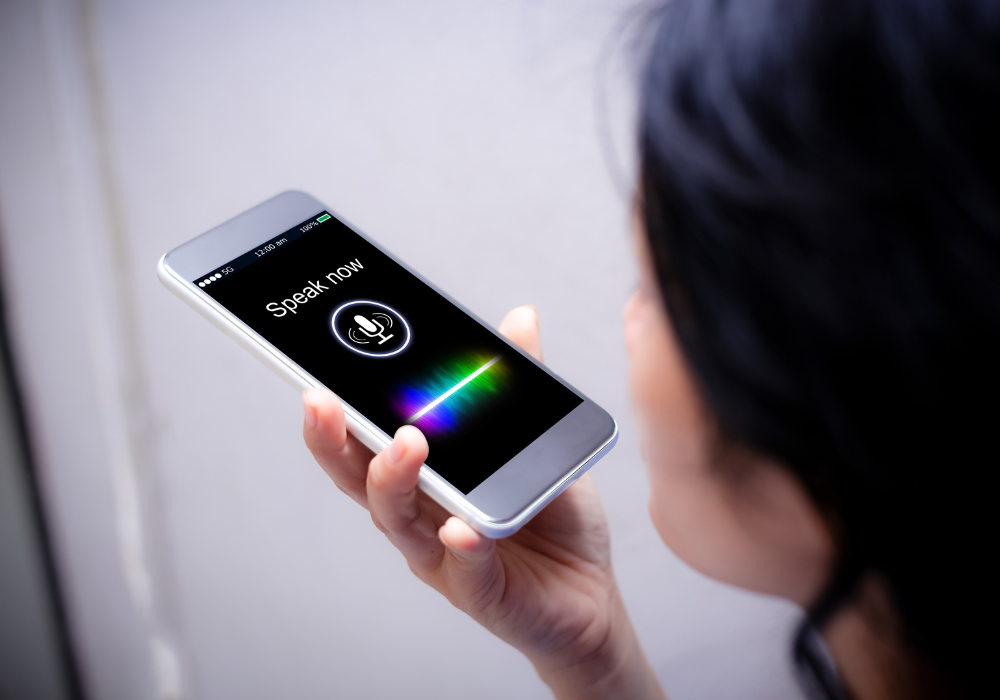
Voice-activated assistants process speech to perform tasks, from setting reminders to streaming music. These devices adapt to individual preferences, learning user habits over time, which creates a personalized experience. Interacting naturally, they integrate seamlessly into the flow of daily routines.
The intimacy of voice interactions also raises privacy flags. As assistants listen attentively for commands, there’s a chance conversations are inadvertently recorded. Users should understand the fine line between convenience and surveillance that these assistants straddle in order to balance utility and privacy.
6. Next-generation battery technology extends device life and supports sustainability.

Next-generation battery technology promises longer life for devices while supporting sustainability. Innovations like solid-state batteries store more energy and charge faster than traditional lithium-ion counterparts, powering gadgets throughout the day. Their longevity and efficiency reduce the frequency of replacements and minimize e-waste.
Energy storage advancements broaden the scope for renewable energy systems, making green energy more viable for homes. This progress opens avenues for wider renewable adoption, but challenges remain in scaling production and lowering costs, both crucial to realizing broad environmental benefits.
7. Autonomous transportation promises safer and more convenient travel options.

Autonomous transportation relies on sensors and algorithms to navigate roadways without human input. By processing real-time data, these vehicles aim to reduce accidents and streamline travel. The potential for safe, efficient movement could dramatically shift urban utility and car ownership models.
Transitioning from theory to reality is complex, with regulatory hurdles and public trust posing significant barriers. Although promising, wider acceptance demands rigorous safety standards and clear operational guidelines, ensuring both safety and reliability in an automated transportation future.
8. 5G connectivity enables faster communication and richer multimedia experiences.

5G connectivity increases data transfer speeds and responsiveness, dramatically enhancing communication. With increased bandwidth, devices stream high-definition video and support complex applications seamlessly. The technology lays foundations for ideas not yet born, fostering a new era of digital interaction.
However, infrastructure development poses a challenge, especially in remote areas. The benefits of 5G are unevenly distributed initially, potentially widening the digital divide. Efforts to expand coverage ensure that advancements are accessible to all, fostering equity in the digital landscape.
9. Flexible display screens introduce new possibilities for portable electronics.

Flexible display screens unlock potential for novel design in portable electronics. Curved, rollable devices introduce new ways to interact with technology, enhancing functionality and aesthetics. Imagine a smartphone unfolding into a tablet, empowering users with adaptable tools for multifaceted tasks.
The durability of these displays remains a question. Balancing flexibility with resilience against wear and tear is key to widespread adoption. The ongoing innovation aims to seamlessly blend form and function, reshaping interactions with our indispensable devices and what they offer.
10. Robotics advance to assist with household chores and personal care.

Robotics designed for the home tackle chores and assist personal care, gradually transforming typical living environments. They perform tasks like vacuuming or basic caregiving functions, providing more time for personal engagements. In homes, robots become reliable companions, easing daily burdens.
Yet, the robotics field faces adoption hurdles due to cost and complexity. Achieving widespread integration requires lowering price points and enhancing user interfaces for broader appeal. Their success hinges on addressing these barriers, making helpful robots a fixture in everyday life.
11. Biometric security systems enhance privacy with seamless user authentication.
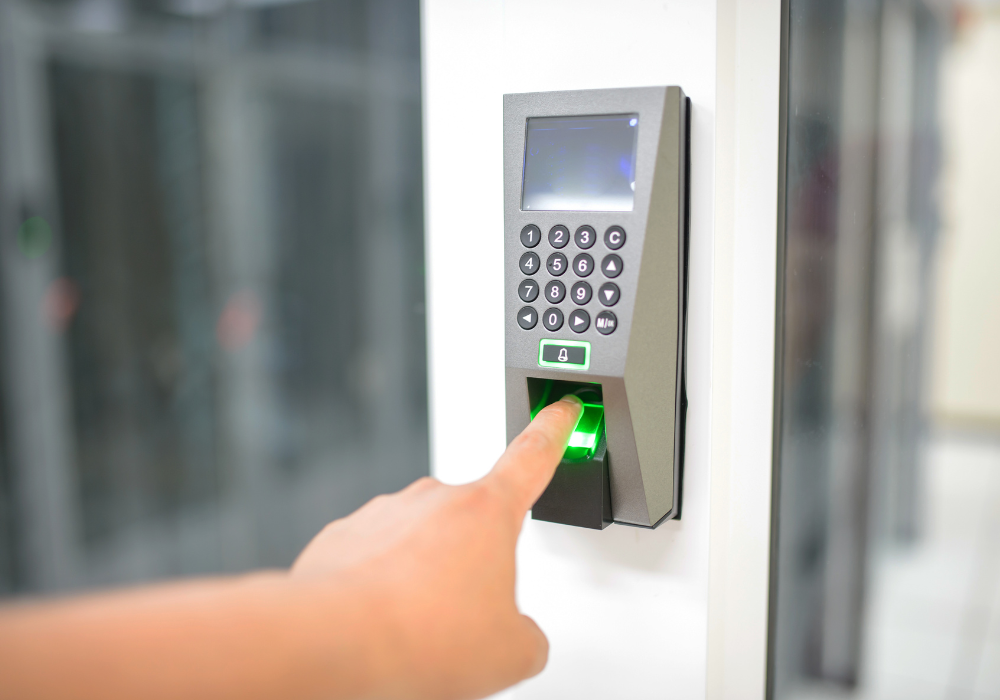
Biometric security systems authenticate users through unique physical characteristics, such as fingerprints or iris patterns. These technologies promise seamless, secure access to personal data and spaces without passwords. By leveraging biological markers, they offer heightened barriers against unauthorized intrusions.
Though security is improved, concerns include potential misidentification and data misuse. Biometric systems need robust safeguards to ensure accuracy and protect personal information, which remains a vital aspect of their development and deployment. As implementation grows, safeguarding privacy takes center stage.