
Meteorologists say shifting winds and ocean patterns are making storm predictions difficult.
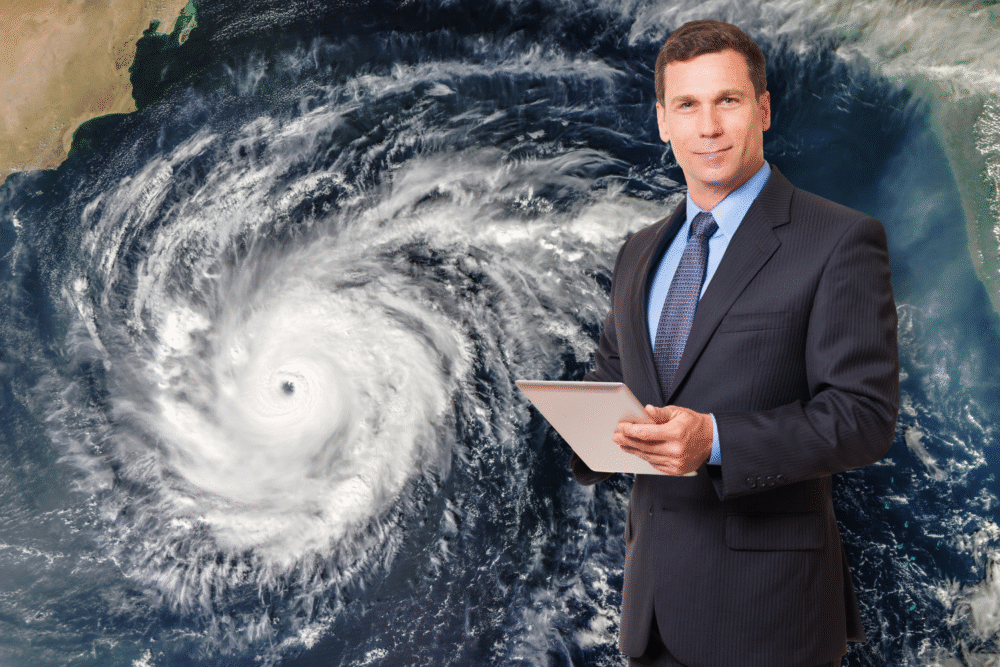
Forecasters say the Atlantic hurricane outlook has grown unusually chaotic, with shifting winds and unstable ocean patterns making predictions far more difficult than normal. Meteorologists describe the upper-air conditions as highly unpredictable, creating challenges for tracking how storms may form or intensify. While this doesn’t mean hurricanes are guaranteed to be stronger, it does mean forecasts could change quickly. Experts warn that such unstable patterns highlight the need for vigilance as the peak of hurricane season continues.
1. Forecasters Say the Atlantic Outlook Has Turned Chaotic
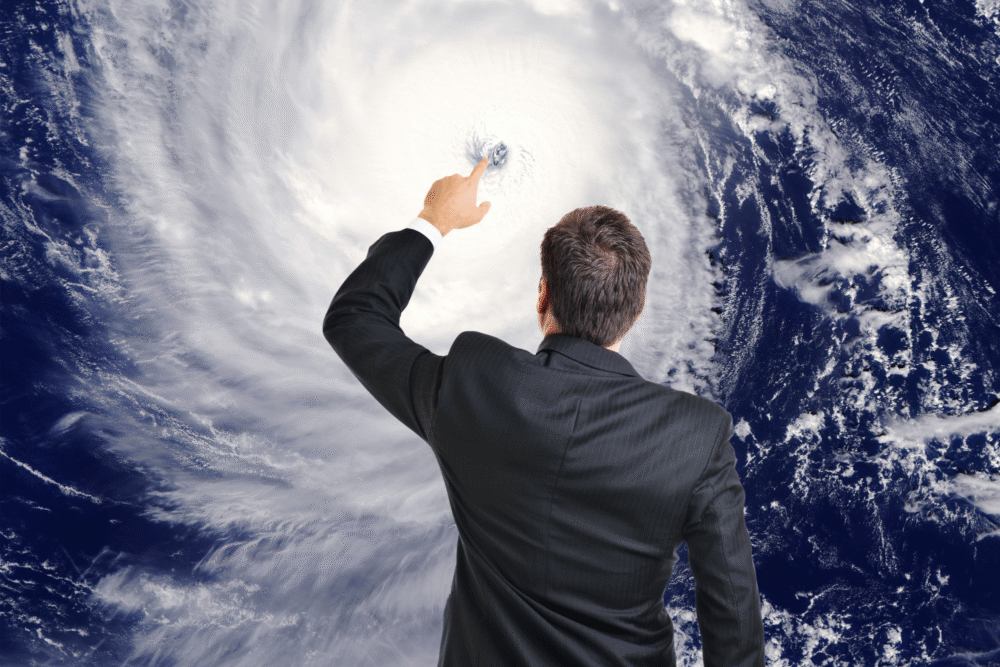
Meteorologists tracking the Atlantic hurricane season report that the atmosphere has become unusually unstable. Normally, by this time of year, patterns are clearer and forecasts more reliable. Instead, shifting winds and ocean conditions are complicating the picture.
This unpredictability doesn’t necessarily mean more storms will form, but it does make planning harder. Communities and emergency managers may get less warning before systems strengthen or change course. Experts caution that everyone in hurricane-prone regions should stay especially alert while the outlook remains uncertain.
2. Upper-Air Winds Are Sending Mixed Signals
The “upper air pattern” refers to winds that flow several miles above the surface. These winds play a major role in guiding and shaping tropical storms. Forecasters now describe this pattern as erratic and difficult to interpret.
Instead of steady, predictable flows, the winds are shifting rapidly, which can both suppress storm development in some areas and fuel it in others. The result is a confusing mix of signals that makes it harder for meteorologists to anticipate where new systems might form or how they may behave once they do.
3. Ocean Conditions Add to the Confusion
Sea surface temperatures across the Atlantic are unusually warm, which typically supports stronger hurricanes. However, forecasters note that these warm waters are interacting with unstable winds in unexpected ways. The combination is complicating the development of storms.
Normally, warm seas paired with calm atmospheric conditions make for straightforward forecasts. This year, the interaction between water and air is less predictable, creating uncertainty. Storms may rapidly strengthen or struggle to form, leaving little lead time for accurate warnings. This unpredictability has raised concern among meteorologists monitoring the region.
4. Predictions Are Changing More Frequently
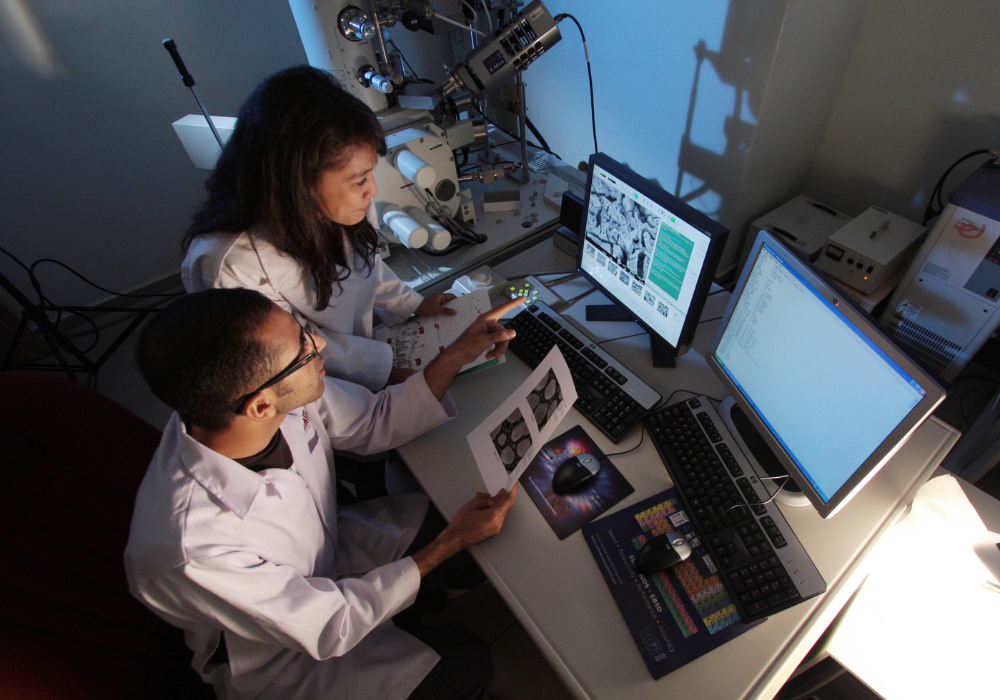
Because of the unstable atmosphere, forecasts are shifting more quickly than usual. Systems that appear weak one day can intensify rapidly, while others that look threatening can fizzle unexpectedly. This volatility makes it difficult for meteorologists to maintain consistent outlooks.
For coastal communities, this means hurricane season feels less predictable. Evacuation planning and emergency preparedness may need to happen faster if conditions suddenly shift. Experts say residents should pay closer attention to forecast updates this year, since small changes in the atmosphere can produce big surprises in storm behavior.
5. Peak Hurricane Season Heightens the Risk

The Atlantic typically reaches its most active phase from late August through early October. With unstable patterns emerging during this critical window, forecasters warn that the stakes are higher than usual. Conditions can change quickly, and even small storms can intensify with little notice.
Meteorologists emphasize that unpredictability doesn’t mean storms won’t happen. In fact, the chaotic mix of winds and warm water may make sudden development more likely. That’s why the current situation is drawing so much attention: it comes precisely when the region is historically most vulnerable to hurricanes.
6. Emergency Managers Face Added Challenges

Officials responsible for disaster response rely heavily on forecast models to prepare evacuations, open shelters, and stage supplies. When the outlook becomes less reliable, those preparations become much harder.
Forecasters say this year’s chaotic conditions could shorten the time between a watch being issued and a storm making landfall. Emergency planners may need to move faster than usual, increasing stress on local resources. The unpredictability of the atmosphere forces communities to prepare broadly, even if they don’t know exactly when or where the next storm might strike.
7. Rapid Intensification Is a Growing Concern

One of the biggest worries during hurricane season is rapid intensification, when storms strengthen dramatically in a short period. The current unstable conditions make such events more likely and harder to predict.
Forecasters warn that a system could appear manageable but then jump to hurricane strength within a day or less. This phenomenon has already been seen in recent seasons, but chaotic winds and warm seas increase the risk further. For residents, that means less time to prepare and a greater need to stay vigilant.
8. Forecast Models Are Struggling With Accuracy
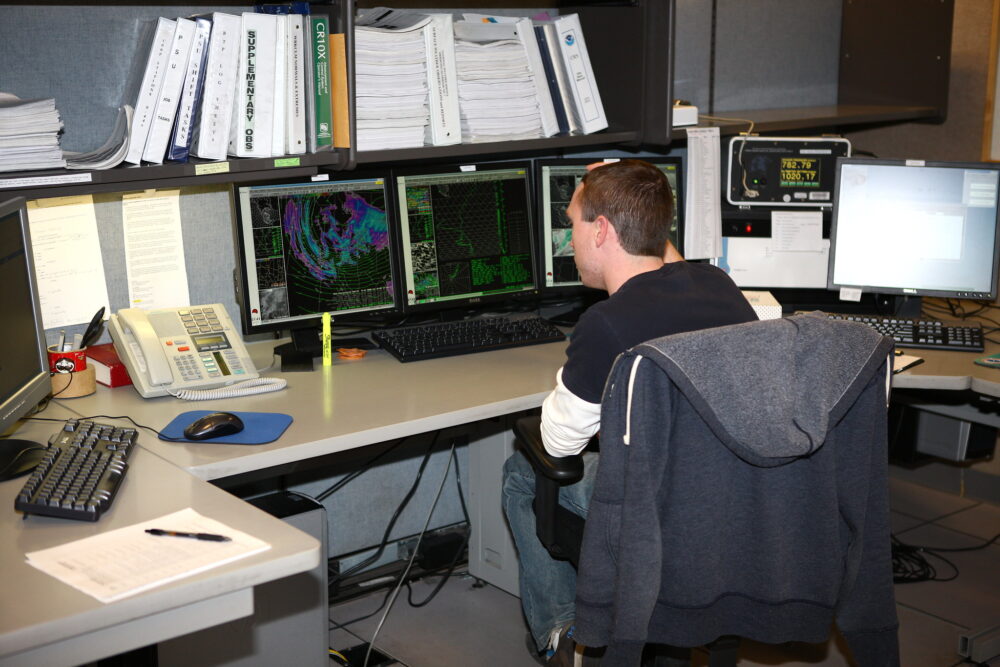
Computer models are the backbone of modern hurricane prediction. They use atmospheric data to project possible storm paths and strengths. But when conditions are unstable, the models produce conflicting results.
Meteorologists say this is happening now in the Atlantic. One model might show a storm growing, while another suggests it will weaken. This makes it difficult to provide clear guidance to the public. As a result, forecasters are urging people not to focus too much on single predictions but to pay attention to overall trends and frequent updates.
9. Scientists Say It’s a Rare Pattern

While chaotic seasons have happened before, forecasters describe the current situation as unusually pronounced. The mix of unstable upper-air winds and record-warm oceans has created a rare combination that meteorologists find especially challenging.
This unusual pattern highlights how complex hurricane forecasting can be. Even with advanced technology, certain atmospheric conditions make long-range predictions unreliable. Scientists emphasize that this doesn’t mean forecasts are useless, but it does mean the public must recognize the limits of current models when the atmosphere is this unsettled.
10. Residents Are Urged to Stay Alert

The most important message from forecasters is simple: don’t let the chaotic outlook lead to complacency. Just because predictions are uncertain doesn’t mean the risks are lower. In fact, unpredictability makes vigilance more important.
Officials recommend that residents in hurricane-prone areas review their emergency plans now. Keeping supplies ready and staying tuned to reliable forecast sources can make a critical difference. With the season’s peak underway and conditions described as unusually unstable, preparation is the best defense against sudden and powerful storms.