
The silence in the woods isn’t peace—it’s a funeral without mourners.
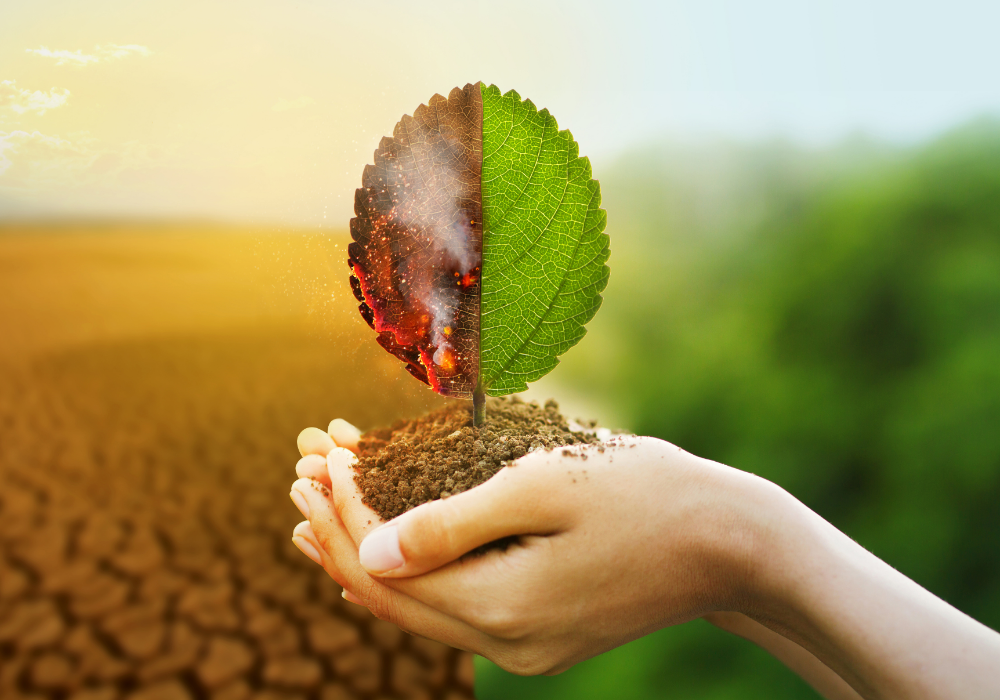
You don’t need a climate model to see what’s happening. You just need to go outside. The birdsong you used to wake up to is quieter now. The fireflies don’t show up in summer the way they used to. Streams that once trickled year-round go dry for months. Nature isn’t vanishing all at once—it’s disappearing in pieces. And most people barely notice until it’s gone.
These losses aren’t isolated or symbolic—they’re warnings. Each vanishing species, each broken cycle, each eerie silence is a sign that the living systems we depend on are unraveling. When the wild breaks down, it doesn’t just hurt animals or forests—it weakens the scaffolding that supports human life. Food, water, health, stability—they’re all tied to ecosystems that are flashing every danger signal they’ve got. The world isn’t waiting for us to act. It’s already changing without us.
1. Birds are vanishing—and taking entire ecosystems with them.
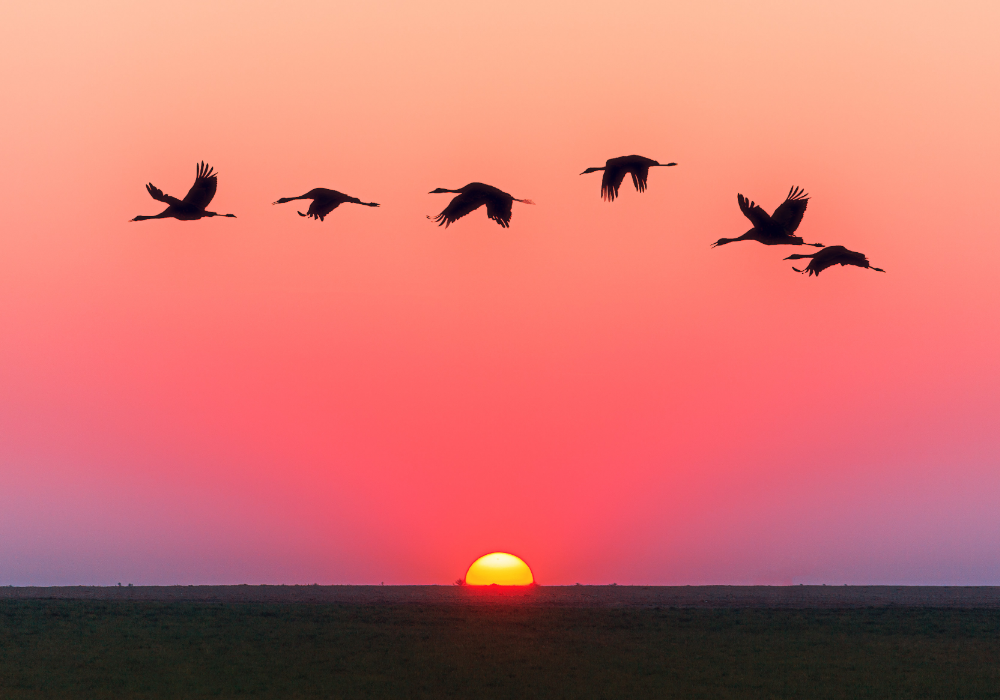
Researchers at the Cornell Lab of Ornithology estimate that nearly 3 billion birds have vanished from North America since 1970. That’s more than one in four. Common species—sparrows, blackbirds, warblers—are suddenly rare. These aren’t fringe losses.
They’re the backbone of food chains, pollination systems, and seed dispersal networks. When birds vanish, everything they keep in balance starts tipping out of control. You might not notice at first. Maybe it just seems a little quieter outside. But fewer birds means more unchecked insects, fewer native plants, and disrupted predator-prey dynamics. It’s a domino effect, and humans aren’t standing outside of it. Birds are also indicators of air quality and environmental health. When they decline, it’s not just their problem. It’s a warning about our shared future.
2. Pollinators are collapsing—and crops are next in line.
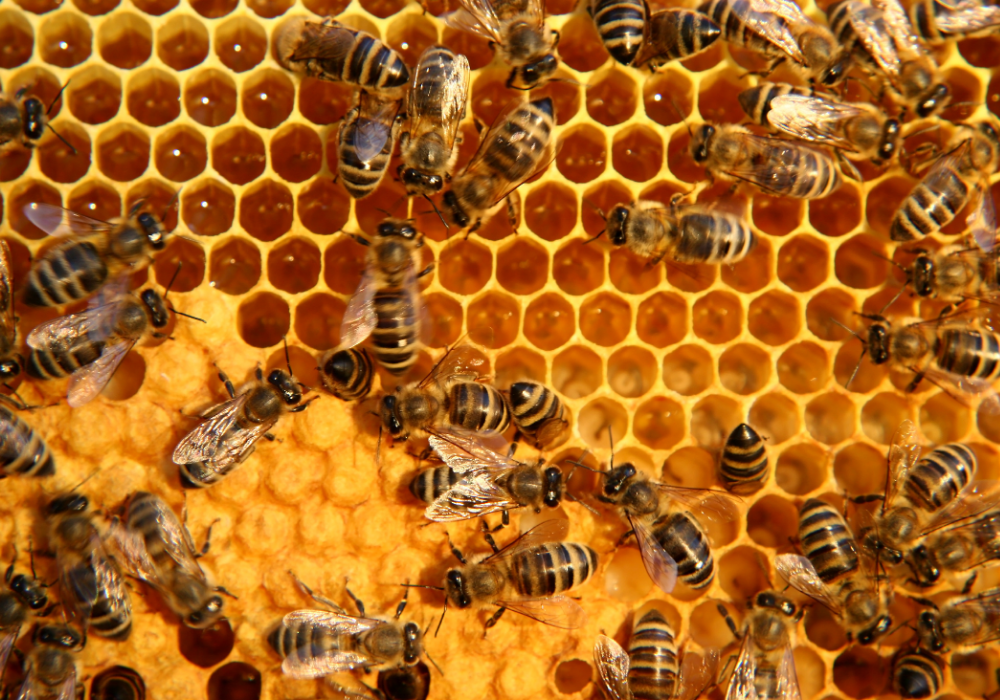
Bees get the headlines, but butterflies, moths, bats, and beetles are also critical pollinators—and they’re all in decline. Kedar Devkota and colleagues report in Current Research in Insect Science that widespread pollinator losses are being driven by a combination of pesticide use, shrinking habitats, industrial agriculture, and accelerating climate shifts. In some areas, entire species have vanished. And without them, our food system starts to fall apart.
Over 75% of global food crops rely at least in part on animal pollination. That includes fruits, vegetables, nuts, and coffee. Without these tiny workers, yields drop, prices rise, and food insecurity deepens. What seems like a small, distant problem—fewer bees in your garden—quickly becomes a global crisis. You can’t have agriculture without ecosystems. And we’re poisoning the very creatures that hold it all together.
3. Coral reefs are bleaching into ghost towns.
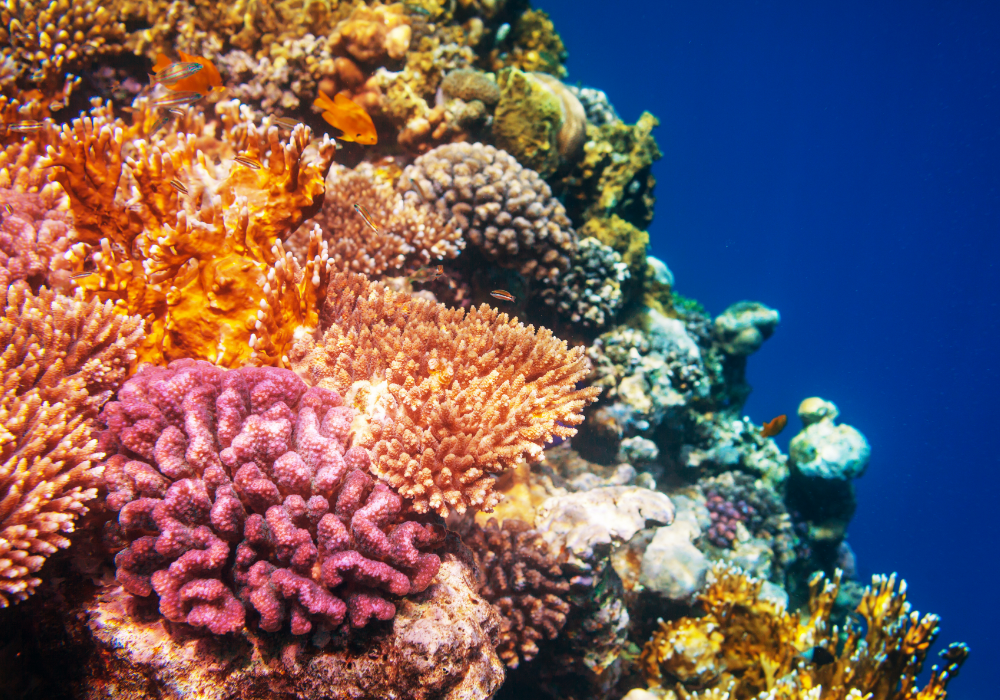
Coral reefs support a quarter of all marine life, but rising ocean temperatures are turning them into colorless skeletons. When water gets too warm, corals expel the algae that keep them alive and vibrant—a process called bleaching. If the heat lasts too long, they die. Experts at the Great Barrier Reef Foundation warn that rising temperatures are causing more frequent and severe bleaching events, pushing entire reef systems to the brink of collapse. These aren’t just losses for scuba divers. Reefs protect coastlines from erosion, support fishing economies, and sustain biodiversity that feeds millions.
When coral goes, the life around it disappears too. Fisheries collapse. Storms hit harder. Livelihoods vanish. And we lose a vital part of the ocean’s lungs. Bleached reefs don’t just look like death—they are death, scaled up and accelerating.
4. Insects are declining—and so is the foundation of the food web.
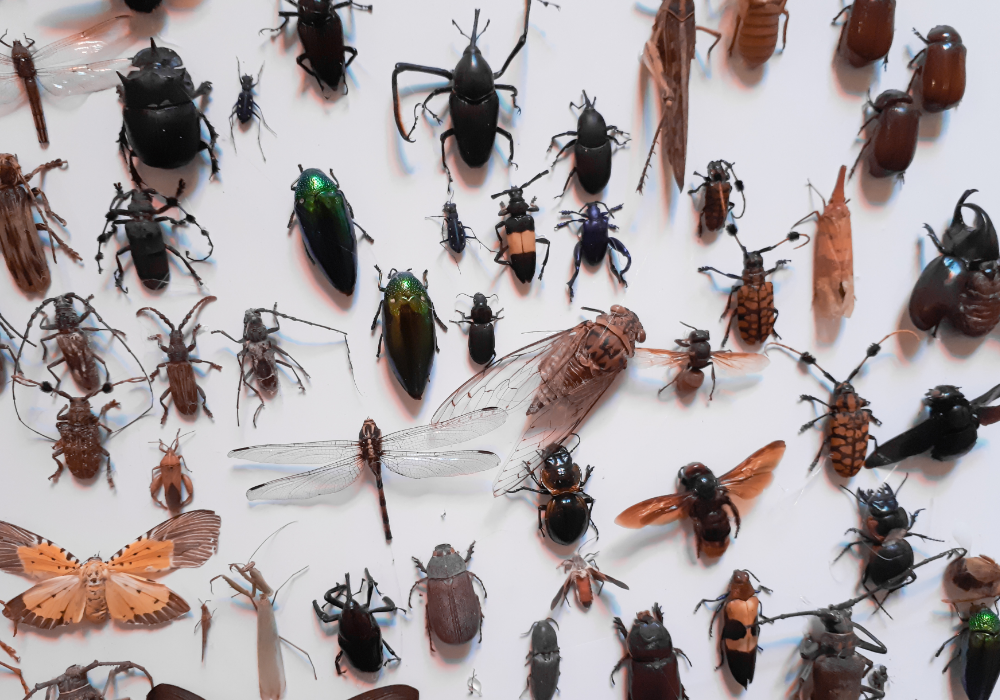
You might not miss mosquitoes or gnats, but insect populations worldwide are dropping at staggering rates—some studies estimate a 70% decline in just a few decades. That includes pollinators, decomposers, and the billions of bugs that serve as food for birds, amphibians, reptiles, and mammals. Insects aren’t a nuisance—they’re the base of the pyramid.
Without them, everything above collapses. Birds can’t feed their young. Frogs disappear. Crops suffer. Soil health declines. Even the smell of earth after rain—caused by bacteria that insects help circulate—begins to fade. We’ve spent so long trying to eradicate insects that we forgot how much depends on them. The silence of missing insects isn’t relief. It’s a red flag.
5. Forests are losing their oldest protectors—and their ability to recover.
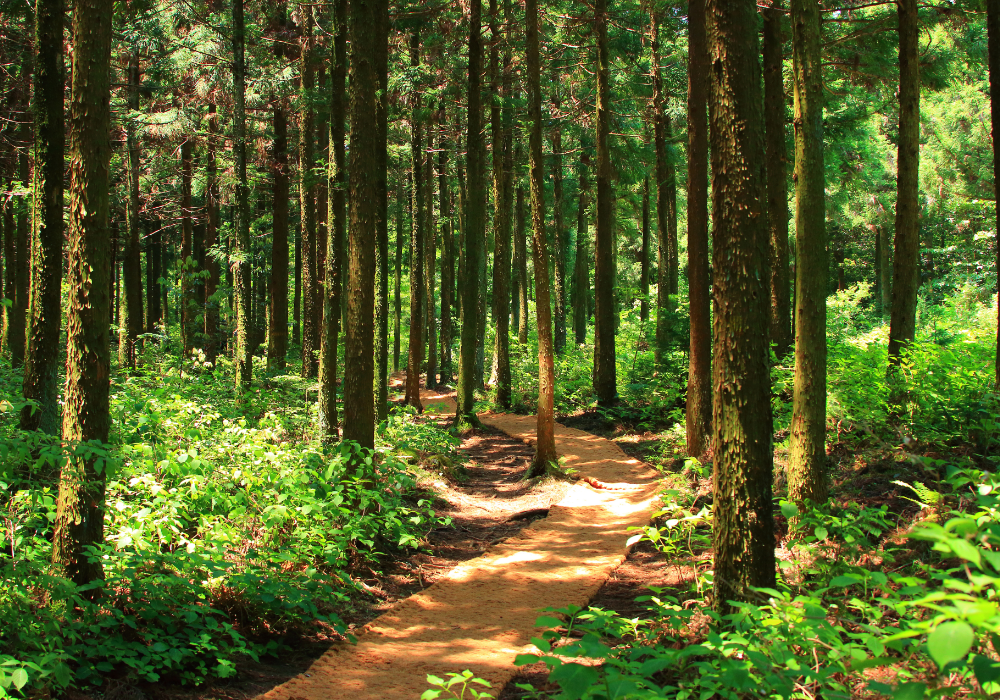
Trees are dying younger. In many parts of the world, ancient forests are being lost to logging, wildfires, drought, and disease. Old-growth trees store more carbon, support more biodiversity, and regulate ecosystems more effectively than young plantations.
When we lose them, we don’t just lose shade—we lose climate stability. You can’t replant a 300-year-old tree. And saplings can’t replace what’s vanishing fast enough. In the Amazon, parts of the rainforest are now emitting more carbon than they absorb.
In the Pacific Northwest, heatwaves are scorching trees into early death. Forests are supposed to be carbon sinks—but we’ve pushed them to the edge. When their protectors fall, so do the systems that kept Earth in balance.
6. Lakes and rivers are drying up—and taking entire communities with them.
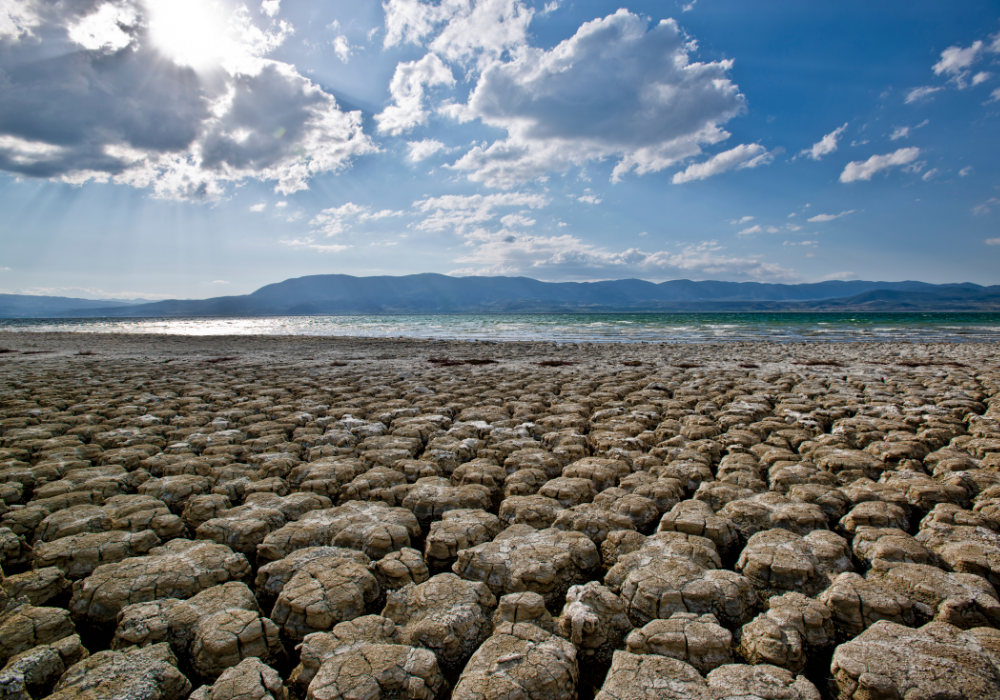
From the Colorado River to Lake Chad, freshwater sources are shrinking. Drought, overuse, damming, and rising temperatures are draining lakes and rivers that millions rely on for drinking water, irrigation, and fishing. As these bodies disappear, entire regions face collapse—agriculture fails, migration spikes, and once-thriving communities are forced to move or die out.
These aren’t abstract losses. Rivers carry culture. Lakes hold histories. When they shrink, they don’t just take ecosystems with them—they unravel everything built around them. And once they’re gone, there’s no quick fix. You can’t pump your way out of an empty watershed. What we lose now could take centuries to return—if it returns at all.
7. Seasons are shifting—and species can’t keep up.
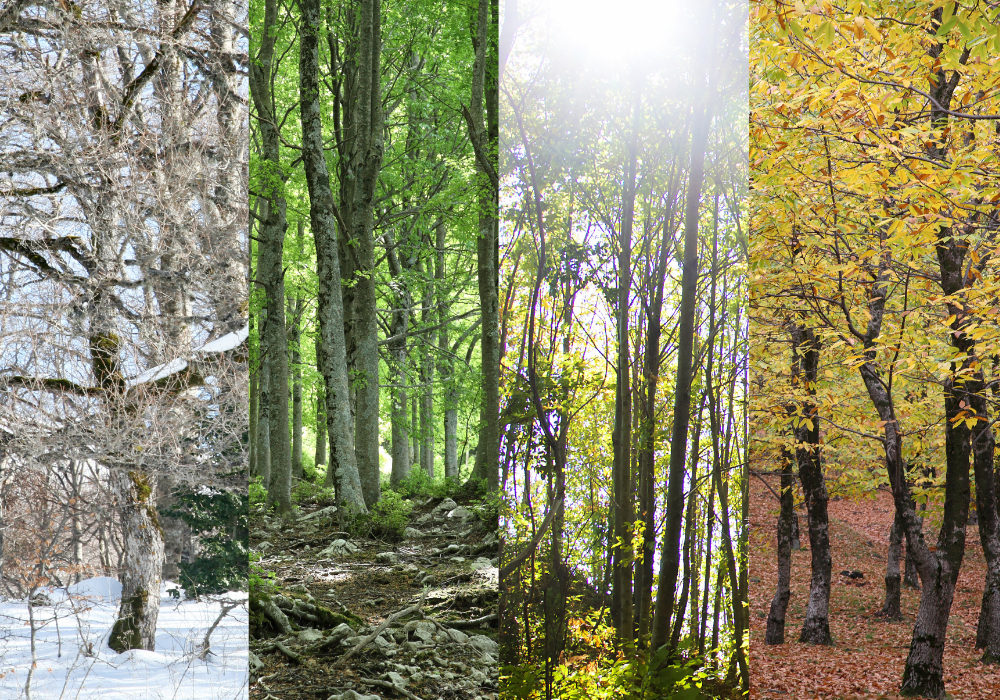
Spring comes earlier. Winters are shorter. Migration patterns, blooming cycles, and animal births are all out of sync. What seems like a subtle seasonal change to us is catastrophic for species that rely on precise timing. Birds arrive before insects hatch. Plants flower before pollinators emerge. Food sources miss their windows, and entire chains of life fall out of step.
This mismatch, known as phenological disruption, destabilizes everything from forests to farmland. It’s not just about animals and plants adapting—it’s about whether they can adapt fast enough.
Evolution doesn’t work on a deadline, and climate change is moving faster than biology can respond. The more the seasons warp, the more fragile the whole system becomes. It’s not just weather—it’s a biological unraveling, ticking forward year by year.
8. Wildlife is moving uphill—and running out of space.
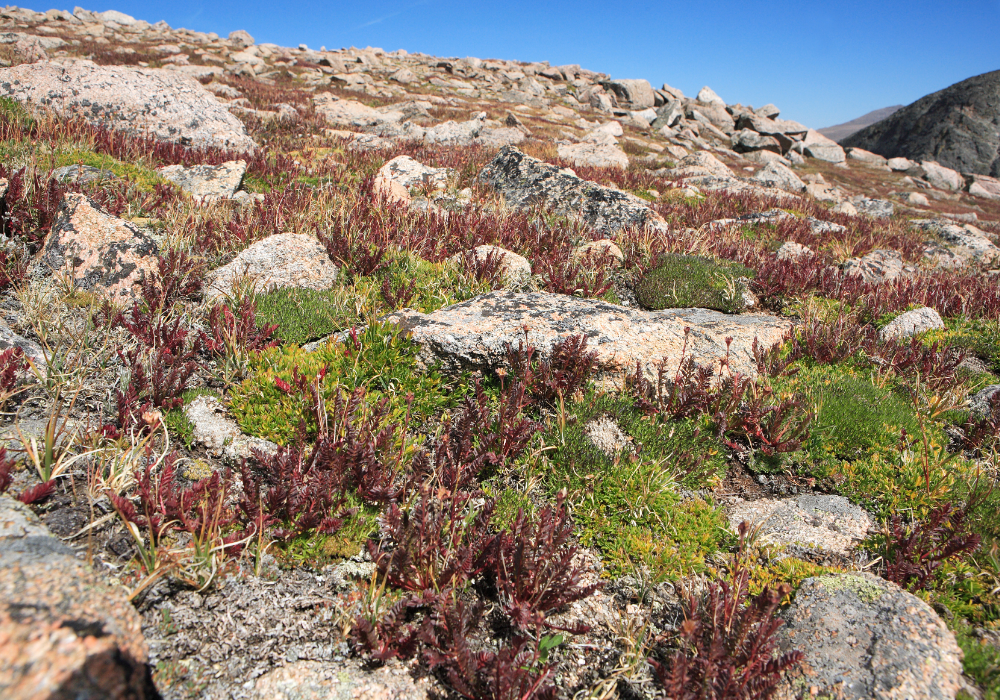
As temperatures rise, animals and plants are migrating to higher elevations or farther poles in search of livable climates. Birds shift their nesting grounds. Insects move north. Alpine plants creep uphill. But there’s a limit to how far they can go. Mountains run out. Tundras don’t turn into forests. Oceans don’t offer shade.
This climate migration creates a dangerous bottleneck. Species that once thrived across wide habitats are now crammed into shrinking, fragmented zones with limited resources. Competition increases. Biodiversity drops. And for many, there’s simply nowhere left to go. This isn’t just about survival—it’s about extinction through slow eviction. The planet is changing faster than the wild can climb.
9. Fungi are disappearing—and taking soil health with them.
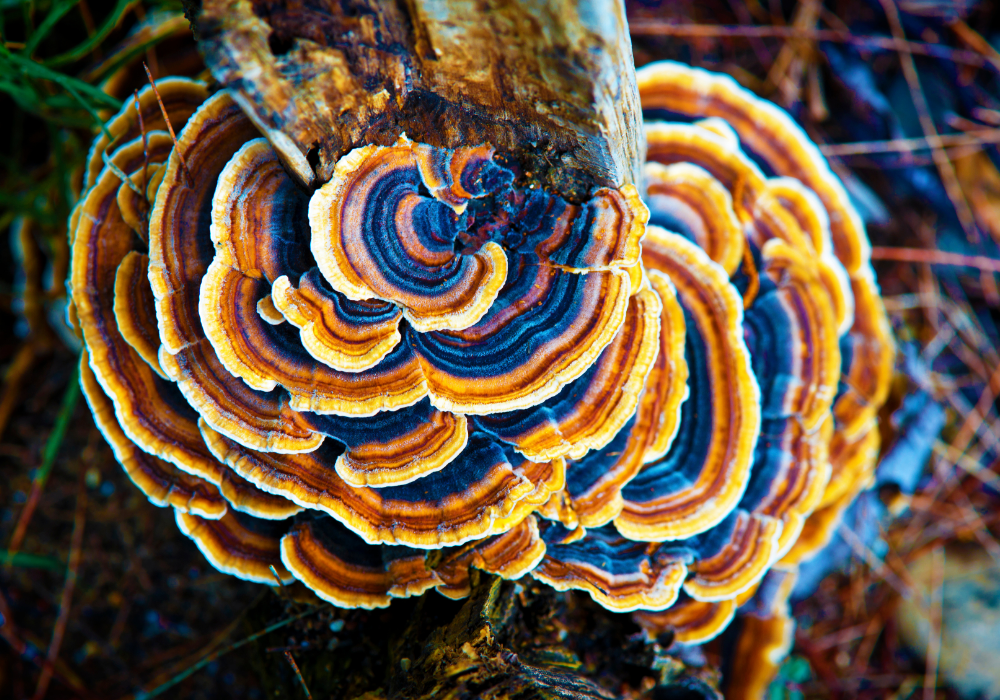
We tend to overlook fungi, but they’re essential to life. Mycorrhizal fungi help trees communicate and share nutrients. Decomposers break down organic matter, returning life to the soil. But pesticides, pollution, monoculture farming, and deforestation are wiping out fungal networks underground before we even understand them. Without fungi, plants struggle. Soil becomes compacted, less fertile, more prone to erosion. Carbon sequestration drops. Forests weaken. And once those systems collapse, regrowth becomes much harder.
Scientists are only beginning to grasp how crucial fungi are—and how many are already endangered or extinct. This isn’t just a quirky footnote to ecosystem health. It’s the slow erosion of Earth’s root system, happening where we can’t see it.
10. Ocean soundscapes are falling silent—and that silence is deadly.
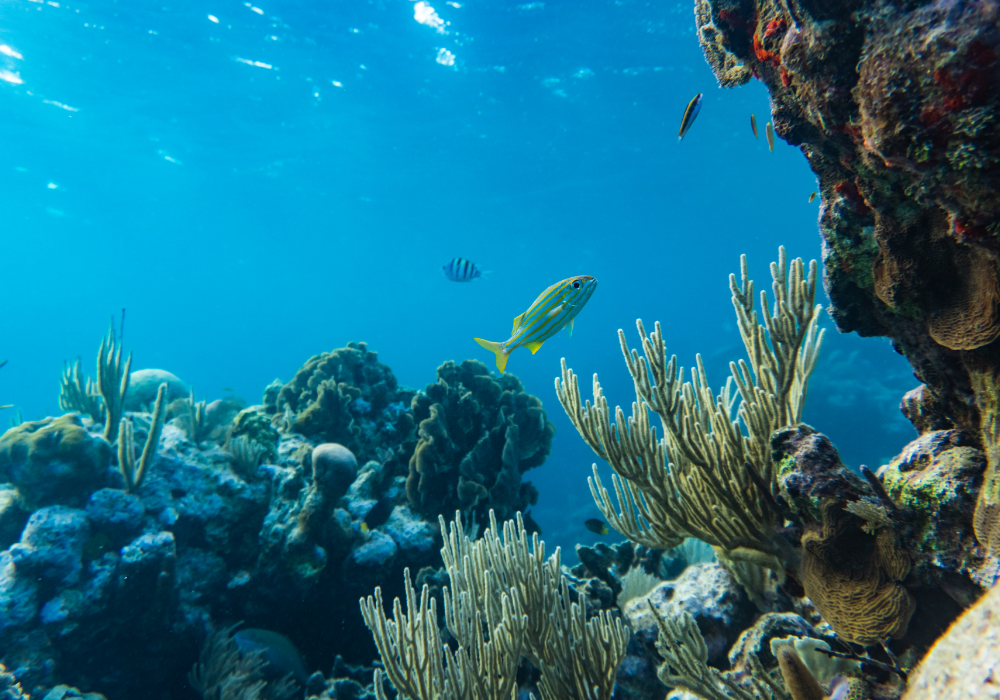
Healthy oceans are noisy. Whales sing. Shrimp snap. Coral reefs crackle with life. But pollution, sonar, shipping, and collapsing ecosystems are quieting these soundscapes. In some areas, marine noise has dropped to eerie stillness.
For ocean creatures that rely on sound to navigate, hunt, or find mates, that silence can be fatal. Sound travels farther in water than light or scent. It’s how whales migrate, how fish school, how dolphins communicate. When that soundscape collapses, so does their ability to survive. A silent ocean isn’t peaceful—it’s empty. And because we can’t hear the loss from shore, we forget it’s happening. The quiet is not a gift. It’s a graveyard.
11. Parasites are vanishing—and that’s not as good as it sounds.
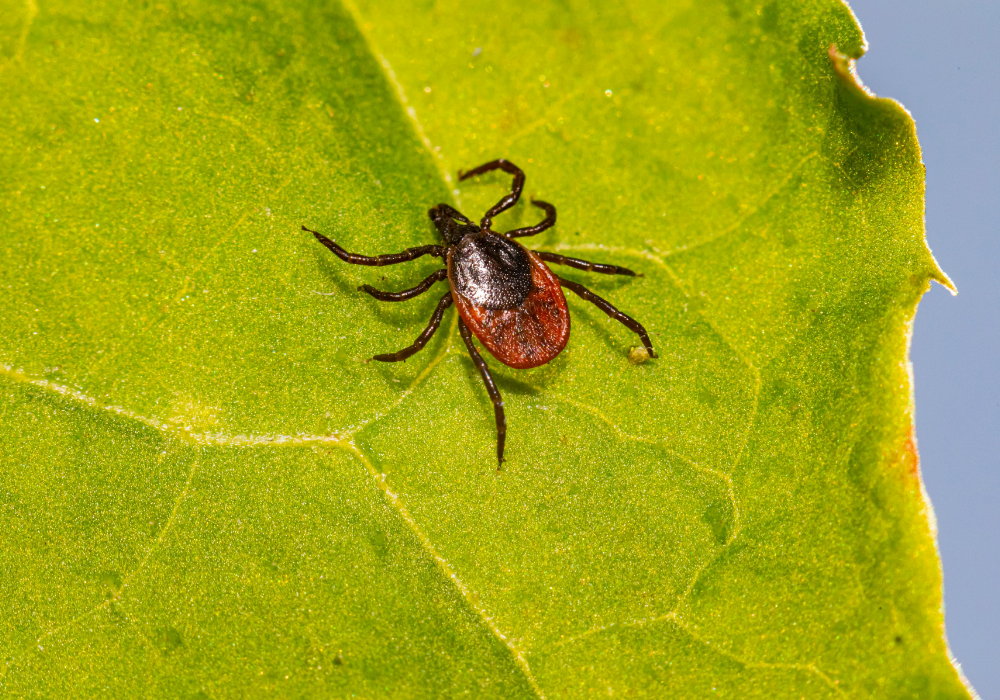
It might seem like a win that ticks, worms, and lice are declining. But parasites play vital roles in ecosystems—regulating populations, balancing predator-prey dynamics, and even helping build immune resilience. Their disappearance signals a broader collapse of biodiversity and micro-ecosystems that we barely understand.
Parasites are often host-specific, meaning they vanish when their hosts decline. That makes them a precise—and early—indicator of ecological breakdown. Losing them means we’re losing the web of life at its most intricate levels. It’s not about loving parasites. It’s about realizing that when even the smallest, most detested creatures are dying off, the whole structure is wobbling. And if that foundation cracks, we go down with it.