
Social media is shaping our minds in ways we don’t even notice.
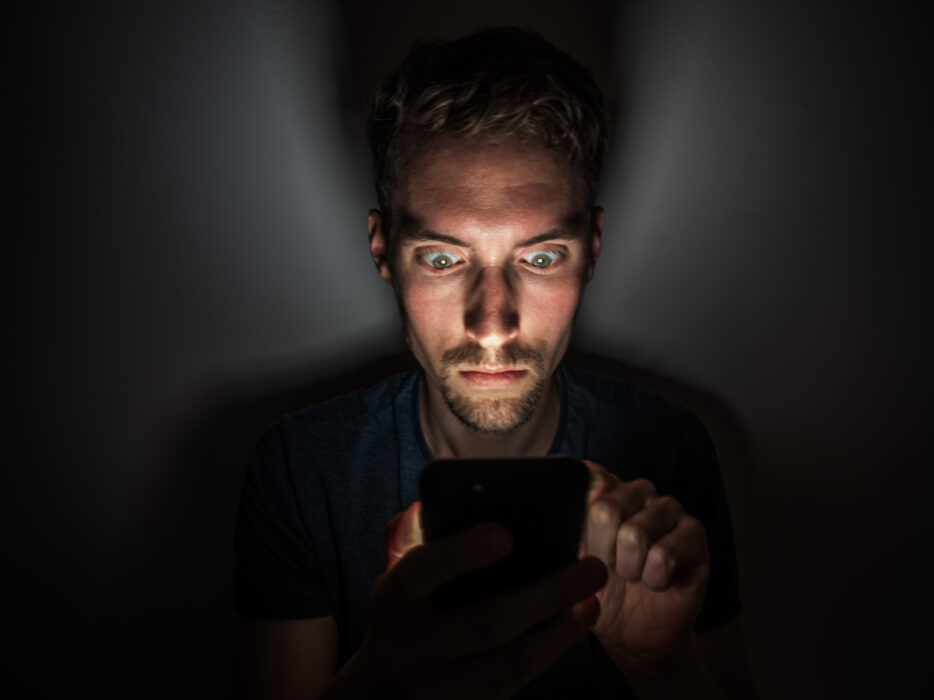
At first glance, a curated social media feed seems harmless—just a collection of aesthetic photos, perfectly edited selfies, and carefully chosen glimpses into other people’s lives. But beneath the glossy perfection, something more insidious is happening.
The pursuit of a flawless online presence is changing the way we think, feel, and interact with the world around us. Comparison culture is driving anxiety, unrealistic beauty standards are warping self-perception, and the dopamine loops of endless scrolling keep us hooked in a cycle we can’t break.
We spend hours crafting a digital version of ourselves that’s more appealing than reality, and in the process, we lose touch with what’s real. The mental toll isn’t just personal, it’s societal. As our feeds get more polished, our minds become more chaotic.
1. Perfection online takes more effort than anyone admits.
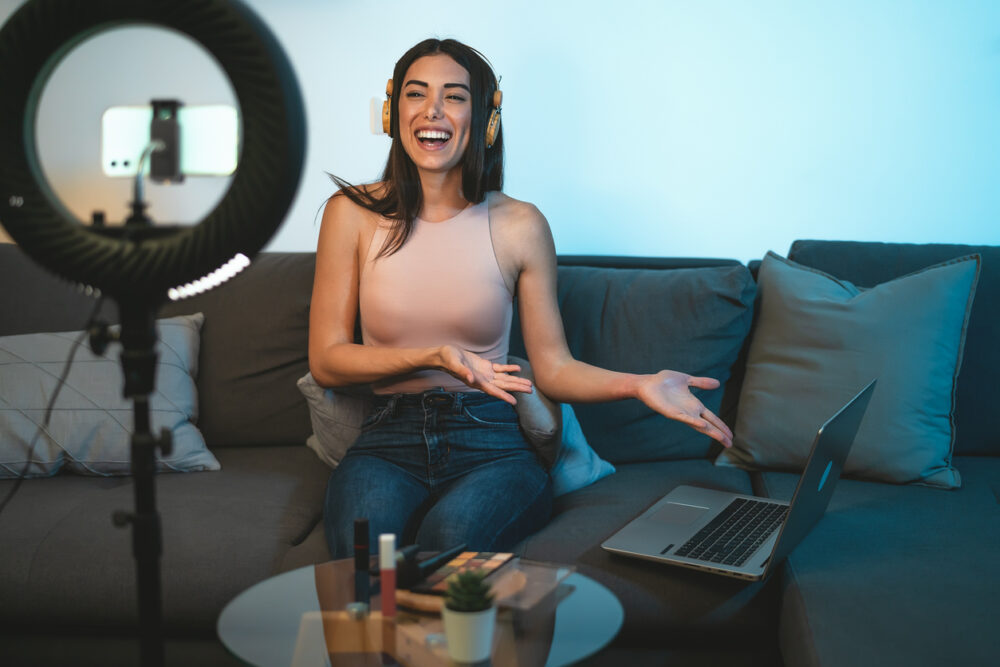
A flawless social media presence doesn’t just happen. It’s carefully constructed, with staged photos, curated outfits, and moments designed to fit a specific aesthetic. That constant polishing creates unrealistic expectations that fuel stress, burnout, and declining self-worth. For younger users, the pressure often starts early, as teens compare themselves to influencers living seemingly perfect lives.
The reality that these moments are manufactured gets lost in the feed. Research from the Child Mind Institute links image-driven platforms to higher anxiety, depression, and body image concerns. People end up chasing an illusion and paying an emotional price.
Follow us and access great exclusive content every day
2. Filters are rewriting beauty standards in real life.

Face-smoothing and beauty filters have quietly reset expectations for what people think they should look like. What began as playful effects are now so common that many users feel uncomfortable posting unedited photos. This normalization has fueled distorted self-image and rising demand for cosmetic changes, often driven by how faces appear on screens.
Social platforms reinforce the problem by favoring flawless-looking faces in their algorithms. Over time, constant exposure to altered images makes natural appearances feel inadequate, blurring the line between real faces and digital perfection.
3. Aesthetic living has turned everyday life into a performance.

Social media is filled with minimalist homes, flawless meals, and wellness-style routines that present an idealized version of everyday life. While these images can feel motivating, they also create impossible standards. Ordinary moments become performances, where even rest has to look polished.
Instead of enjoying life, people spend time staging and editing it to fit an online aesthetic. Messiness is cropped out, creating a false picture of what a “good” life looks like. This constant curation leads to stress, decision fatigue, and the feeling that reality is never quite enough.
4. Social media rewires the brain like a slot machine.

Social media apps are built to be addictive, using the brain’s dopamine reward system much like gambling. Likes, comments, and notifications deliver quick bursts of pleasure that keep users coming back. The problem is that those highs fade fast, while feelings of comparison, anxiety, and inadequacy linger.
Many people fall into a loop of posting, seeking validation, feeling a brief boost, and then crashing when attention drops. This cycle can make real-life interactions feel less rewarding and increase dependence on online approval.
Follow us and access great exclusive content every day
5. No one escapes the comparison trap.

No matter how happy someone is with their life, one scroll through social media can make them feel like they’re falling behind. Someone else has a better relationship, a more exciting career, or a body that seems unattainable.
The constant exposure to curated highlight reels fuels a never-ending cycle of comparison that chips away at confidence and self-esteem. Even when people logically know that social media is a filtered version of reality, it doesn’t stop them from feeling inadequate.
This comparison trap creates an overwhelming sense of dissatisfaction, making people feel like they need to do more, look better, and achieve faster just to keep up. The irony? The people they’re comparing themselves to are likely feeling the exact same way.
6. Digital validation is replacing real connection.
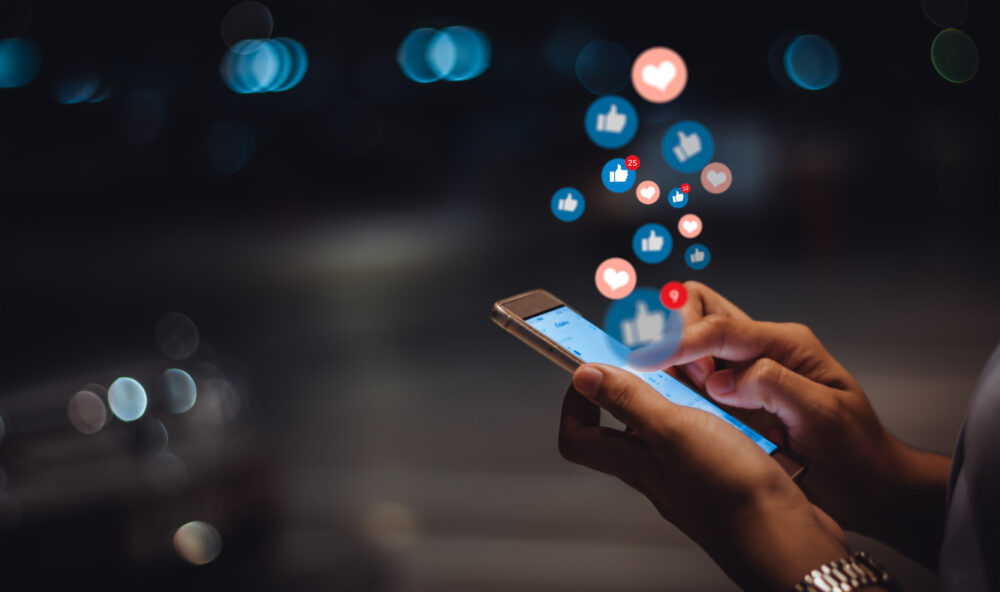
Likes and comments were meant to connect people, but they often replace deeper, more meaningful interaction. Quick digital engagement has taken the place of real conversations, with friendships maintained through passive reactions instead of time spent together.
Many people now experience moments through their screens, recording concerts or meals for sharing rather than fully enjoying them. As more social interaction happens online, emotional closeness becomes harder to maintain. The result is a growing sense of isolation, even while people remain constantly connected and visible to one another.
7. The pursuit of success is fueling quiet burnout.

Likes and comments were meant to bring people closer, but they often replace deeper, more meaningful interaction. Quick digital reactions now stand in for real conversations, with friendships maintained through passive engagement rather than shared time.
Many people experience moments through screens, recording concerts or meals for posting instead of fully enjoying them. As more social interaction is filtered online, emotional closeness becomes harder to sustain.
8. Algorithms are shaping what people value most.

Likes and comments were meant to bring people closer, but they often replace deeper connection. Quick digital reactions now stand in for real conversations, with friendships maintained through passive engagement instead of shared time.
Many people experience moments through screens, recording concerts or meals for posting rather than fully enjoying them. As more interaction is filtered online, emotional closeness becomes harder to maintain.
Follow us and access great exclusive content every day
9. Privacy is being traded for online attention.

Oversharing is the norm, with people broadcasting personal milestones, family moments, and relationships for mass consumption. Children’s lives are documented before they can consent, while adults post their struggles, emotions, and locations for validation.
Meanwhile, platforms harvest and monetize every interaction. Each like, share, and comment feeds a data system that tracks behavior, purchases, and preferences. Privacy is no longer the default; it’s a luxury few truly have. The trade-off for constant connection is a loss of control over one’s digital footprint, where personal details become commodities.
10. People want to disconnect, but breaking free isn’t easy.

Even those who recognize social media’s harmful effects struggle to leave. These platforms are ingrained in professional networks, friendships, and daily routines, making quitting feel impractical. Digital detoxes offer short-lived relief, but most users find themselves pulled back in.
The fear of missing out, professional obligations, and social expectations keep engagement levels high, even among those who feel drained. While many people are exhausted by the pressures of online life, the ability to fully unplug remains out of reach, trapped in a system that profits off their inability to log off.