
Not as green as they look— these everyday items are secretly harming the planet.

Even the most eco-conscious shoppers can get fooled by products that seem plastic-free but are actually hiding synthetic materials. From “compostable” coffee cups lined with plastic to fabrics that shed microplastics with every wash, brands are slipping petroleum-based materials into everyday essentials—and most consumers have no idea.
Greenwashing makes it even harder to tell what’s truly sustainable. Many products are marketed as biodegradable, natural, or environmentally friendly while secretly containing plastic components that never fully break down. As a result, more microplastic pollution, more landfill waste, and more frustration for those trying to reduce their environmental impact. If you’re serious about cutting plastic from your life, watch out for these 15 deceptively plastic-filled products that might already be in your home.
1. Tea bags aren’t as innocent as they look—they’re laced with microplastics.

A soothing cup of tea shouldn’t come with a side of plastic pollution, but many tea bags contain synthetic fibers that release microplastics into your drink. Jenna Anderson of Health reports that some tea bags shed billions of microplastics into hot water due to their nylon or polypropylene sealing, which prevents them from fully breaking down—even in compost. Over time, these tiny plastic particles make their way into waterways, soil, and even the human body.
Switching to loose-leaf tea eliminates this issue, but not everyone wants to give up the convenience of tea bags. Some brands now offer fully compostable options made from plant-based materials. Checking labels for plastic-free certification is key—otherwise, your daily tea habit could be contributing to microplastic pollution without you even realizing it.
2. “Compostable” coffee cups? That sneaky lining isn’t going anywhere.

Paper coffee cups might seem like a better alternative to plastic ones, but most have an invisible plastic lining that makes them impossible to compost at home. Kate Lyons of The Guardian highlights that many products labeled as ‘biodegradable’ or ‘compostable’ do not properly decompose, leading to contamination in compost.
More often than not, these cups end up in landfills, where they break down into microplastics over time. Even some “biodegradable” cups still contain plastic elements.
More often than not, these cups end up in landfills, where they break down into microplastics over time. Even some “biodegradable” cups still contain plastic elements. The best solution? Bring a reusable coffee cup or thermos. If that’s not an option, look for cups with water-based coatings, which are truly compostable and won’t leave behind plastic waste.
3. Chewing gum is basically flavored rubber, and you’ve been swallowing it for years.
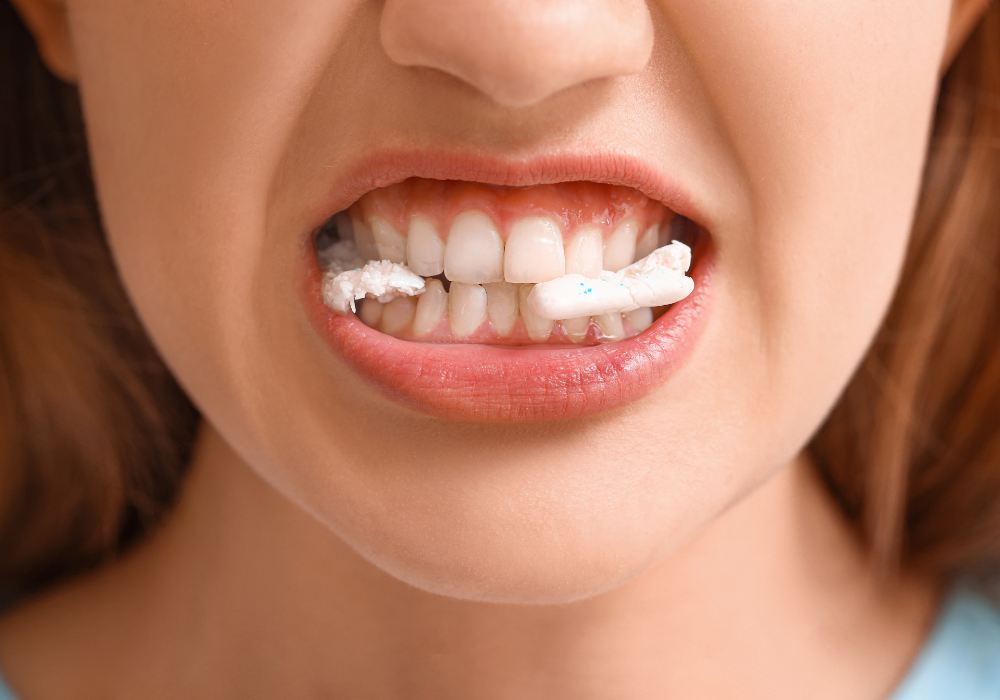
That stick of gum in your pocket is more than just a breath freshener—it’s essentially plastic. Jamie Hailstone of Forbes explains that many popular chewing gums contain a synthetic base made from materials like polyethylene and polyvinyl acetate, which are also used in plastic bags and adhesives. This means gum doesn’t biodegrade, and every piece ever spit out still exists somewhere.
Discarded gum contributes to litter, clogs sidewalks, and even pollutes waterways. Some cities spend millions each year scraping gum off streets. Fortunately, plastic-free gum alternatives are available, made from plant-based ingredients. If avoiding plastic is your goal, checking ingredient labels is crucial—otherwise, you might be chewing on the same materials used in plastic bags.
4. Glossy receipts are coated in chemicals—and they can’t be recycled.
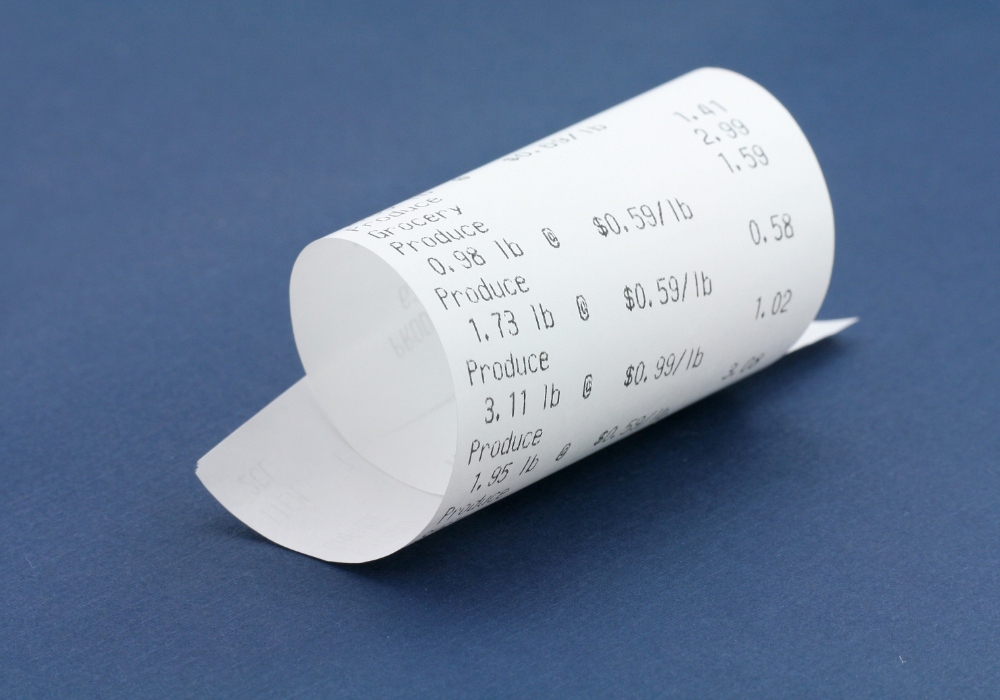
Receipts might seem like harmless scraps of paper, but most are coated with a thin layer of plastic-like chemicals to create that smooth, glossy texture. This thermal paper contains bisphenol A (BPA) or bisphenol S (BPS), which not only make receipts unrecyclable but can also transfer onto your hands.
These chemicals have been linked to hormone disruption, making frequent handling of receipts a hidden health risk. Worse yet, tossing them into the recycling bin can contaminate entire batches of paper recycling.
The best way to avoid them? Opt for digital receipts when possible. If you must take one, keep it out of your recycling and wash your hands afterward to minimize exposure.
5. Wet wipes don’t disintegrate, no matter what the package claims.
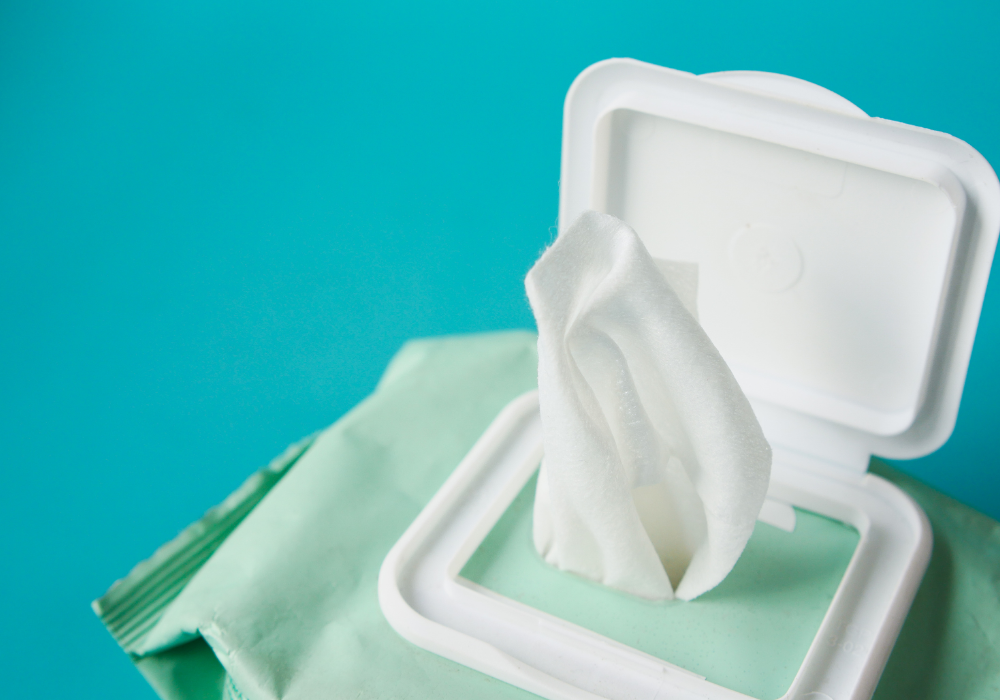
Despite what the label says, most wet wipes don’t break down like toilet paper. Many contain synthetic fibers such as polyester, making them a major contributor to sewer blockages and microplastic pollution. Even those marketed as “flushable” can clog pipes and damage wastewater treatment systems.
Some brands offer biodegradable versions, but these often require specific conditions to break down fully—conditions not found in landfills or natural environments. The best way to avoid waste is by switching to reusable cloths or biodegradable wipes that are certified plastic-free. Otherwise, those convenient wipes could be lingering in the environment for years after they’ve been thrown away.
6. Produce isn’t always as fresh and natural as it looks.
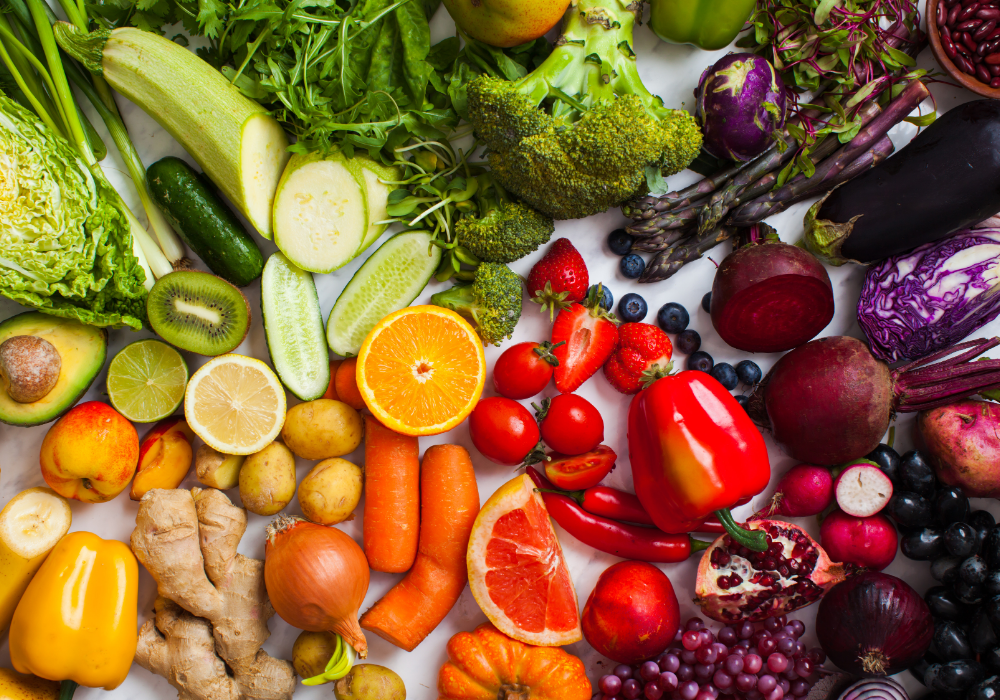
That shiny apple or cucumber in your grocery cart might be coated in a layer of wax—but not all waxes are natural. While some fruits and vegetables are treated with beeswax or carnauba wax, others are coated in synthetic waxes made from petroleum-based ingredients, which can contain polyethylene.
These coatings help prevent moisture loss and extend shelf life but also make it harder for consumers to wash away potential pesticide residues. Scrubbing with water alone won’t remove synthetic wax layers. If you want to avoid them, look for organic produce labeled with natural waxes or buy from farmers’ markets, where fruits and vegetables are often left untreated. Your “fresh” produce might not be as pure as it seems.
7. Those biodegradable trash bags? Most of them don’t actually disappear.
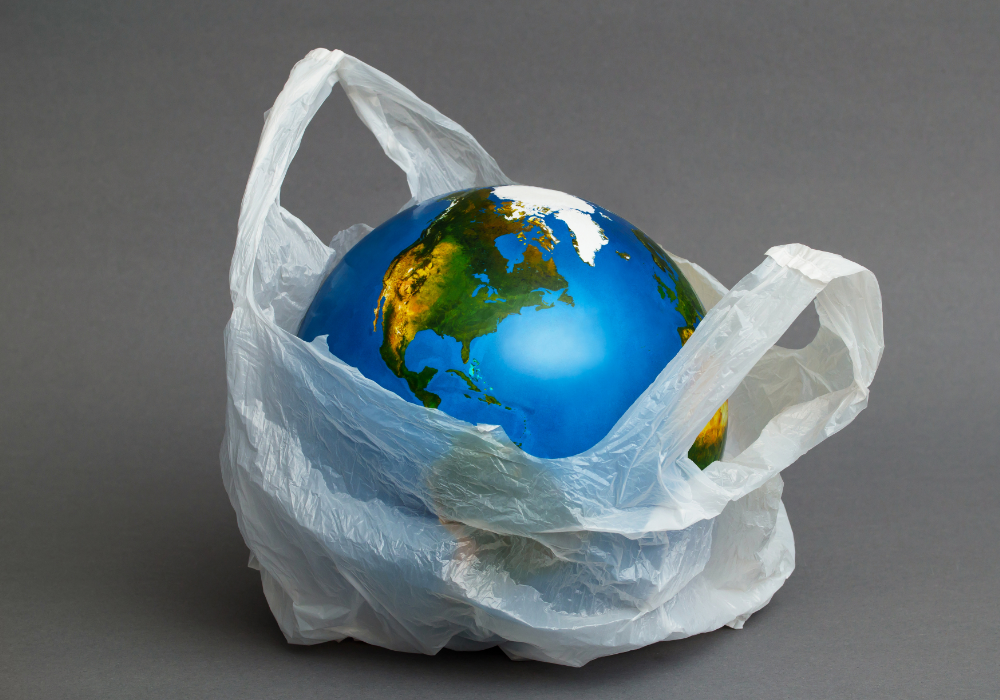
Trash bags labeled as “biodegradable” seem like an eco-friendly fix, but many still contain plastic and require industrial conditions to break down properly. If they end up in a landfill, where oxygen and microbes are scarce, they decompose no faster than traditional plastic bags. Some even fragment into microplastics, worsening pollution instead of solving it.
Compostable bags are a better alternative, but only if they meet certification standards and are disposed of correctly. Many home composting setups don’t reach the temperatures needed to break them down completely. The best approach? Reduce trash bag use altogether by composting food scraps, opting for paper liners, or reusing existing bags when possible. That “biodegradable” label doesn’t always mean what it claims.
8. Clothing made from recycled bottles is still shedding something nasty.
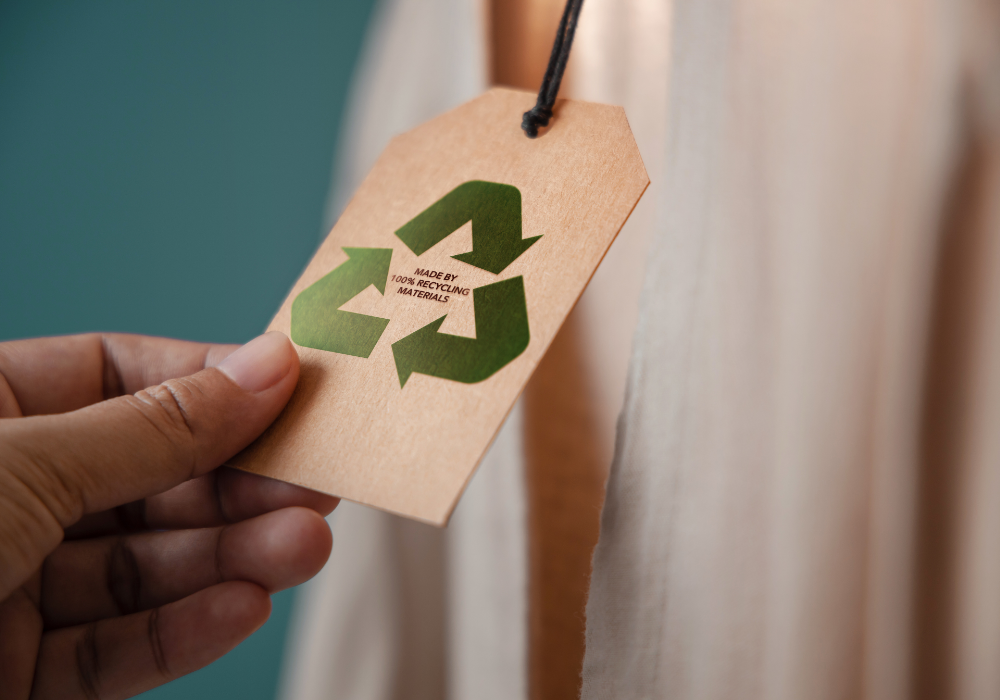
Recycling plastic bottles into fabric sounds like a great idea, but these synthetic fibers shed microplastics every time they’re washed. Tiny fragments rinse out into water systems, polluting oceans, lakes, and even drinking water. Once released, these plastic fibers are nearly impossible to remove from the environment.
While repurposing plastic for fashion helps reduce landfill waste, it doesn’t stop long-term pollution. Clothes made from polyester, nylon, and fleece are the worst offenders.
Choosing natural fibers like organic cotton, linen, or wool is a smarter choice for sustainability. If synthetic fabrics are unavoidable, washing them in a microfiber-catching laundry bag can help prevent plastic particles from escaping into waterways.
9. Face scrubs and toothpaste may still be packed with artificial grit.
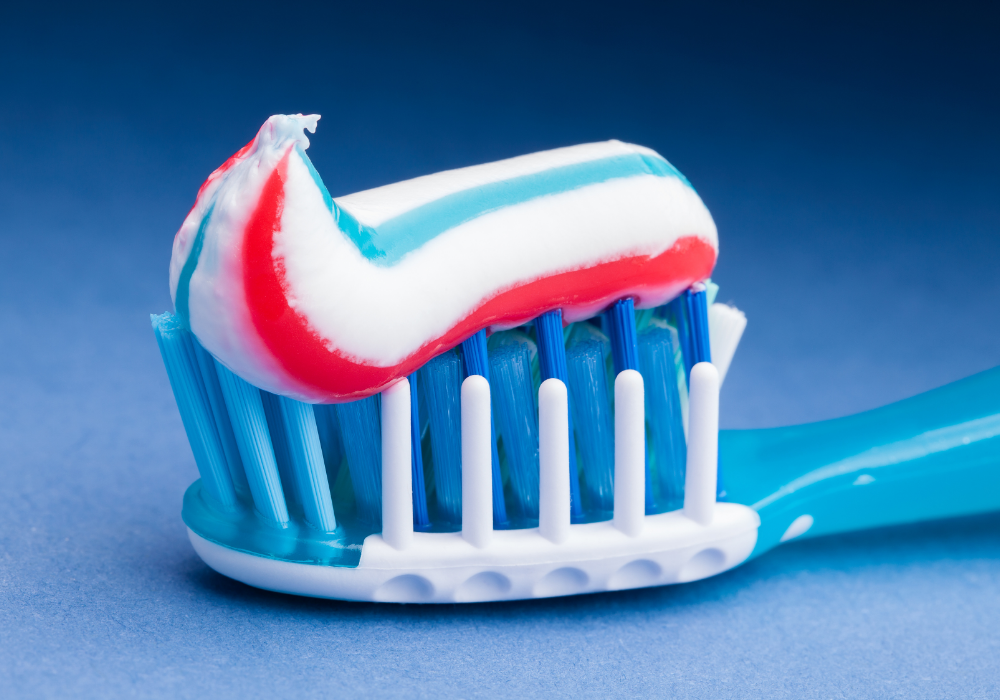
Microbeads were banned in many countries, but personal care products haven’t fully shaken plastic-based ingredients. Some exfoliating scrubs, toothpaste, and body washes still contain synthetic abrasives under names like “polyethylene” or “acrylates copolymer.” These tiny particles rinse down drains, where they pollute waterways and harm marine life.
Even “natural” or “gentle exfoliation” claims can be misleading. Some brands still sneak in plastic-based fillers, making it hard to tell what’s truly biodegradable. Checking ingredient lists is the best way to spot hidden plastic in your routine. Swapping to products with salt, sugar, oatmeal, or crushed fruit pits as exfoliants ensures your skincare routine isn’t washing microplastics into the ocean.
10. Glitter makes everything sparkle—except the environment, where it never disappears.
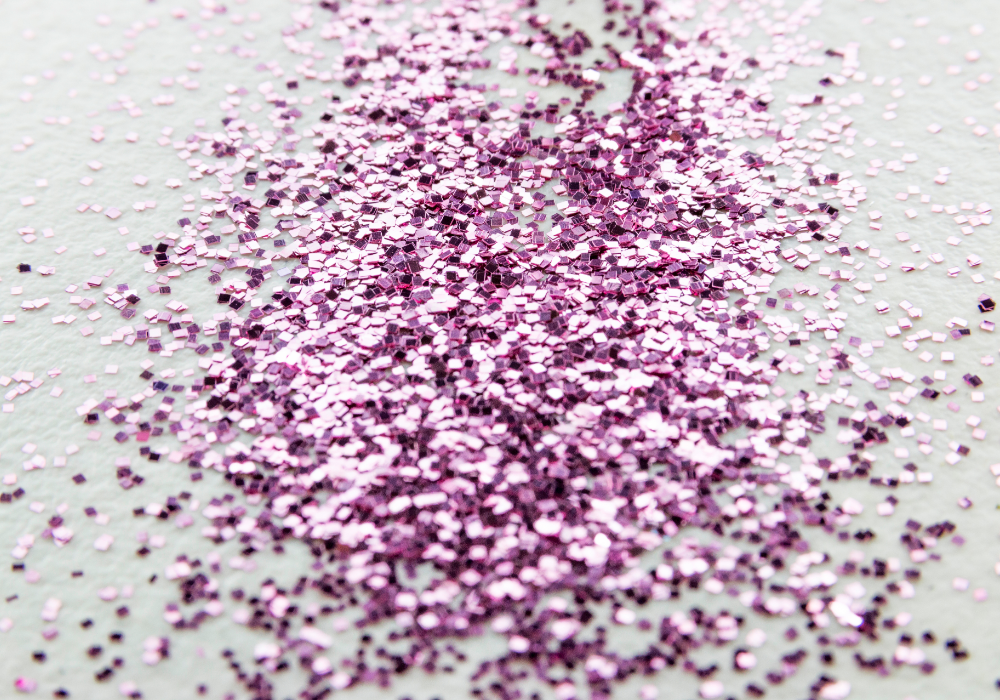
Glitter may look harmless, but it’s just tiny plastic fragments that never break down. Once washed down sinks or scattered in the air, glitter pollutes oceans, soil, and drinking water, harming wildlife along the way. Since it’s made from polyethylene terephthalate (PET) and aluminum, traditional glitter is essentially microplastic confetti.
Some brands now sell biodegradable glitter, but many versions still contain synthetic elements that take years to decompose. Eucalyptus-based glitter is a better option, breaking down naturally without harming ecosystems. Avoiding glitter altogether is the only way to guarantee that sparkle isn’t leaving behind an environmental mess. Otherwise, every shimmer from craft supplies to cosmetics contributes to long-term pollution.
11. Sponges and scrub pads are quietly unraveling into your drains.
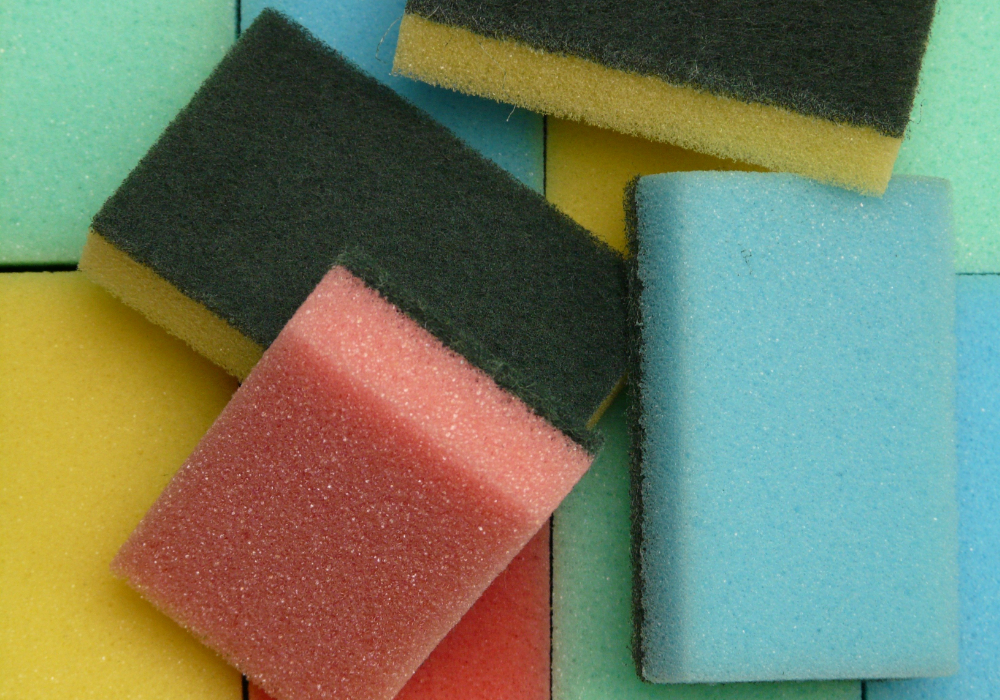
That kitchen sponge might be scrubbing more than dishes—it’s also shedding plastic particles into the water system. Most sponges and scrub pads are made from polyester or polyurethane, materials that break down with use and contribute to microplastic pollution.
Once they start falling apart, these synthetic sponges don’t decompose, meaning they’ll sit in landfills for centuries. Switching to plant-based alternatives like loofahs, natural fiber scrubbers, or compostable sponges helps cut down on plastic waste. Even better, biodegradable sponges can be composted at the end of their life, making them a truly zero-waste cleaning option. The next time your kitchen sponge needs replacing, go for one that won’t leave behind microplastic pollution.
12. Menstrual pads and tampons are hiding more than just absorbent materials.
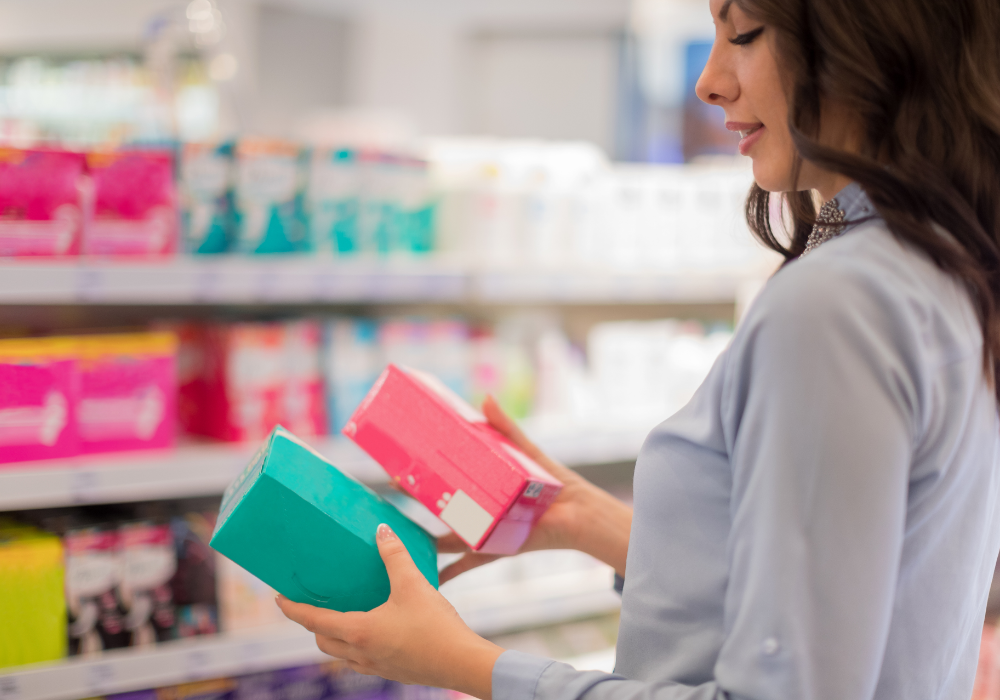
Most mainstream menstrual products are packed with hidden plastics. Pads contain polyethylene-based waterproof layers, while tampon strings and applicators often include synthetic fibers that don’t break down. Even “organic” tampons may still shed microplastics, adding to environmental waste.
Each year, billions of these products end up in landfills or flushed into sewage systems, where they contribute to pollution. A more sustainable option?
Reusable menstrual cups, period underwear, or biodegradable cotton-based products. Brands now offer plastic-free alternatives that provide the same reliability without the environmental cost. With so many options available, making the switch can help reduce plastic waste without sacrificing comfort.
13. Paper straws might be lined with something you don’t want to sip.

Paper straws seem like a great alternative to plastic, but some are lined with waterproof coatings made of plastic or synthetic chemicals. This lining prevents them from getting soggy too quickly but also makes them difficult to recycle or compost. Instead of breaking down naturally, these coated straws can linger in landfills just like their plastic counterparts.
Not all paper straws are guilty of this, but it’s worth checking for brands that use uncoated, compostable options. Bamboo or stainless steel straws are even better choices for long-term sustainability. While paper straws are an improvement over single-use plastic, they aren’t always as eco-friendly as they appear.
14. Stickers on produce? They’re tiny pollutants with no recycling solution.
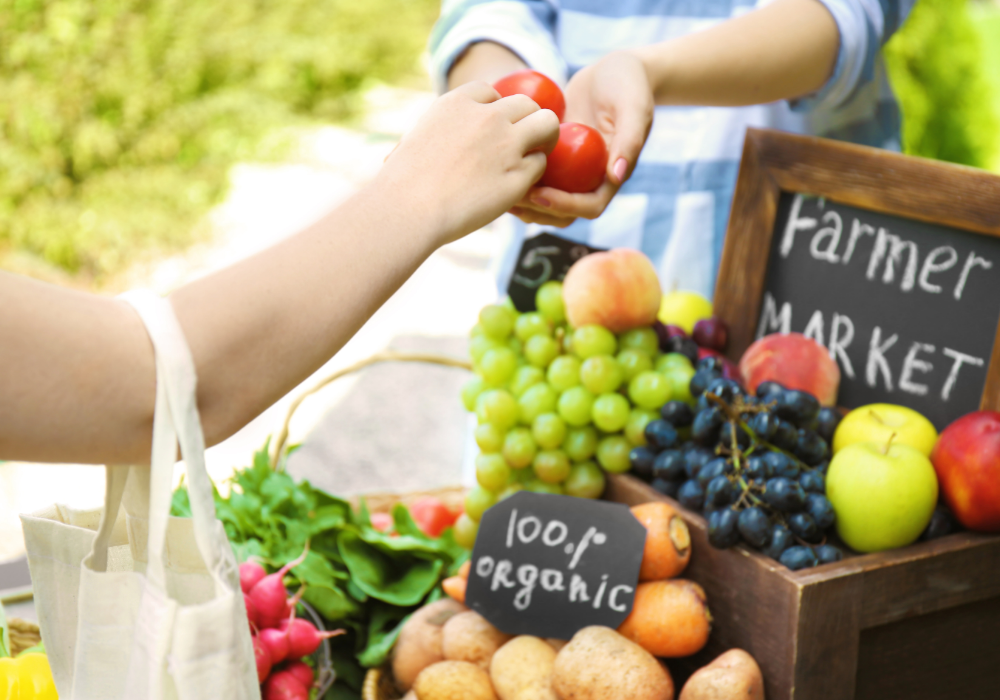
Those small stickers on fruits and vegetables might seem harmless, but they’re typically made of plastic and aren’t compostable. Designed to withstand moisture and handling, these labels contain polyethylene or vinyl, meaning they won’t break down like the produce they’re stuck to.
Since they can’t be recycled with food scraps, these tiny stickers contribute to plastic waste, often ending up in compost bins or contaminating paper recycling. The best way to avoid them? Shop at farmers’ markets, where produce is often sticker-free, or buy from stores that use laser etching for labels instead. It’s a small change, but avoiding these tiny pollutants helps reduce unnecessary plastic waste.
15. Cigarette butts are the world’s most littered item—and they never truly break down.
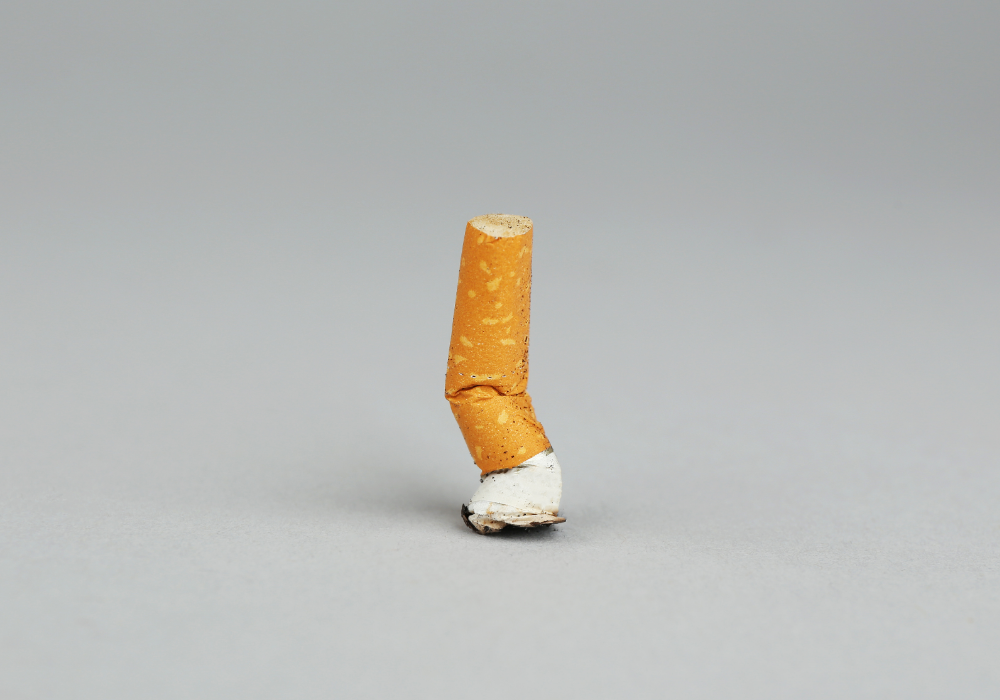
Many people don’t realize that cigarette filters are made from plastic. These filters, typically composed of cellulose acetate, take decades to decompose, slowly releasing microplastics and toxic chemicals into the environment. With trillions of cigarette butts discarded every year, they’ve become one of the largest sources of plastic pollution on the planet.
Once tossed onto sidewalks or beaches, cigarette butts leach harmful substances into soil and waterways, threatening wildlife. Despite their small size, they’re a massive contributor to environmental waste.
Some companies are developing biodegradable filters, but the best solution remains reducing cigarette litter altogether. Every discarded butt adds to the growing plastic crisis, making this one of the sneakiest and most widespread sources of pollution.