
Satisfy your cravings while making eco-friendly choices with these must-try dishes.

Comfort food is supposed to feel good. But between factory-farmed ingredients, excessive packaging, and sky-high carbon footprints, too many indulgent meals come with a side of guilt. The good news? You don’t have to ditch your favorite dishes to make a difference—you just need a few smart swaps.
Sustainable eating isn’t about deprivation or forcing yourself to live on kale salads and quinoa bowls (unless you’re into that). It’s about making comfort food work for you and the planet, using fresh, seasonal ingredients, plant-based proteins, and waste-free cooking hacks. The best part? These meals are just as satisfying—if not better—than their traditional counterparts.
By choosing locally sourced produce, reducing food waste, and swapping high-impact ingredients for more sustainable alternatives, you can enjoy the flavors you love without the environmental toll. Eating consciously doesn’t mean giving up indulgence—it just means cooking smarter. And trust us, these recipes make the transition easy and delicious.
1. Forget beef—this hearty lentil and mushroom Bolognese brings the same rich flavor.

A big bowl of pasta covered in slow-simmered Bolognese is comfort food at its finest. But when you swap out beef for lentils and mushrooms, you get the same deep, umami-packed flavor—without the environmental baggage. As noted by World Wildlife Fund, beef production is one of the largest contributors to deforestation and methane emissions, making it a top target for sustainable swaps.
Lentils are a sustainability superhero, requiring far less water and land than cattle while still delivering plenty of protein. Mushrooms bring that meaty depth, soaking up all the garlicky, herby tomato sauce. Toss it over whole-grain pasta or zucchini noodles for a cozy, plant-based meal that even die-hard carnivores will devour. Plus, this dish gets better as it sits, making for top-tier leftovers.
2. Dairy-free but dangerously creamy, this cashew mac and cheese is next-level comfort.

Mac and cheese should be rich, creamy, and packed with nostalgia—not loaded with the environmental toll of dairy farming. According to Carbon Brief, the dairy industry is a significant contributor to greenhouse gas emissions, responsible for approximately 14.5% of global emissions, and traditional cheese production requires substantial amounts of water and land.
Enter this cashew-based version, which is just as silky and satisfying as the original, without a single drop of milk. Blended cashews, nutritional yeast, garlic, and a squeeze of lemon create a velvety, cheese-like sauce that coats every noodle in pure comfort.
Toss it with whole-wheat pasta or chickpea noodles for an extra protein boost. The best part? No cows involved, no heavy processing, and no post-dairy stomach regrets. With a little seasoning magic, this plant-based alternative hits all the right notes.
3. This smoky jackfruit BBQ “pulled pork” will fool even the biggest meat lovers.
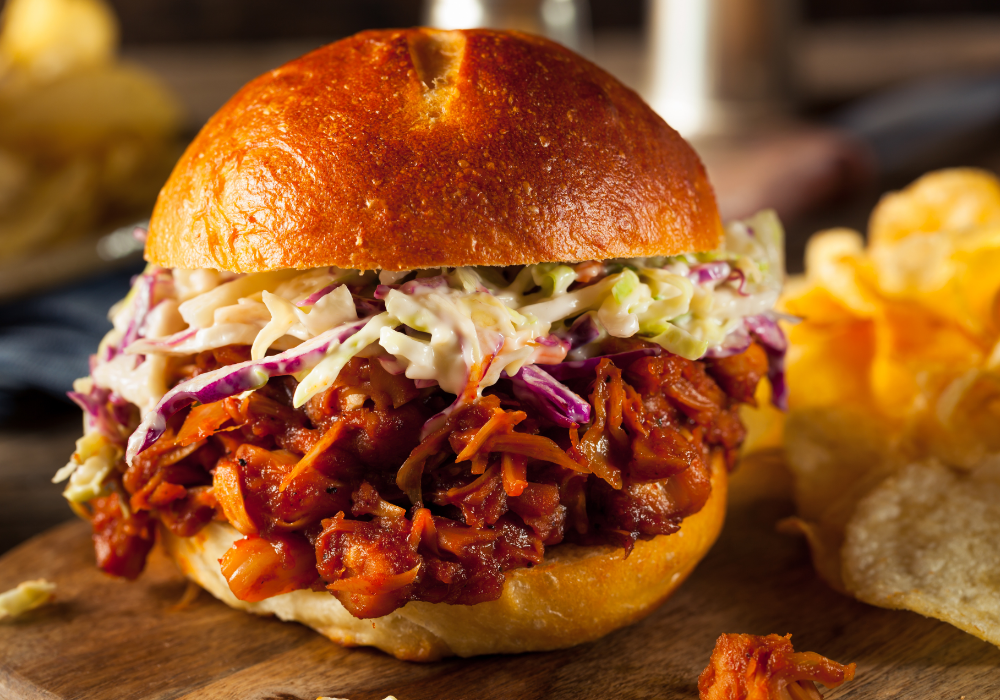
Barbecue lovers, don’t panic—this pulled “pork” delivers all the smoky, tangy goodness you crave, minus the industrial meat production. Per Julie Cappiello World Animal Protection, pork farming is one of the most resource-intensive industries, requiring large amounts of water and feed while producing significant pollution. Jackfruit’s fibrous texture makes it the perfect swap, shredding just like slow-cooked pork while soaking up barbecue sauce like a pro.
A quick sauté with onions, spices, and your favorite sauce transforms canned young jackfruit into a meaty, flavor-packed masterpiece. Pile it high on a toasted bun with crunchy slaw, or stuff it into tacos for a Southern-meets-Mexican twist. No pigs harmed, no planet wrecked—just messy, delicious, plant-based goodness. Even better, jackfruit trees are resilient and low-impact, making this swap as sustainable as it is tasty.
4. Sweet potato shepherd’s pie delivers all the cozy vibes, minus the beef.

Traditional shepherd’s pie is rich, filling, and packed with flavor—but swapping the ground beef for a lentil and mushroom mix takes the sustainability factor up a notch. The beef industry is responsible for significant deforestation and emissions, making plant-based alternatives a much-needed change.
And don’t worry, this version is just as satisfying. Lentils provide the same hearty bite as meat while using a fraction of the resources to grow. Mushrooms add that umami depth, while sweet potatoes bring a natural sweetness that cuts through the richness. Layer it all together with caramelized onions and roasted garlic for a pie that’s even better than the original. It’s hearty, protein-packed, and gives you all the comforting nostalgia without the environmental cost.
5. Golden chickpea and vegetable curry turns leftovers into pure comfort.

A good curry is like a warm hug in a bowl, and this version makes the most of pantry staples and whatever vegetables you have lying around. The key to sustainability is reducing food waste, and this dish is designed to help you use up whatever’s on the brink of going bad.
Chickpeas deliver protein and heartiness, while carrots, cauliflower, and leafy greens add color and nutrients—all without relying on resource-heavy ingredients like beef or dairy. Simmered with coconut milk, garlic, and warming spices, this curry transforms basic ingredients into something spectacular. Serve it over brown rice or homemade naan for a plant-based feast that’s just as good for the planet as it is for your taste buds. Leftovers? Even better the next day.
6. Black bean and quinoa burgers are just as satisfying as beef without the environmental damage.

A great burger should be juicy, flavorful, and filling, but it doesn’t have to come from a cow. Traditional beef burgers require massive amounts of land, water, and feed, making them one of the least sustainable foods on the planet. Black beans and quinoa create a protein-packed, fiber-rich alternative that delivers all the satisfaction of a classic burger with none of the environmental baggage.
Mashed black beans provide a meaty texture, while quinoa adds structure and a slight crunch. A mix of garlic, smoked paprika, and Worcestershire sauce (vegan, if you prefer) brings the bold, umami flavors you expect in a burger.
These patties hold up beautifully on the grill or stovetop, making them perfect for cookouts. Served on whole wheat buns with avocado, caramelized onions, and fresh greens, this plant-based option proves that meat-free burgers can be just as mouthwatering as the original.
7. Crispy baked cauliflower wings satisfy every craving while keeping factory-farmed chicken off your plate.

Buffalo wings are a game-day staple, but industrial chicken farming is one of the most environmentally damaging forms of agriculture. Raising chickens for meat requires large amounts of feed, water, and land, while also contributing to pollution and antibiotic overuse.
Luckily, cauliflower is the perfect alternative. Battered, baked, and tossed in tangy buffalo sauce, these cauliflower wings bring all the crunch and spice of the original—with a much lower impact. A light batter made from flour and plant-based milk helps the cauliflower crisp up in the oven or air fryer for extra crunch. Once golden brown, they get drenched in hot sauce and served with cooling ranch or blue cheese dressing. Whether you’re meal-prepping, snacking, or feeding a crowd, this plant-based alternative proves that comfort food can be sustainable and delicious. Even hardcore wing lovers will be reaching for seconds.
8. Mushroom and walnut tacos deliver bold flavors while shrinking your carbon footprint.

Beef tacos may be delicious, but their environmental cost is one of the highest in the food industry. Beef production generates massive carbon emissions, requires extensive land use, and contributes to deforestation. Mushrooms and walnuts create a shockingly good substitute for ground meat, delivering the same satisfying texture and rich, smoky flavor. Finely chopped mushrooms sautéed with garlic, cumin, and chili powder take on a deep, meaty essence.
Toasted walnuts add a bit of crunch and protein, making these tacos as hearty as the beefy version. Piled onto corn tortillas and topped with fresh salsa, avocado, and lime, these tacos prove that plant-based eating can be just as indulgent as a traditional taco night.
9. Homemade miso ramen eliminates wasteful packaging while delivering rich umami flavors.

Instant ramen might be a comfort food staple, but its excessive plastic packaging and artificial additives come at a cost. A homemade miso ramen, on the other hand, delivers the same rich, slurp-worthy experience while being kinder to both your health and the planet.
Making your own means skipping preservatives and unnecessary waste while using fresh, real ingredients. Miso paste, soy sauce, and ginger create a deeply flavorful broth, while mushrooms, bok choy, and tofu add texture and protein. Fresh ramen noodles or soba complete the dish, making it feel just as indulgent as the store-bought version. Customizing it with seasonal vegetables reduces food waste while enhancing nutrition. Cooking ramen from scratch not only keeps excess packaging out of landfills but also allows full control over the quality and depth of flavor.
10. Decadent avocado chocolate mousse creates a creamy, rich dessert without dairy.
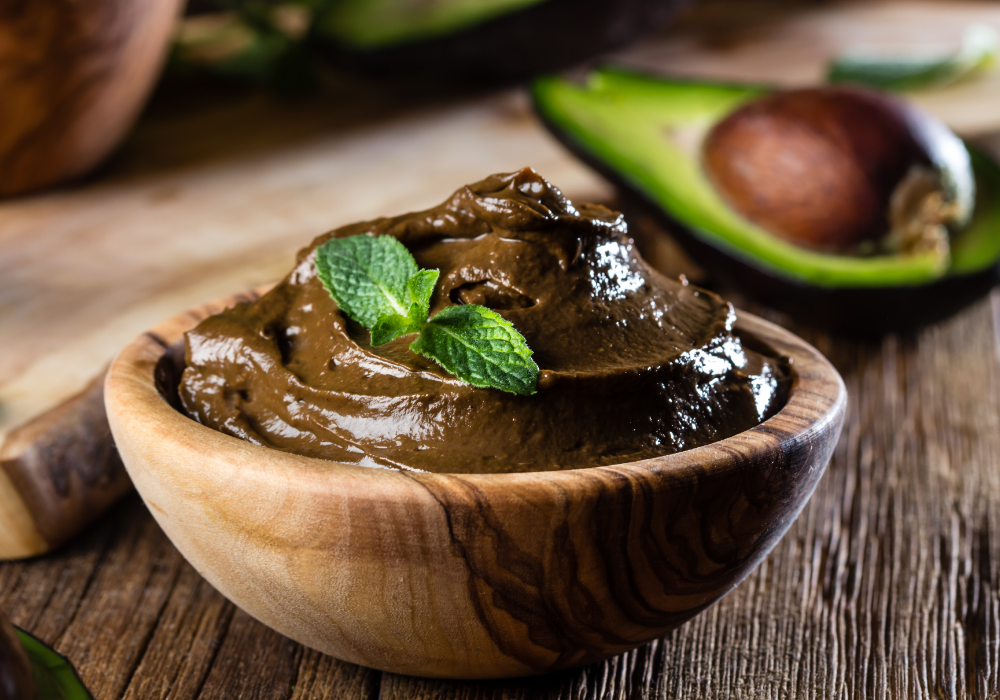
Chocolate mousse usually relies on heavy cream, eggs, and loads of sugar, but this version keeps things plant-based while remaining just as rich and velvety. Avocados provide the creamy base, blending seamlessly with cocoa powder and maple syrup for a dessert that’s indulgent but surprisingly nutritious. Sustainable cocoa is key to keeping this treat as eco-friendly as possible. Choosing fair-trade, organic cocoa powder supports ethical farming and ensures higher quality chocolate.
Once blended, this mousse is thick, luscious, and ready to be topped with berries, coconut, or a sprinkle of sea salt. This dairy-free chocolate mousse satisfies even the most intense cravings while reducing reliance on high-impact animal products.
11. Oat milk pancakes make breakfast fluffier and more sustainable than traditional dairy-based recipes.

A classic pancake breakfast should be simple, delicious, and comforting, but traditional dairy-based batters contribute to high greenhouse gas emissions. Oat milk offers a sustainable alternative that makes these pancakes just as light and fluffy, if not better. Compared to almond or soy milk, oats require far less water and have a lower environmental impact, making them an excellent dairy-free swap.
Whisked with flour, maple syrup, and a touch of cinnamon, oat milk creates a perfectly tender pancake batter. These pancakes cook up golden and fluffy, soaking up syrup beautifully.
Served with fresh fruit, nut butter, or homemade jam, this breakfast is both indulgent and planet-friendly. Small swaps like this prove that making sustainable choices doesn’t mean sacrificing the comfort foods you love.
12. Spiced apple crumble turns nearly-forgotten fruit into a delicious zero-waste dessert.
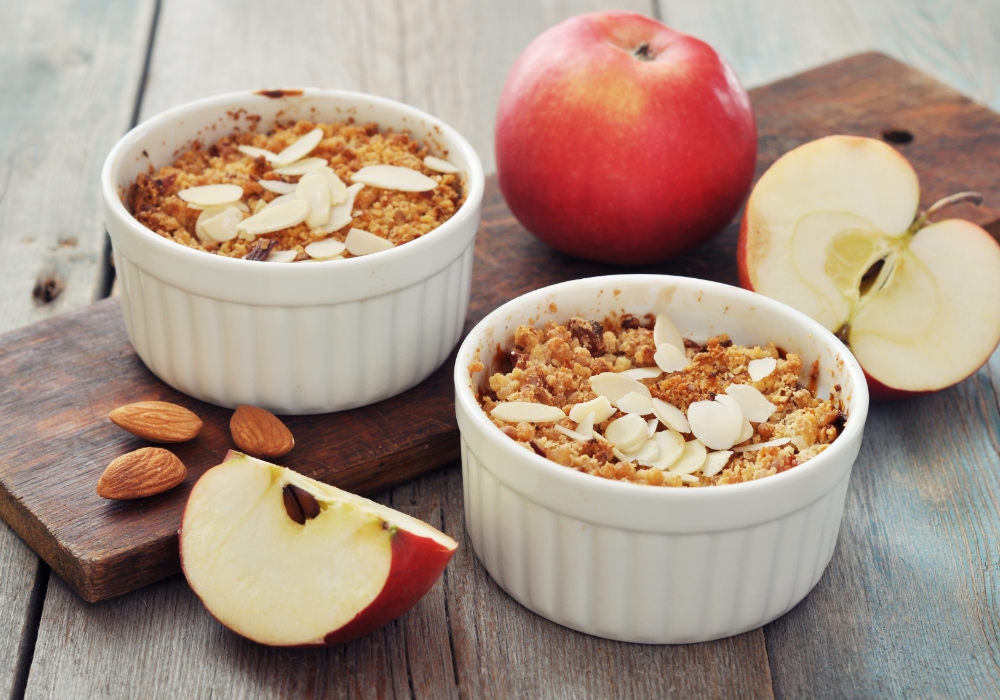
Food waste is a major environmental issue, but this spiced apple crumble is a delicious way to help combat it. Instead of tossing overripe apples, this recipe gives them a second life, turning them into a cozy, cinnamon-infused dessert that tastes like fall in a bowl.
Thinly sliced apples get tossed with cinnamon, nutmeg, and a touch of maple syrup, then topped with a crispy oat crumble. Baking everything together enhances the fruit’s natural sweetness, making this dish feel indulgent while reducing food waste. Coconut whip or dairy-free vanilla ice cream makes the perfect finishing touch. Finding creative ways to use produce that might otherwise go to waste helps minimize food loss while still delivering incredible flavor.
13. Roasted butternut squash soup proves that seasonal eating is as sustainable as it is delicious.

Eating seasonally is one of the best ways to lower your carbon footprint, and this roasted butternut squash soup is a perfect example of how delicious that can be. Butternut squash is naturally sweet, creamy, and packed with vitamins, making it an ideal base for a cozy, nourishing meal.
Since it’s a cold-weather crop, it requires fewer resources to grow during fall and winter months. Roasting the squash deepens its flavor, while garlic, onion, and a splash of coconut milk create a silky, rich texture. Once blended, this soup is comforting, filling, and full of warm autumnal flavors. Served with crusty sourdough or homemade croutons, it turns into a satisfying, plant-based meal. Choosing local, in-season ingredients for dishes like this reduces food miles and supports a more sustainable food system.