
The future of cities is at risk, and the warning signs are already here.
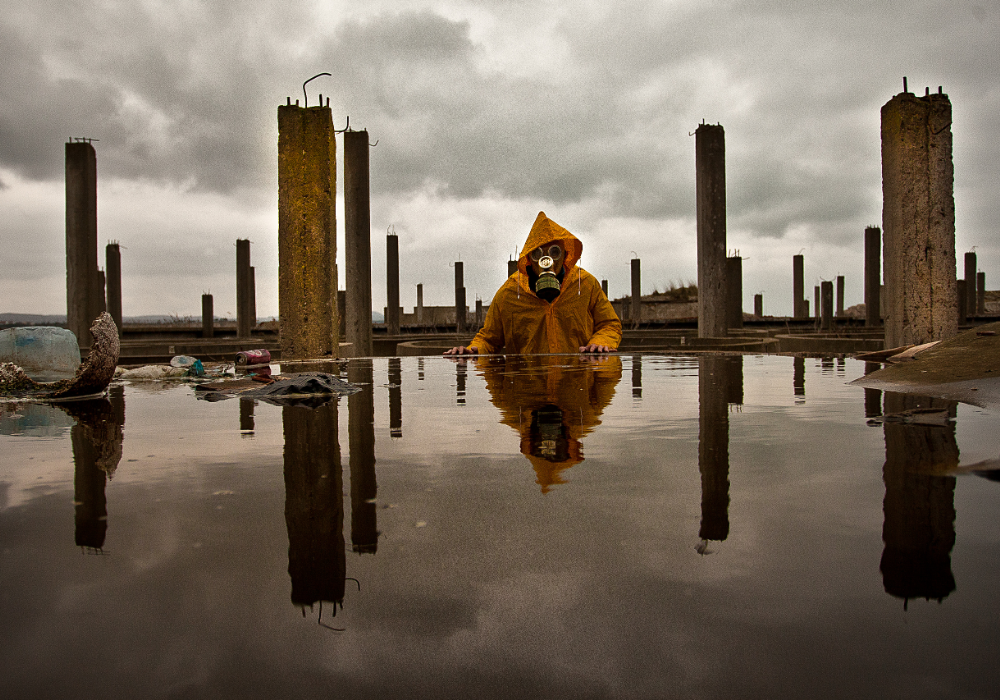
By 2050, cities could be almost unrecognizable. As climate change speeds up, rising temperatures, extreme weather, and resource shortages will reshape how people live, work, and survive. Coastal cities might disappear under rising seas, while inland areas face unbearable heatwaves and constant water shortages. Roads, power grids, and public services won’t be able to keep up, and some places could become too dangerous to live in.
Governments will have to choose between spending billions to adapt or abandoning certain areas altogether. Without big changes, the cities of the future could be harsh, divided, and chaotic. Here’s what life might look like in urban centers by 2050 if climate change keeps getting worse.
1. Some of the world’s biggest cities will be underwater.
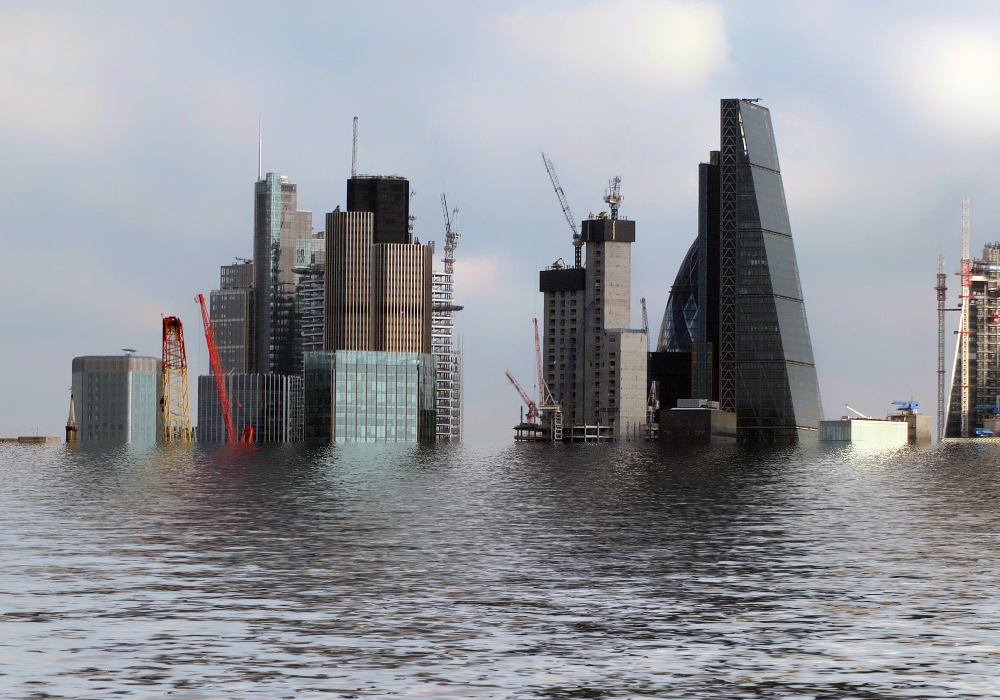
Rising sea levels are already changing coastlines, and by 2050, entire neighborhoods could be swallowed up, according to Sally Younger at NASA. Cities like New York, Miami, Jakarta, and Bangkok are already seeing more flooding, and the worst is yet to come.
Sea walls and flood barriers might slow things down, but they won’t stop the inevitable. Millions of people will be forced to leave their homes, creating a new wave of climate refugees. Without drastic cuts to carbon emissions, coastal cities will disappear into the ocean.
2. Extreme heat will make outdoor life unbearable.
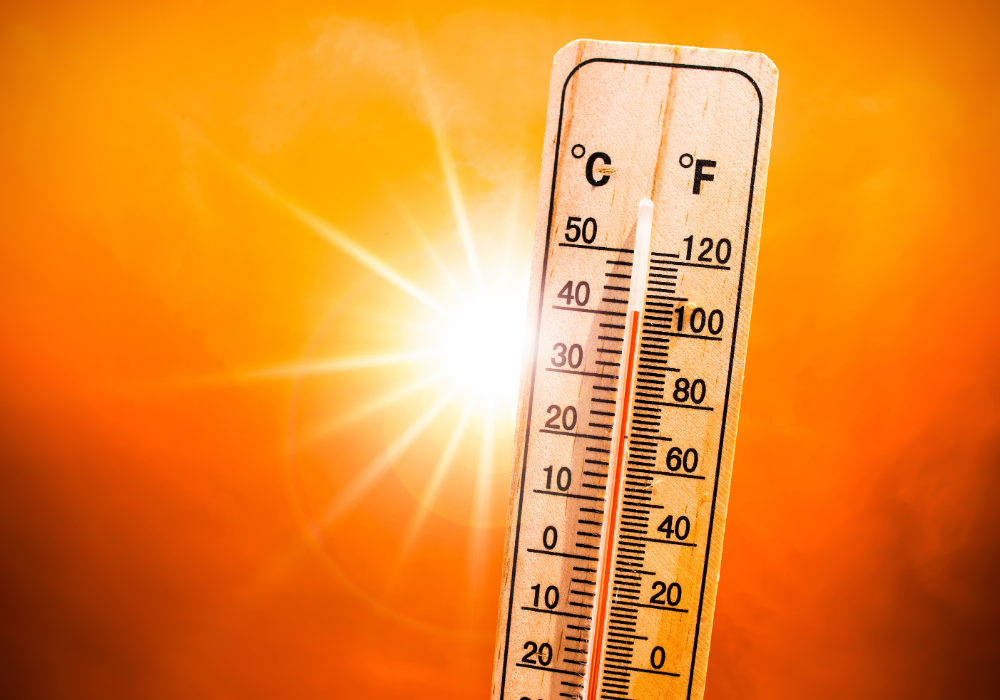
Based on an article by Niko Kommenda et al. for The Washington Post heatwaves are already getting worse, and in 2050, some cities could see weeks of 120°F (49°C) temperatures. Skyscrapers, roads, and sidewalks trap heat, turning cities into ovens.
People will have to change how they live. Outdoor work will become impossible, public transit systems will overheat, and staying cool will become a matter of survival. Heat-related illnesses will skyrocket, and air-conditioned spaces will be a necessity, not a luxury.
3. Freshwater shortages will cause mass displacement.
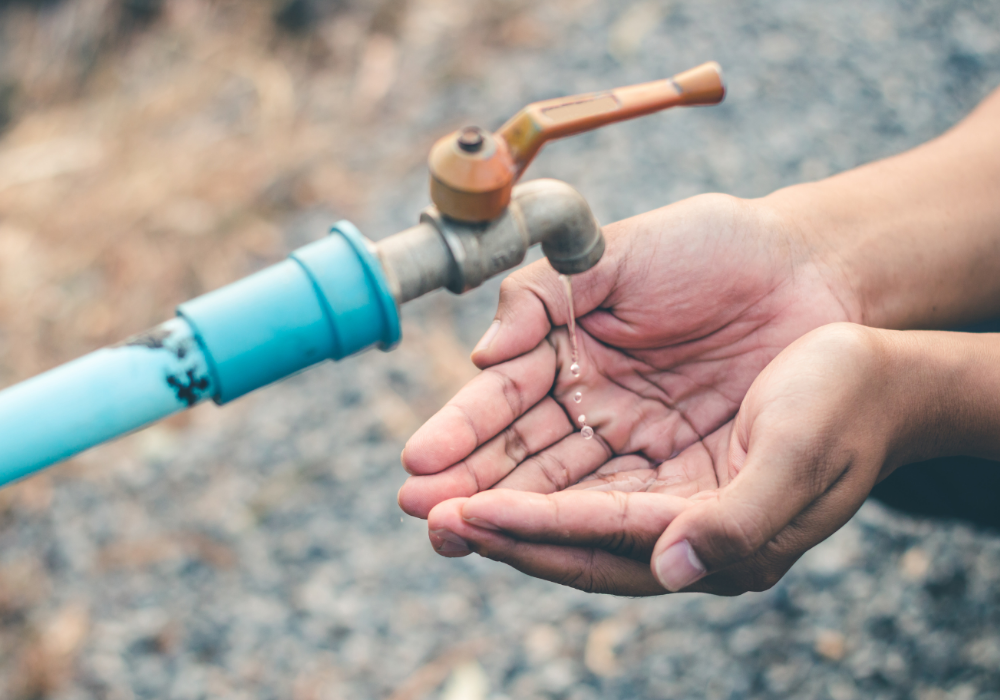
Water is already running low in some cities, and it’s only going to get worse. Places like Los Angeles, São Paulo, and Cape Town have barely avoided crisis-level droughts, and by 2050, dozens of major cities could be struggling to provide clean water, according to BBC’s staff writers.
Strict water rationing will become the norm. Some wealthier residents will buy access to clean water, while poorer communities will face dangerous shortages. Governments may fight over water rights, and many people will be forced to leave their homes just to survive.
4. Air pollution will reach deadly levels in major cities.

If you think the smog in big cities is bad now, just wait until 2050. Wildfires, industrial pollution, and vehicle emissions will combine to create toxic air that lingers over urban areas.
Breathing in this pollution every day will increase rates of asthma, lung disease, and even early death. In some cities, people may have to wear masks just to go outside. Fresh, breathable air could become a luxury only available indoors with high-end filtration systems.
5. Infrastructure will collapse under climate stress.
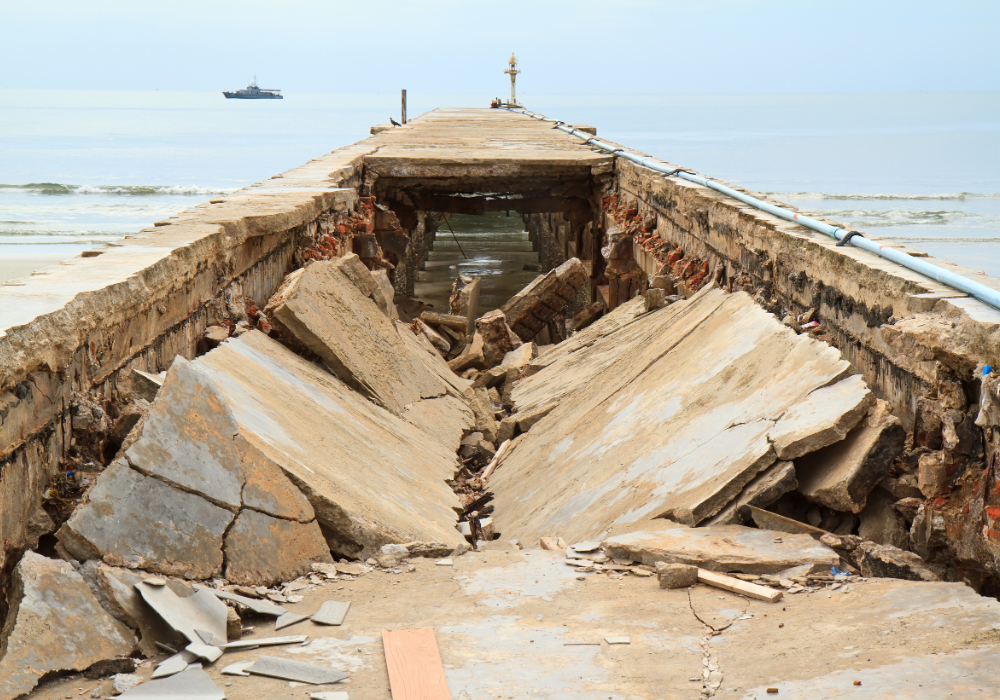
Bridges, roads, and power grids aren’t built to handle the kind of extreme weather that’s coming. Floods will wash out highways, heatwaves will warp train tracks, and storms will knock out electricity for days—or even weeks.
Some governments won’t have the money to keep up with constant repairs. Wealthier areas might invest in climate-proof infrastructure, while poorer neighborhoods will be left to deal with failing roads, blackouts, and transit shutdowns on their own.
6. Climate refugees will overwhelm urban centers.

As some places become unlivable, people will flee to cities that still offer some stability. But when millions of climate refugees arrive, housing, jobs, and social services will struggle to keep up.
Overcrowded slums will expand, leading to even worse living conditions. Tensions over resources will rise, and some cities might refuse to take in climate migrants altogether, making the crisis even worse.
7. Food shortages will drive up prices and increase hunger.

Climate change will wreck global agriculture, leading to smaller crop yields and frequent supply chain disruptions. Cities that rely on food imports will see skyrocketing prices, making basic groceries too expensive for many families.
Lab-grown meat and vertical farms might help, but they won’t be enough to solve the crisis. Food rationing could become a reality, and many low-income communities will face serious hunger and malnutrition.
8. Rising sea temperatures will devastate coastal economies.
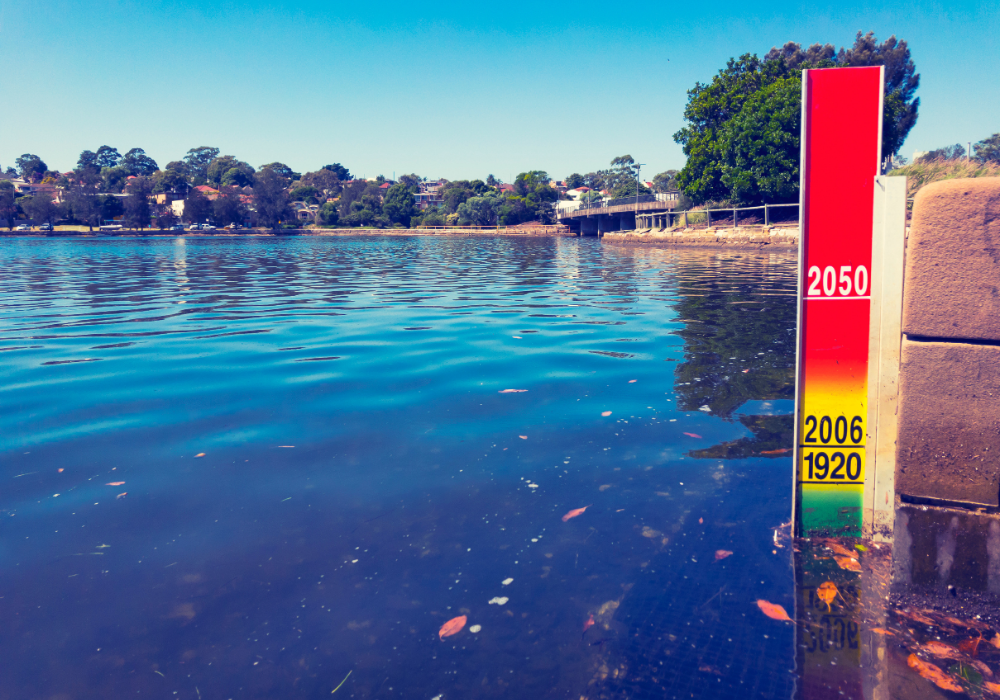
Warmer oceans mean dying fisheries, coral reef destruction, and massive economic losses for coastal cities. Industries that rely on seafood, tourism, and ocean-based resources could collapse.
Job losses in these industries will force many people to move inland in search of work, increasing the strain on already overcrowded urban centers. The economic divide between coastal and inland cities will grow wider than ever before.
9. Diseases will spread faster due to changing climates.
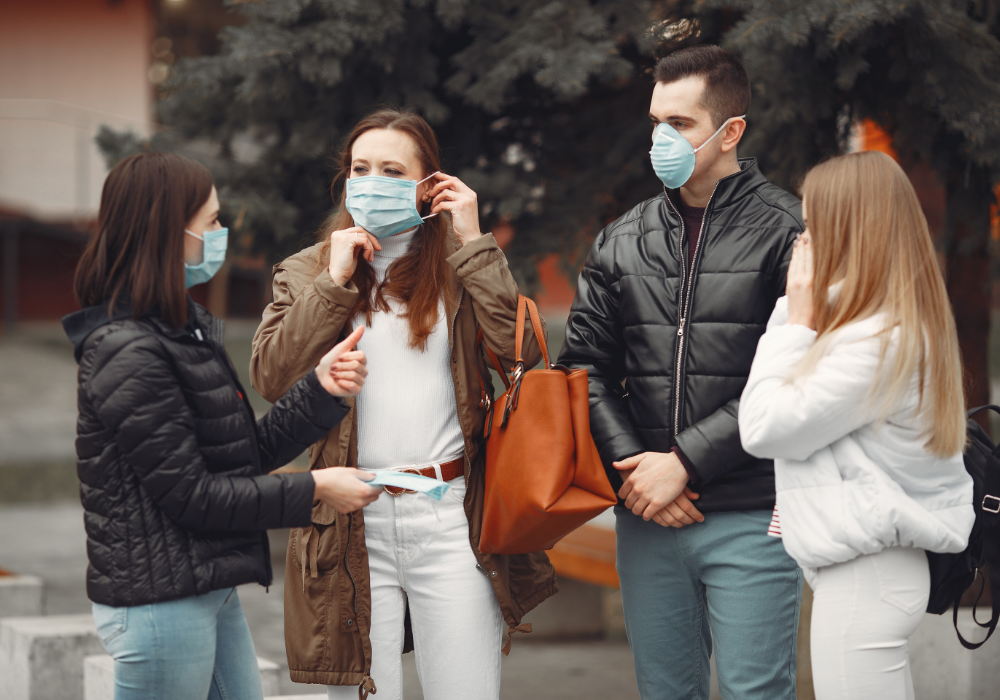
Rising temperatures and shifting ecosystems will create the perfect conditions for disease outbreaks. Mosquito-borne illnesses like malaria and dengue will reach new areas, while waterborne diseases will spike due to flooding and contaminated drinking supplies.
Hospitals and healthcare systems won’t be able to keep up. Overcrowded cities will become hotspots for outbreaks, and vaccines may struggle to keep pace with fast-mutating pathogens.
10. Climate-related conflicts will erupt over land and resources.
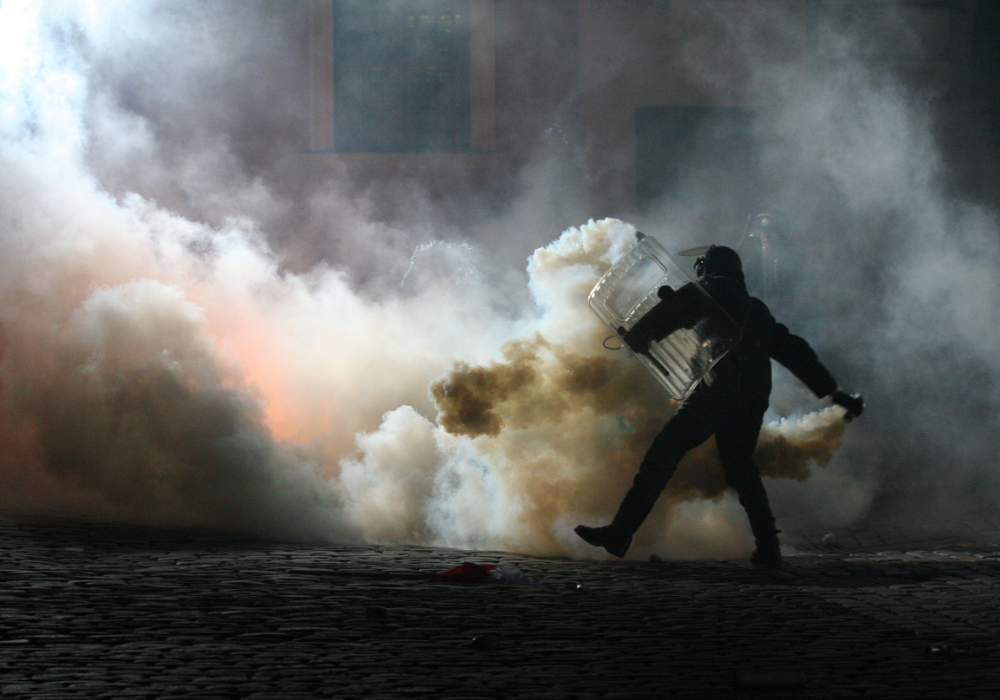
As the planet heats up, countries and communities will fight over what’s left of livable land, fresh water, and food supplies. Some governments may resort to military force to secure resources, while others may collapse under the pressure of widespread unrest.
We might see entire regions go to war over who gets access to clean water and fertile land. Climate change won’t just reshape the environment—it will reshape global power structures in ways that could turn already unstable areas into full-blown war zones.
11. Surveillance and climate control measures will become the new normal.

Governments will likely impose strict monitoring systems to manage dwindling resources. Digital tracking for water usage, carbon footprints, and even personal energy consumption could become common, with fines or penalties for overuse.
Some cities might enforce climate lockdowns during extreme weather events, limiting movement to prevent chaos. While these measures could help prevent disasters, they also raise big questions about privacy, freedom, and the role of government in everyday life.
12. Entire industries will collapse as the economy struggles to adapt.

Some businesses will simply not survive the chaos that climate change brings. Tourism, real estate, agriculture, and even insurance companies will face enormous losses as rising temperatures and natural disasters make parts of the world unlivable.
Investors may abandon high-risk areas, causing property values to plummet and job markets to collapse. Governments may be forced to bail out entire industries, but with limited resources, not every sector will survive. The economic fallout from climate change could create lasting financial instability for future generations.