
From sinking islands to scorched towns, these places show how climate change is already displacing people.
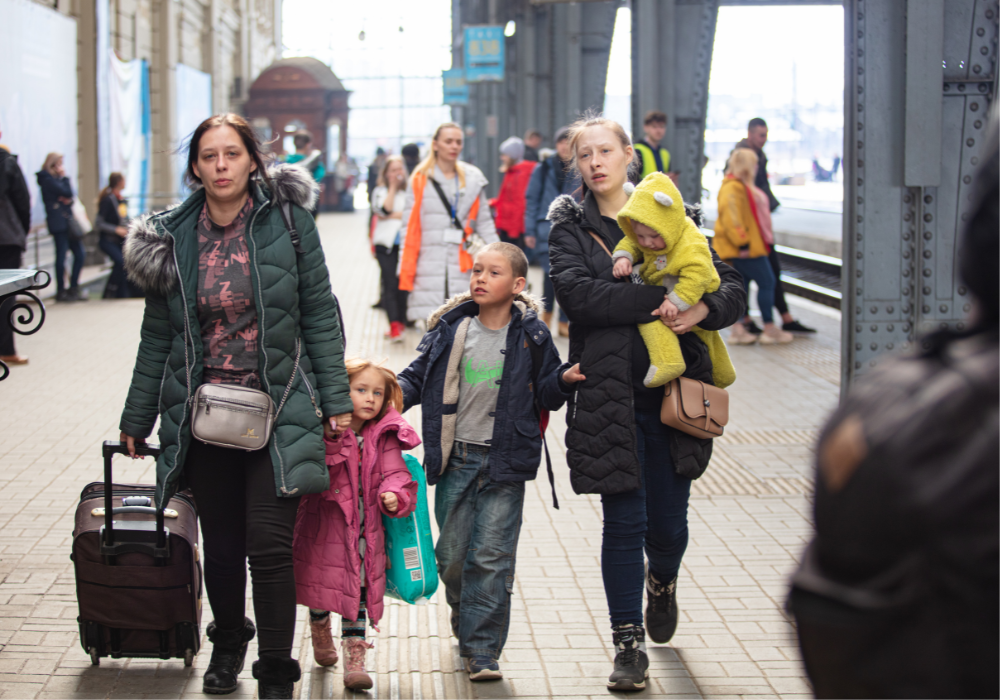
Climate migration refers to the movement of people caused by environmental changes such as sea level rise, extreme weather events, drought, and flooding. These changes disrupt livelihoods and force vulnerable populations to relocate, often permanently. Understanding climate migration involves considering environmental displacement in both urban and rural settings, influenced by complex social, economic, and political factors.
Recognizing hotspots where climate migration is occurring or expected to increase can help individuals and policymakers prepare and respond effectively. Long-term resilience and adaptation strategies in these regions are critical to supporting affected communities and managing migration patterns sustainably.
1. The Sundarbans region is facing rising sea levels and frequent flooding.

The Sundarbans region is a vast mangrove delta spanning coastal Bangladesh and India where sea level rise and more frequent tidal flooding are eroding land and changing salinity patterns. Its mosaic of rivers, islands, and forests buffers storms but is increasingly squeezed by rising water, coastal erosion, and human pressures that reduce resilience.
Climate migration here often begins with loss of arable soil, damaged homes, and disrupted fisheries that push families toward cities or other rural areas.
2. The Sahel zone is experiencing increased desertification and stress on resources.
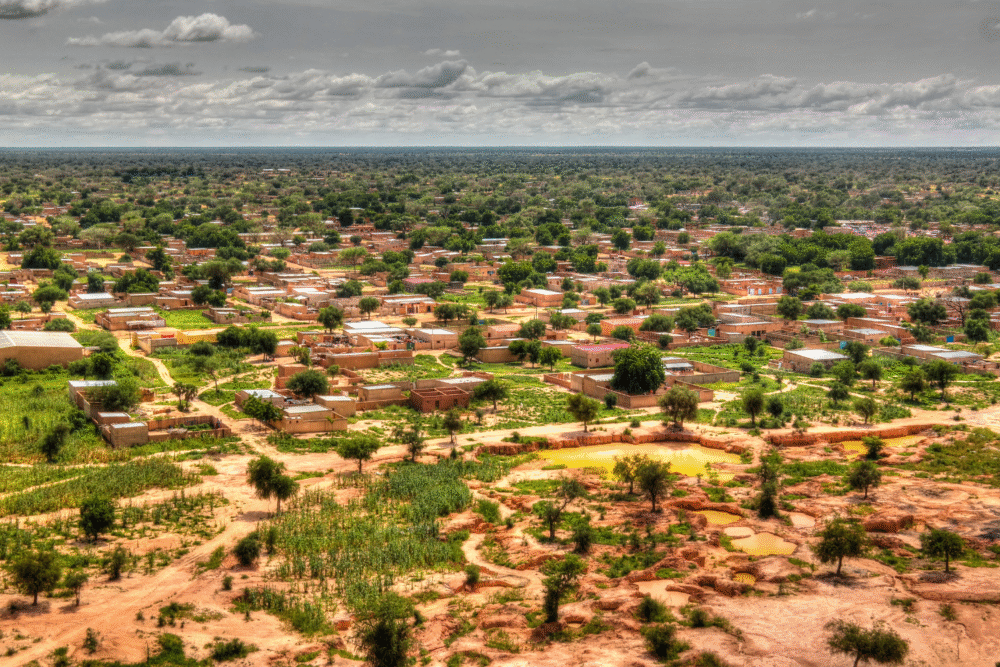
The Sahel zone stretches across Africa near the Sahara where increasing temperatures and changing rainfall patterns drive desertification and resource stress.
Shrinking pasture and farmland, failing crops, and groundwater depletion push pastoralists and farmers to seek new livelihoods or migrate to urban centers. Environmental factors intersect with population growth, governance and conflict, making migration patterns complex and often seasonal rather than permanently one-way.
3. Shrinking coastlines threaten low-lying island nations in the Pacific.

Low-lying island nations in the Pacific are archipelagic states where shrinking coastlines, saltwater intrusion, and occasional storm damage threaten habitability and food security. Many islands have limited freshwater lenses and narrow elevations, so increasing sea levels can contaminate drinking water and erode beaches.
Environmental displacement in these nations may be internal relocation to higher islets, planned migration abroad, or complex hybrid strategies that blend in-place adaptation with mobility.
4. Coastal areas of Bangladesh are prone to intense cyclones and salinization.
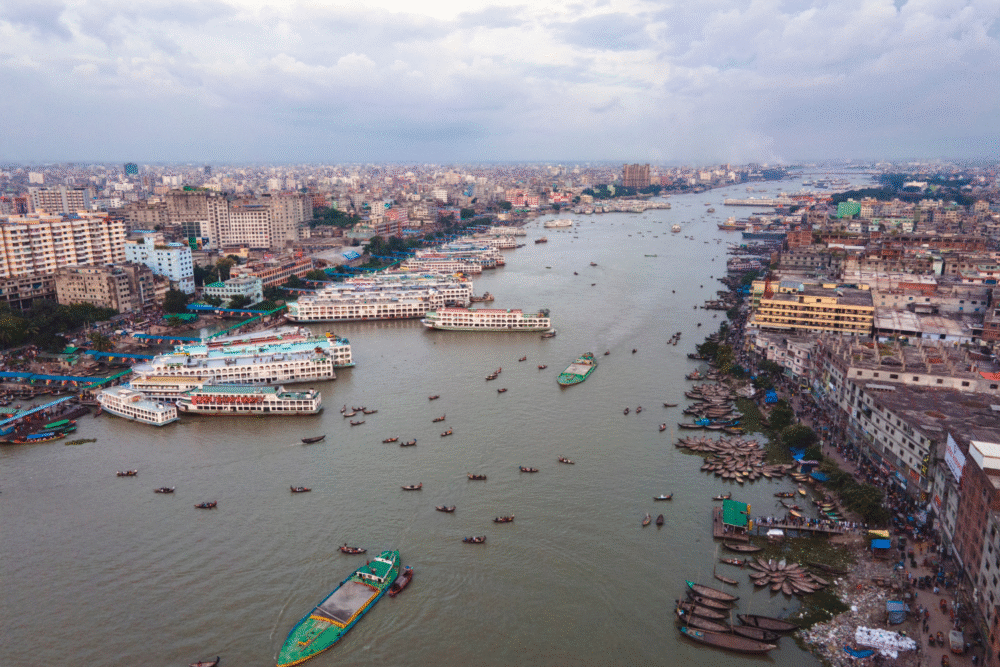
Coastal areas of Bangladesh experience intense cyclones, storm surge, and progressive salinization that degrade soil and freshwater supplies, making agriculture and housing less viable in many low-lying districts.
High population density and limited infrastructure amplify displacement when storms damage roads, homes, and markets. Seasonal migration for work is common, but repeated catastrophic events can shift patterns toward longer term urban resettlement rather than short-term return.
5. The Mekong Delta is undergoing land subsidence and decreased freshwater availability.
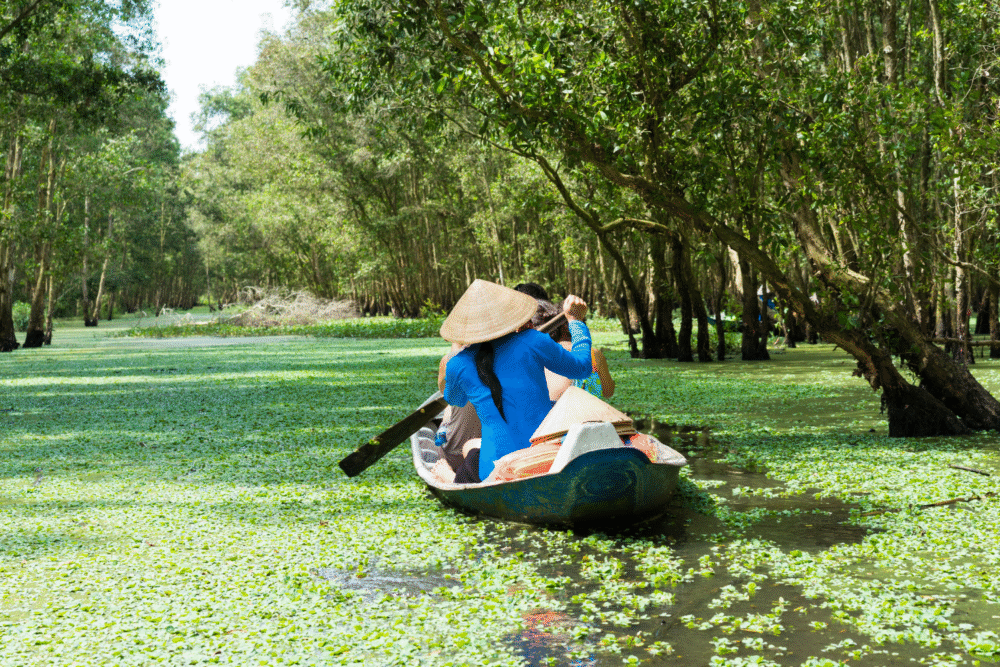
The Mekong Delta is a large, fertile riverine plain where land subsidence, sea level rise, and upstream water management combine to reduce freshwater availability and increase salinity.
Reduced sediment delivery and groundwater extraction accelerate sinking, which increases flood risk and undermines rice-based livelihoods. Environmental displacement includes seasonal labor migration and longer term moves from rural delta communes to inland cities as farming becomes less reliable.
6. Parts of Central America are struggling with drought and agricultural decline.
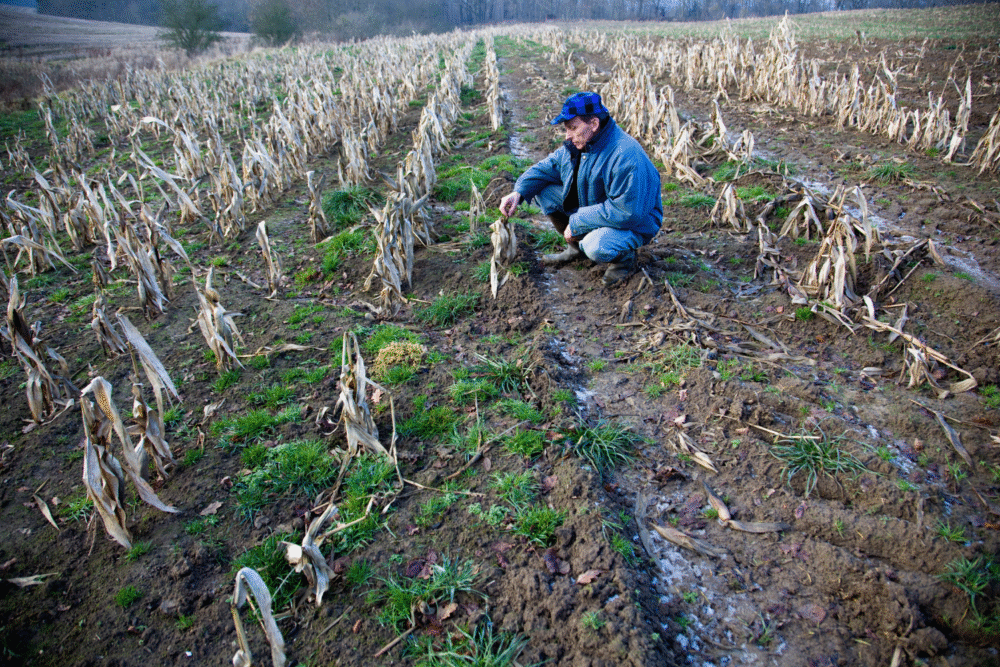
Parts of Central America including dry corridor regions are struggling with recurrent drought, rainfall variability, and agricultural decline that reduce yields for staple crops and coffee. Loss of agricultural income, combined with limited rural services, prompts family migration to urban areas or across borders in search of work.
Environmental drivers often interact with land tenure insecurity, market access problems, and social networks that influence migration timing and destination.
7. The Horn of Africa is facing recurrent droughts, impacting livelihoods.

The Horn of Africa is repeatedly affected by drought cycles that deplete water, devastate livestock herds, and undermine food security across pastoral and farming communities. Recurrent droughts disrupt seasonal migration routes and market access, driving many to seek urban work or humanitarian assistance.
Political and infrastructural constraints can turn temporary displacement into longer-term migration as recovery capacity is stretched.
8. Coastal cities in Southeast Asia are vulnerable to tidal surges and erosion.

Coastal cities in Southeast Asia often sit on deltas or reclaimed land that experience tidal surges, land subsidence, and shoreline erosion, making urban neighborhoods increasingly exposed to flooding.
Rapid urbanization and inadequate drainage magnify impacts, displacing vulnerable populations and disrupting infrastructure such as transport and sanitation. Climate migration here can take the form of intra-urban relocation from low-lying neighborhoods to higher districts or movement out of the metropolitan area entirely.
9. Areas around the Aral Sea are affected by water scarcity and soil degradation.

Areas around the Aral Sea have experienced dramatic water scarcity and soil degradation after large-scale water diversion for irrigation, leading to shrinking water bodies, exposed saline soils, and health hazards from airborne dust.
Farming communities lost productive land and livelihoods, triggering migration to regional towns and other agricultural areas. Environmental displacement here involves both economic relocation and relocation to mitigate health risks linked to contaminated soils and water scarcity.
10. Arctic communities are dealing with melting permafrost and shifting ecosystems.

Arctic communities are experiencing melting permafrost, shoreline erosion, and shifting ecosystems that affect housing, hunting grounds, and infrastructure built on frozen ground.
Thawing permafrost can damage roads, pipelines, and buildings, making some settlements less safe or economically viable. Climate migration in Arctic regions may be internal relocation to more stable sites or moves toward regional centers as traditional subsistence practices become harder to sustain.
11. Regions in Australia are experiencing prolonged drought and wildfires, displacing residents.
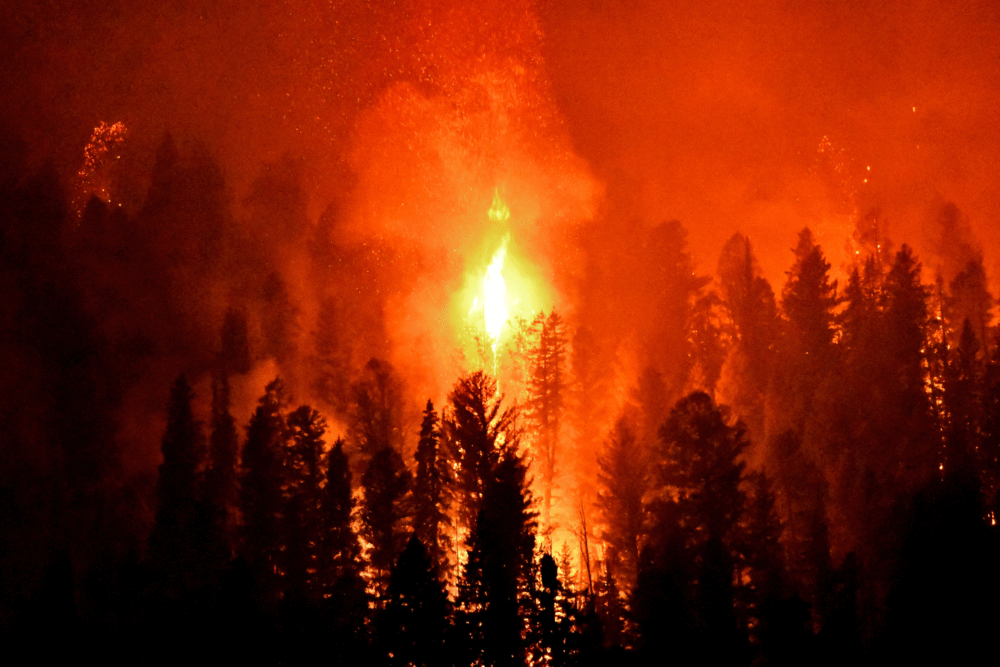
Regions in Australia prone to prolonged drought and severe wildfires are seeing residents displaced by loss of homes, livelihoods, and community infrastructure when conditions become extreme.
Long-term drying affects agricultural viability and water availability, while fires can create immediate evacuation needs and long recovery processes. Migration responses include temporary evacuation, seasonal labor shifts, and permanent moves away from high-risk rural zones into regional or urban centers.