
Scientists warn mega-tsunamis could wipe out entire coastlines in minutes.
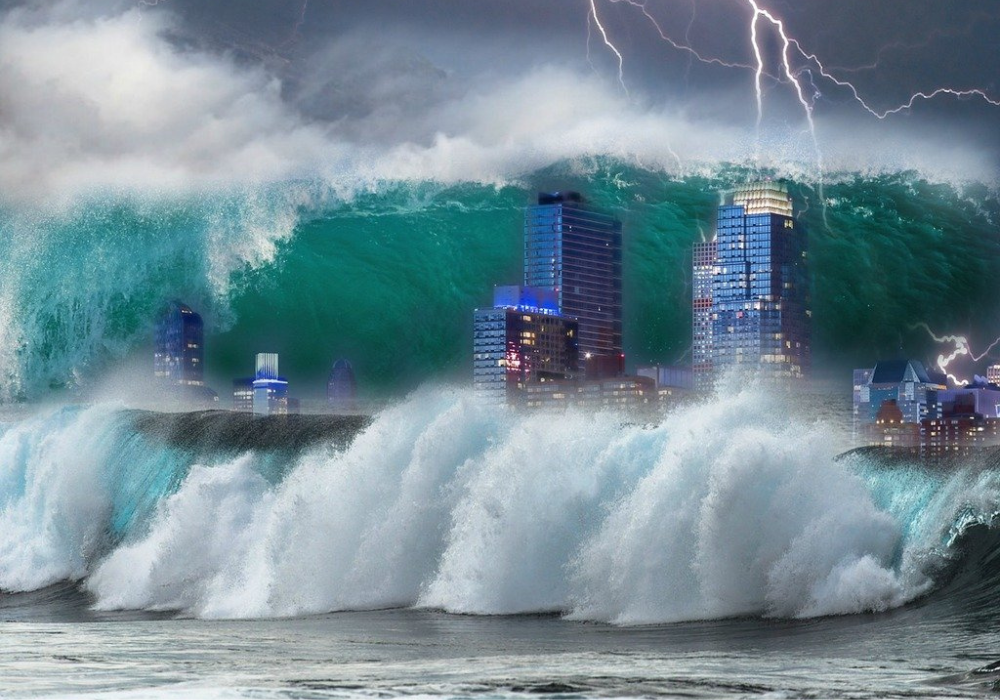
Imagine a wall of water taller than the Empire State Building crashing onto American shores. Scientists warn that so-called “mega-tsunamis,” waves reaching up to 1,000 feet, are not just the stuff of disaster movies—they’re a real geological possibility. According to geologist Simon Day, massive landslides or volcanic collapses could unleash waves capable of obliterating entire coastlines within minutes. While rare, these events have reshaped parts of the world in the past, and experts caution that several U.S. states remain vulnerable to this almost unimaginable force of nature.
1. What a 1,000-Foot Wave Would Really Look Like
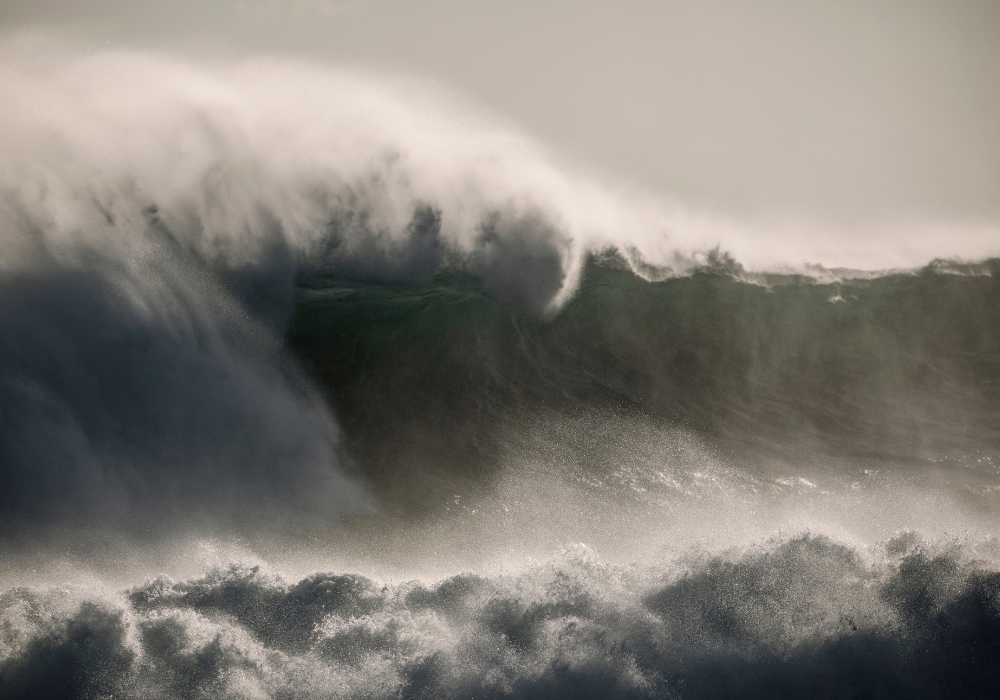
Most people picture a tall ocean wave, but a 1,000-foot mega-tsunami is more like a wall of water consuming everything in sight. It would tower higher than the Empire State Building and move inland with unstoppable force.
Unlike typical tsunamis, these waves could flatten mountainsides, erase coastlines, and leave cities unrecognizable. Scientists emphasize that survival would be nearly impossible in the direct path, making such an event one of the most catastrophic natural disasters humanity could face.
2. The Science Behind Mega-Tsunamis
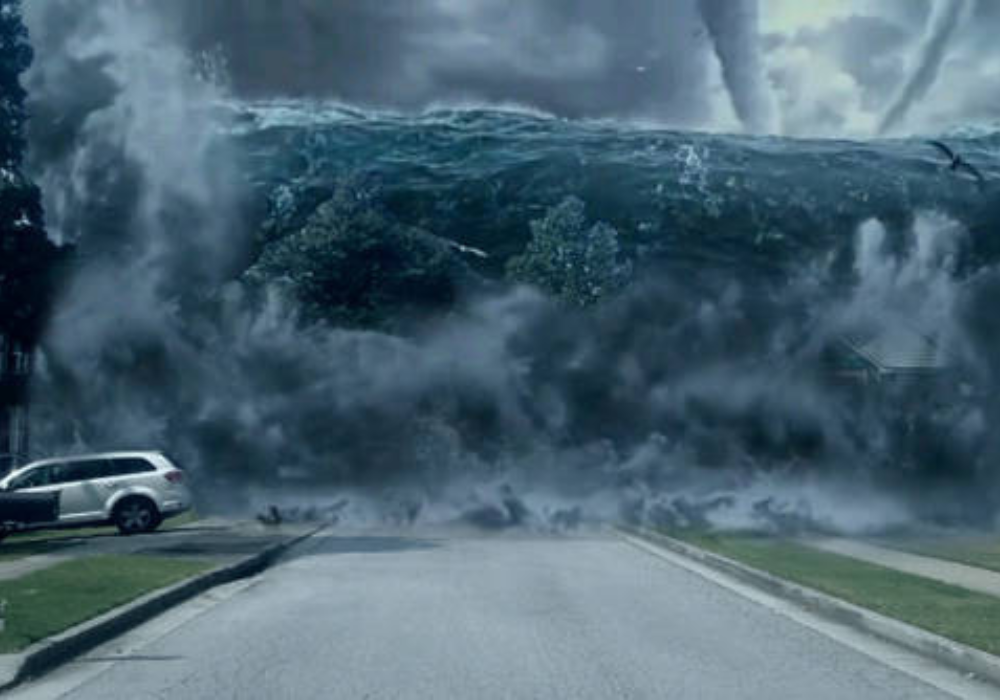
Mega-tsunamis differ from regular tsunamis. Instead of being caused by undersea earthquakes, they are often triggered by massive landslides, volcanic collapses, or asteroid strikes that displace huge amounts of water at once.
When such an event occurs, the resulting waves can reach unimaginable heights. Experts point to real-world evidence, such as prehistoric landslides in Norway and Alaska, which created waves hundreds of feet tall. These examples remind scientists that while rare, the conditions for mega-tsunamis still exist today.
3. Alaska Could Be Ground Zero
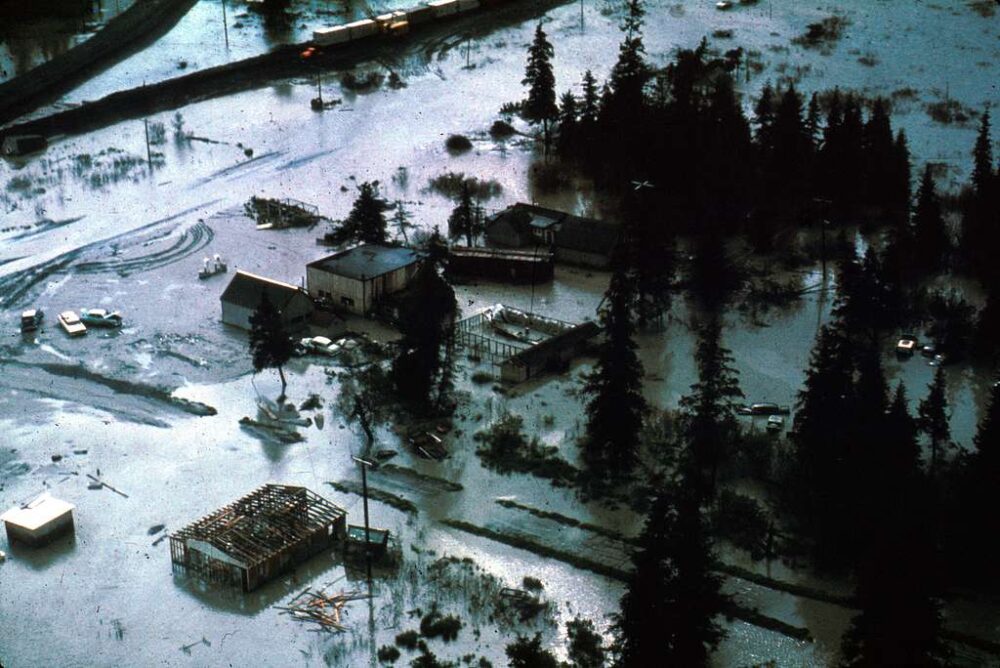
Alaska’s rugged geography and unstable slopes make it one of the most likely U.S. states to experience a mega-tsunami. In 1958, a landslide in Lituya Bay triggered a wave more than 1,700 feet high—the tallest ever recorded.
Though it occurred in a remote area, scientists note similar conditions exist along other parts of Alaska’s coastline. A future event could devastate entire communities and disrupt shipping routes. The 1958 disaster remains proof that mega-tsunamis are not just theoretical—they have already happened in U.S. waters.
4. Hawaii Faces Risks From Volcanic Collapse
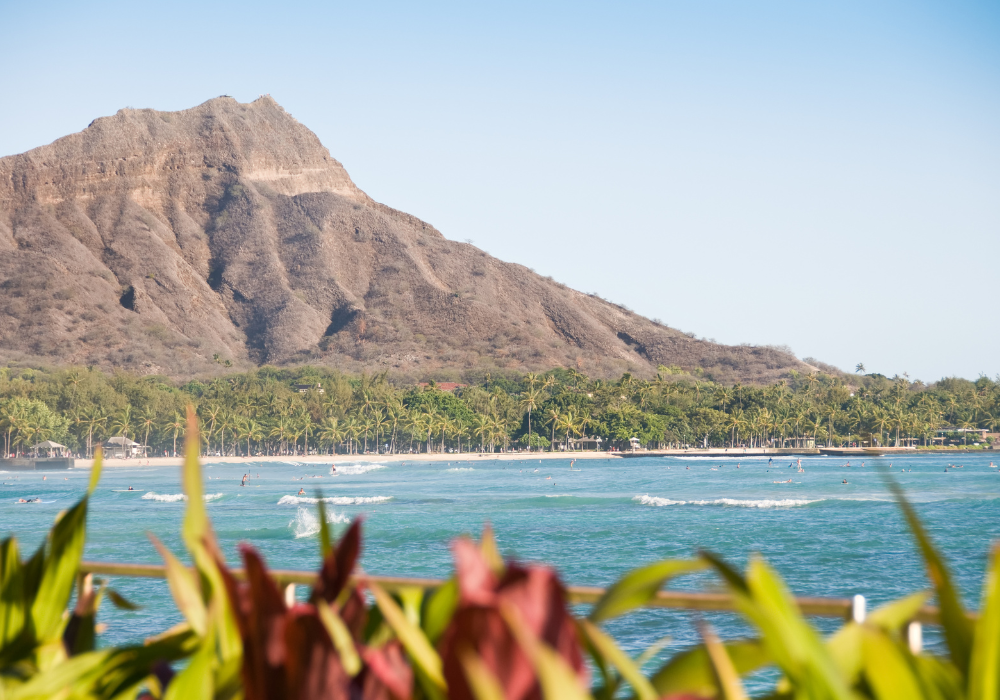
Hawaii’s volcanic islands are stunning, but their steep slopes pose risks. Scientists have long studied the possibility that part of a volcanic flank, such as Mauna Loa, could collapse into the ocean.
If such a collapse occurred, the resulting displacement of water could create waves hundreds—or even thousands—of feet high. These waves would strike nearby islands within minutes, giving residents little time to escape. The idea of paradise turning into ground zero for a global-scale tsunami is one of Hawaii’s most chilling geological risks.
5. Washington’s Coastal Vulnerability

Washington State lies near the Cascadia Subduction Zone, a fault line capable of producing massive earthquakes and tsunamis. While traditional tsunamis pose the most immediate risk, experts say the region’s steep fjords could amplify a mega-wave.
Communities along Puget Sound and the Pacific coast are particularly vulnerable. Even a smaller landslide-triggered tsunami could cause catastrophic flooding. With population centers like Seattle nearby, a mega-tsunami would not only devastate infrastructure but also threaten millions of lives, reshaping the state’s economy and geography for generations.
6. Could Other States Be Affected Too?
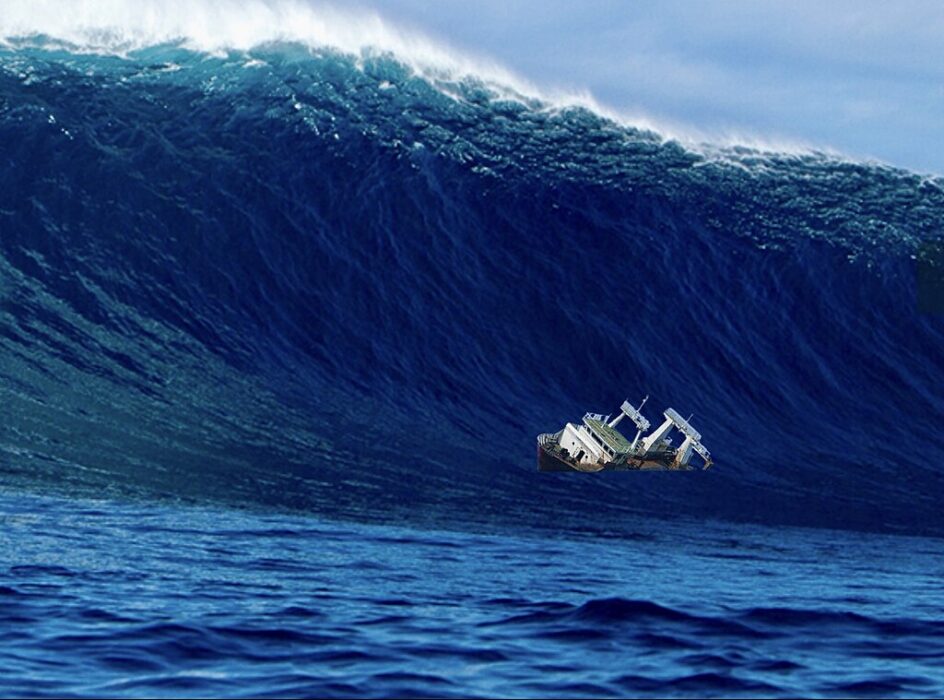
While Alaska, Hawaii, and Washington face the highest risks, other coastal states wouldn’t escape danger. A mega-tsunami could easily send destructive waves across the Pacific, striking California, Oregon, and beyond.
Even states far inland could feel the impact through economic collapse, food shortages, and mass migration. The interconnected nature of modern society means no region would truly be safe. The ripple effects of such a disaster would span not only America but also much of the world.
7. Global Chaos Would Follow Immediately
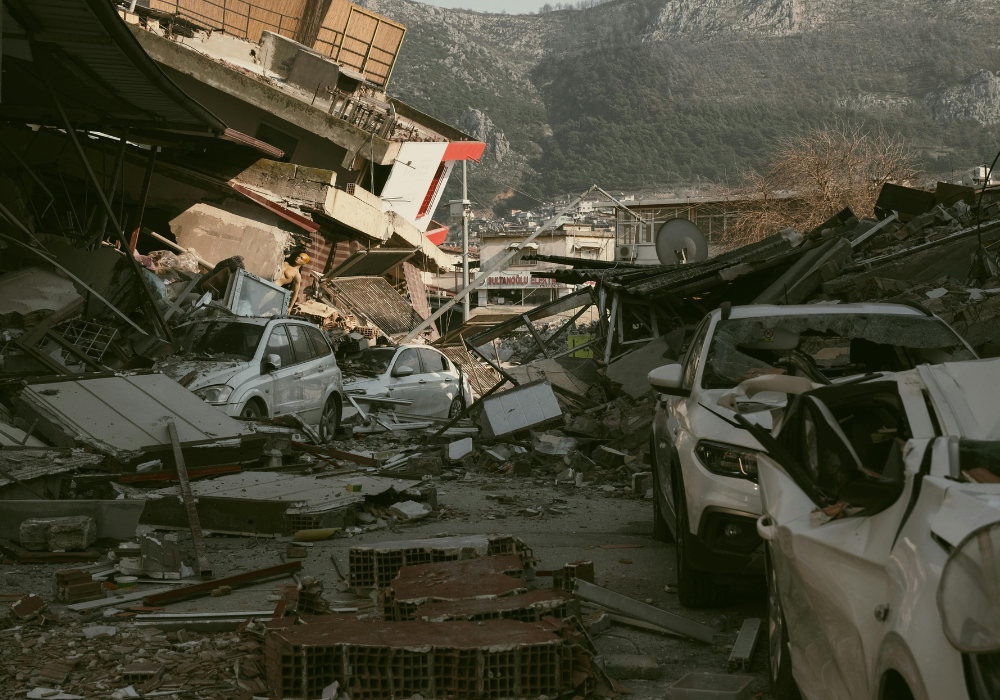
A mega-tsunami striking the U.S. wouldn’t stay a local disaster. Waves would radiate across oceans, hitting countries thousands of miles away within hours. Ports, shipping lanes, and coastal cities worldwide would be destroyed.
The global economy would grind to a halt almost overnight. Energy supplies, trade networks, and transportation systems would collapse. Experts warn that the chain reaction could create political instability, famines, and international conflicts as nations scrambled to secure dwindling resources.
8. The Human Toll Would Be Staggering
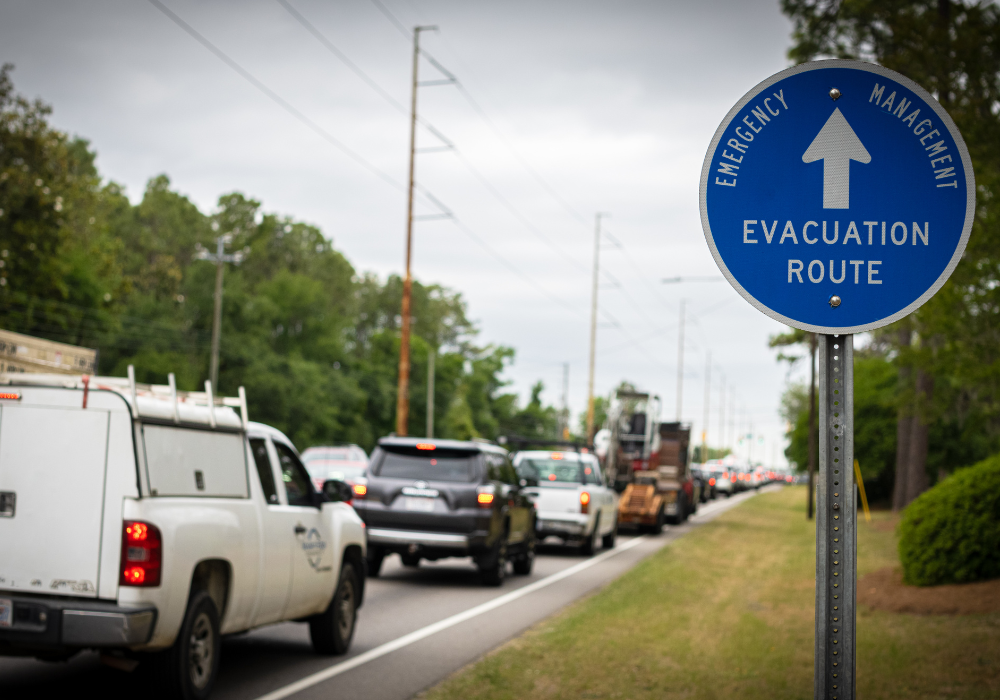
The loss of life from a mega-tsunami would be catastrophic. In low-lying coastal areas, there would be almost no time to evacuate before waves struck. Millions could die in the U.S. alone.
Survivors would face toxic water supplies, destroyed infrastructure, and the collapse of medical and emergency systems. Mass displacement would create a humanitarian crisis, forcing millions of Americans to relocate. The sheer scale of suffering would rival the deadliest disasters in human history.
9. Could Humanity Survive Such a Disaster?
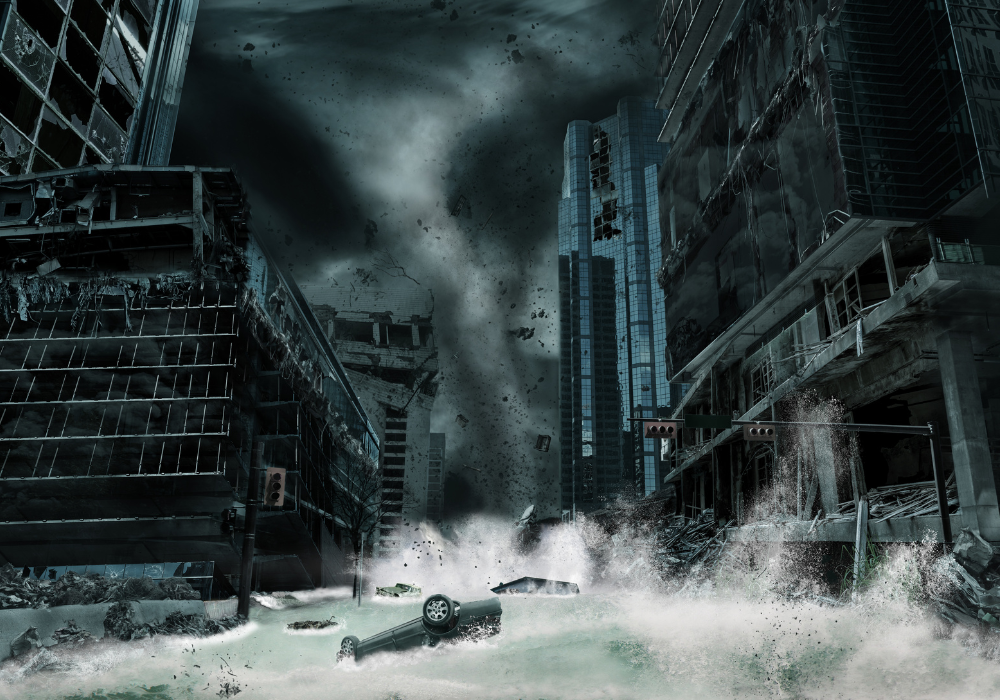
While humanity would likely endure, society would be permanently altered. Survivors would face years of rebuilding in a world where many coastlines were erased. Entire cultures tied to coastal life could vanish forever.
The psychological scars would also be deep. Like nuclear war or pandemics, a mega-tsunami would become a generational trauma, remembered as the day modern civilization nearly collapsed. Experts stress that recovery would be measured in centuries, not decades.
10. Scientists Are Watching Closely for Warning Signs
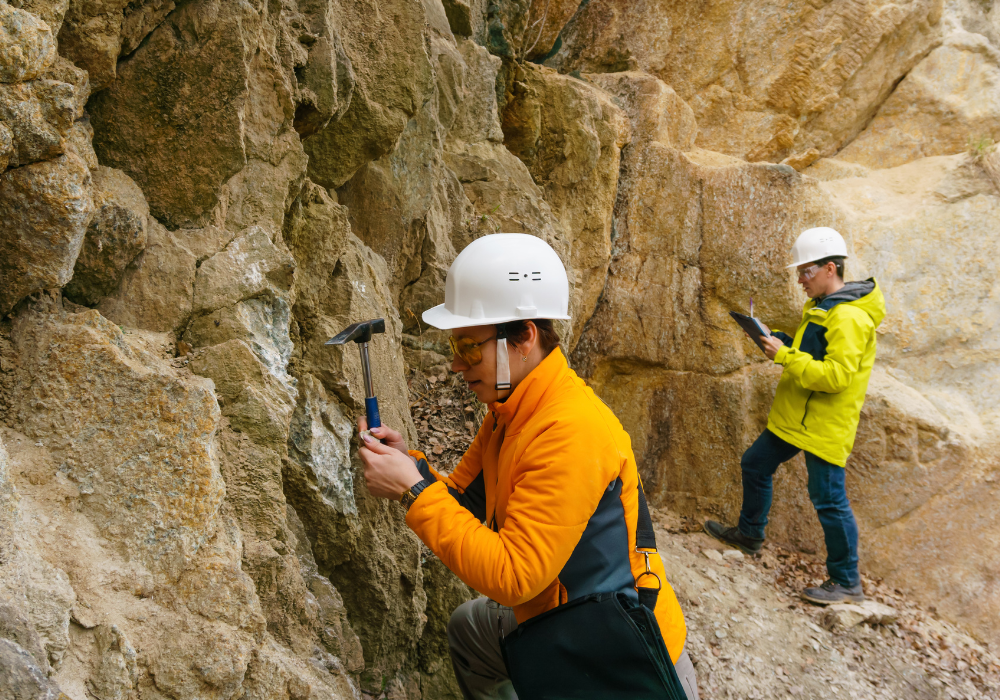
Fortunately, geologists and volcanologists closely monitor areas most at risk. Seismic sensors, satellite data, and field research help track unstable slopes and volcanic flanks that could collapse.
While it’s impossible to predict exactly when a mega-tsunami might occur, scientists hope early warning systems could save lives by giving at least some communities time to flee. Still, the sheer speed of such events means preparation remains humanity’s best defense.
11. Why Experts Say the Risk Is Low—But Real
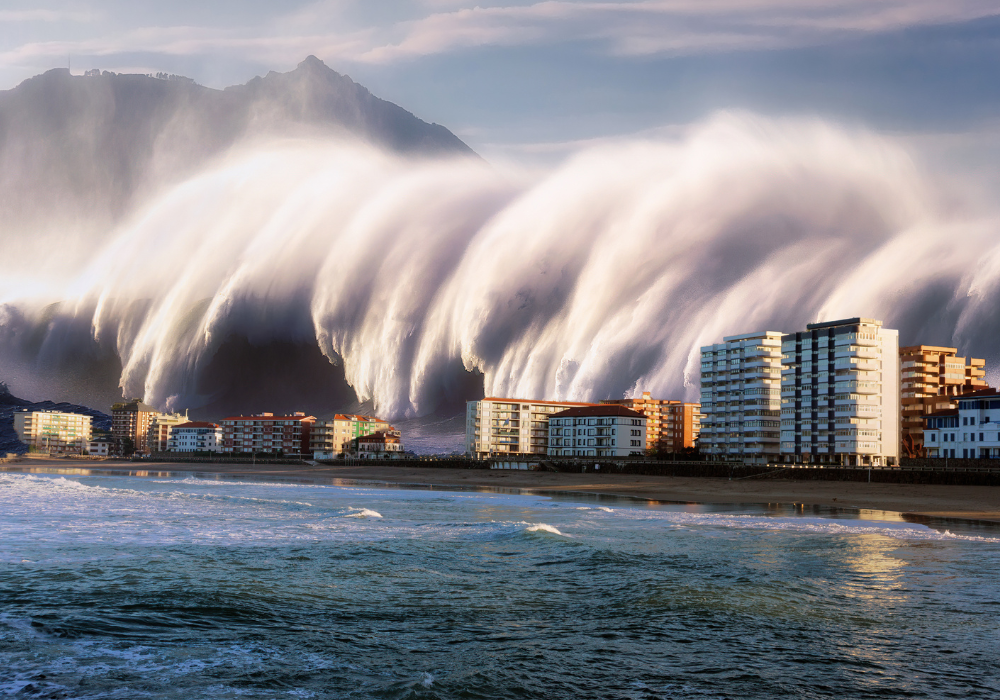
The good news is that mega-tsunamis are extremely rare, with most happening thousands or millions of years apart. The likelihood of one occurring in our lifetime is very low.
However, scientists warn that “low risk” does not mean “no risk.” Geological records show these events have happened before, and the forces that caused them still exist today. A Yellowstone eruption may seem more famous, but mega-tsunamis remain one of the planet’s most frightening, if unlikely, natural threats.