
Scientists say rising temperatures and shifting seasons are quietly throwing our bodies out of rhythm.

If you’ve been feeling unusually tired, anxious, or out of sync, the planet’s changing climate may be partly to blame. Scientists are finding that warmer nights, longer summers, and disrupted daylight cycles can confuse the body’s internal clock — the system that regulates sleep, hormones, and mood. These subtle shifts don’t happen overnight, but over time, they’re affecting how well we rest, focus, and even cope with stress in a rapidly warming world.
1. Hotter Nights Are Disrupting Natural Sleep Cycles

As global temperatures rise, nighttime heat is making it harder for the body to cool down enough for deep sleep. Research from the University of Copenhagen found that people lose an average of 44 hours of sleep per year due to higher nighttime temperatures. Warmer conditions prevent the body’s core temperature from dropping — a key signal that it’s time to rest.
The problem is worst in urban areas, where heat lingers because of concrete and asphalt. Scientists warn that poor sleep caused by heat can increase stress, fatigue, and cognitive decline over time.
2. Shifting Seasons Are Confusing the Body’s Internal Clock

For millennia, humans have synced their biological rhythms to predictable seasonal patterns of light and temperature. But climate change is blurring those signals. Longer summers, delayed winters, and earlier springs are altering when our bodies expect to sleep, eat, and feel most alert.
Researchers studying circadian rhythms note that the brain’s “master clock,” located in the hypothalamus, depends on consistent environmental cues. When daylight and temperature patterns shift unpredictably, it can lead to fatigue, hormonal imbalances, and difficulty adjusting to new seasonal realities.
3. Poor Air Quality Is Making Fatigue Feel Like the New Normal

Wildfire smoke, ozone, and pollution linked to a warming climate are taking a toll on energy levels. A 2023 Harvard study found that exposure to airborne particles can trigger inflammation, reduce oxygen flow, and disrupt brain function — all of which make people feel tired and mentally foggy.
Even short-term exposure can alter sleep patterns and reduce restorative rest. Doctors report increases in fatigue, headaches, and concentration problems during periods of poor air quality, especially in regions affected by recurring wildfires and summer heat waves.
4. Longer Summers Are Changing Hormone Patterns

The human body naturally responds to changes in light and temperature by adjusting hormone levels such as melatonin and cortisol. But extended summers with prolonged daylight hours are altering that balance. Scientists have found that these shifts can interfere with how the body regulates sleep, metabolism, and mood.
Prolonged exposure to heat and light can delay melatonin release, making it harder to fall asleep at night. Meanwhile, constant high temperatures may elevate cortisol levels — the body’s main stress hormone — leading to chronic fatigue and disrupted circadian rhythms.
5. Warmer Winters Are Weakening Natural Rest Cycles

Historically, colder, darker months encouraged people to rest and recover. Now, mild winters are shortening that natural downtime. The lack of a clear seasonal contrast can confuse the body’s circadian and metabolic rhythms, reducing overall quality of rest.
A study from the University of Groningen found that when winter temperatures remain high, people experience lighter sleep and lower melatonin levels. Without that seasonal “reset,” fatigue can accumulate year-round, leaving people feeling constantly drained even without major lifestyle changes.
6. Extreme Weather Is Elevating Chronic Stress

Frequent floods, heatwaves, and storms are not only physical threats but also disrupt mental and physiological balance. Studies show that people living through repeated climate-related disasters often exhibit heightened stress hormones and irregular sleep patterns long after the event ends.
Researchers at the National Institutes of Health note that chronic stress can desynchronize the body’s natural rhythms, affecting digestion, mood, and immune response. The constant anticipation of climate-related disruptions — from fires to hurricanes — keeps the nervous system in overdrive, making true rest and recovery more difficult.
7. Changes in Daylight Are Altering Melatonin Production
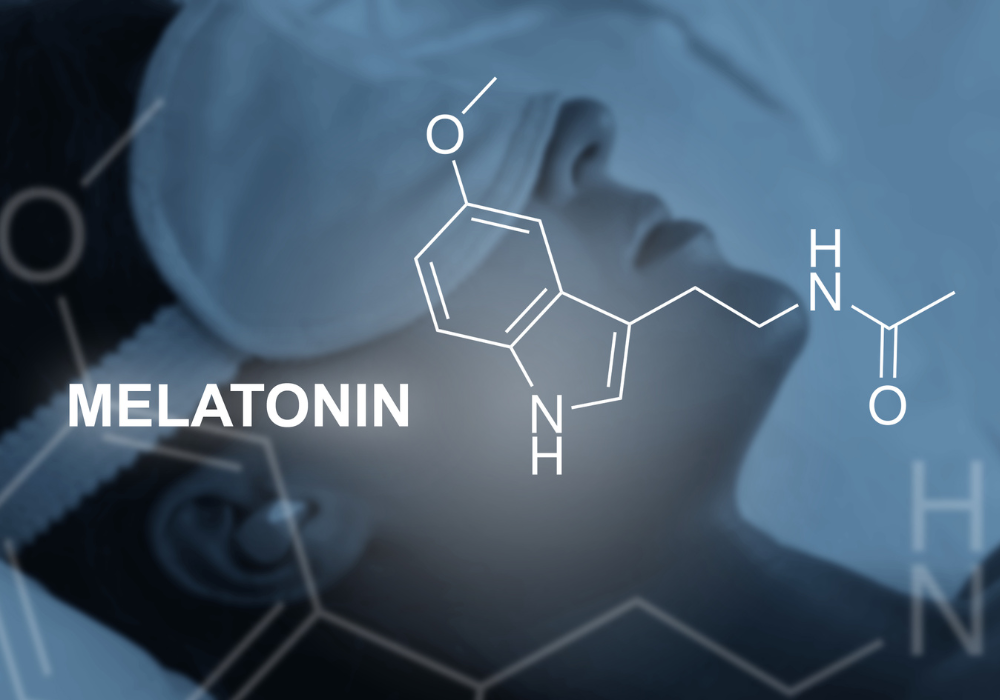
As global temperatures influence cloud cover and regional daylight exposure, scientists are observing subtle shifts in when and how much light people receive. This matters because the hormone melatonin — crucial for sleep — is controlled by light exposure.
Even small changes in timing or intensity can throw off the body’s internal night–day cycle. People living in regions with longer evenings or brighter nights, due in part to climate-related atmospheric changes, may find it harder to maintain consistent sleep schedules or feel truly rested after a full night’s sleep.
8. Heat Stress Is Slowing the Brain’s Alert System

Exposure to prolonged heat doesn’t just make people uncomfortable — it affects cognitive performance. Research published in the journal Nature Climate Change found that mental processing speed and concentration decline significantly during heatwaves. The brain diverts energy to maintain safe body temperature, leaving fewer resources for focus and decision-making.
This ongoing strain can disrupt the body’s normal alert-rest rhythm, leading to a feeling of sluggishness or “jet lag” without travel. Over time, it may also worsen mood swings, anxiety, and general mental fatigue.
9. Altered Food and Light Cycles Are Confusing Metabolism

Climate change is affecting what we eat, when we eat, and even how food affects our energy levels. Crop disruptions, longer growing seasons, and shifting daylight hours can change our meal timing and diet composition — both of which influence the body’s circadian rhythm.
Metabolism and digestion are closely linked to time cues like light exposure and temperature. When these cues shift, the body’s internal clock may become misaligned, leading to fatigue, weight changes, and digestive irregularities — subtle but widespread effects of a changing environment.
10. Climate Anxiety Is Affecting Sleep and Mood Regulation

Psychologists are increasingly studying “climate anxiety,” a chronic worry about environmental change that affects millions worldwide. Surveys show that this anxiety can cause insomnia, nightmares, and irregular sleep patterns, particularly among younger generations.
When the brain is in a prolonged state of concern or uncertainty, it produces stress hormones that disrupt normal sleep cycles. Over time, this can lead to exhaustion and emotional burnout. Scientists emphasize that this isn’t just a mental reaction — it’s a physiological response that directly interferes with the body’s internal clock.