
Scientists say that a declining sense of smell in older adults may signal hidden health risks long before other symptoms appear.

A surprising new study has found that your nose might know more about your health than you think. Researchers discovered that older adults with a poor sense of smell were significantly more likely to die within the following decade than those with normal olfactory function. Scientists believe smell loss could be an early warning sign of underlying issues—from neurodegenerative diseases to general aging of the nervous system—making it a powerful yet overlooked predictor of overall longevity.
1. A Surprising Link Between Smell and Longevity

Researchers have found that a declining sense of smell may do more than affect how you enjoy food—it could offer clues about your long-term health. Studies from institutions like Johns Hopkins University and the University of Chicago show that older adults with poor olfactory function face higher mortality rates over the next decade.
Scientists believe smell loss isn’t just about the nose—it reflects changes in brain health, immune function, and overall physiological aging, making it a powerful predictor of longevity.
2. The Study Behind the Discovery

In one of the most comprehensive studies to date, researchers tracked more than 2,000 adults aged 70 to 85 for over a decade. Participants took standardized smell tests and were monitored for health changes and mortality.
Those who scored lowest on the smell test were nearly 50 percent more likely to die within 10 years than those with normal olfactory ability. The finding remained consistent even after accounting for other factors like age, smoking, and medical history.
3. Why Smell Declines With Age

Our sense of smell naturally weakens over time, but for some people, the decline is steeper and starts earlier. The nerves and brain structures responsible for detecting scent—especially the olfactory bulb—are among the first to deteriorate as we age.
Environmental exposure to pollutants, head injuries, and certain medications can also damage these cells. But when smell loss happens rapidly or severely, researchers say it may indicate deeper neurological or systemic problems that go far beyond the nose.
4. A Window Into Brain Health
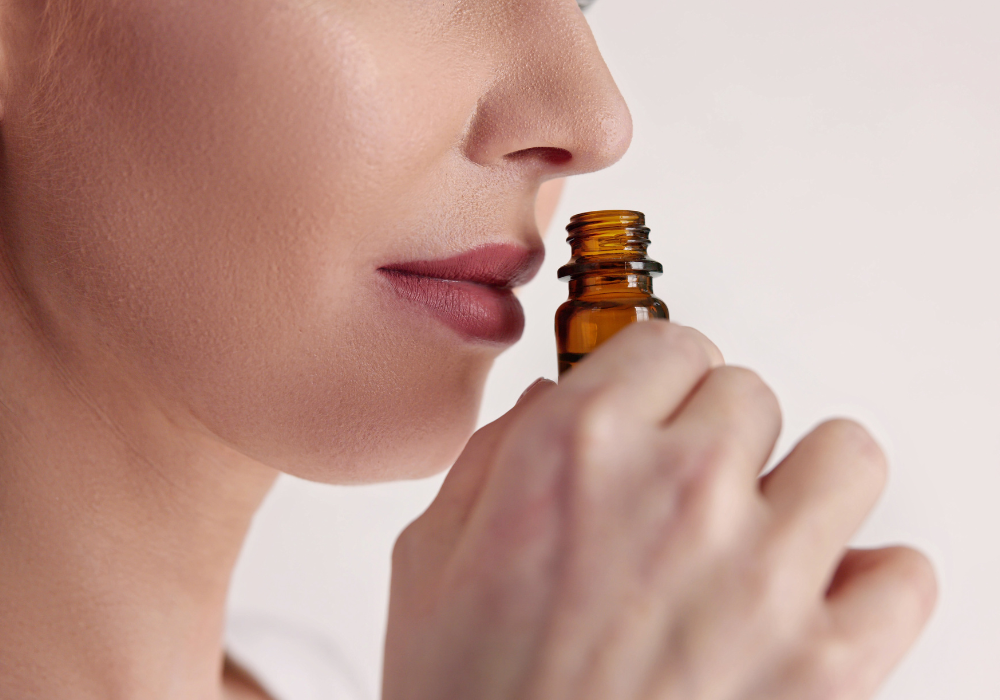
The olfactory system is closely connected to the brain’s memory and emotion centers, including the hippocampus and amygdala. When those areas begin to deteriorate—as in diseases like Alzheimer’s and Parkinson’s—smell is often one of the first senses affected.
That’s why neurologists are increasingly using smell tests as early diagnostic tools. A fading sense of smell can precede noticeable cognitive decline by years, providing a potential early warning sign for neurodegenerative disease.
5. Smell Loss May Signal Hidden Diseases

Beyond brain disorders, a weak sense of smell has been linked to a range of other health problems, including diabetes, high blood pressure, and even immune dysfunction. The body’s olfactory neurons are sensitive to inflammation and oxygen levels, both of which are altered by chronic disease.
Researchers think smell loss may be the body’s way of signaling systemic decline—an early symptom of aging processes that haven’t yet surfaced in other ways.
6. The Science Behind the Connection
When smell receptors are damaged or die off, the brain loses vital sensory input that helps regulate appetite, emotion, and memory. This sensory deprivation can trigger downstream effects—reduced nutrition, less engagement with the environment, and faster cognitive aging.
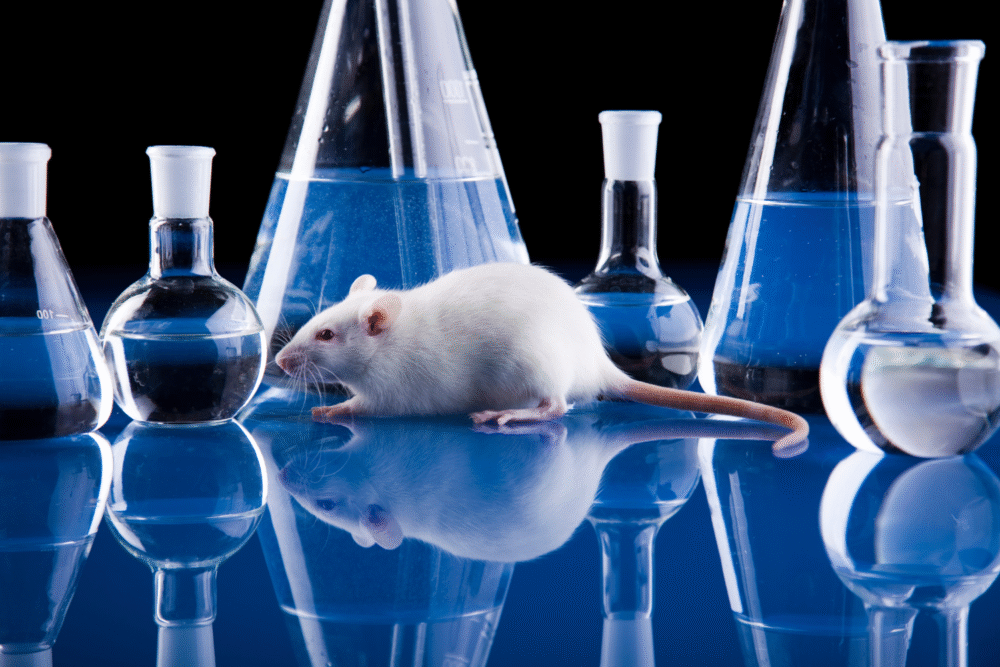
Animal studies also show that when olfactory neurons are disrupted, other brain regions shrink faster, suggesting a biological link between smell and overall brain resilience.
7. Not All Smell Loss Is Permanent
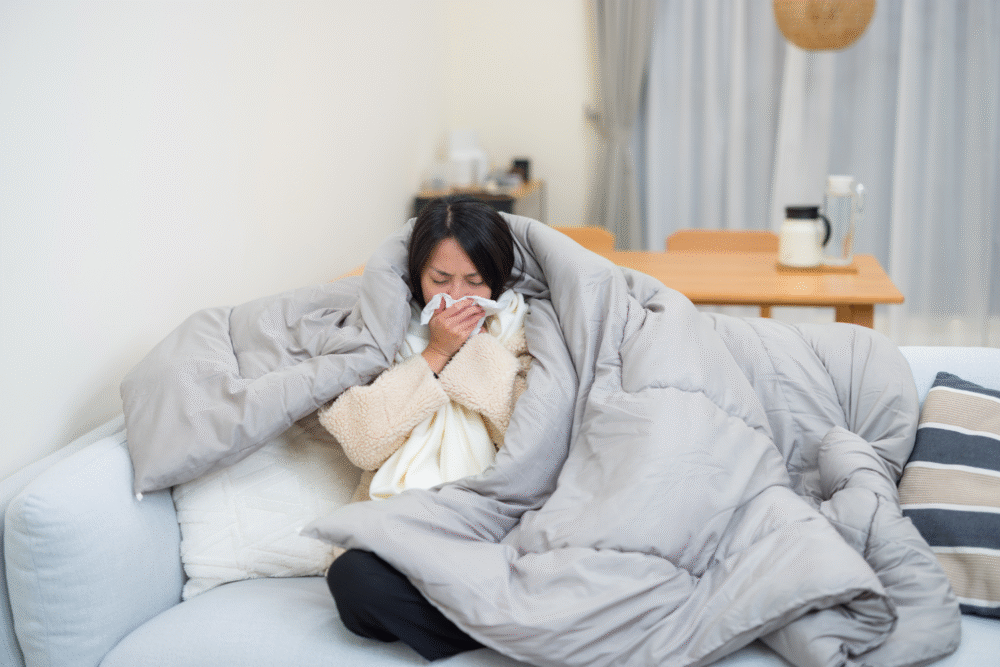
Temporary loss of smell, such as after a cold or sinus infection, isn’t a cause for concern. In most cases, smell returns once the underlying inflammation subsides. However, persistent or unexplained smell loss should not be ignored.
Doctors recommend evaluation if you notice lasting changes in how food tastes, difficulty detecting odors, or if scents seem distorted. Simple clinical smell tests can help determine whether the problem is temporary or tied to a deeper issue.
8. Lifestyle Factors That Protect Your Sense of Smell

While genetics play a role, certain habits can help preserve olfactory health. Avoiding tobacco smoke, managing sinus conditions, eating a balanced diet, and exercising regularly all support the small blood vessels and neurons involved in scent detection.
Keeping the brain healthy also helps the nose—what benefits memory and cognition often benefits smell. Regular aerobic activity, good sleep, and reduced alcohol intake are all linked to stronger olfactory performance in older adults.
9. How Doctors Are Using Smell to Predict Health Risks
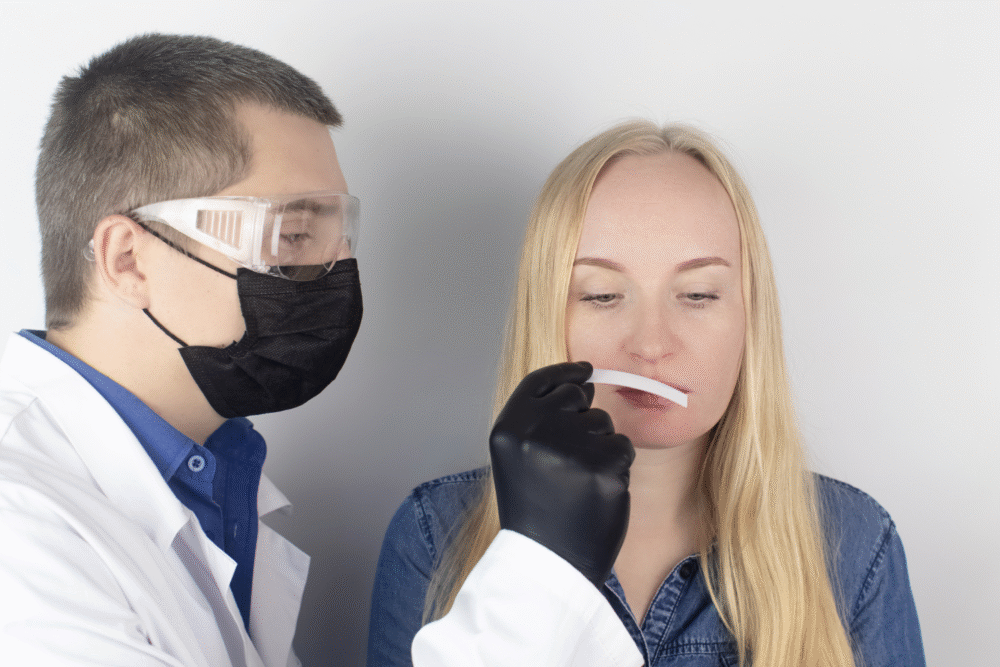
Clinicians are increasingly incorporating smell tests into aging and neurological research. A quick “scratch and sniff” assessment can help identify individuals at higher risk of dementia, nutritional deficiencies, or even early mortality.
This simple tool costs only a few dollars but may prove as valuable as blood pressure or cholesterol tests in predicting long-term outcomes. Researchers say it could eventually become part of routine geriatric screenings.
10. Restoring Smell Might Improve Longevity Too
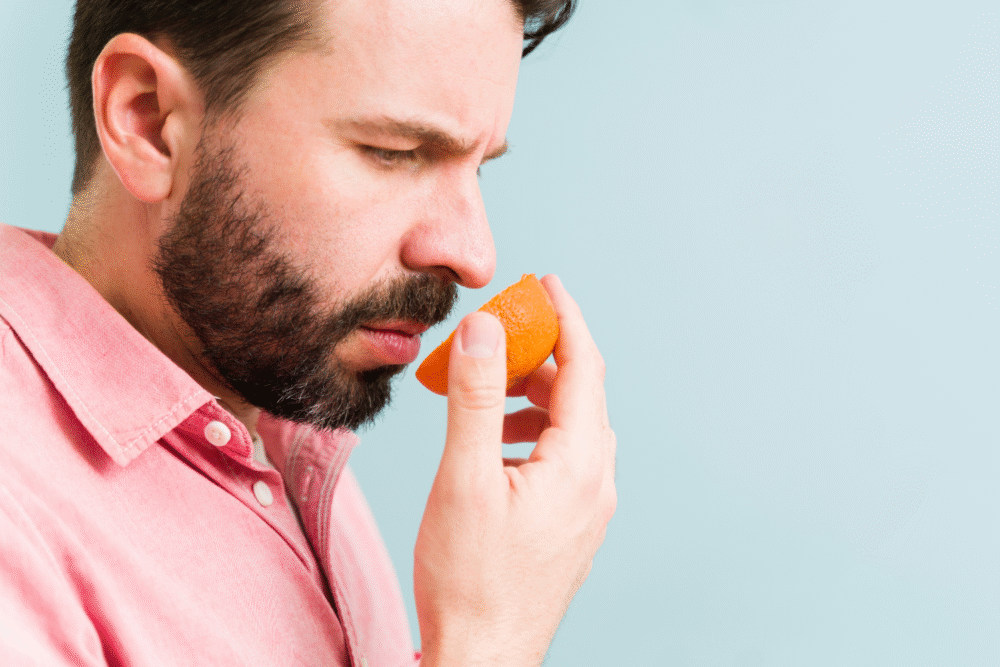
Scientists are exploring ways to retrain or repair the sense of smell through “olfactory training,” which involves daily exposure to familiar scents like lemon, clove, rose, and eucalyptus. Studies show that consistent smell exercises can strengthen neural pathways and restore some lost sensitivity.
If smell is truly tied to brain health, then improving it could do more than restore enjoyment of food—it might slow cognitive decline and support longer, healthier living.
11. Why Paying Attention to Your Nose Could Save Your Life
It’s easy to overlook your sense of smell, but experts now believe it’s one of the most sensitive indicators of overall wellness. Smell decline can appear years before visible signs of aging or disease.
By noticing changes early and seeking medical advice, individuals can catch potential health issues before they progress. In the future, your ability to detect a familiar scent might tell doctors more about your health than any blood test ever could.