
AI is making wellness coaching more accessible, personalized, and effective.

Wellness coaching has traditionally been reserved for those who can afford one-on-one guidance, but artificial intelligence is changing that. AI-powered wellness tools are stepping in as personal coaches, offering real-time insights, tailored recommendations, and continuous support without the hefty price tag.
These digital coaches don’t replace human experts but enhance the way people engage with their health, making sustainable habits easier to maintain. With AI-driven wellness becoming more advanced, personalized coaching is no longer limited to elite athletes or high-paying clients. Here’s why AI could be the best thing to happen to wellness coaching.
1. AI personalizes wellness plans better than most human coaches.
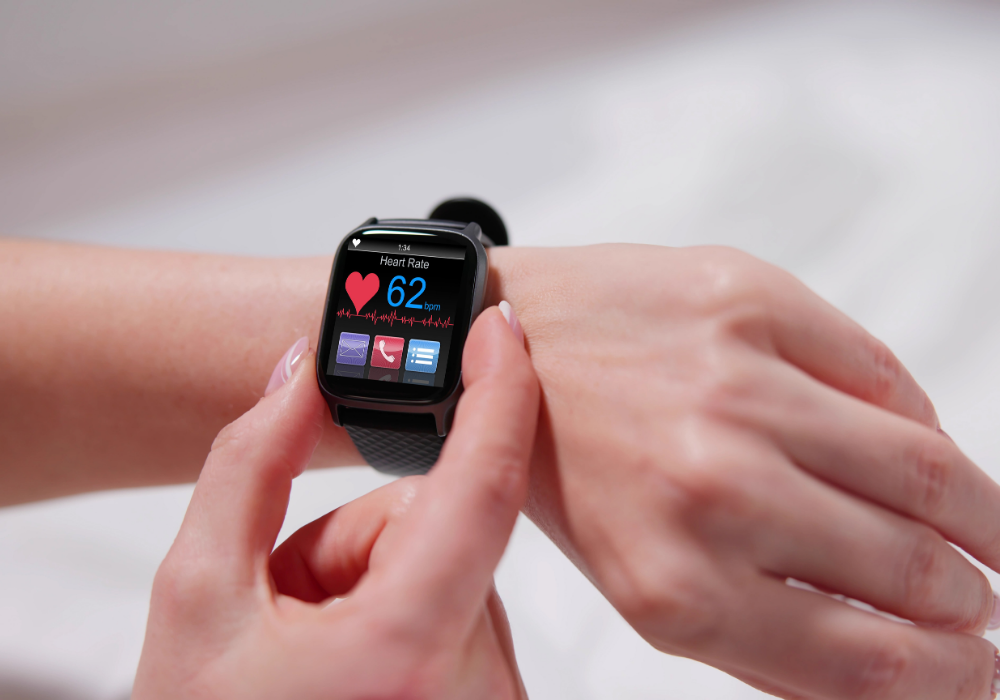
Wellness advice often falls short when it takes a one-size-fits-all approach. AI eliminates the guesswork by analyzing data from wearables, apps, and personal inputs to create customized health plans that adapt in real time. These plans aren’t just based on general health guidelines; they consider sleep quality, stress levels, heart rate variability, and even daily activity patterns to provide truly personalized coaching.
According to researchers at The National Library of Medicine human coaches who rely on observation and reported behaviors, AI processes massive amounts of data instantly. If someone’s recovery metrics indicate fatigue, AI adjusts workout intensity. When stress levels rise, it might suggest mindfulness exercises. With continuous learning, AI refines recommendations over time, ensuring that wellness plans evolve alongside changing needs.
2. Data-driven insights remove the guesswork from health decisions.

Traditional coaching often relies on self-reported habits, which aren’t always reliable. Based on the writing of Zhiling Chen for Science Direct, AI eliminates bias by tracking real-time data such as sleep patterns, heart rate, movement, and even hydration levels, offering clear insights into what’s actually working. This precision helps users make decisions rooted in facts rather than feelings.
Access to measurable progress enables smarter goal-setting. AI can highlight trends that aren’t immediately obvious, like how caffeine affects sleep quality or how inconsistent meal timing impacts energy levels. By detecting subtle patterns, AI helps users take proactive steps before issues escalate, making long-term wellness more attainable.
3. AI wellness tools are available 24/7.
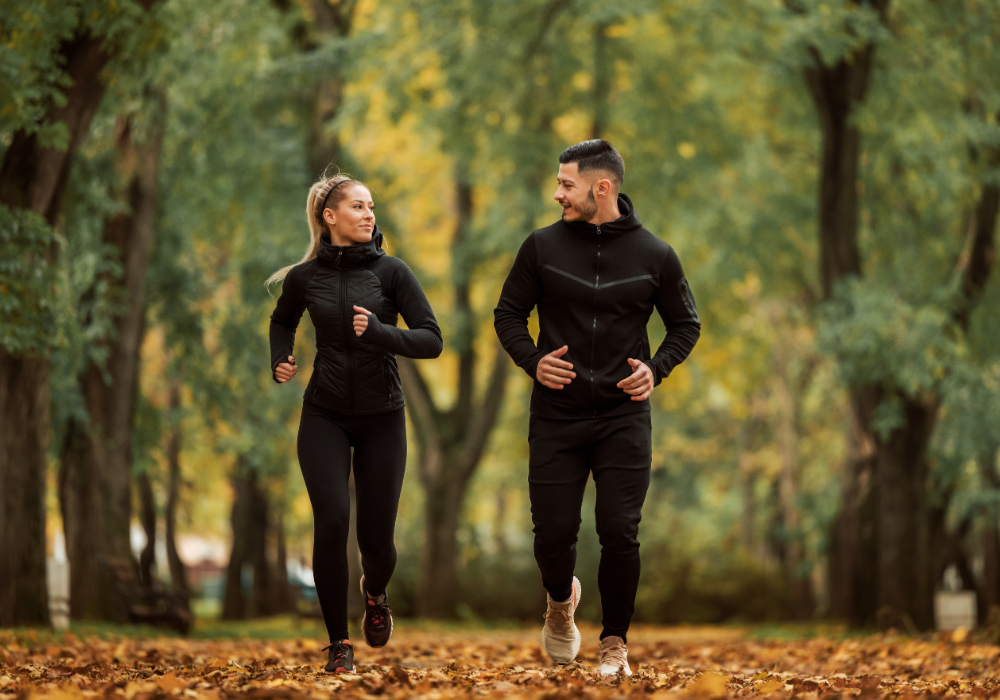
Human coaches have schedules, but AI is available whenever needed. From the point of view of Ranti Ishola for Style Rave, AI-powered wellness assistants provide guidance at any time, whether it’s morning motivation, midday stress relief, or sleep optimization at night. This round-the-clock availability makes it easier to stay on track without waiting for the next scheduled session.
Having instant support means users can log meals, check workout adjustments, or get mindfulness reminders in real time. Whether someone needs a quick sleep tip before bed or a stress-busting exercise in the middle of the day, AI delivers tailored advice at the exact moment it’s needed.
4. Adjusting to mood and motivation levels happens in real-time.

Wellness routines feel easier on some days than others, and AI recognizes these fluctuations. By monitoring sleep quality, heart rate, and engagement levels, AI can detect dips in motivation and adjust recommendations to match energy levels.
Rather than pushing rigid plans, AI offers alternatives based on current capacity. If stress levels are high, it might suggest a lighter workout instead of an intense session. When motivation spikes, it can introduce more challenging goals. This flexibility ensures that wellness routines remain sustainable rather than feeling like an obligation.
5. AI removes judgment and creates a pressure-free wellness space.

Some people avoid wellness coaching because they fear judgment. AI provides a neutral, nonjudgmental space where users can track habits, reflect on setbacks, and adjust behaviors without social pressure. This makes self-improvement feel more approachable.
Without fear of criticism, users are more likely to be honest about their progress. AI helps people move forward after missteps without guilt, offering solutions instead of judgment. By fostering a safe space for personal growth, AI makes it easier to stay consistent with wellness goals.
6. A holistic approach connects all areas of wellness.

Health isn’t just about one factor—it’s a combination of sleep, stress, nutrition, and movement. AI integrates all these elements, recognizing how they influence each other. This ability to analyze multiple variables creates a more comprehensive approach to wellness.
Unlike traditional coaching, which often focuses on one area at a time, AI synthesizes data to show how different habits interact. It can identify trends, such as how sleep affects workout recovery or how hydration impacts concentration. With a full-picture perspective, AI offers smarter, interconnected guidance.
7. Progress tracking happens automatically.
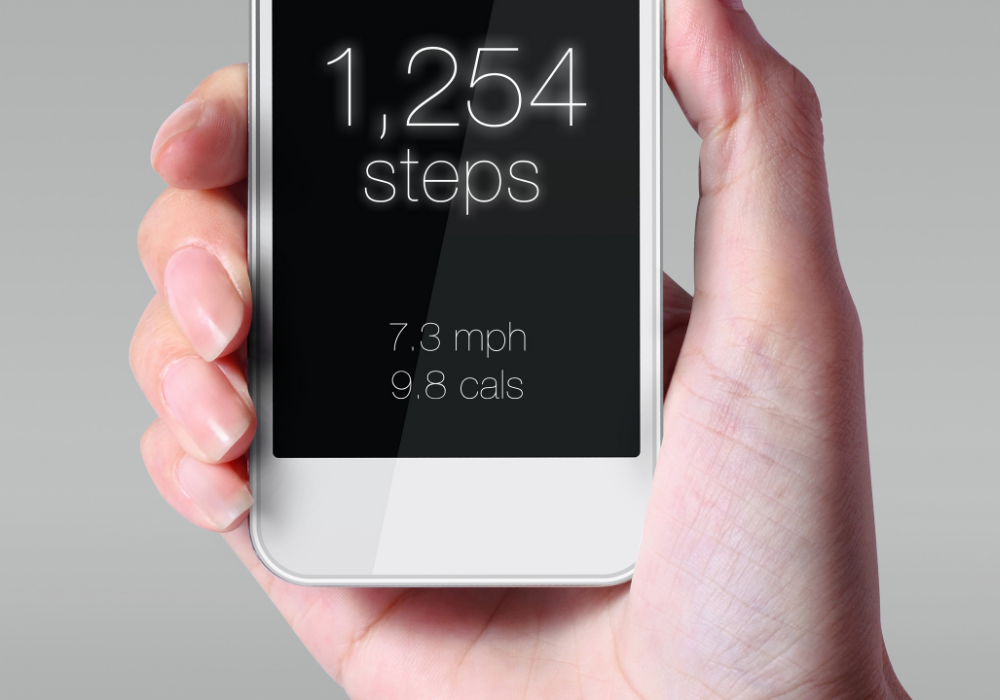
Keeping track of wellness habits manually can be tedious. AI removes this hassle by syncing with wearables and apps to monitor progress effortlessly. Steps, sleep cycles, heart rate trends, and even mindfulness practices can all be recorded without user input.
Having an automated system means people don’t have to remember to log everything. AI presents trends over time, making it easy to see improvements and identify setbacks. This passive tracking keeps users engaged and motivated while reducing the mental load of maintaining wellness habits.
8. Science-backed recommendations arrive instantly.

Wellness advice online can be overwhelming and contradictory. AI simplifies decision-making by filtering out misinformation and offering evidence-based recommendations tailored to individual needs. Instead of sorting through countless opinions, users get actionable guidance rooted in science.
AI pulls from peer-reviewed studies and reliable sources, ensuring that recommendations aren’t just trendy but actually effective. Whether it’s optimizing sleep, improving digestion, or reducing stress, AI provides strategies based on research rather than guesswork.
9. AI wellness coaching is more affordable than human coaching.

Hiring a personal wellness coach can be costly, limiting access for many people. AI wellness tools offer a comparable level of personalized guidance at a fraction of the price, making expert-level coaching more widely accessible.
Most AI wellness apps operate on low-cost subscriptions or even free models with premium upgrades. This affordability allows more people to access structured, data-driven wellness plans without financial barriers. Personalized coaching is no longer reserved for those with disposable income.
10. AI learns and evolves with each interaction.
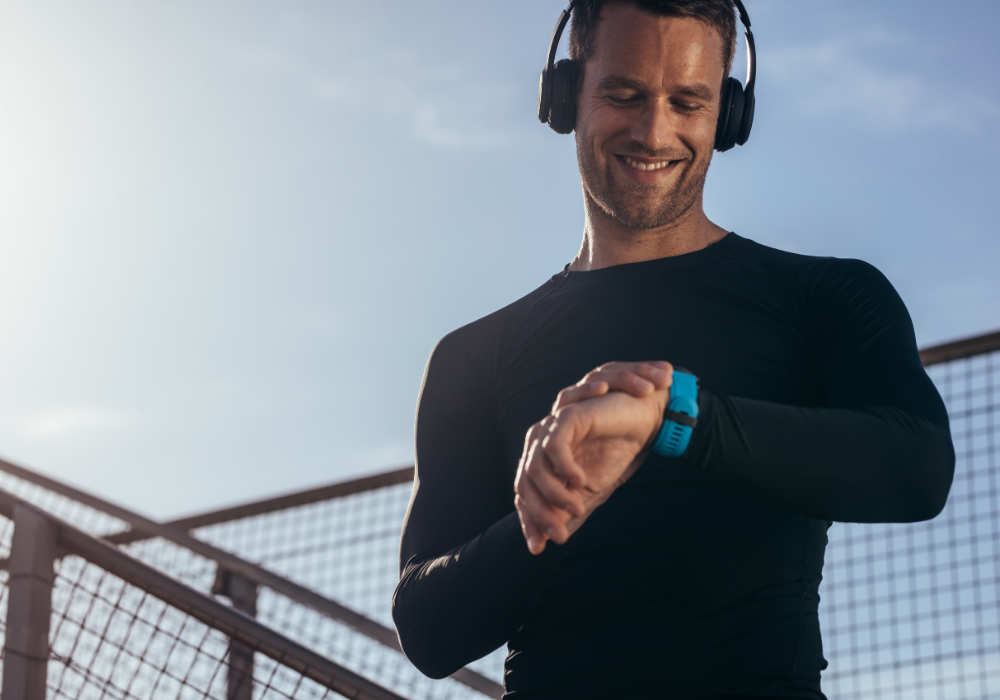
Unlike static wellness plans, AI continuously adapts to user behavior. The more a person interacts with an AI wellness tool, the more refined the recommendations become, ensuring ongoing personalization.
By analyzing past trends, AI fine-tunes its suggestions over time. It learns what works best for an individual’s schedule, lifestyle, and body responses. This evolving intelligence makes AI coaching highly responsive, keeping wellness plans aligned with changing needs.
11. AI works best alongside human coaches.

AI isn’t here to replace human wellness experts but to enhance the coaching experience. While AI handles data analysis, habit tracking, and personalized adjustments, human coaches provide emotional support, deeper insights, and motivation.
A hybrid approach leverages the strengths of both. AI can monitor trends and provide immediate feedback, while human coaches can focus on long-term goal setting and behavior change. Together, they create a comprehensive, highly effective approach to wellness that blends data-driven precision with human connection.