
The hidden mental work that happens before insight suddenly appears.

You know that weird moment when you stop trying, and the answer hits you like it was waiting behind a curtain? That isn’t your imagination. It’s your brain finishing the job before your conscious mind gets the memo.
“Aha” moments happen when unconscious processing quietly rearranges problem pieces in the background, then suddenly snaps distant ideas into a clean solution. Breaks, distraction, and even drowsiness tend to make this process easier.
1. Your conscious mind struggles while your unconscious mind reorganizes.

The first stage of insight usually feels like pushing a stuck door. You think harder, stare longer, and get more irritated. That’s your conscious, logical system trying to force a solution using familiar patterns, which works great for simple problems and totally fails for the weird ones.
What’s happening underneath is more interesting. While you’re “trying,” your brain is already collecting the pieces, searching for connections you can’t see yet. Insight often shows up after a stall because the brain needs time to loosen the rigid framing that your focused effort locked into place.
2. “Aha” moments begin before you feel the “Aha” moment.

The funniest part is how late your awareness arrives to the party. Research shows the brain starts the solution process before you consciously know it. The feeling of sudden clarity comes after the restructuring has already happened under the surface.
Think of it like your brain quietly clicking puzzle pieces together behind a curtain. Then it yanks the curtain open and you go, “Oh my god, it was so obvious.” That “obvious” feeling is the giveaway. It feels obvious because your brain has already smoothed the path and presented the final version.
3. The right side of your brain is better at strange connections.
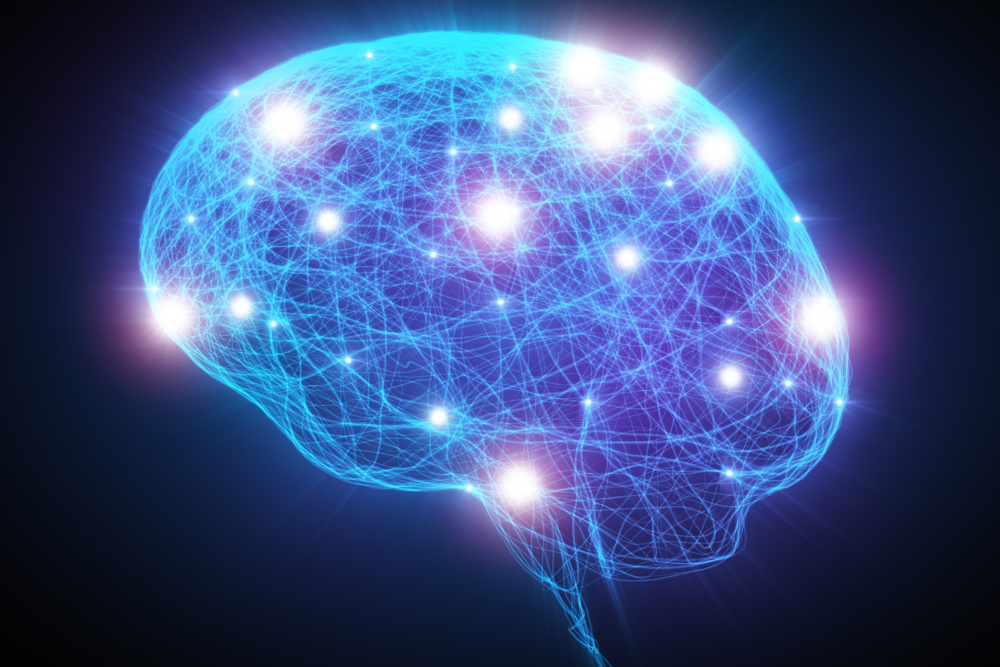
Your left hemisphere is great at staying on task. It’s focused, literal, and disciplined. But the right hemisphere is better at broader semantic linking, meaning it can connect distant ideas that don’t look related at first glance. That’s a big reason insight can feel like a leap instead of a step.
One area that keeps showing up in insight research is the right anterior superior temporal gyrus. It’s like a quiet matchmaker, introducing concepts that would never meet in your normal line of thinking. When it works, you get that sudden snap of meaning.
4. Gamma brain waves spike right before the breakthrough.

Insight isn’t just a poetic feeling. It has a timing signature. EEG studies have found a burst of gamma-band activity in the brain right before a person reports an “Aha” moment, around a few tenths of a second beforehand. That’s basically proof that the brain solved it first, then told you.
I love that detail because it explains the weird “where did that come from?” sensation. It didn’t come from nowhere. Your brain quietly restructured the problem, then launched the solution into awareness like it was tossing you a perfectly formed idea.
5. Getting stuck is often a framing problem, not an intelligence problem.

When you can’t solve something, it’s tempting to assume you’re just not smart enough. Usually it’s not that. A lot of mental gridlock comes from framing the problem the wrong way, like trying to open a door by pushing when it clearly says pull.
Your prefrontal cortex is heavily involved in conscious problem-solving, and it’s powerful, but it’s also stubborn. It sticks to the first interpretation that seems reasonable. Insight happens when that rigid frame collapses and a new one slips into place. Suddenly you’re not “smarter,” you’re simply seeing it correctly.
6. Incubation works because it clears mental noise and bad assumptions.

Incubation is the fancy word for walking away, and it works way more often than people want to admit. Stepping away isn’t laziness. It’s a strategy that gives your brain space to dissolve the wrong assumptions that were glued to the problem.
When you stay locked in effort mode, you keep repeating the same internal moves, like pacing a cage. A break interrupts that loop. Your unconscious mind keeps working, but without the narrow constraints. That’s why answers often arrive while you’re showering, driving, folding laundry, or doing something pleasantly mindless.
7. Distraction doesn’t stop problem-solving, it changes the kind of solving.

People assume distraction kills productivity, but it can actually switch your brain into a different mode. Studies suggest parts of the visual and prefrontal cortices stay active even while you’re doing something else, continuing to process options quietly in the background.
That’s why you can be halfway through a walk and suddenly get the solution to the thing you stopped thinking about. Your conscious mind is busy noticing trees and sidewalk cracks, but your brain is still sifting patterns. It’s like your problem is running as a background app, using just enough power to keep searching.
8. Insight feels emotional because your brain rewards the leap.
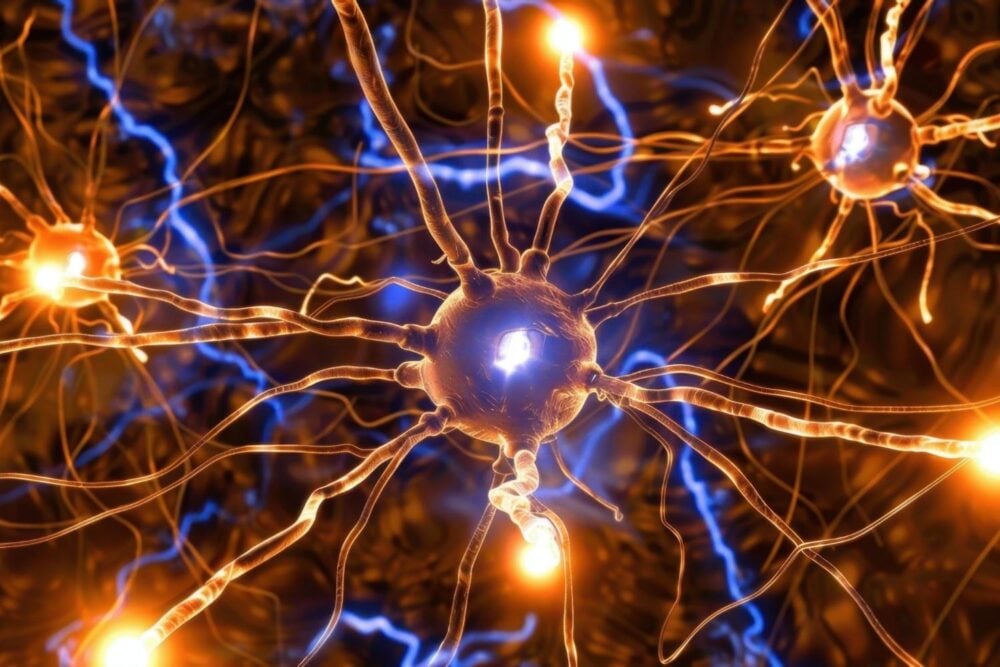
The “Aha” moment isn’t just cognitive. It has a little pop of pleasure to it, like your brain is giving you a gold star. That emotional reward matters because it reinforces the behavior that produced it, meaning your brain learns that connecting distant ideas is worth doing again.
Evolutionarily, this makes sense. Quick leaps can beat slow grinding when you’re facing something unfamiliar or dangerous. If a sudden connection helps you escape a threat, find food, or solve a social puzzle, you survive. So the brain treats insight like a win, because historically it often was one.
9. Your brain can run counterfactuals without asking permission.
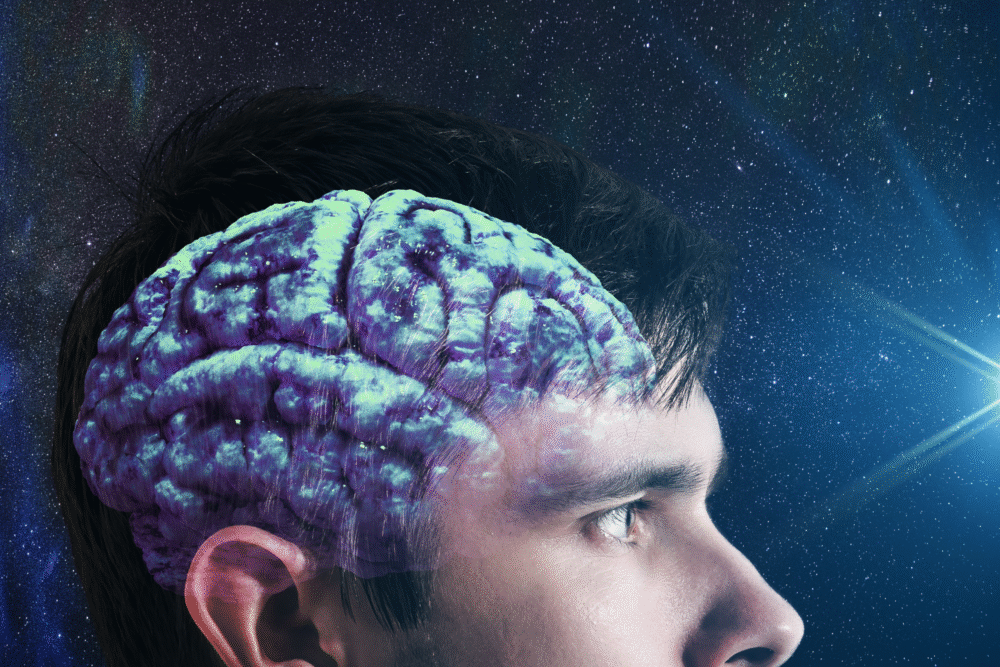
A lot of problem-solving happens through counterfactual thinking, meaning your brain quietly tests “what if” scenarios without you consciously guiding it. It runs mini simulations, compares outcomes, then discards the ones that don’t fit. You don’t feel that work happening, you only feel the final conclusion.
This is one reason insight can seem like magic. You didn’t watch the steps. You got the finished product. But your brain was doing something like fast internal chess, moving pieces, undoing moves, and searching for a path that doesn’t collapse. The result is sudden clarity with hidden effort behind it.
10. Hypnagogic drowsiness can supercharge creative problem-solving.

That floaty pre-sleep state when you’re not fully awake or fully asleep is called hypnagogia, and it’s a weirdly powerful mental zone. Your brain loosens its grip on strict logic, and associations become broader, stranger, and more fluid. That’s gold for insight.
You might notice it when you get a sharp idea right as you’re drifting off, then panic because you’ll forget it. That’s not random. It’s your brain forming connections it might normally censor as irrelevant. In that half-dreamy state, the gatekeeper relaxes, and the creative wiring gets louder.