
Rising costs, shifting values, and uncertainty about the future are reshaping how young adults view having children.

For generations, parenthood was treated as a natural milestone that followed adulthood almost by default. Today, that assumption is quietly unraveling. More young adults are questioning whether having children fits into their lives at all, and many are deciding it doesn’t, at least not right now.
This shift isn’t driven by one single factor. Instead, it reflects a mix of financial pressure, cultural change, personal priorities, and deep uncertainty about the future. Together, those forces are redefining what adulthood looks like for an entire generation.
1. Parenthood no longer feels financially realistic

For many young adults, the cost of raising a child feels overwhelming before pregnancy even enters the picture. Housing, childcare, healthcare, and education expenses have all risen faster than wages, making the math feel impossible rather than challenging.
Even those with stable jobs describe feeling one setback away from financial stress. When parenthood is framed as a lifelong financial gamble instead of a manageable responsibility, opting out can feel less like a rejection of children and more like a rational survival choice.
2. Housing instability makes long-term planning harder

Previous generations often entered parenthood with some expectation of stable housing. Today, many young adults face high rents, frequent moves, or difficulty buying a home at all.
Without a sense of permanence, planning for children feels risky. Parenthood requires space, safety, and predictability, and when those basics feel out of reach, delaying or declining children can feel like the only responsible option.
3. Careers now demand more time and flexibility

Modern careers often require constant adaptation, retraining, and geographic mobility. For young adults trying to establish themselves, parenthood can feel incompatible with staying competitive or secure.
This isn’t always about ambition. It’s about risk. Taking time off, reducing hours, or turning down opportunities can have lasting consequences in workplaces that reward availability and speed, making parenthood feel like a professional liability.
4. Women face sharper trade-offs than before

While expectations for fathers have evolved, women still shoulder a disproportionate share of caregiving. Many young women see how motherhood affects earnings, career advancement, and long-term financial security.
Watching older colleagues struggle to reenter the workforce or juggle impossible schedules sends a clear message. For some, opting out of parenthood becomes a way to protect autonomy, income, and mental health in systems that haven’t fully adapted.
5. Childcare feels like a crisis with no clear solution

Childcare costs rival rent or mortgage payments in many regions, and availability is often limited. Even families who want children describe scrambling for care or relying on fragile arrangements.
For those considering parenthood, this lack of support is a deterrent. When raising a child requires assembling a patchwork of expensive, unreliable care, the emotional and logistical burden alone can feel prohibitive.
6. Mental health awareness is changing priorities
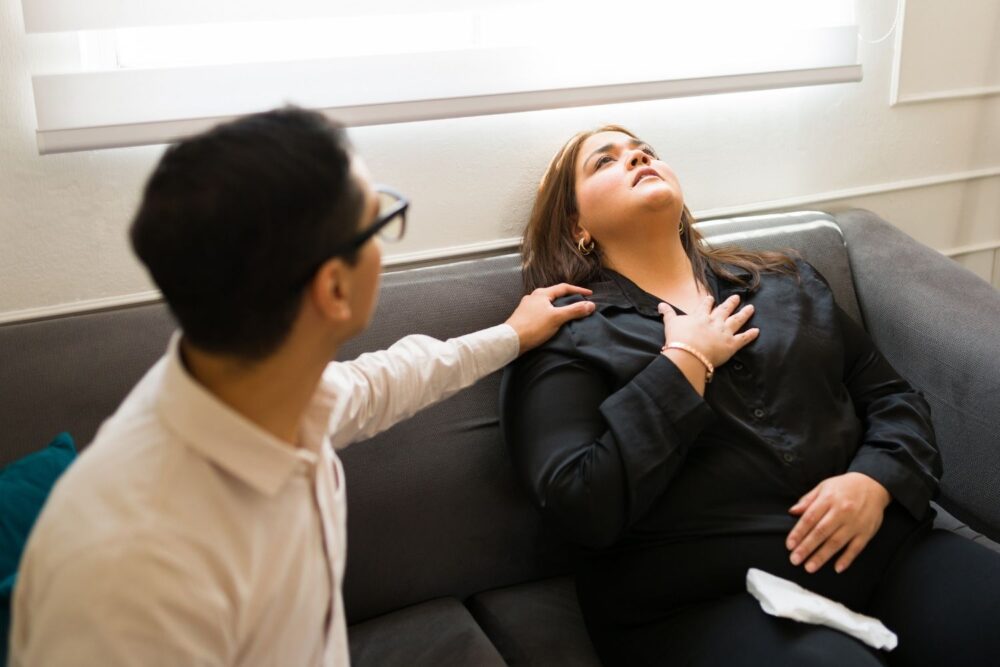
Younger generations are more open about anxiety, depression, burnout, and emotional well-being. Many worry about parenting while already feeling stretched thin.
Rather than viewing stress as something to push through, some young adults choose to step away from expectations that feel overwhelming. For them, opting out of parenthood is framed as a responsible choice, not a selfish one.
7. Climate and global uncertainty weigh heavily

Concerns about climate change, political instability, and global crises factor into decisions about having children. Some young adults question what kind of world a child would inherit.
These worries aren’t abstract. They show up in conversations about safety, resources, and long-term stability. For those who feel the future is increasingly unpredictable, choosing not to have children can feel like a form of ethical caution.
8. Fulfillment is no longer tied to one life path

Parenthood was once positioned as the primary route to meaning and adulthood. Today, young adults are exposed to many alternative visions of a fulfilling life.
Careers, creative pursuits, travel, community involvement, and chosen families all offer purpose without children. When fulfillment has multiple valid paths, parenthood becomes an option, not an obligation.
9. Social pressure to have kids has eased

Cultural norms around family have shifted. Choosing not to have children no longer carries the same stigma it once did, especially in urban and professional settings.
Seeing peers openly discuss child-free lives makes the decision feel less isolating. For many, permission matters. When opting out is normalized, more people feel able to choose what actually fits them.
10. Many are delaying, not rejecting, parenthood

It’s important to note that opting out isn’t always permanent. Some young adults simply don’t see parenthood as realistic in their 20s or early 30s.
Delays can turn into permanent choices as circumstances don’t improve. But for many, postponement reflects caution rather than certainty, shaped by current realities rather than fixed beliefs.
11. Parenthood now requires intentional justification

Where previous generations asked “why not have kids,” today’s young adults often ask “why should I.” That shift reflects a deeper demand for alignment between values, resources, and lifestyle.
If parenthood doesn’t clearly enhance well-being or stability, it struggles to justify itself against other priorities. This isn’t apathy. It’s intentional decision-making applied to a life-altering choice.
12. What this shift says about the future

The rise in child-free and child-delaying adults signals more than personal preference. It reflects structural pressures that make traditional family paths harder to sustain.
Unless affordability, support systems, and work-life balance improve, this trend is likely to continue. Young adults aren’t rejecting parenthood lightly. They’re responding to a world that makes saying yes feel increasingly risky.