
A global quality-of-life ranking crowned an unexpected city at the top.
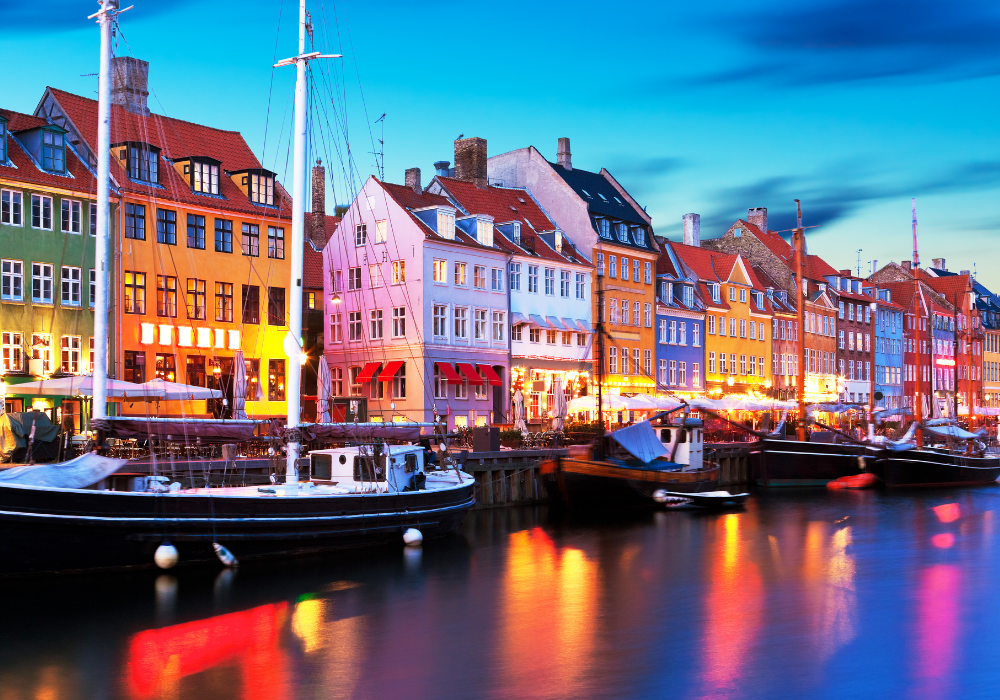
The Economist Intelligence Unit’s Global Liveability Index for 2025 has revealed the city offering the best overall quality of life on Earth, and it’s a surprise to many. After years near the top but not quite claiming first place, Copenhagen, Denmark, has moved into the number-one spot, narrowly beating rivals like Vienna and Zurich. The annual index assesses cities worldwide across stability, healthcare, education, infrastructure, and culture to determine how well they support comfortable, safe, and sustainable daily living.
1. Copenhagen Takes the Top Spot for Liveability

Copenhagen has emerged as the most livable city in the world according to the 2025 Global Liveability Index. The Danish capital performed exceptionally across multiple categories including stability, healthcare services, and infrastructure. Residents benefit from highly efficient public transport, comprehensive healthcare coverage, and a culture that supports both work-life balance and active living.
Copenhagen’s quality of life is also bolstered by progressive public policy and strong environmental planning. Bike infrastructure, accessible services, and well-maintained public spaces help the city score highly on everyday comfort and long-term sustainability, leading to its new position at number one.
2. Vienna and Zurich Share Second Place

Vienna and Zurich finished in a tie for second place in the 2025 rankings, both scoring just behind Copenhagen. Vienna, long a favorite on urban quality-of-life lists, maintains strengths in culture, safety, and public services. Its efficient public systems and rich cultural offerings consistently contribute to high resident satisfaction.
Zurich, with its robust healthcare, strong economy, and high standard of living, matched Vienna’s overall performance. The Swiss financial hub combines excellent infrastructure with scenic surroundings, giving it enduring appeal among both residents and international workers seeking urban comfort and stability.
3. Melbourne Holds a Strong Fourth Position

Melbourne, Australia, secured fourth place in the 2025 index by maintaining strong scores in healthcare, education, and cultural access. The city’s diverse population and vibrant arts scene are often highlighted as key components of daily life that contribute to overall well-being. Its public transportation system and walkable neighborhoods further add to its quality-of-life metrics.
Though not the top of the list this year, Melbourne’s balance of services, lifestyle options, and community engagement keep it near the forefront of global liveability conversations. The city remains a popular choice for expatriates and long-term residents alike.
4. Geneva Balances International Appeal With Daily Comfort

Geneva, Switzerland, placed fifth in the latest liveability rankings, reflecting its strong blend of cosmopolitan amenities and high-quality infrastructure. As a global center for diplomacy and international organizations, Geneva attracts a diverse population while offering strong public services and cultural resources.
The city’s healthcare system and educational options also perform well in comparative measures. Geneva’s lakeside setting and access to nature add to its appeal, making it both a vibrant urban center and a comfortable place to call home year-round.
5. Sydney’s Natural and Urban Assets Keep It High

Sydney, Australia, claimed sixth place, buoyed by excellent healthcare access, solid infrastructure, and enviable natural surroundings. Its beaches, parks, and outdoor spaces help residents balance urban life with recreational opportunities that support physical and mental well-being.
Although stability metrics in some developed cities have fluctuated, Sydney’s overall quality of life remains strong. Its blend of service access, environmental quality, and cultural offerings contribute to a lifestyle that consistently scores highly among global urban dwellers.
6. Osaka Is Asia’s Top Representative

Osaka, Japan, earned a tie with Auckland for seventh place, becoming the highest-ranked Asian city in the 2025 liveability index. The city stood out for its public safety, healthcare systems, and efficient urban infrastructure. Its dense but orderly urban fabric supports both economic activity and quality daily living.
Osaka’s cultural scene and food culture also contribute to its overall liveability. Alongside high standards in education and transportation, these qualities make Osaka a leading example of how major East Asian cities can compete in global quality-of-life rankings.
7. Auckland Combines Lifestyle and Urban Services

Auckland, New Zealand, shared seventh place with Osaka, showcasing a strong combination of lifestyle and urban services. The city’s plentiful green spaces, outdoor recreation opportunities, and lower population density contribute to a sense of well-being that complements solid public services.
Healthcare, education, and cultural amenities also play a major role in Auckland’s score. Residents benefit from an environment that supports both active living and access to essential services, helping the city maintain its place among the world’s most livable.
8. Adelaide’s Quality of Life Continues to Impress

Adelaide, Australia, ranked ninth in the 2025 index, reflecting solid performance across liveability categories. Known for its relaxed atmosphere, thriving arts culture, and quality public spaces, Adelaide provides many of the attributes associated with higher-tier global cities.
Its healthcare and education systems contribute significantly to overall comfort and security. While smaller than some competitors, Adelaide’s balance between urban services and lifestyle amenities continues to help it climb in comparative liveability tables.
9. Vancouver’s Natural Beauty and Services Keep It Competitive

Vancouver, Canada, rounded out the top ten, thanks to strong scores in environmental quality, education, and cultural life. The city’s scenic setting — with mountains, ocean, and forests nearby — contributes to residents’ well-being alongside access to comprehensive urban services.
Although stability measures can vary over time, Vancouver’s overall liveability remains high. Its focus on sustainability and outdoor lifestyle helps maintain its reputation as one of North America’s most comfortable and desirable cities to live in.
10. The Index Measures What Makes City Life Work

The EIU Global Liveability Index measures more than 30 indicators across five major categories: stability, healthcare, culture and environment, education, and infrastructure. Cities earn scores from these indicators that reflect how well they meet basic resident needs and support quality daily living.
This methodology is designed to capture differences in everyday life — from access to clean water and effective public transportation to personal safety and cultural opportunities. The resulting ranking helps residents and policymakers compare cities on a global scale.
11. Stability Trends Affect Global Rankings

One notable trend in the 2025 index is how stability factors influence overall scores. Geopolitical tensions and civil unrest in some regions have lowered liveability scores even where healthcare and education are strong.
Analysts say these results show how broader social and political conditions increasingly shape perceptions of quality of life. Safety, along with access to essential services and infrastructure, remains foundational to cities’ liveability.
12. What This Means for People Choosing Where to Live

For individuals and families considering relocation or long-term stays abroad, the 2025 liveability rankings offer valuable insight into where urban life feels most supportive and secure. Top cities demonstrate a balance of personal safety, high-quality public services, and cultural richness.
These results highlight places that combine comfort with opportunity — factors many expats, retirees, students, and professionals prioritize when choosing where to build their lives. The rankings provide a snapshot of where urban environments are working best.