
Scientists say our brains construct reality together, and that shared model may be more fragile than we realize.
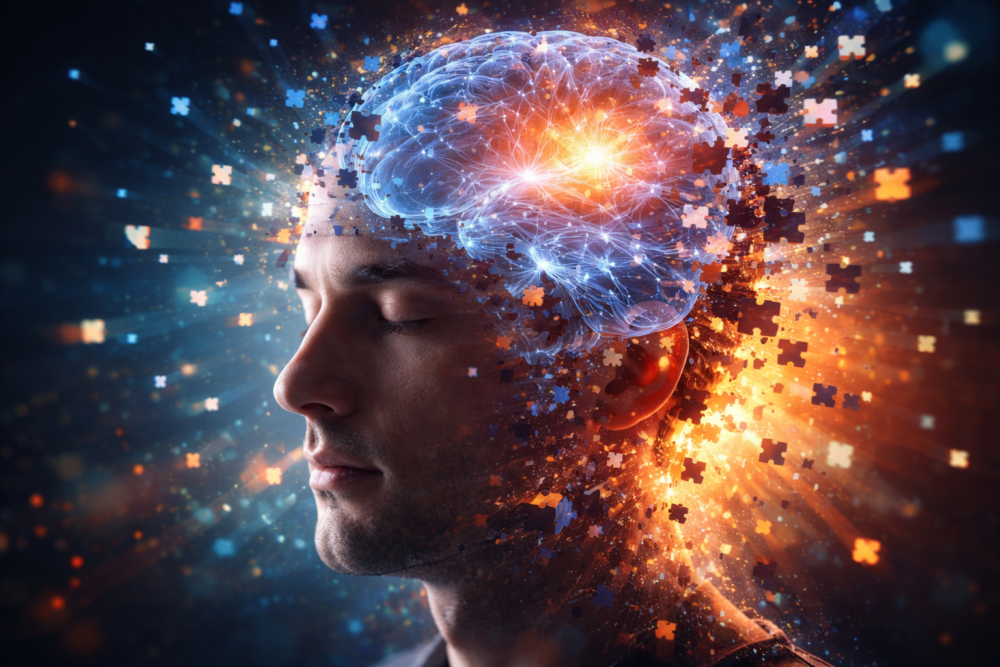
For most of us, reality feels fixed and objective. We see the world around us, hear its sounds, and trust our senses to guide us. But some researchers argue that what we call reality is actually a model our brains construct by predicting what’s out there. When enough people build similar models, a shared experience emerges, what we collectively accept as real.
This idea is not just philosophical. If our shared reality is shaped by internal mental processes rather than direct access to the world itself, perception may be more fragile than we assume. Under extreme cognitive stress, social pressure, or distorted information, the same system that keeps us oriented could begin to unravel.
1. Your brain is constantly building reality for you
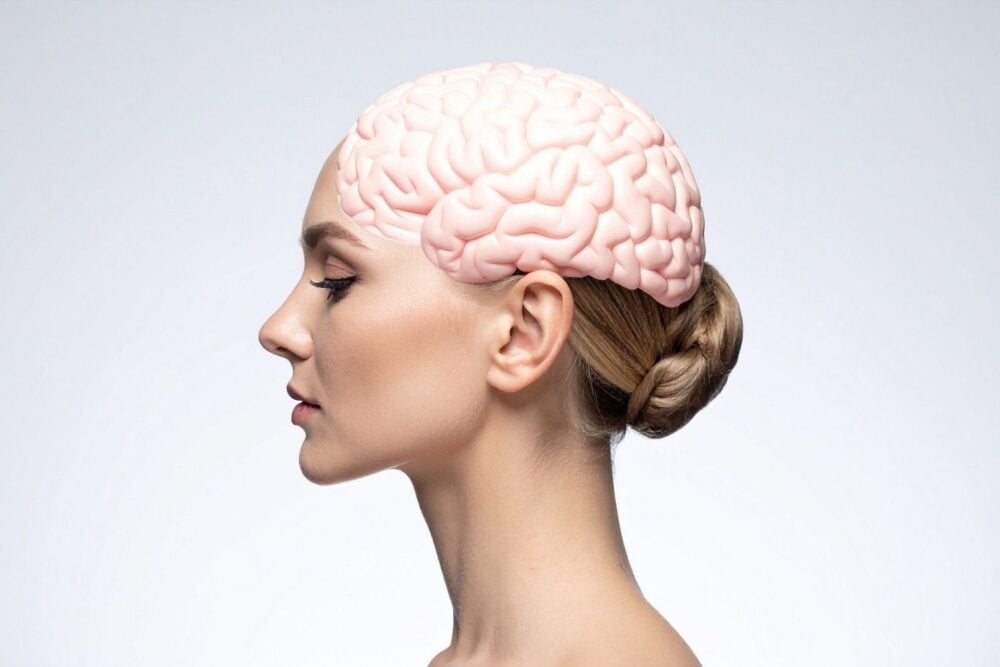
The brain does not passively record the world like a camera. It actively predicts what will happen next and fills in missing information to create a smooth, continuous experience.
This is why optical illusions work and why different people can interpret the same event in very different ways. What feels immediate and obvious is actually the result of constant behind-the-scenes guesswork.
2. “Shared hallucination” does not mean the world is fake
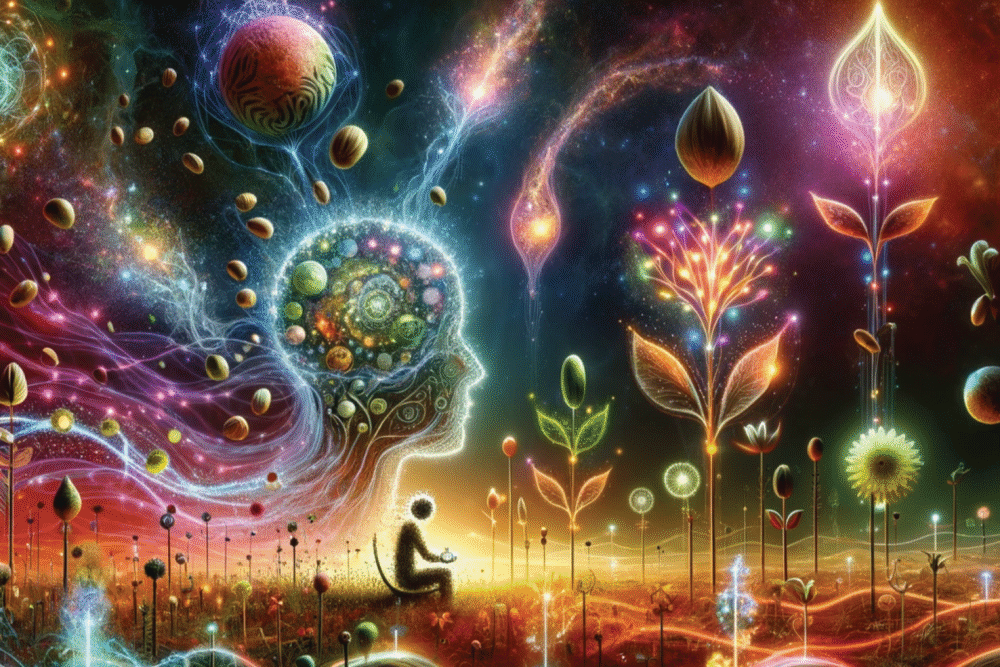
When scientists describe perception as a hallucination, they do not mean reality is imaginary. They mean the brain interprets sensory input rather than accessing the world directly.
The hallucination is tightly constrained by external signals and past experience. Because most human brains work in similar ways, our interpretations usually line up, allowing us to share a common sense of reality.
3. Evolution favors usefulness over accuracy

From an evolutionary perspective, perception does not need to be perfectly accurate. It only needs to be useful enough to keep an organism alive.
If a simplified or biased view of the world helps avoid danger or find food, natural selection will favor it. That means what we experience is shaped by survival needs, not by a requirement to reflect objective truth.
4. When shared reality weakens, confusion spreads

In extreme psychological or social conditions, shared assumptions about reality can fracture. History offers examples of mass delusions and group belief systems that detached from evidence with serious consequences.
These moments reveal how much we rely on social agreement to stabilize perception. When consensus breaks down, confusion and fear often rush in to fill the gap.
5. Everyday perception is already a controlled illusion

Even normal perception involves constant interpretation. Depth, motion, and color are not directly sensed but inferred from limited data.
Your brain stitches these signals together so seamlessly that you never notice the construction process. The illusion works so well that reality feels solid and unquestionable.
6. Predictions shape what you notice and believe

Modern neuroscience suggests the brain operates on prediction first and correction second. It anticipates what it expects to see, then adjusts when reality disagrees.
This approach is efficient, but it also means expectations can shape experience. When predictions overpower evidence, the brain can fill in details that are not actually there.
7. Shared reality makes society possible

Human cooperation depends on a shared model of the world. Language, laws, money, and social norms only work because people agree on what they represent.
Without this alignment, communication would collapse. Shared reality is not just philosophical, it is the infrastructure of everyday life.
8. The illusion is invisible because it works so well
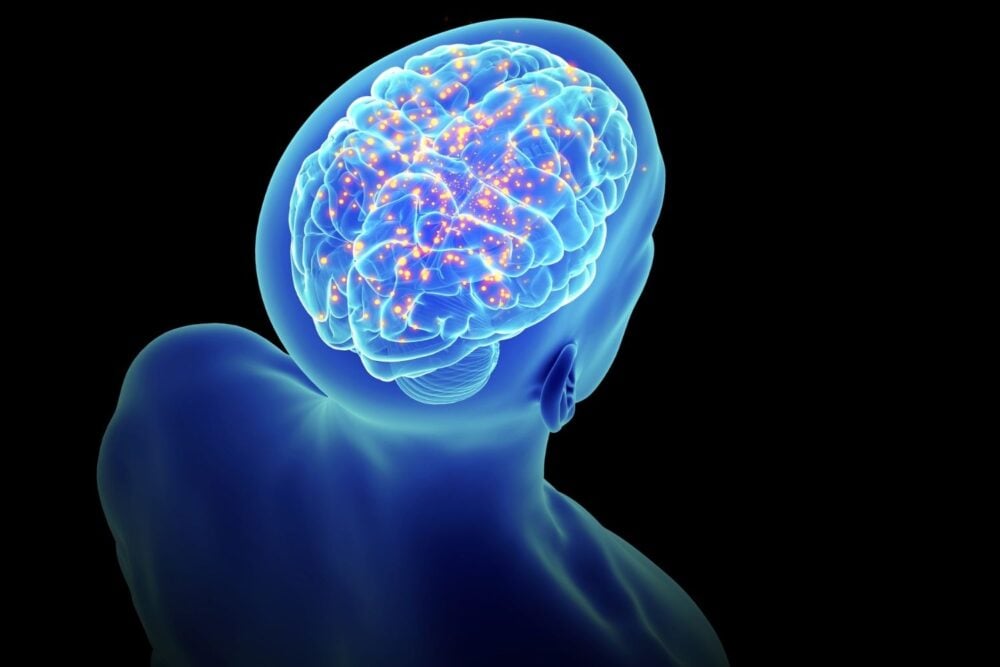
Your brain does not label experiences as interpretations. It presents them as facts.
Because the system is reliable most of the time, we forget it exists at all. We experience the world as something happening to us, not something being constructed inside us.
9. Altered states expose the machinery underneath

Sleep deprivation, neurological disorders, and certain drugs can disrupt the brain’s predictive system. When that happens, perception can fragment or distort.
These states reveal how flexible and vulnerable our sense of reality can be. They are reminders that stability is maintained, not guaranteed.
10. Science and philosophy meet at the edges of perception
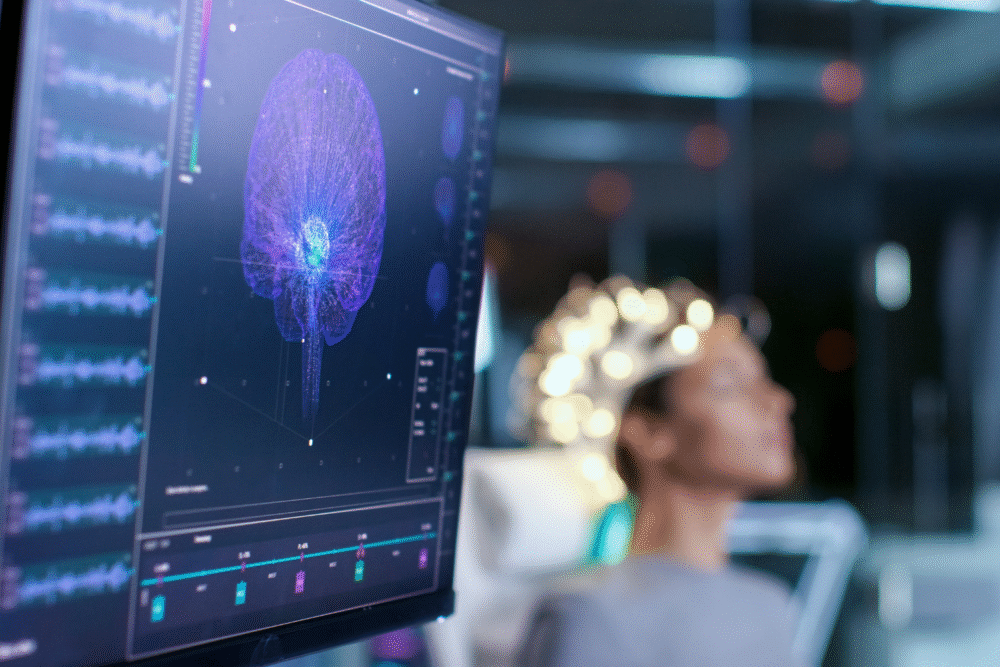
Questions about reality sit at the intersection of neuroscience, psychology, and philosophy. Thought experiments about dreams and illusions challenge assumptions about certainty and knowledge.
While science can map brain processes, it cannot yet explain why conscious experience feels the way it does. That gap keeps the debate alive.
11. The takeaway is awareness, not alarm

The idea that reality is partly constructed is not meant to unsettle. It is meant to deepen understanding.
Recognizing how perception works can make us more cautious, more empathetic, and better able to navigate disagreement. Reality may be something we build together, but that shared construction is also what allows meaning, cooperation, and understanding to exist at all.