
Across continents and centuries, communities have recognized identities that go far beyond the binary.
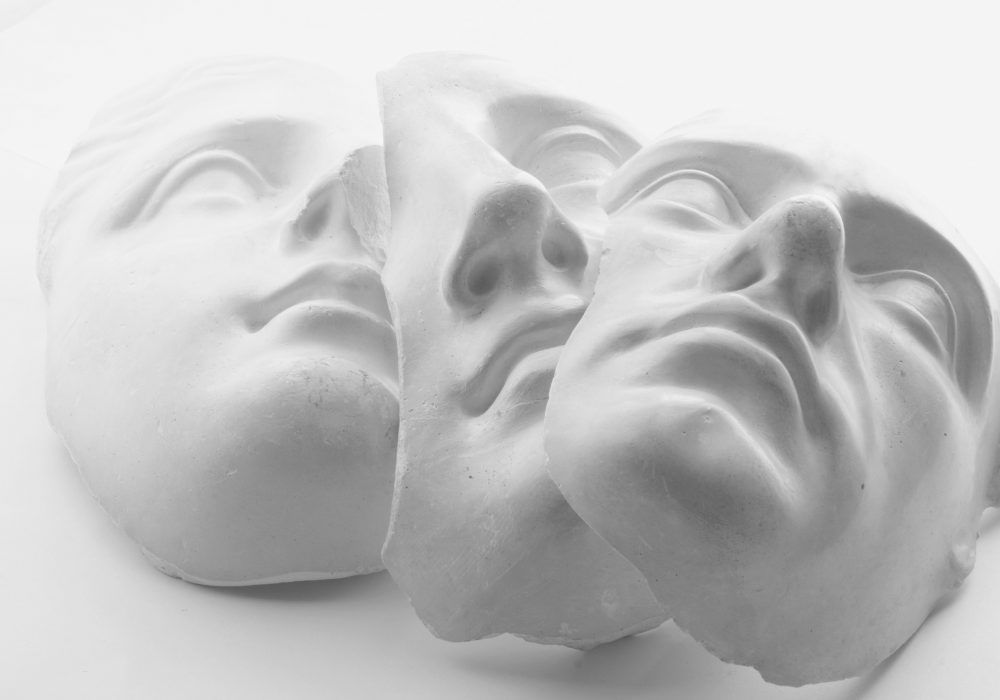
Many societies around the world — both past and present — have long recognized gender identities beyond the familiar male–female binary. These traditions show that gender diversity is not a modern invention but a deeply rooted part of human culture. Anthropologists have documented communities on multiple continents where additional gender roles hold social, spiritual, or ceremonial importance. By examining these examples, we gain a clearer understanding of how flexible, varied, and culturally specific gender has always been.
1. Indigenous North American Nations With Two-Spirit Roles

Hundreds of Indigenous nations across North America historically recognized Two-Spirit people, a term used today to describe diverse gender roles that varied from tribe to tribe. These individuals often held respected positions as healers, mediators, artists, or ceremonial leaders.
The roles were not uniform; each community had its own names, expectations, and cultural meanings. Two-Spirit identities were deeply integrated into spiritual and social life, reflecting a worldview in which gender was fluid, complex, and connected to community responsibilities.
2. South Asia’s Hijra Communities
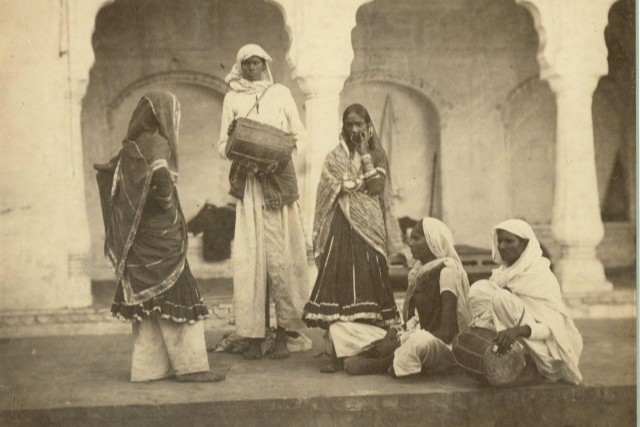
In India, Pakistan, Bangladesh, and Nepal, Hijras have been part of South Asian society for centuries. Often described as a third gender, they may include eunuchs, intersex people, and transgender individuals who share distinct cultural traditions.
Hijras traditionally perform at births and weddings, offering blessings believed to bring good fortune. Despite historical recognition and religious significance, many today still face discrimination. Recent legal reforms in India and Pakistan have granted Hijras official third-gender status.
3. Samoa’s Fa’afafine

In Samoa, Fa’afafine are a recognized gender category distinct from men and women. They are typically assigned male at birth but take on feminine gender expressions and roles within the community.
Fa’afafine often contribute to caregiving, domestic tasks, and cultural performances. Their acceptance is tied to Samoan understandings of family and social responsibility, showing how cultural values shape gender categories.
4. Thailand’s Kathoey
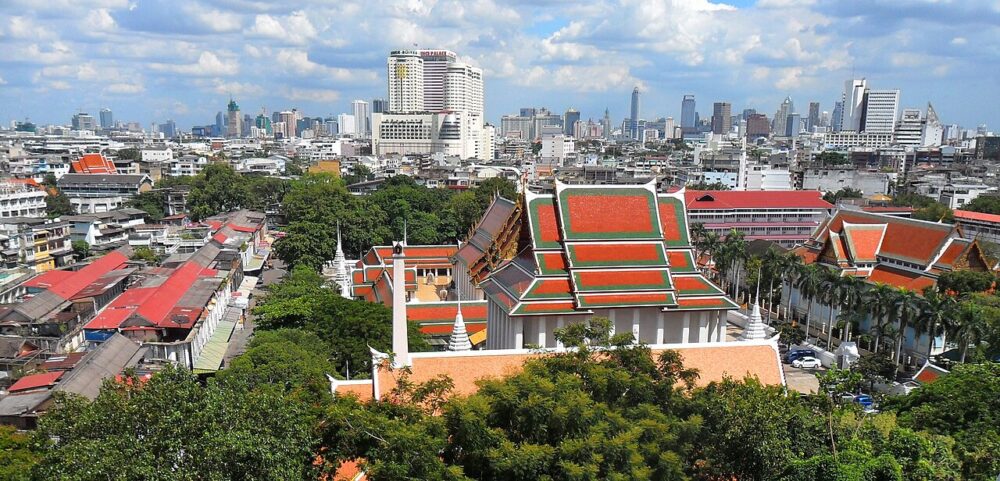
Kathoey, sometimes referred to as “ladyboys,” are a visible and culturally recognized gender group in Thailand. They may include transgender women and effeminate men who live openly within Thai society.
While Kathoey appear in media, entertainment, and everyday life, societal acceptance varies. Their history reflects Thailand’s long-standing cultural flexibility regarding gender, influenced by Buddhist teachings that emphasize compassion over rigid identity boundaries.
5. Indigenous Cultures of the Philippines With Babaylan Roles
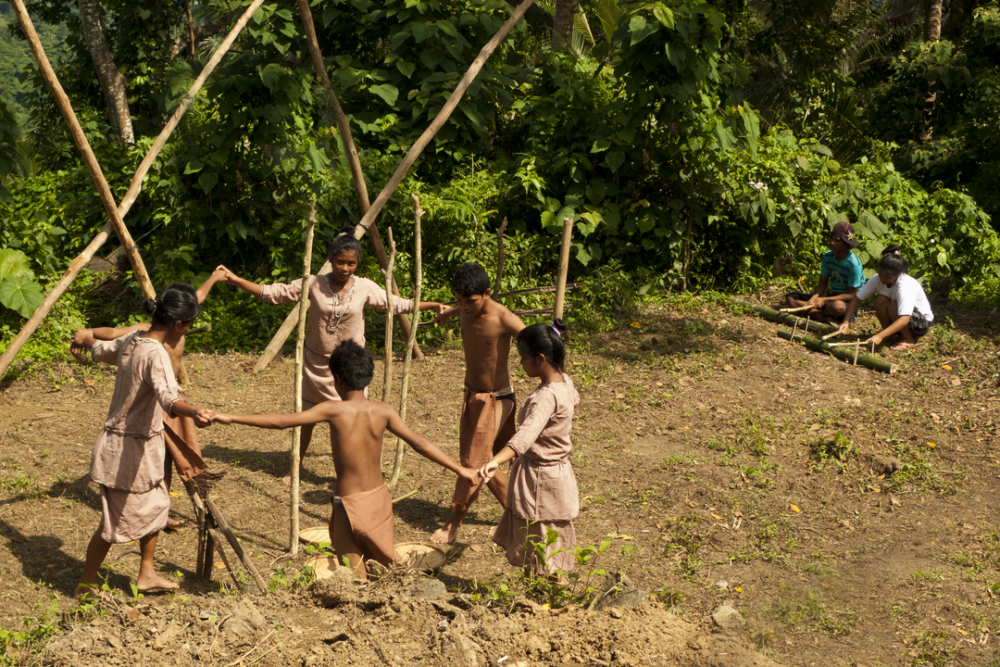
Before Spanish colonization, many Indigenous Filipino societies recognized Babaylan — spiritual leaders who were often women or individuals assigned male at birth who took on feminine roles.
These leaders served as healers, ritual specialists, and community guides. Colonial influence suppressed many Babaylan traditions, but historical records show that gender variance was an accepted part of precolonial spiritual life.
6. The Bugis of Indonesia and Their Five-Gender System
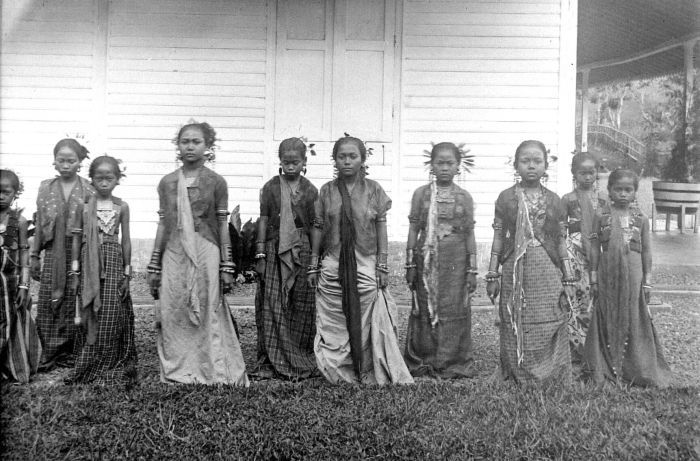
The Bugis people of Sulawesi traditionally recognize five genders: male (oroané), female (makkunrai), masculine female (calabai), feminine male (calalai), and bissu, who embody both masculine and feminine qualities.
Bissu serve as spiritual intermediaries in ceremonies and rituals. This system demonstrates a sophisticated cultural framework in which gender is understood as multifaceted rather than limited to two categories.
7. The Navajo Nadleehi and Dilbaa Roles
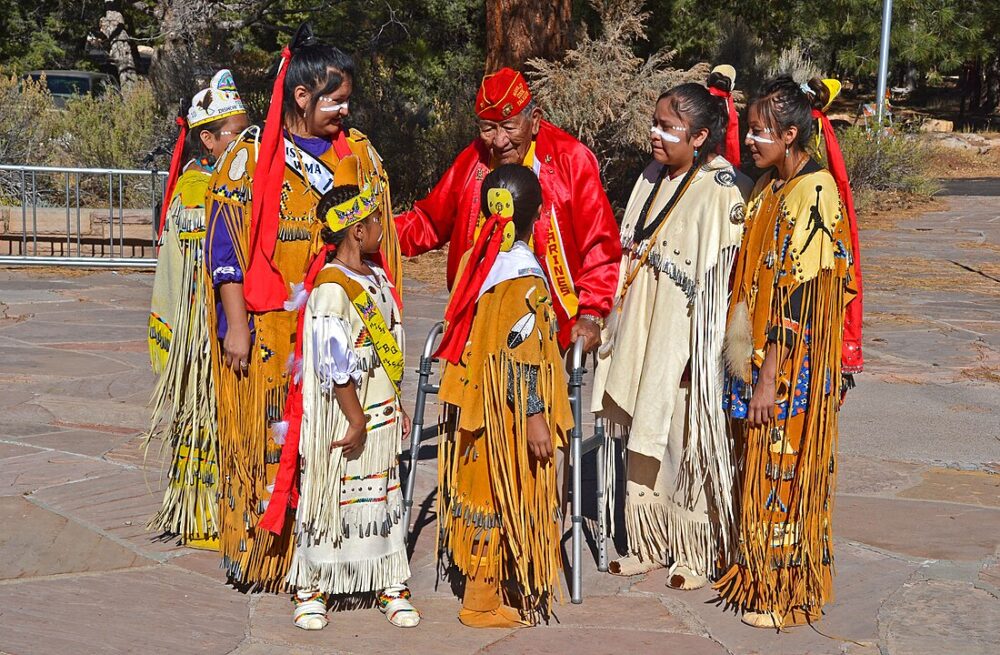
Within Diné (Navajo) culture, traditional gender roles include nadleehi, individuals assigned male at birth who embody feminine and masculine qualities, and dilbaa, individuals assigned female at birth with masculine roles.
These identities were seen as natural variations within the community. Historically, nadleehi held respected roles as mediators, healers, and caretakers, emphasizing balance and harmony in Navajo philosophy.
8. Mexico’s Muxes of the Zapotec Community
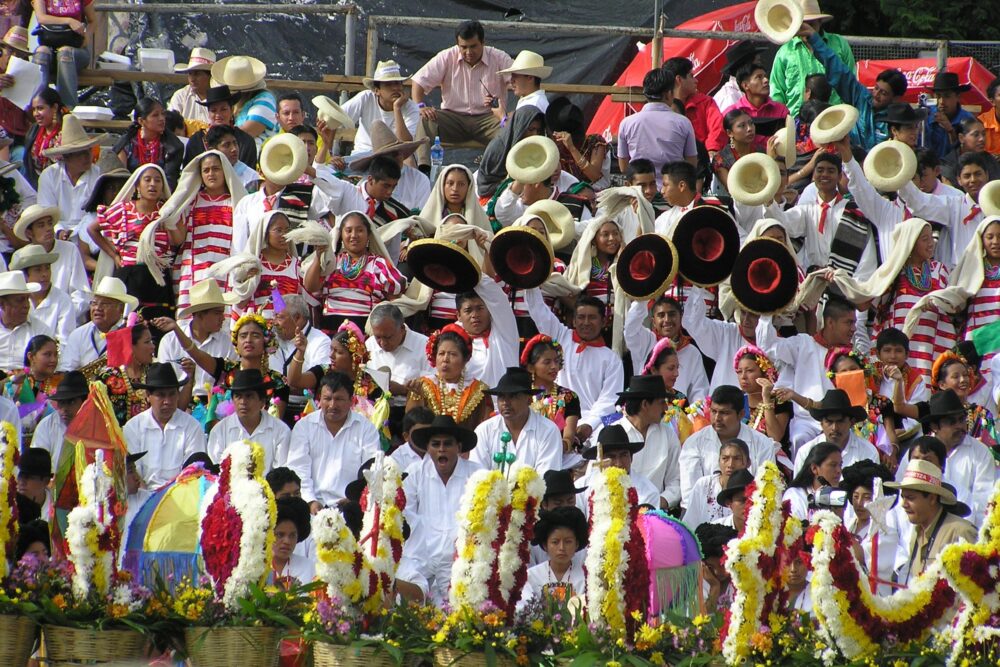
In parts of Oaxaca, the Zapotec people recognize muxes — individuals assigned male at birth who take on feminine roles within society. They participate in cultural festivals, domestic work, and artisan crafts.
Muxes are widely accepted in their communities, and many families view having a muxe child as a blessing. Their visibility continues to challenge Western assumptions about gender norms in Latin America.
9. The Balkans’ Sworn Virgins
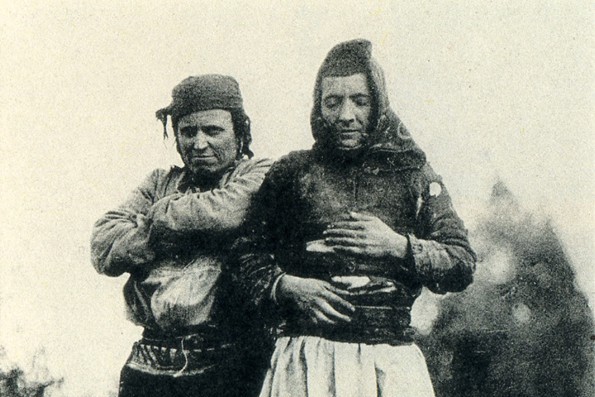
In Albania and other parts of the Balkans, “sworn virgins” are women who take a lifelong vow of celibacy and socially live as men. This tradition historically allowed them to assume male responsibilities in patriarchal societies.
While not a modern gender identity in the Western sense, the role demonstrates that gender categories can be shaped by social needs and cultural expectations rather than biology alone.
10. Ancient Cultures With Gender-Variant Priesthoods
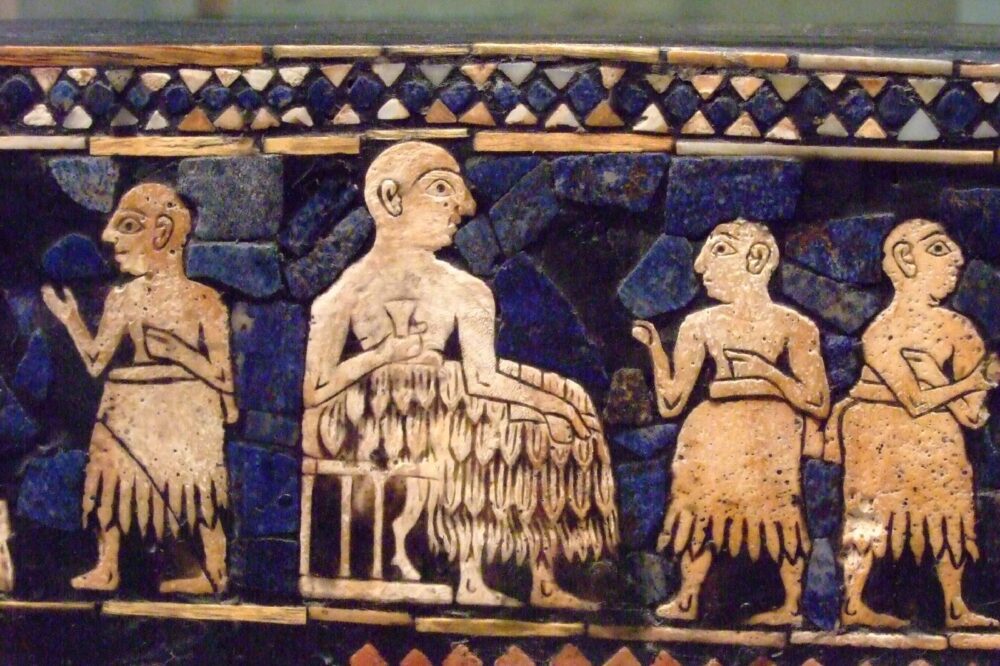
Historical records from Sumer, ancient Greece, and the Mediterranean describe priesthoods in which gender-variant individuals played ceremonial roles. Some were assigned male at birth but lived or dressed in feminine ways as part of religious duties.
These roles show that gender-diverse expressions were integrated into spiritual life thousands of years ago. Such examples highlight that many cultures honored individuals who embodied gender differences linked to ritual or sacred purpose.