
Behind supermarket shelves lies a global system where exploitation and forced labor still shape what we eat.

Many of the foods we enjoy every day—coffee, chocolate, seafood, and sugar—come from supply chains linked to human rights abuses. Investigations by the U.N., the U.S. Department of Labor, and major watchdog groups have traced child labor, unsafe conditions, and unfair wages to farms and factories that feed global markets. While companies promise reform, progress remains uneven. Here’s a closer look at the everyday foods tied to exploitation—and what’s being done to change how they’re produced.
1. Cocoa products often involve complex supply chains with labor concerns.

Cocoa products traverse a long and tangled supply chain, often involving multiple countries. At the heart of many chocolate treats lies a troubling reality: reports of child labor and forced work abound in cocoa cultivation, particularly in West African nations where vast plantations operate.
Beneath the glossy wrappers, exploitation casts a shadow on this beloved ingredient, highlighting a disconnect between delightful consumption and arduous labor. Recognizing entangled origins in common items like chocolate bars sheds light on ethical gaps, encouraging awareness around the sourcing of indulgent sweets.
2. Coffee beans are sometimes sourced from farms using unfair labor.
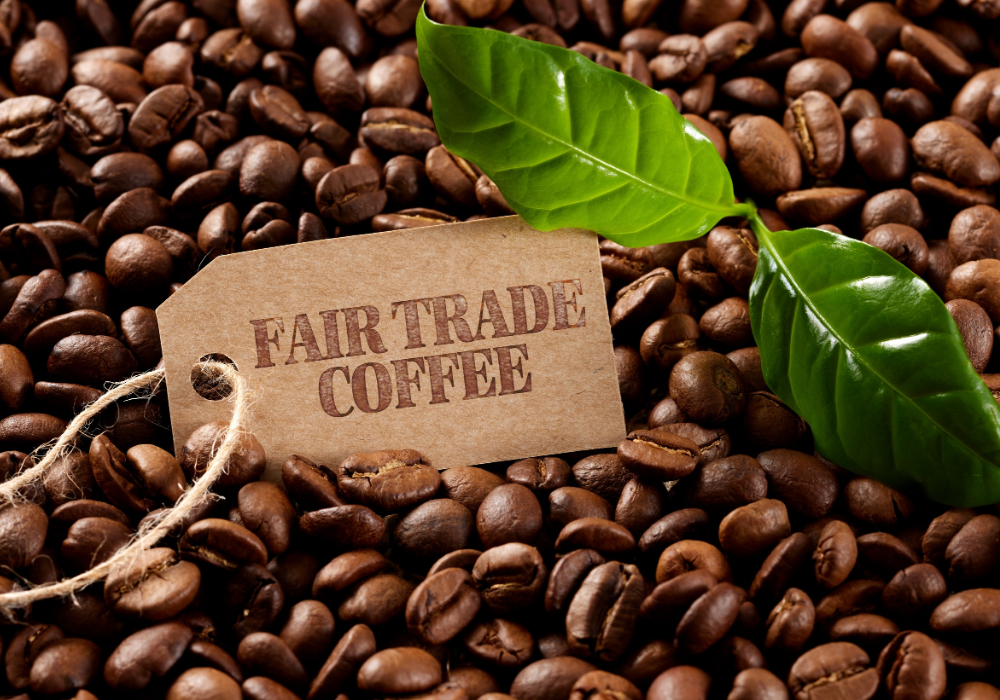
Coffee beans can journey from plantations fraught with labor issues before reaching morning mugs around the world. Some farms, especially in regions like Latin America and Africa, have faced scrutiny over unfair wages and poor working conditions that pickers endure to harvest beans.
While enjoying an aromatic brew, many overlook the labor-intensive hand-picking process behind coffee—the world’s second-most traded commodity. Recognizing the complexities in the coffee supply chain prompts consideration of ethical sourcing, spotlighting hidden realities underlying this daily ritual.
3. Palm oil in many products has connections to exploitative practices.

Palm oil, a ubiquitous ingredient, infiltrates myriad products from cookies to cosmetics. It’s notorious for links to exploitative practices, including child labor and hazardous working conditions, primarily in Southeast Asia, where vast plantations dominate landscapes.
Its pervasive presence poses ethical challenges, revealing the dark side of industry reliance. The global demand for palm oil pressures producers, sometimes at the expense of human rights and sustainable practices, hidden within labels of household items found on everyday shopping lists.
4. Seafood harvesting can include unregulated labor conditions causing harm.

Seafood harvesting often occurs under unregulated conditions, exposing workers to dire treatment on open waters. Reports indicate labor abuses, including human trafficking and forced labor, particularly within distant fishing fleets operating in international waters.
Despite its healthy allure, seafood brings complex challenges tied to its origins. Ethical sourcing is obscured by vast supply chains, where poorly monitored operations persist. Awareness of labor implications in fishing highlights potential hidden exploitation lurking beneath the ocean’s bounty.
5. Cashew processing exposes workers to dangerous conditions.
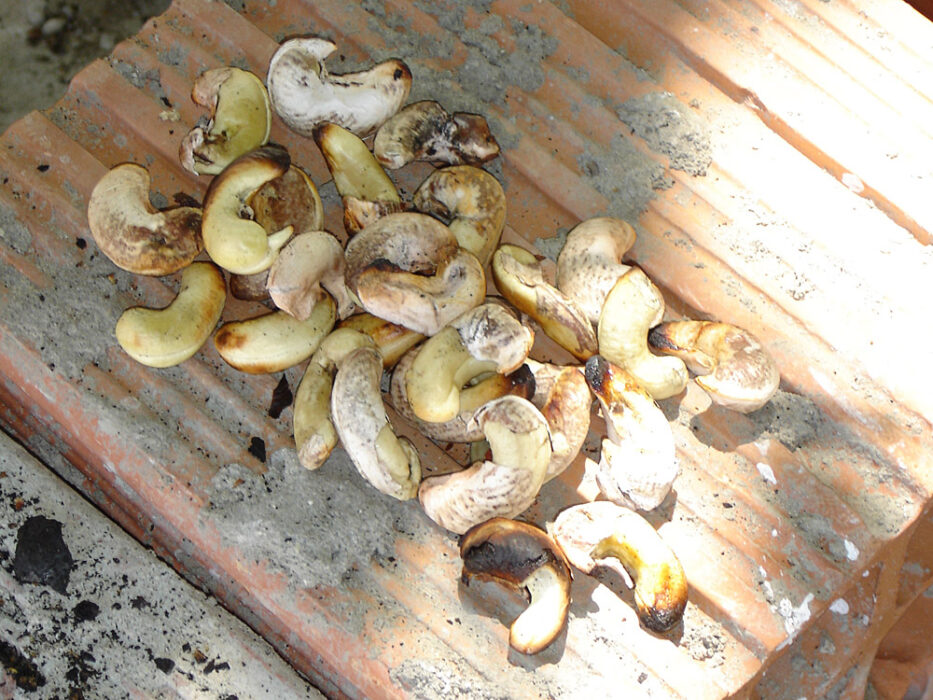
Cashews must be shelled by hand, a task that exposes workers—mostly women—to caustic oils that burn the skin. Reports from India, Vietnam, and Ivory Coast show employees often lack gloves or medical support. Many earn less than $2 a day for grueling, repetitive labor.
The push for low prices in Western markets has intensified these practices. Some ethical brands now highlight safer working conditions and direct trade, but the majority of the world’s cashews still pass through factories where health and labor standards remain poorly enforced.
6. Certain spices originate from regions with documented labor abuses.

Certain spices owe their exotic flavors to origins steeped in labor challenges. Though these vibrant powders enrich meals, some originate from regions grappling with documented labor abuses, such as poor wages and unsafe working conditions in parts of South Asia.
Experiencing culinary richness can obscure complexities of spice production. Emphasis on quality and color often overshadows workers’ realities, where exploitation lurks within exotic allure. Understanding spice origins adds dimension to meal preparation, revealing deeper connections in a spice rack’s global journey.
7. Imported fruit sometimes involves workers facing poor working environments.
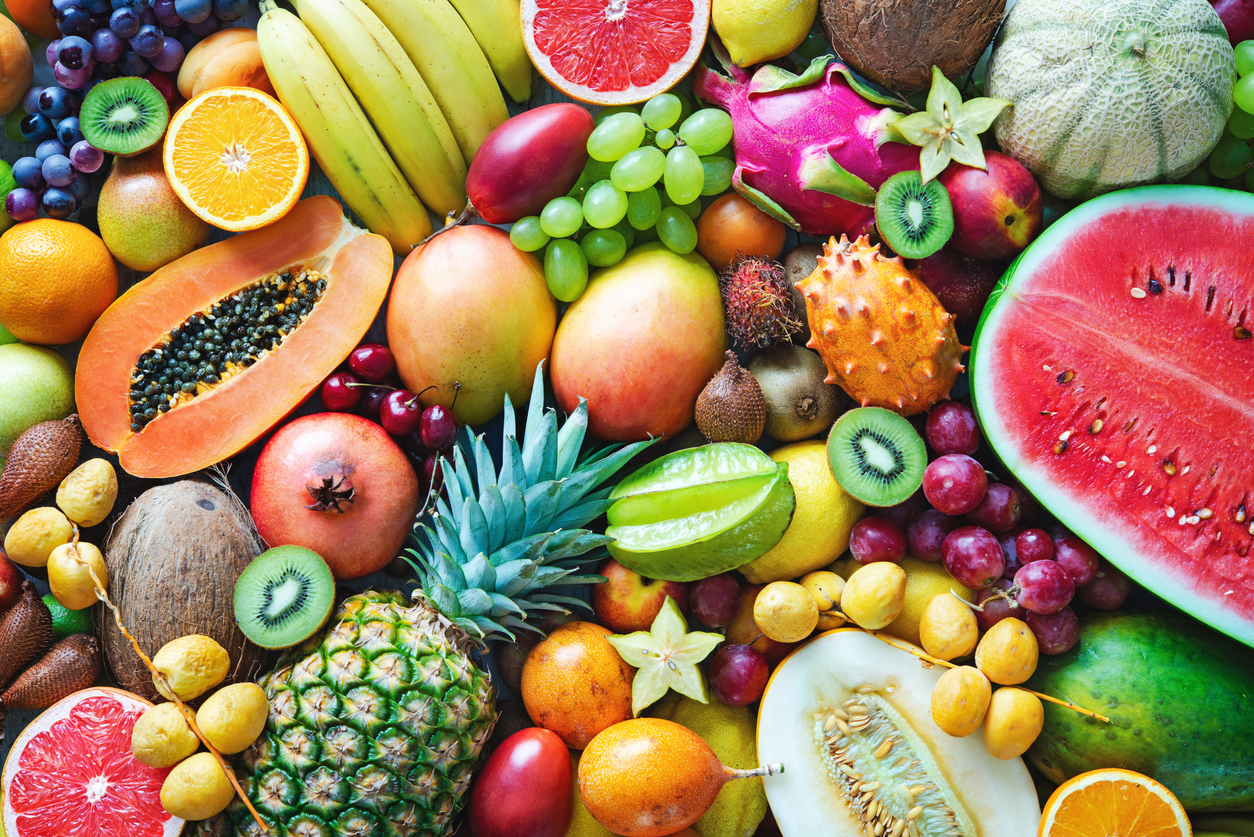
Imported fruit, often displays and bright colors, can sometimes mask grim working conditions in their procurement. Many farmworkers face poor environments, unjust wages, or hazardous conditions, especially in plantations across tropical regions where fruits flourish.
The path from grove to grocery introduces hidden realities behind vibrant produce. While the abundance of tropical flavors enriches diets, behind the shine lies an urgent need for ethical change, spotlighting labor conditions that bundle together with globally traded fruits.
8. Tea plantations may rely on underpaid and overworked laborers.
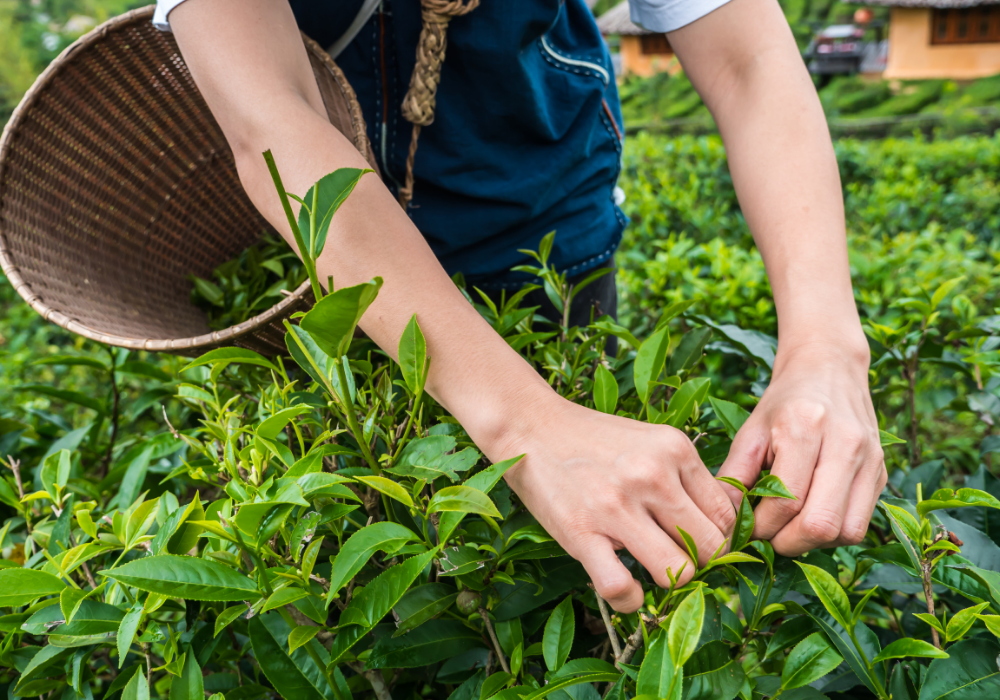
Tea plantations, while producing an iconic comforting beverage, can depend on underpaid and overworked laborers. Historically, in regions like India and Sri Lanka, workers endure long hours and insufficient wages to provide the leaves for beloved morning and afternoon brews.
Behind a soothing cup is a complex narrative of labor challenges, where longstanding industry practices prevail. For tea drinkers globally, recognizing these truths connects leisurely moments with economic realities, fostering awareness about the people cultivating ubiquitous tea leaves.
9. Sugar cane harvesting has been linked to exploitative labor histories.
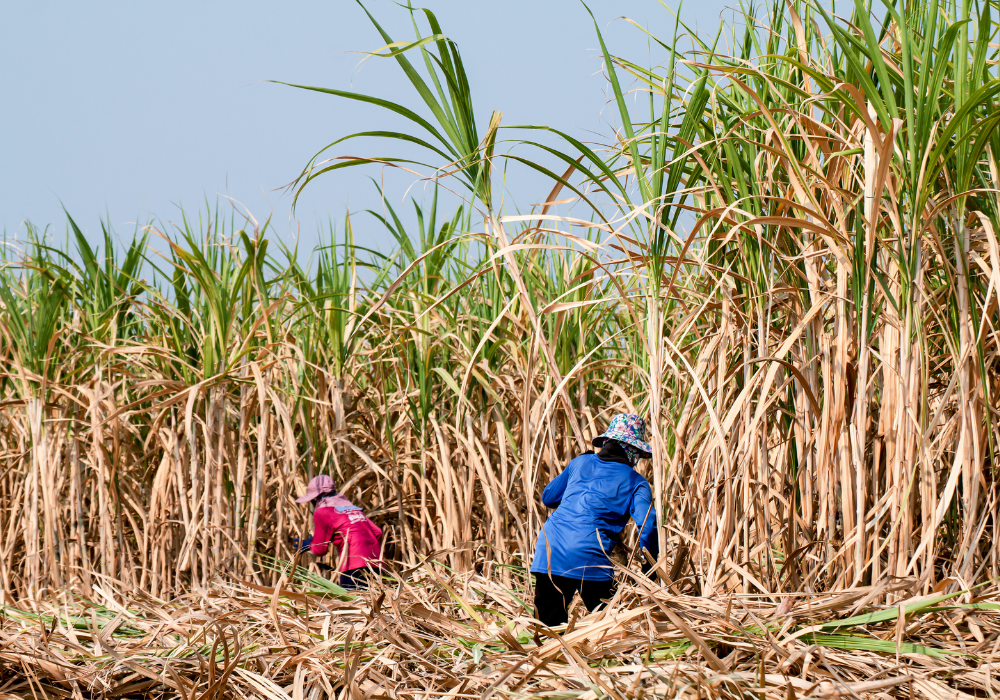
Sugar cane harvesting, with its long history, has been associated with exploitative labor practices over the years. In some sugar-producing regions, reports persist of low wages and harsh conditions faced by sugarcane cutters employed seasonally to meet industry demand.
As ubiquitous sweeteners weave into countless recipes, they trace back to arduous toil, reflecting systemic challenges past and present. Consuming sugar brims with satisfaction and invites understanding of not just taste but legacies of supply chain exploitation tied to this natural source.
10. Avocado farming raises concerns over worker safety and cartel control.
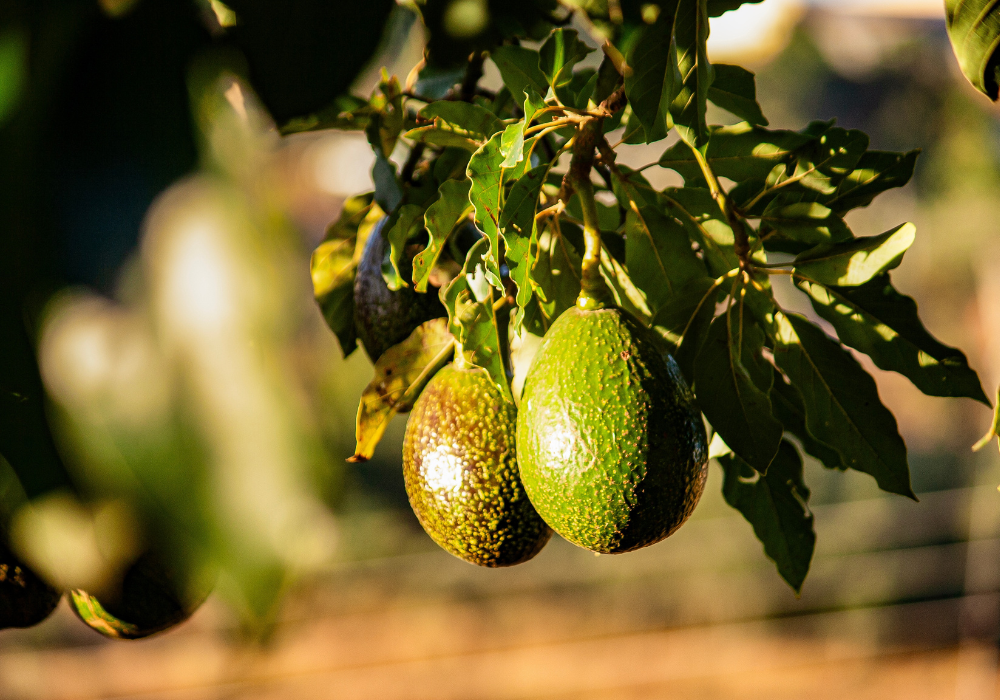
The global avocado boom has increased profits but also pressure on workers and local communities. In Mexico, which supplies about one-third of the world’s avocados, reports have linked farms to organized crime groups that extort producers and control transport routes.
Laborers often face exhausting hours and exposure to chemicals with limited protective gear. Some cooperatives and fair-trade farms have improved standards, but much of the trade remains vulnerable to violence and corruption that place workers at risk.