
Scientists say the slow-moving ground change is normal, but it’s revealing new clues about what’s happening beneath Yellowstone.
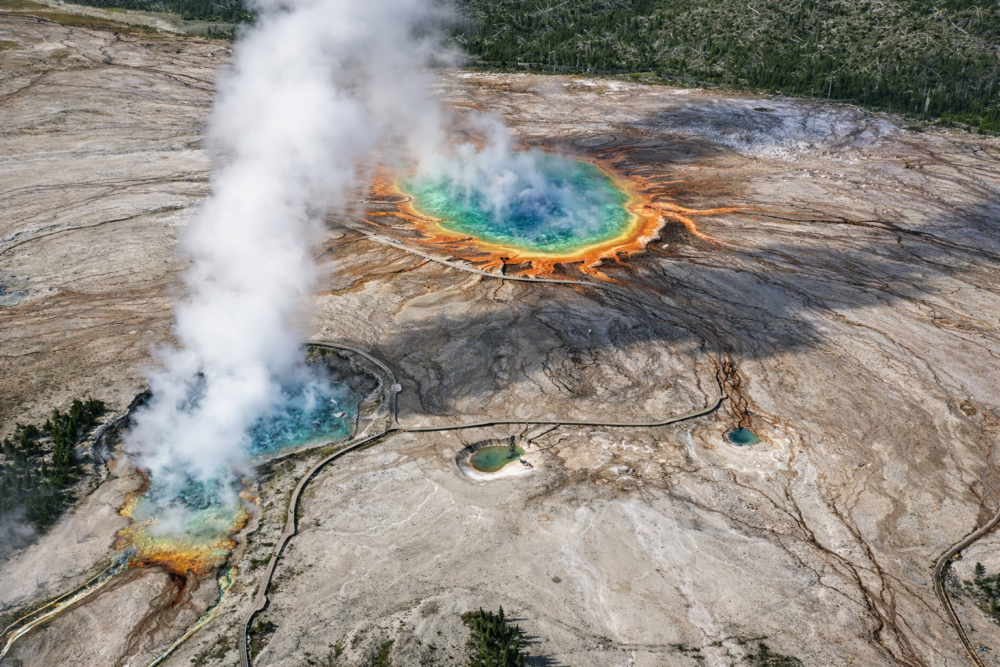
A slow but measurable change beneath Yellowstone is drawing fresh attention from scientists who closely track the volcanic system. Researchers have detected a broad area of ground uplift — roughly the size of Chicago — that has been gradually rising over time. While the movement is subtle, it’s large enough to stand out in satellite and GPS data.
Experts stress this kind of swelling isn’t unusual for Yellowstone. Still, each new shift offers valuable clues about how heat, fluids, and magma move beneath one of the most closely watched volcanic regions on Earth.
1. The Ground Is Rising Across a Vast Area
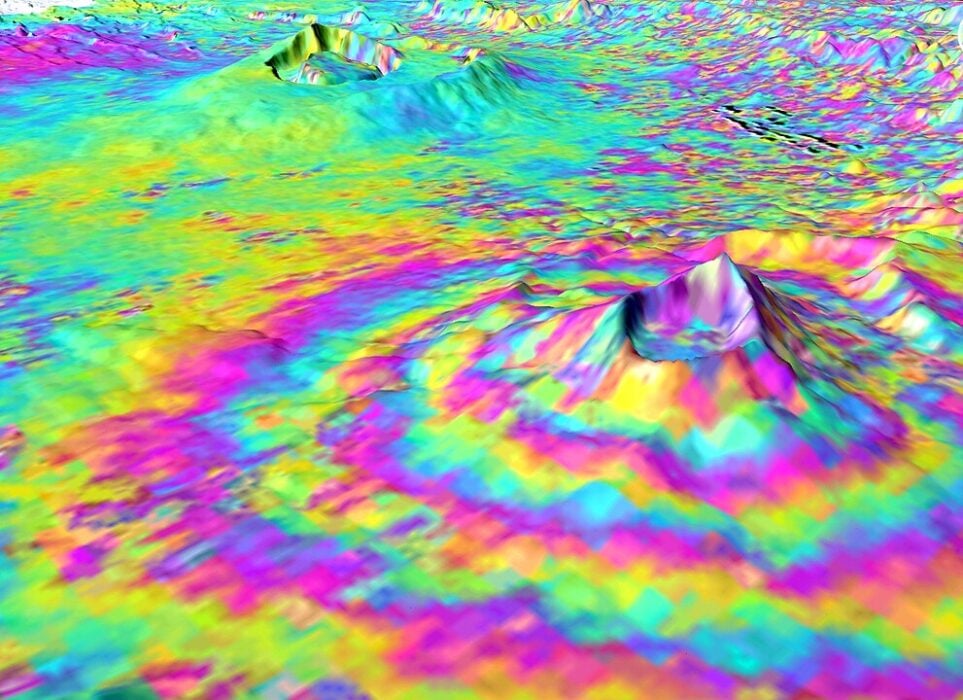
Scientists have identified uplift spread across an area comparable in size to Chicago. Rather than a sharp bulge, the change is a broad, gentle rise affecting miles of terrain.
The movement is slow and measured in inches, not feet. Researchers emphasize that its scale is more important than its height, as wide uplift often reflects changes deep underground rather than surface instability.
2. The Change Was Detected by Satellites and GPS
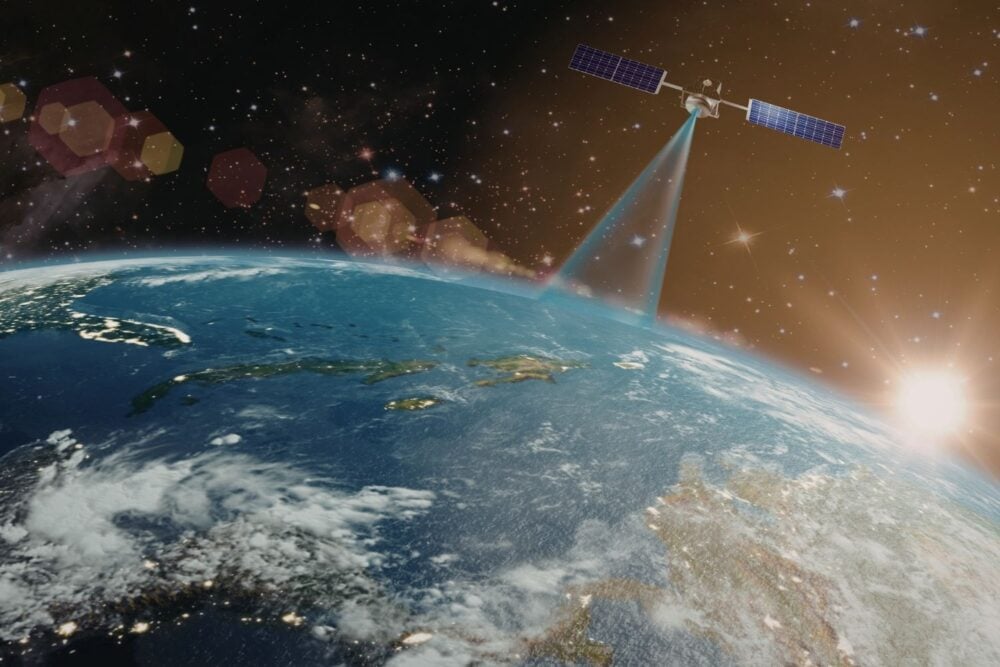
Modern monitoring tools allow scientists to track tiny ground movements with remarkable precision. Satellite radar and GPS stations picked up the gradual rise over time.
Without these technologies, such subtle changes might go unnoticed. Continuous monitoring helps researchers distinguish between short-term fluctuations and longer trends within Yellowstone’s volcanic system.
3. This Kind of Uplift Has Happened Before
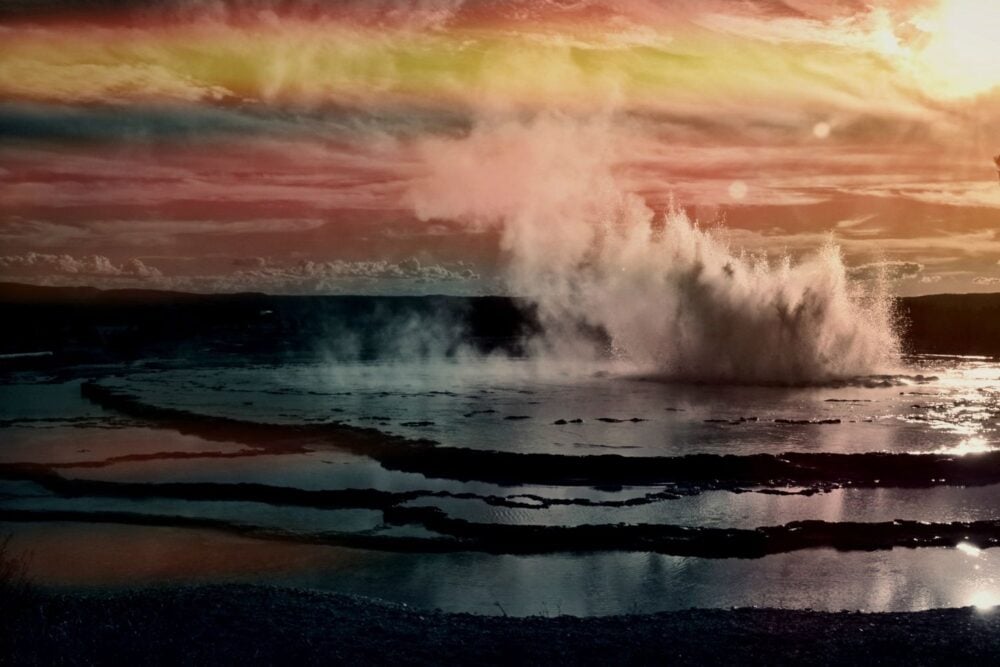
Yellowstone has experienced multiple episodes of rising and sinking ground over the past several decades. Some periods saw uplift, while others showed subsidence.
Scientists view these cycles as part of the volcano’s normal behavior. Past uplift events did not lead to eruptions, helping experts put the current changes into context.
4. Underground Fluids Play a Major Role
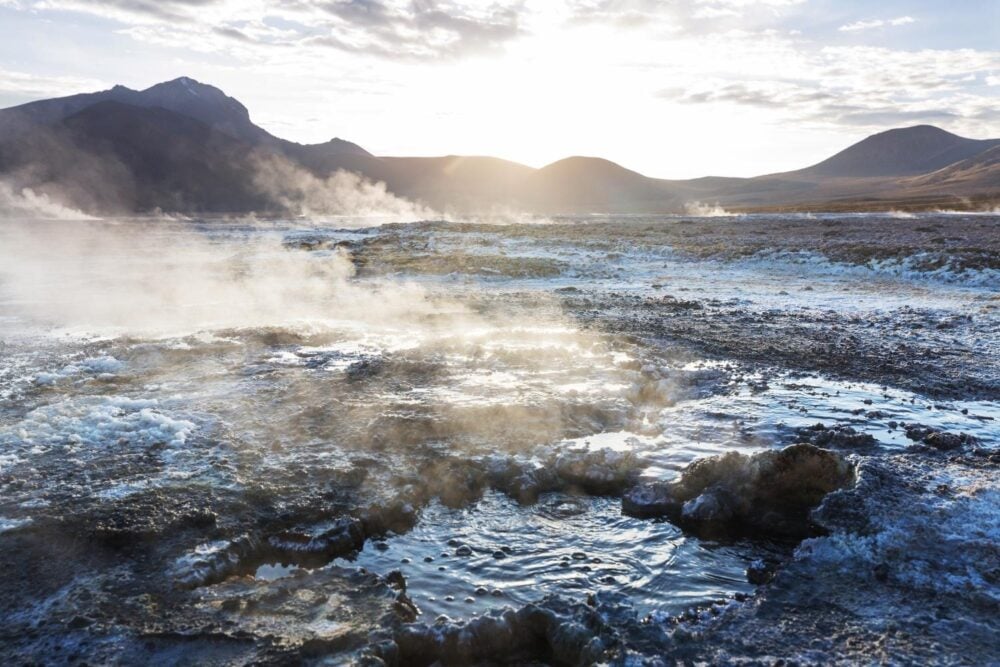
Researchers believe the uplift is largely driven by the movement of hot fluids beneath the surface. These fluids can accumulate, increase pressure, and gently push the ground upward.
As fluids shift or escape, the ground may later sink again. This ongoing process reflects a dynamic system constantly adjusting below Yellowstone’s surface.
5. Magma Is Deep but Closely Watched
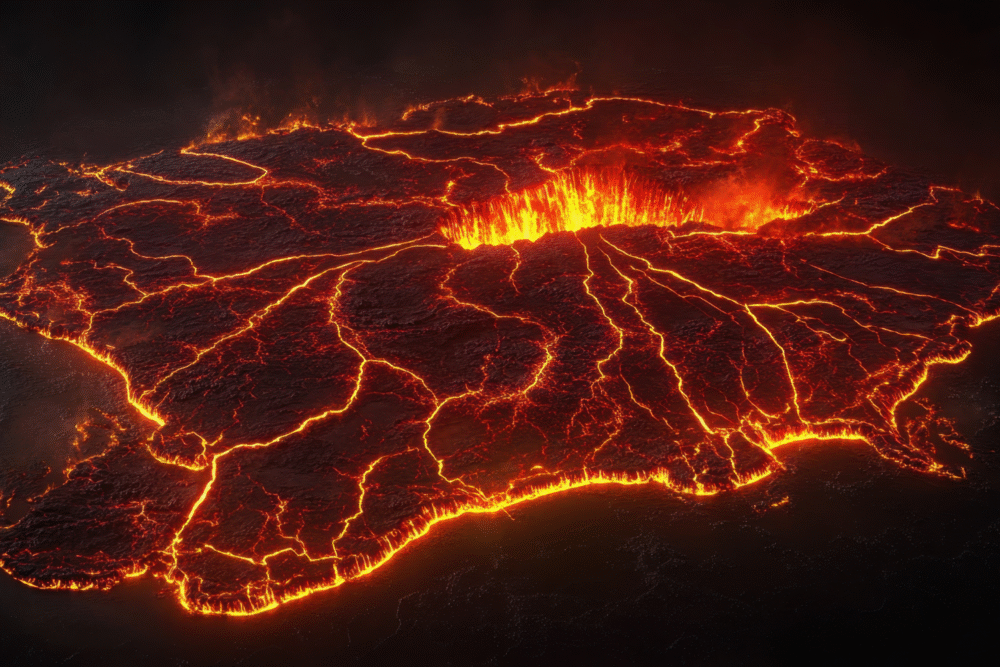
While magma exists beneath Yellowstone, scientists say there’s no sign it’s rapidly rising toward the surface. The magma reservoirs remain deep within the crust.
Even so, magma influences heat flow and fluid movement. Understanding how it interacts with surrounding rock helps scientists interpret surface changes more accurately.
6. Earthquakes Are Not Increasing Unusually
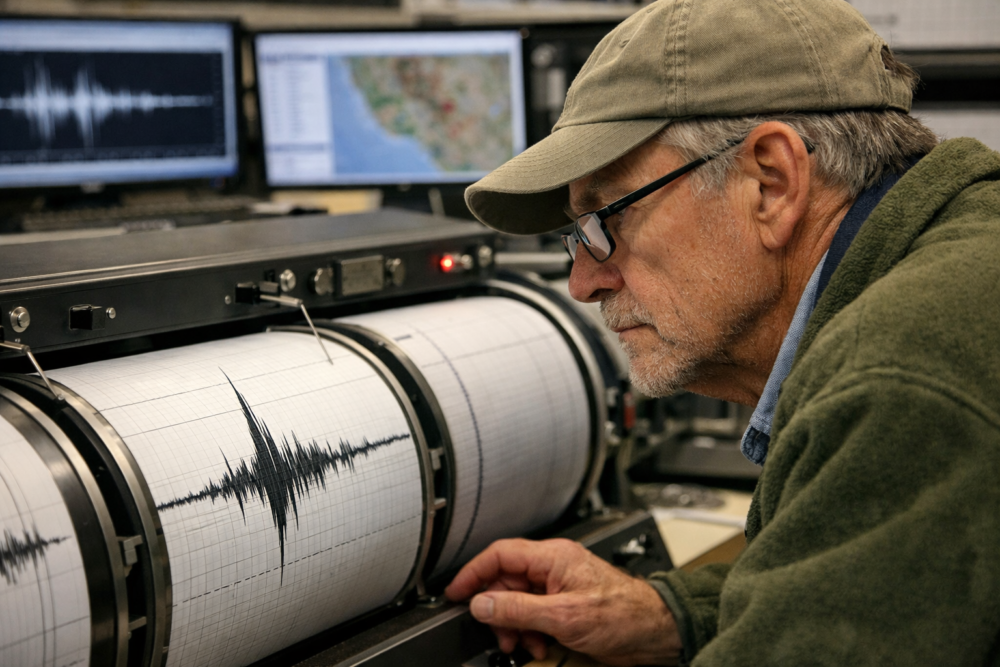
One concern during volcanic unrest is heightened earthquake activity. In this case, seismic levels remain within Yellowstone’s typical background range.
Small earthquakes are common in the region and often accompany fluid movement. Scientists say the current seismic pattern doesn’t suggest escalating volcanic activity.
7. The Uplift Doesn’t Signal an Imminent Eruption
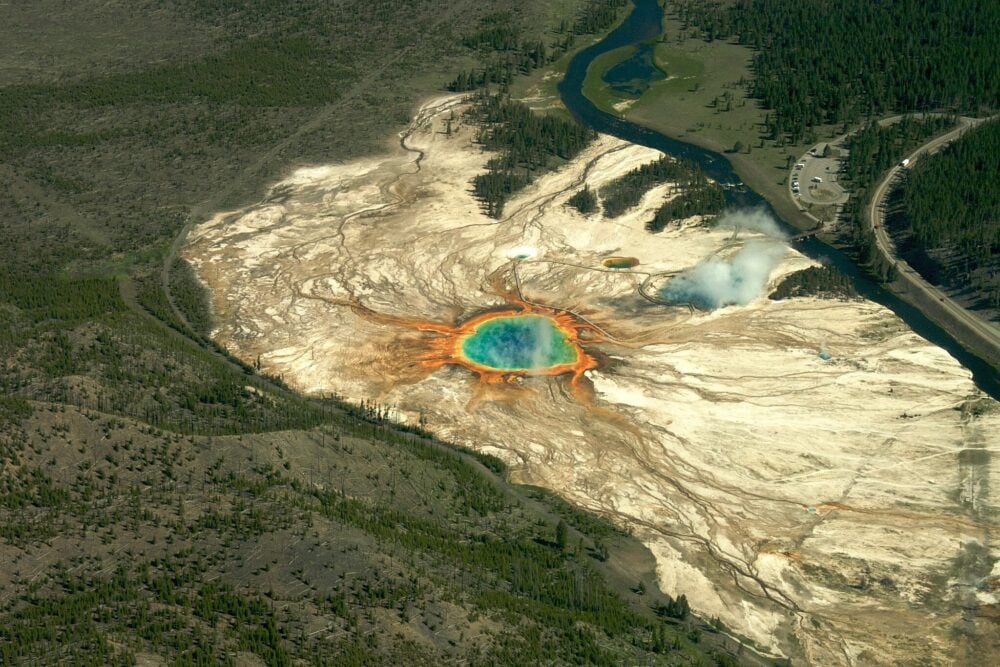
Experts are clear that the rising ground is not a warning sign of an impending eruption. Yellowstone’s system shows many signs before eruptive activity.
Those signs include dramatic seismic changes, rapid deformation, and gas shifts — none of which are currently present. The uplift alone isn’t cause for alarm.
8. Yellowstone Is One of the Most Monitored Places on Earth
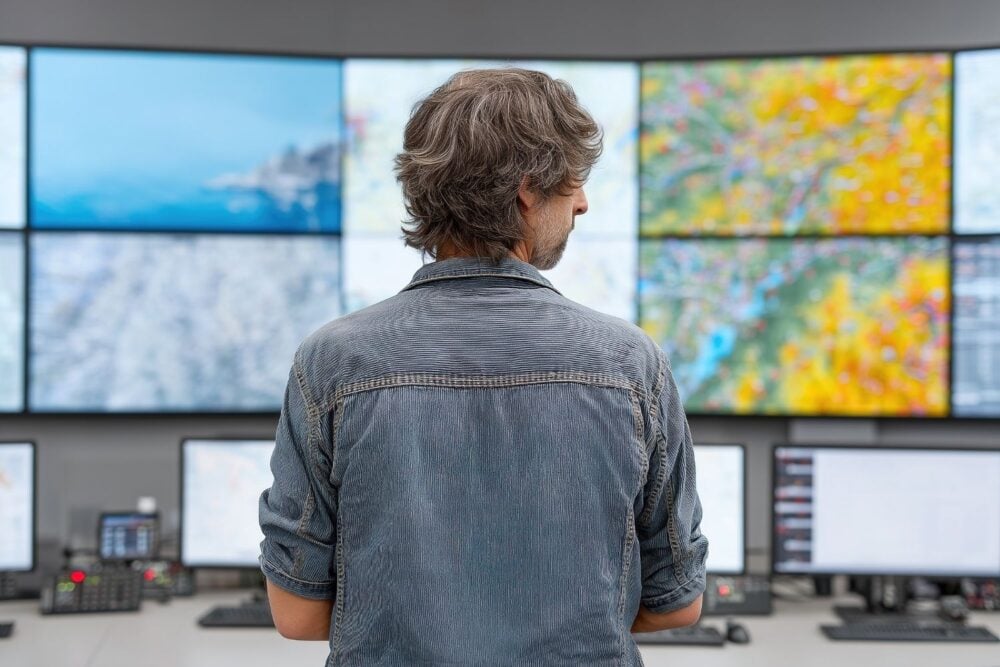
Few volcanic systems are studied as intensely as Yellowstone. Scientists continuously collect data on ground movement, gases, heat flow, and earthquakes.
This constant observation allows researchers to quickly spot changes and explain them to the public. It also helps prevent misinformation from spreading during routine activity.
9. The Size of the Uplift Grabs Attention
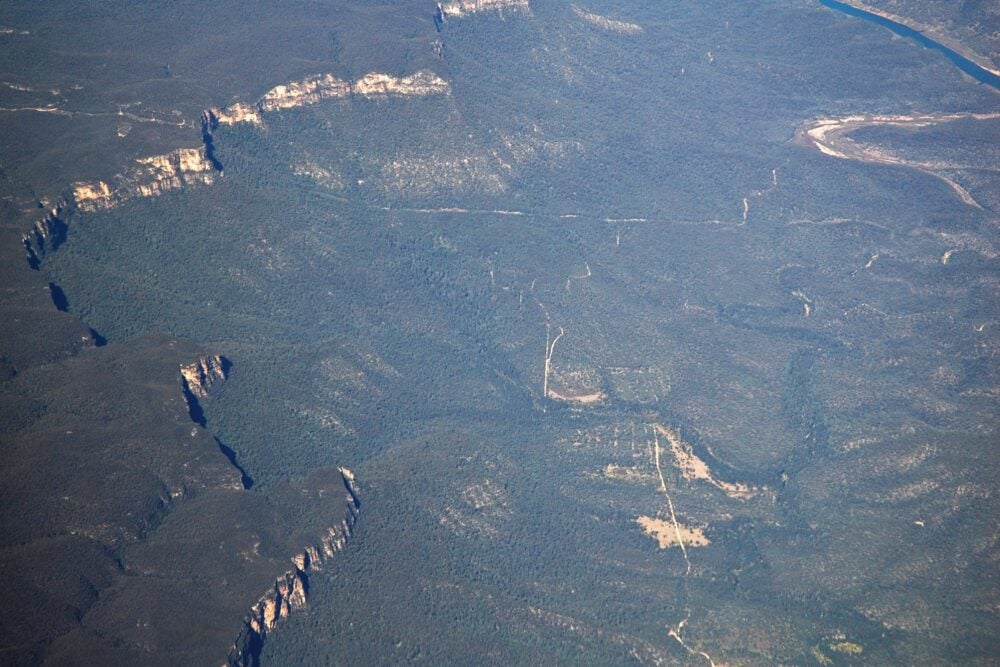
Comparing the uplifted area to a major city helps illustrate its scale, but scientists caution against misinterpreting that comparison.
Large area does not mean large danger. Broad uplift often reflects slow, deep processes rather than sudden surface events.
10. Each Change Improves Scientific Understanding
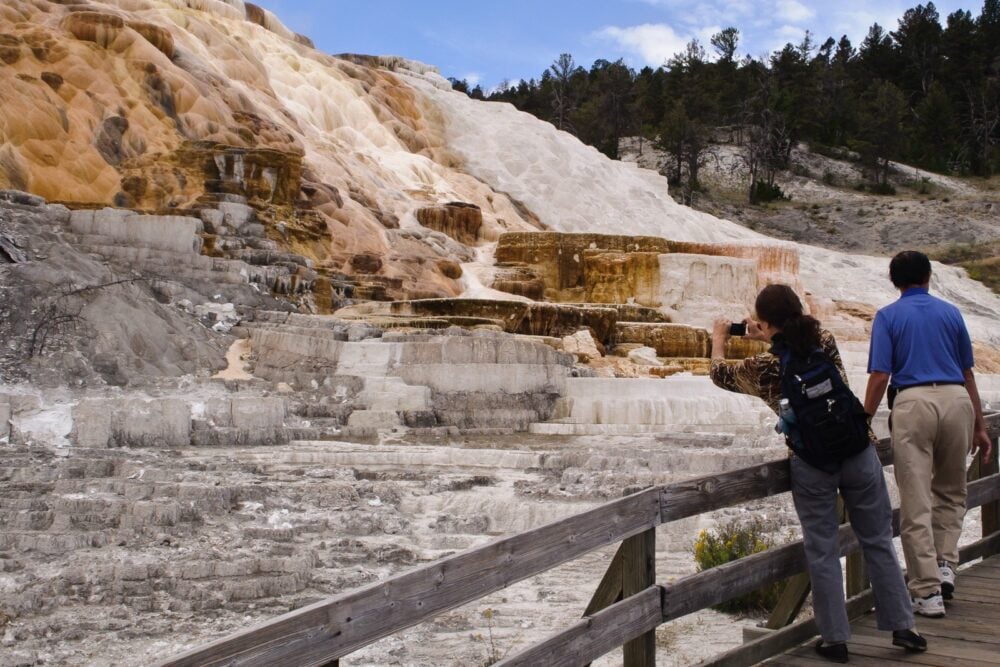
Even normal behavior provides valuable information. Studying this uplift helps scientists refine models of how Yellowstone’s underground systems work.
These insights improve forecasting abilities and help researchers distinguish harmless activity from meaningful warning signs in the future.
11. Yellowstone Remains Quiet — For Now
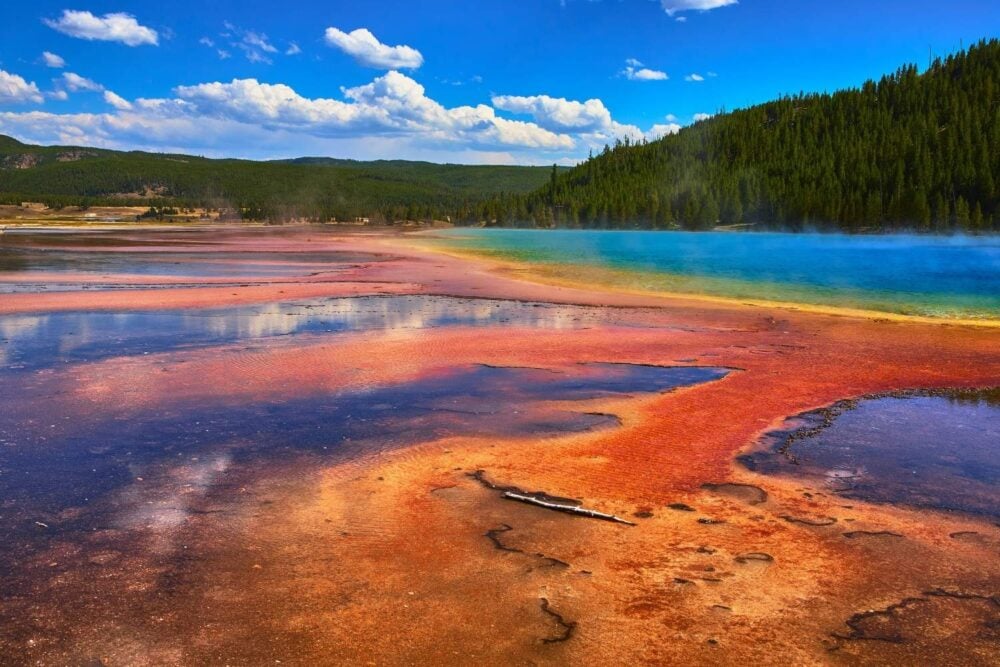
Despite its reputation, Yellowstone spends most of its time in a calm state. The current uplift fits within that long-term pattern of subtle change.
Scientists say continued monitoring is key. For now, the swelling ground is another reminder that Yellowstone is alive beneath the surface — but not waking up.