
If your lawn is neat but empty, it’s probably doing more harm than good.

It’s easy to assume a well-manicured lawn is a sign of care. But for local ecosystems, it’s often the opposite. A flat, green, pesticide-laced lawn might look tidy, but it offers nothing to pollinators, birds, or soil health. In fact, it actively drives life away. Beneath that surface is a quiet crisis: compacted dirt, shallow roots, dead microbial life, and silence where there should be birdsong and buzzing.
You don’t have to rewild your whole yard or turn it into a full-blown prairie. Simple shifts—planting native flowers, letting one patch grow wild, ditching synthetic sprays—can help revive the soil and welcome back the species that belong there. The goal isn’t perfection. It’s participation. When your yard starts humming again—with bees, butterflies, fungi, and birds—it stops being a chore and starts being a habitat. A place where things grow because they’re supposed to.
1. Replace part of your lawn with native ground cover.
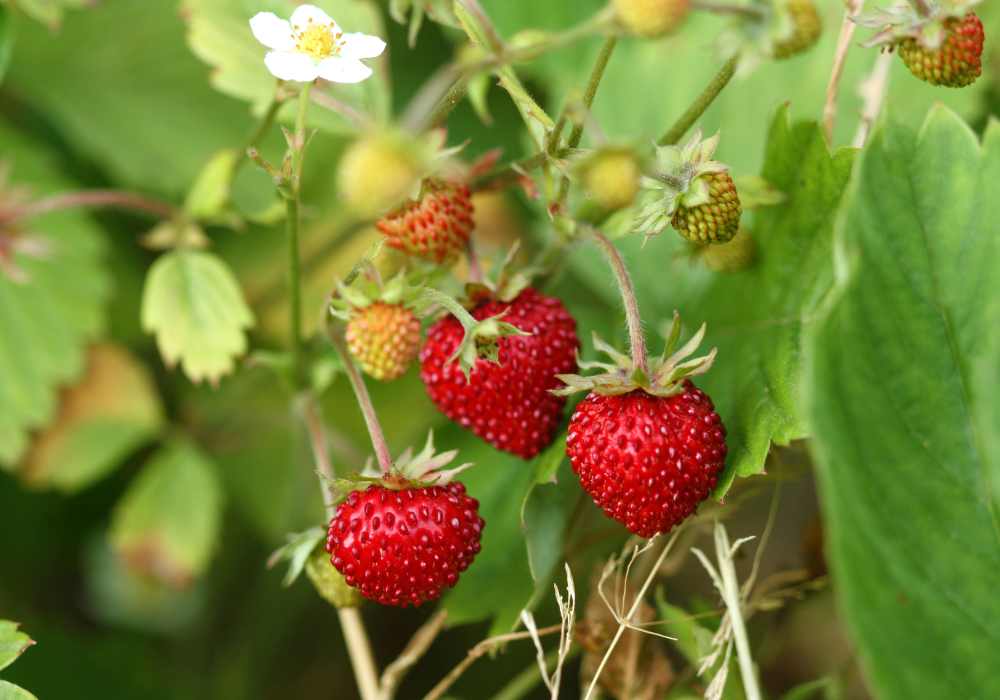
A monoculture lawn may look clean, but it’s functionally sterile. Native ground covers like creeping thyme, wild strawberry, or clover provide better soil health, require less water, and support local insects. Even swapping out a small strip—like your sidewalk edge or back corner—makes a real difference.
These low-growing plants come with added perks: they fix nitrogen, prevent erosion, and offer seasonal blooms. Unlike turfgrass, native plants provide nectar, pollen, and seeds that sustain bees, butterflies, and other wildlife, as noted by Erin Sweeney in Garden for Wildlife. Once established, they need less mowing and no synthetic fertilizer. Plus, they hold up better under changing climate conditions. Converting just part of your lawn creates a patch of resilience where before there was silence.
2. Swap chemical fertilizers for compost and living mulch.
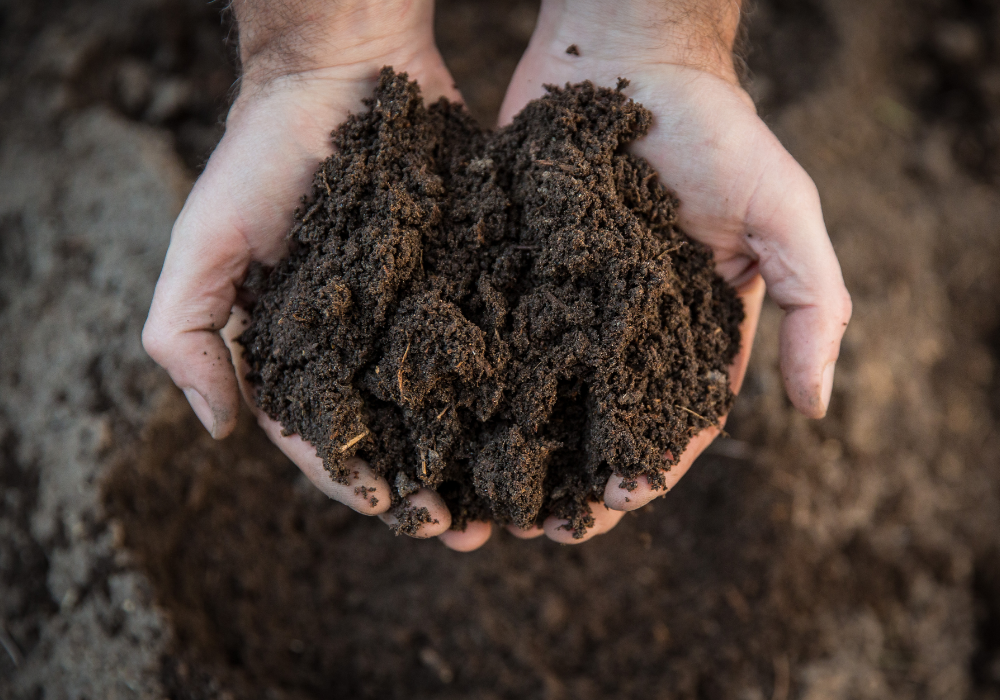
Synthetic fertilizers might green up your lawn fast, but they contribute to nutrient runoff and long-term soil degradation, as highlighted by Shannon McAmis and others in Science of the Total Environment. Compost, on the other hand, builds soil structure, feeds microbial life, and releases nutrients slowly. It’s the difference between short-term show and long-term health.
Living mulch—like low-growing native plants or cover crops—protects the soil while feeding it. It keeps moisture in and weeds out without resorting to chemicals. Layering compost and mulch means your yard works with nature’s cycles, not against them. Over time, you’ll see richer soil, fewer pests, and a yard that thrives without constant intervention.
3. Stop using pesticides and herbicides entirely.
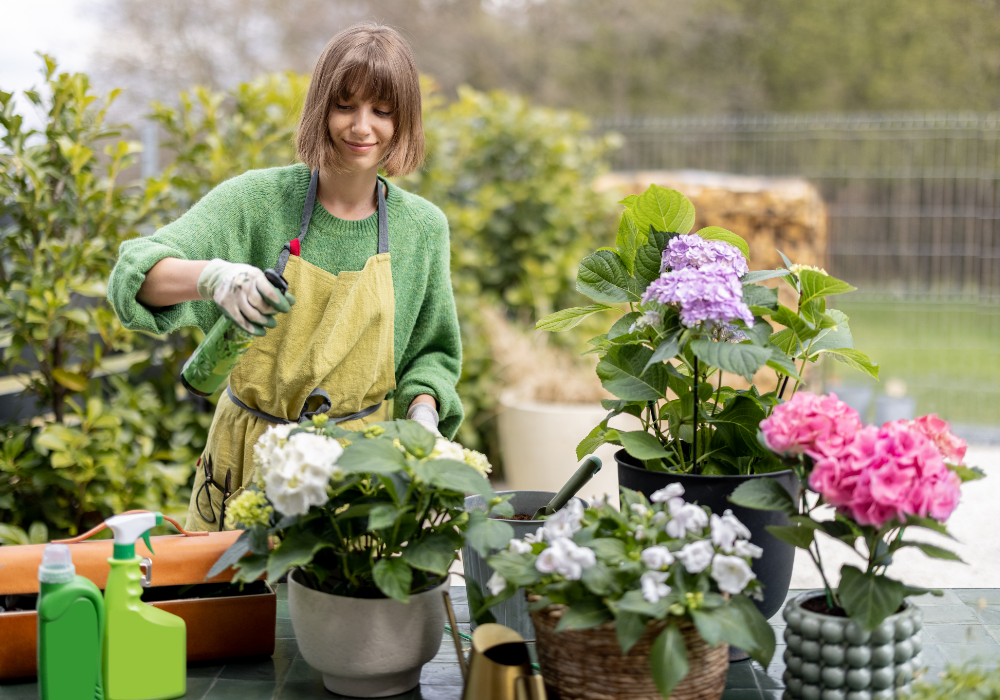
According to The Xerces Society, pesticides can harm pollinators directly through exposure or indirectly by disrupting their habitat and food supply. Herbicides wipe out wildflowers, clovers, and native grasses that pollinators depend on. If your yard is too “clean,” it’s probably empty of all the good stuff, too.
The solution isn’t to replace one chemical with another “natural” version—it’s to shift your mindset. A few weeds? That’s food for native caterpillars. A few bugs? That’s lunch for birds. By creating a balanced environment, you let natural predators handle pests and stop interrupting the ecosystem. It takes patience, but the payoff is a yard that’s alive—not constantly on life support.
4. Add native flowering plants that bloom across the seasons.
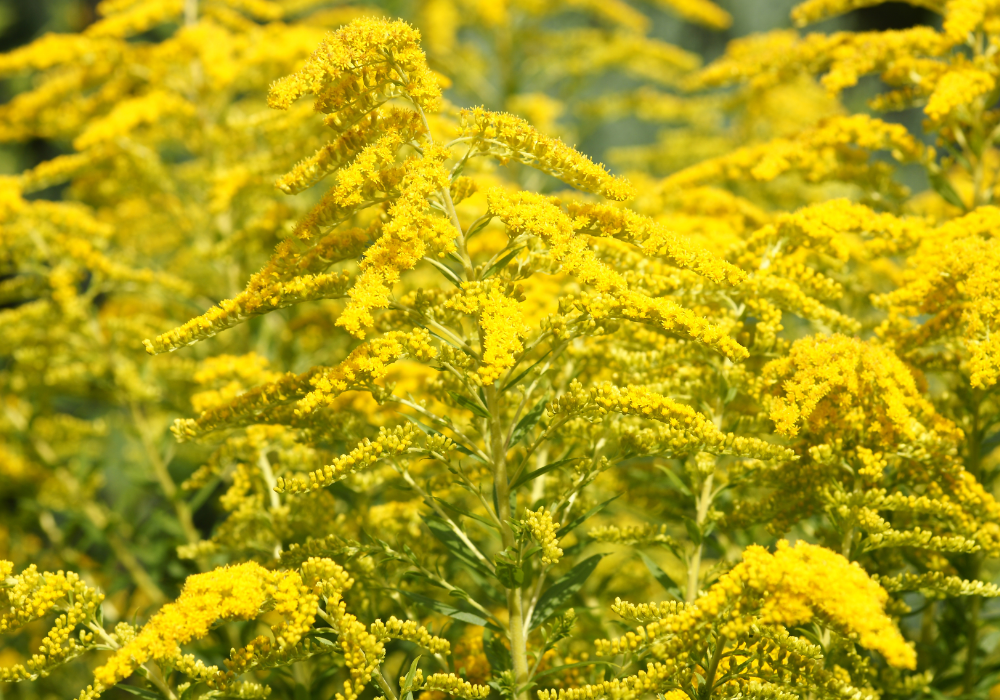
One pollinator garden won’t cut it if it only blooms in May. Bees, butterflies, and hummingbirds need food from early spring through late fall. Planting a mix of native flowers that bloom at different times ensures your yard becomes a long-term resource, not just a seasonal snack bar.
Look for plants like goldenrod, milkweed, mountain mint, bee balm, and coneflowers—species adapted to your region that support native pollinators. Skip the double-bloom hybrids that offer no nectar.
Even a small garden bed or a few containers on your porch can create a critical stopover point for struggling insect populations. Bloom variety equals biodiversity—and that’s what brings your yard back to life.
5. Let a corner of your yard grow wild.
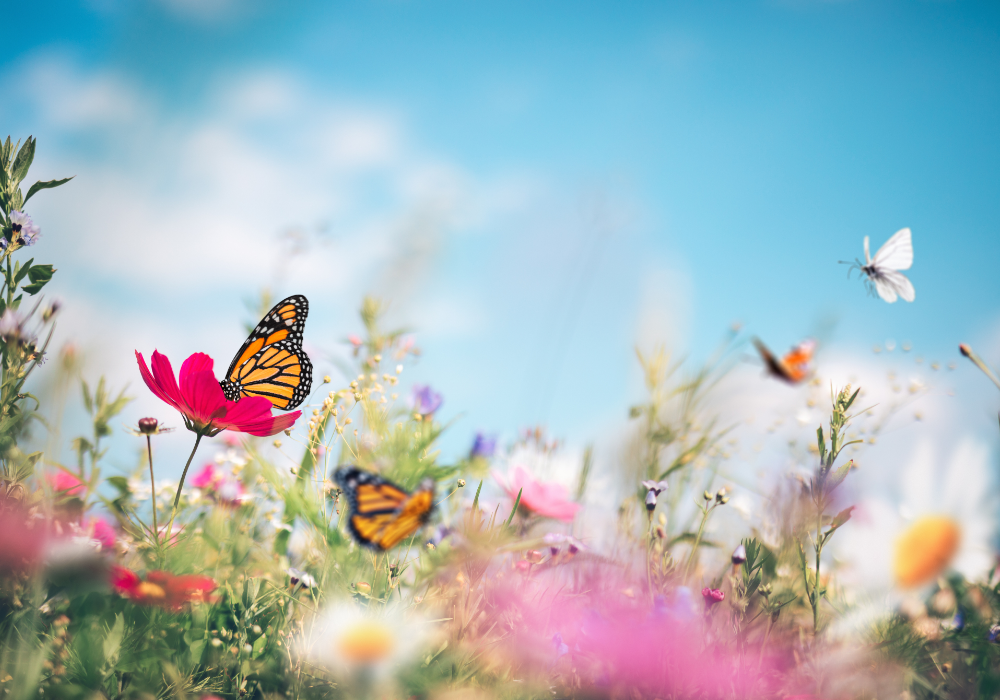
You don’t have to turn your entire lawn into a meadow—but leaving one section unmowed can give nature a chance to reclaim space. Letting grasses go to seed, wildflowers self-sow, and native shrubs spread creates microhabitats for birds, insects, and small mammals.
Start with a low-traffic spot and resist the urge to tidy it. Add a few rocks, a log, or even a small brush pile to offer shelter. Over time, you’ll see more activity—bees nesting in bare patches, birds foraging in seedheads, fireflies flickering through taller grasses. A wild corner might look unruly, but to the local ecosystem, it’s a sign of safety. It’s a simple, powerful shift that turns neglect into nourishment.
6. Build a brush pile instead of bagging your yard waste.
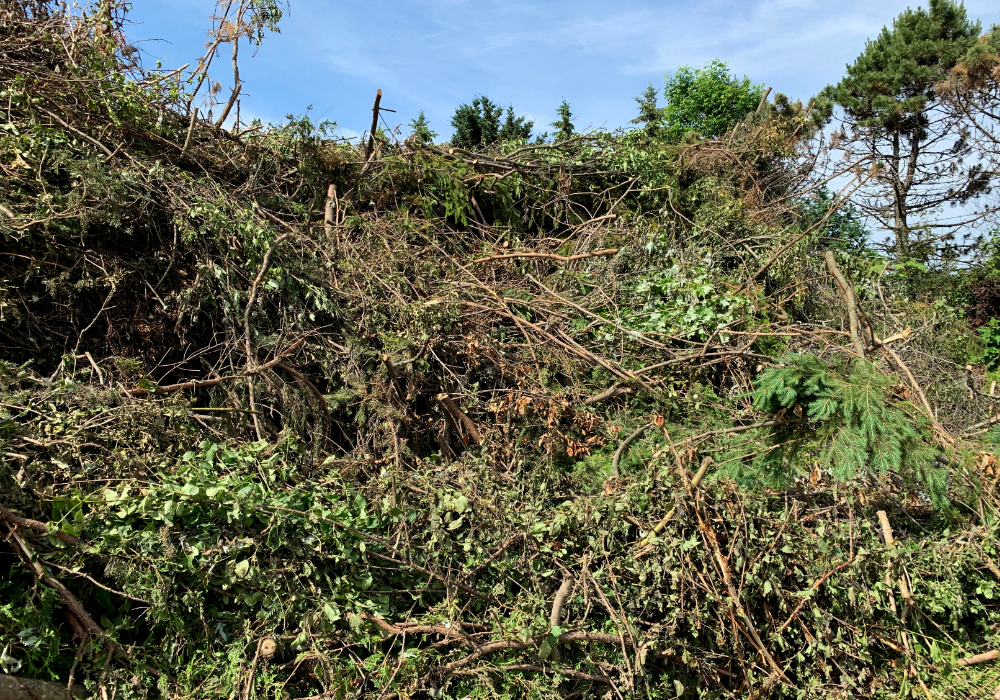
Those fallen branches, dry leaves, and trimmings you usually bag up for pickup? They’re not trash—they’re habitat. Creating a brush pile in a back corner gives birds, insects, and small mammals shelter from predators and weather. It mimics what would naturally occur in a forest understory, where decay supports life instead of getting hauled away.
Brush piles help overwintering insects, like native bees and butterflies, survive the cold. Birds use them for cover, and decomposers like fungi and beetles break the material down into healthy soil. To build one, start with larger branches as a base and layer smaller twigs and leaves on top.
Leave gaps for airflow and access. It doesn’t have to be messy—some people even make brush structures intentionally artistic. Either way, what looks like yard waste to us becomes a lifeline for something wild. And the more micro-habitats you create, the more your yard functions like an actual ecosystem.
7. Ditch the leaf blower and let leaves nourish the soil.
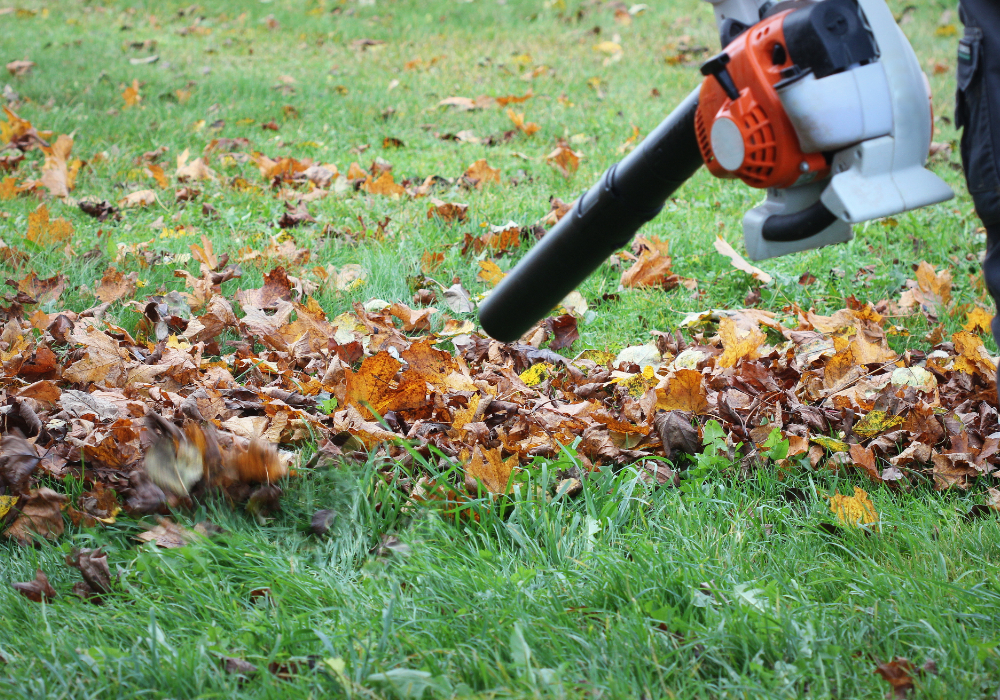
Fallen leaves aren’t litter—they’re free mulch. Blasting them away strips your yard of nutrients, exposes soil to erosion, and kills overwintering insects like moths, beetles, and butterflies. A single season’s leaf layer can host countless creatures crucial to the food web. Removing it doesn’t just tidy your yard—it flattens its entire ecosystem.
Instead of bagging leaves, rake them into garden beds or mulch them gently into the lawn with a mower. You’ll insulate plant roots, retain moisture, and feed the microbes that keep soil alive. Plus, you’ll cut down on synthetic fertilizer needs. If you still need to clear certain areas, go low-tech: a rake disturbs far less than a deafening, polluting blower. That machine doesn’t just chase away birds and insects—it sends your yard’s life force to the curb. Let leaves do what they’ve always done: break down, give back, and make space for new growth.
8. Install a small water feature to support wildlife.
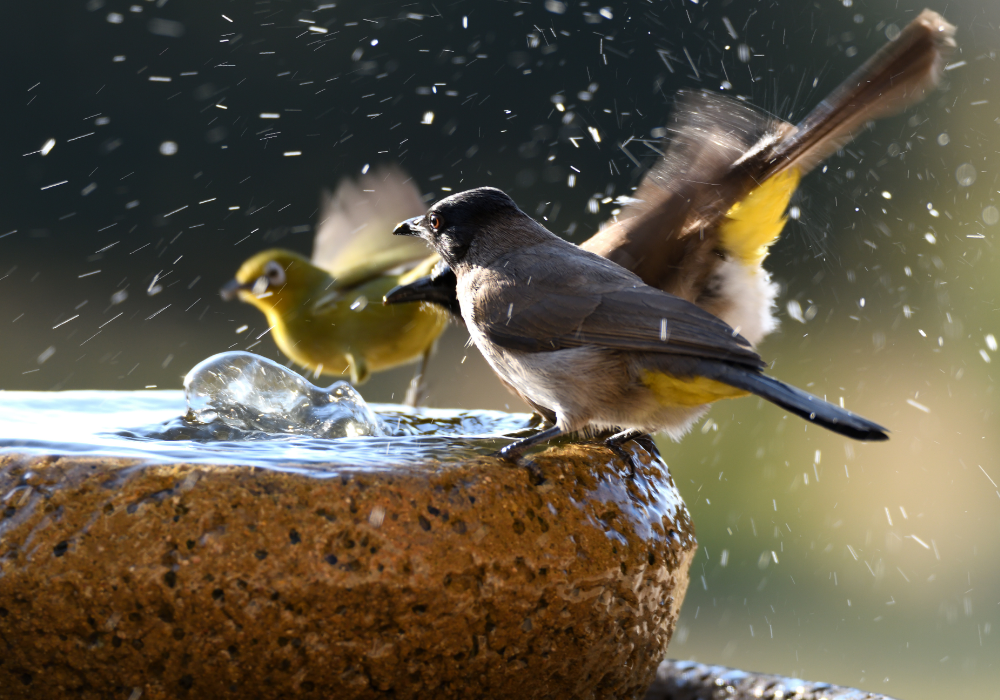
Even a shallow dish of water can make your yard a vital resource—especially during dry spells or summer heat. Birds, pollinators, frogs, and small mammals all rely on clean water sources to survive, and in urban or suburban areas, access is increasingly scarce. A birdbath, mini pond, or even an upside-down trash can lid can provide hydration and habitat.
Add stones or sticks to give insects a place to land. If you’re feeling ambitious, a solar pump creates movement that keeps mosquitoes at bay and attracts even more wildlife. Change the water every few days or set up a slow-drip refill. Avoid chemical cleaners or fountains treated with algaecide—what’s easy for you might be toxic for wildlife. Water brings movement and sound into a yard, which makes it feel alive in a way sterile landscapes never can. It doesn’t take much to turn your space into a vital stopover for thirsty life on the move.
9. Grow native shrubs and trees instead of decorative exotics.
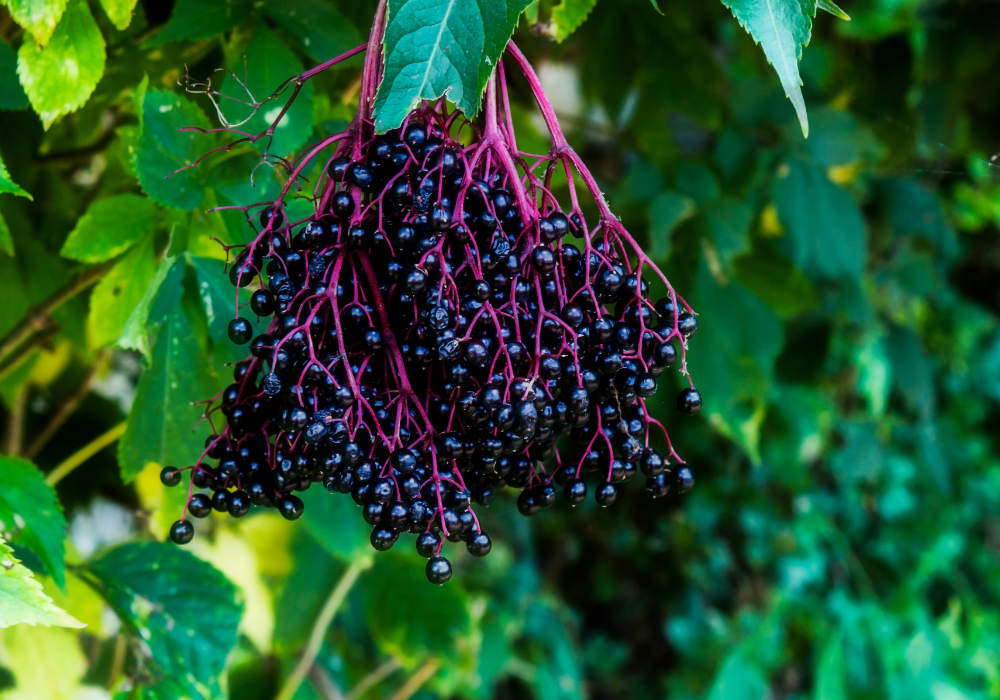
Big box stores love selling fast-growing, low-maintenance ornamentals—but many of those plants offer zero benefit to local wildlife. Non-native shrubs and trees often don’t produce the right berries, blooms, or shelter to support birds, insects, or mammals. Some are even invasive, crowding out native species and disrupting fragile ecosystems in your region.
Native trees and shrubs, on the other hand, do more than provide shade or privacy. They host caterpillars, offer food and nesting sites for birds, and create layered habitat for a wide range of species.
Oaks, serviceberries, viburnums, and elderberries are powerhouses for biodiversity. And because they’re adapted to your region’s climate and soil, they’re often more resilient and lower maintenance once established. Replacing even one ornamental hedge with a native planting turns your yard from a display piece into a functioning part of the food web. It’s not just about beauty—it’s about belonging.
10. Rethink your edges—fences, borders, and boundaries.
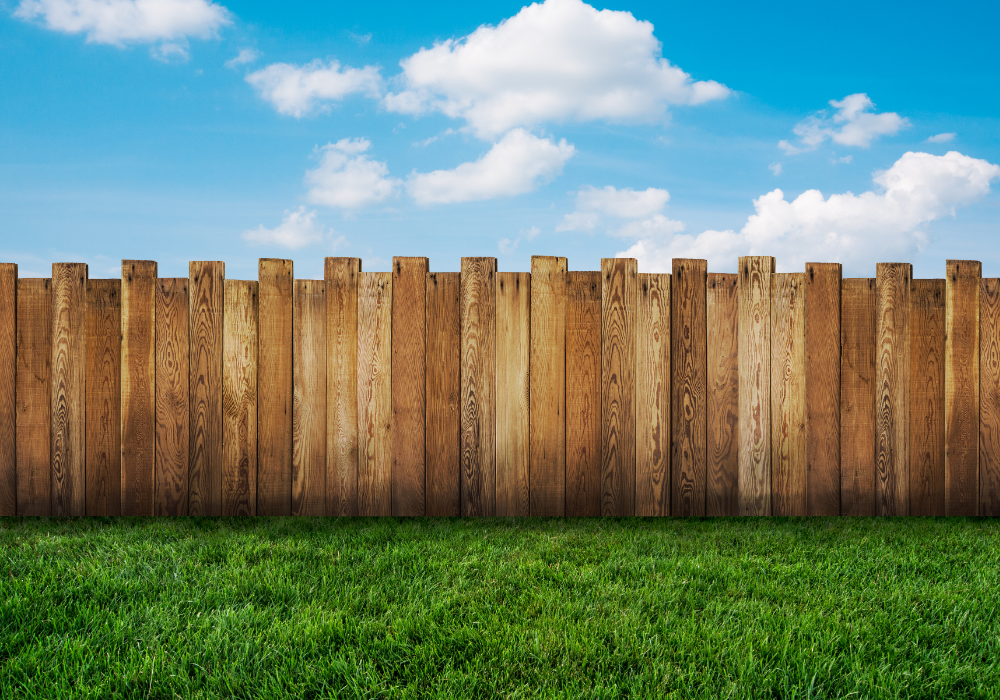
Yard borders don’t have to be barriers. Fences with gaps at the bottom allow small animals like turtles, toads, or hedgehogs (in some regions) to pass through. Replacing a solid plastic or metal wall with a hedgerow or mixed native border adds privacy without severing ecological connections. Even the way you edge your garden beds can affect how life moves through your space.
Borders made of rock piles, logs, or native grasses create habitat and transition zones between manicured and wild areas. These edge spaces are where biodiversity thrives. Many creatures prefer the shelter and complexity of a semi-wild margin to open lawn. By softening the divide between “yard” and “wild,” you invite more life in—while still keeping things structured if that’s your style. Rethinking edges isn’t about letting your yard go—it’s about letting it connect. Because when life can move freely, your ecosystem does, too.