
These tips aren’t just smart—they’re what experts say could keep you alive when the water hits.
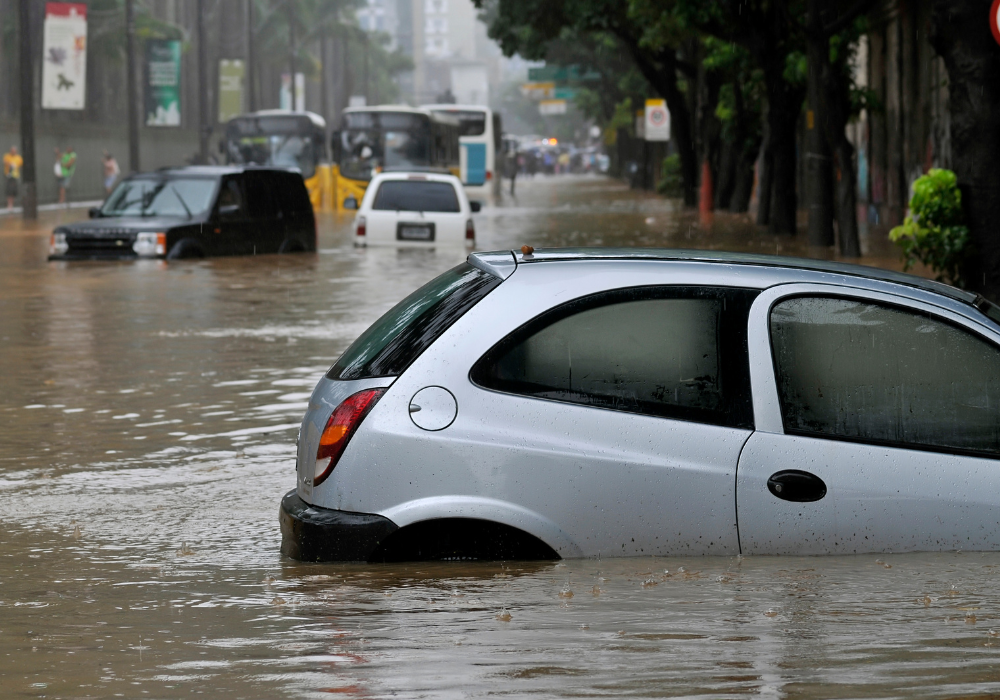
Flash floods don’t give you a warning. One minute you’re walking or driving through familiar streets—the next, water’s surging in like a freight train. It doesn’t take hours to build; it takes minutes. And the scariest part? Most people freeze or make a wrong move because they’ve never thought about what to do before it happens. You don’t need to be a survivalist or carry emergency gear everywhere. But you do need a game plan that kicks in when seconds matter.
Knowing where to go, what to avoid, and how to keep your cool can mean the difference between life and tragedy. These survival tips aren’t dramatic—they’re practical, memorable, and possibly lifesaving. Because once that water starts rising, the only thing you’ll have time for is what you already know.
1. If you’re on foot and see water rushing toward you, don’t try to outrun it—get to higher ground immediately.

Trying to outrun a flash flood is a losing game. That wall of water might look far off, but it can close the distance in seconds—and it’s stronger than it looks. If you’re walking and suddenly see water racing your way, don’t hesitate.
Don’t wait to see if it gets worse. Drop whatever you’re doing and move up, not just away. That could mean climbing a nearby hill, jumping onto a ledge, or even scrambling onto a parked car if there’s nothing else.
Speed matters more than anything here. That small stream can turn into a deadly torrent shockingly fast. Your best move is height over distance. Getting vertical might feel dramatic—but it could be the one thing that saves you.
2. If you’re driving and water is covering the road, do not try to push through it.

Even six inches of water can cause you to lose control of your car, and a foot can sweep it away. You have no idea how deep that water is—or what’s under it. The road might be completely gone, washed out beneath a deceptively calm surface.
So if you come across a flooded road, turn around. Don’t think, “It’s just a little water.” Don’t assume your SUV can handle it. The number of people who drown in their cars during floods is staggering.
It happens fast, often within seconds. Keep in mind, water adds weight and drag your tires can’t fight. If you can’t clearly see the pavement, it’s not worth the gamble. Find another route or wait it out. Your life’s worth more than a shortcut.
3. If floodwaters surround your vehicle and it’s not moving, get out before it’s too late.

This part’s terrifying—but real. If water starts rising around your car and it stalls or can’t move, don’t sit and wait. Get out while you still can. Once the water reaches the bottom of your doors, it’s already getting harder to escape.
Wait much longer and the doors won’t open from the pressure. If that happens, your only options might be smashing a window or finding another exit fast. It’s way safer to exit when the water is still low and manageable. Climb to the roof if needed and wave for help.
Emergency services would rather rescue someone above the water than search for someone trapped beneath it. The longer you hesitate, the more dangerous it becomes. Action beats panic—every single time.
4. Don’t assume your home is safe—know your elevation and evacuation zone ahead of time.

A lot of people think staying inside their house guarantees safety. But if your home’s in a flood-prone zone or sits at the bottom of a slope, that assumption could be deadly. It’s not about fear—it’s about facts.
Know the flood history of your area, the elevation of your property, and whether you’re in an evacuation zone. This isn’t something to Google when the rain starts pounding. Find out now. Talk to your local emergency office or check flood maps. If authorities tell you to evacuate, go. Don’t wait to see how bad it gets.
Flash floods move too fast for second chances, and once you’re trapped, it’s too late to make a plan. Preparation is boring—until it saves your life.
5. Never walk through moving water—it only takes six inches to knock you off your feet.
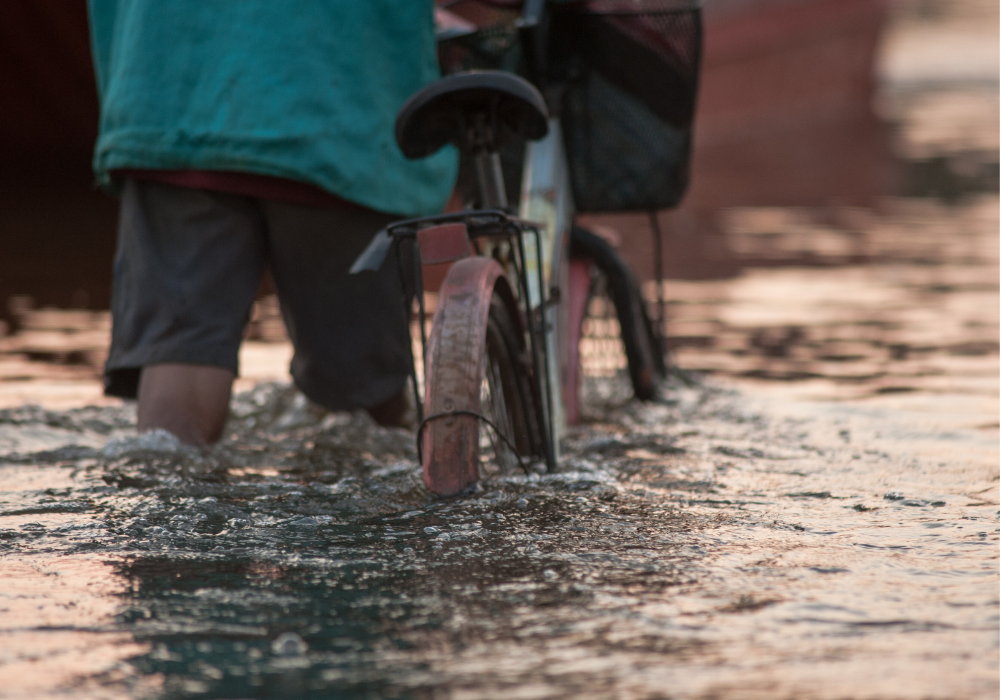
You think you can wade through it. You’re wrong. Moving water—even if it’s ankle deep—has more power than people realize. It doesn’t have to look like a raging river to sweep you off your feet and send you tumbling.
And once you’re down, you have zero control over where you’re going. Hidden debris, sharp objects, or uneven pavement could injure you instantly. Not to mention contamination. Floodwater is usually filled with gasoline, bacteria, and who-knows-what.
So if you absolutely must cross water, look for a stick or pole to test the depth and stability, and move slowly with extreme caution. But honestly? Don’t do it unless you truly have no other choice. One wrong step in shallow, fast water can turn into a life-threatening situation.
6. Keep an emergency kit packed and ready—because you won’t have time to gather it.

When a flash flood hits, every second counts. You’re not going to have time to start grabbing your flashlight, medicine, or bottled water. That’s why having a go-bag already packed and ready can make all the difference.
Keep it in an easy-to-reach spot—by the door, in your car, wherever you can grab it fast. Include basics like water, non-perishable snacks, a flashlight, phone charger, batteries, a first-aid kit, and a copy of important documents. Add personal meds and pet supplies if needed. Think of it as flood insurance for your sanity.
You don’t want to be running around in a panic when you should be running to safety. Your future self will thank you for thinking ahead.
7. Don’t wait for sirens or alerts—if the sky looks dangerous, act fast.
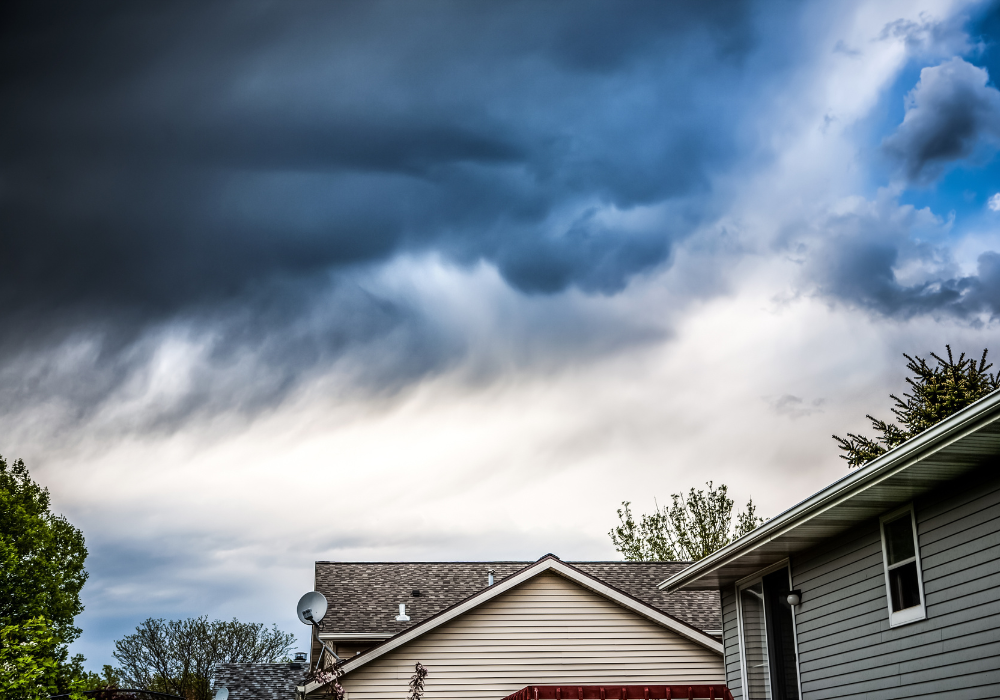
Flash floods move quicker than official alerts sometimes. By the time a warning pings your phone, it could already be too late. So if you see dark skies, heavy rainfall in a short time, or water levels rising fast, don’t wait around for confirmation. Start moving. Trust your gut.
Weather is unpredictable, and even areas that don’t normally flood can get slammed when drainage systems get overwhelmed. It’s better to act early and feel silly than to hesitate and get caught in a nightmare.
If you’re near a river, dry creek bed, or urban area with poor drainage, pay even closer attention. Water can come from miles away, and you won’t always see it until it’s right in front of you.
8. Know the safest route to higher ground—and have a backup in mind.

It’s easy to think you’ll “just head uphill” when things get dicey, but when panic hits, your brain doesn’t always cooperate. That’s why knowing your safest exit routes before anything happens is so important.
Walk or drive them when the weather’s clear. Pay attention to landmarks and potential hazards. Think about where you’d go if your main route gets blocked. Maybe there’s a second trail, a neighbor’s staircase, or a parking structure you can reach. In the middle of a flood, every second counts, and hesitation can cost you.
When you already know exactly where to go, your body moves even when your brain’s racing. Preparation isn’t just about gear—it’s about practice, so you don’t freeze when it really matters.
9. Flash floods often strike at night—so stay extra alert in the dark.

Nighttime makes flash floods way more dangerous. You can’t see the rising water, the washed-out road, or the signs of danger until they’re right in your face—or too late. If there’s heavy rain or flood potential after dark, stay off the roads if you can.
Keep a flashlight nearby, charge your phone, and listen for sudden changes in weather sounds. The roar of water moving fast? That’s your cue to act. And don’t rely on car headlights—they won’t show a submerged pothole or a collapsing road edge. If you must go out, drive slowly and assume every puddle is a trap.
Darkness hides everything. Stay alert, stay ready, and stay cautious. Floodwater doesn’t wait until morning—and it doesn’t care that you’re tired.
10. Teach your kids what to do—because they’ll panic if you don’t.

In a crisis, your kids will look to you—but only if they know what’s going on. It’s easy to avoid scary conversations, but talking to them now could save their lives later. Show them where the emergency kit is. Walk through escape routes.
Explain how fast floods move and what to do if they get separated. Use simple, calm language so they’ll remember under pressure. Practice drills the same way you would a fire escape plan. If they’re old enough to be home alone, teach them when and how to call for help.
You don’t need to scare them—just prepare them. Because in an emergency, a confident kid who knows what to do is one less thing you have to worry about.
11. Your phone won’t always save you—know how to survive without it.

We rely on our phones for everything: directions, alerts, calling for help. But during a flood, signal can drop, batteries die, and apps crash. You need to be able to make smart decisions even if your phone isn’t working.
That means memorizing key phone numbers, knowing your local evacuation zones, and having a plan that doesn’t depend on technology. Keep a portable charger handy, but don’t let it be your only lifeline. Print a paper map of your area and highlight safe spots.
Carry a whistle, not just a flashlight. It sounds old-school, but when everything digital fails, analog smarts keep you alive. Your phone is a tool—not a survival plan. The most powerful thing in an emergency isn’t in your pocket. It’s in your head.