
Australia becomes the first country to block under-16s from social media, forcing platforms to verify ages or face steep fines.

Australia has officially enacted a world-first law banning children under 16 from using social media, marking one of the most sweeping youth-protection moves ever taken against Big Tech. Starting this week, platforms such as TikTok, Instagram, YouTube, and Snapchat must verify users’ ages and deny access to minors or face heavy fines. The government says the ban aims to shield kids from cyberbullying, sexual exploitation, and mental-health harms. Global regulators are watching closely, and experts predict other nations may adopt similar restrictions.
1. Australia Becomes the First Country to Enforce an Under-16 Social Media Ban

This legislation makes Australia the first nation in the world to legally prohibit children under 16 from accessing major social platforms. The move is part of a broader effort to protect minors from online dangers that regulators say companies have repeatedly failed to address. Apps must block access for younger users and remove existing accounts that fall under the age threshold.
The law is designed to prioritize safety over convenience and signals a growing willingness by governments to regulate youth interactions with digital platforms. Officials say the ban reflects rising public concern about harm linked to early social media use.
2. Major Platforms Must Now Verify Every User’s Age

Under the new rules, companies including TikTok, Instagram, YouTube, Snapchat, and Facebook are required to verify the ages of all Australian users. If they cannot confirm someone is 16 or older, they must deny access. This marks a major shift from earlier, lightly enforced age-gate systems.
Age verification may include facial-analysis tools, ID checks, or third-party verification providers. Platforms that fail to comply face significant financial penalties. Regulators say technological solutions have improved enough to make mandatory verification both feasible and necessary to prevent harmful content from reaching minors.
3. Fines for Non-Compliance Could Reach Millions
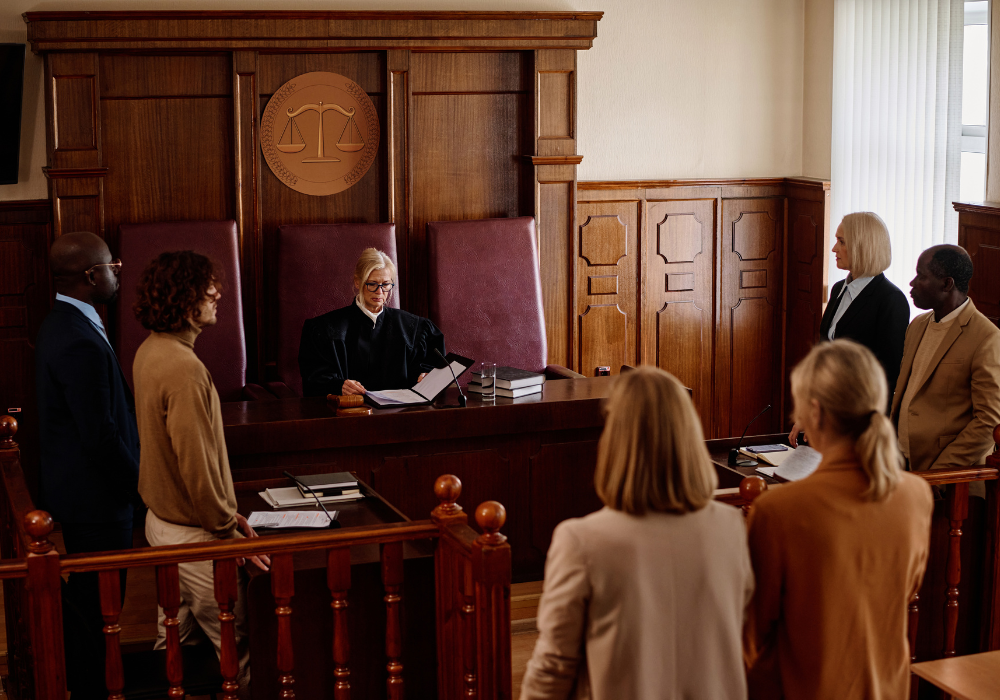
Australia’s eSafety Commissioner now has the authority to impose fines on platforms that refuse or fail to follow the new rules. Penalties can total millions of dollars, depending on the severity and duration of a violation. This strong enforcement mechanism aims to ensure companies take the requirements seriously.
The government has argued that past voluntary measures by tech firms were not sufficient. By attaching substantial financial consequences to non-compliance, Australia hopes to create meaningful accountability and deter platforms from ignoring the standards.
4. The Ban Was Prompted by Concerns Over Child Safety

Lawmakers cited high rates of cyberbullying, sexual exploitation, and mental-health risks among children as primary reasons for the ban. These issues have been repeatedly documented in both international studies and Australia’s own safety reports. Officials say early exposure to social media can increase vulnerability to predatory behavior and online harassment.
The legislation reflects public pressure for stronger protections. Parents and advocacy groups argued that children were being exposed to dangerous content far sooner than their developmental maturity allowed, prompting calls for legally enforceable boundaries.
5. Platforms Say the Law Misunderstands How Their Systems Work

Some social media companies have pushed back, arguing the law is impractical and may create new privacy risks. They claim that enforcing rigid age verification could require collecting sensitive biometric or identification data, which could introduce new security concerns.
Platforms have also suggested the ban could push young users toward unregulated or encrypted services instead of reducing their social media exposure. They argue that education and tools for parental oversight may be safer alternatives to a full legal ban.
6. Government Officials Insist the Technology Already Exists

In response to criticism, Australian officials say platforms already use sophisticated algorithms capable of identifying underage users. They argue that the companies’ objections reflect unwillingness—not inability—to protect minors. Regulators say tech firms have long demonstrated they can detect suspicious accounts when it benefits their business models.
By making verification mandatory, Australia aims to force companies to apply these capabilities consistently. Officials insist that keeping children away from harmful content outweighs the operational challenges for global social media brands.
7. A New Licensing System Will Regulate Age-Verification Providers

Australia will license companies that offer age-verification technology to ensure they meet strict privacy and security standards. This step addresses concerns about data misuse, as verified information will flow through regulated channels rather than directly to social media companies.
The government says the licensing framework will create a safer system for confirming users’ ages while preserving anonymity where possible. Providers must prove they can protect data and maintain compliance with Australia’s existing privacy laws.
8. Parents Are Expected to Play a Role in Enforcement

Although algorithms and verification systems will do most of the work, authorities acknowledge that parents will still play an important role. Families are encouraged to report underage accounts and monitor attempts by children to access banned platforms.
Officials say the law is designed not to replace parental oversight but to support it by removing temptation and opportunity for younger children. Parents have been broadly supportive, according to early polling cited in the Reuters report.
9. Experts Predict Other Countries May Adopt Similar Bans
Policy analysts say Australia’s move could influence Europe, the U.S., and parts of Asia, where lawmakers are similarly concerned about the impact of social media on youth mental health. Several governments have proposed restrictions but have not yet enacted bans as strict as Australia’s.
If Australia’s approach proves successful—or even if global pressure on tech companies increases—other nations may model their legislation on this precedent. The outcome could reshape how young people worldwide interact with digital platforms.
10. Privacy Advocates Warn of Potential Data Risks

Some privacy groups have raised concerns that age verification could lead to increased data collection that might be misused or breached. They caution that poorly secured systems could expose minors and adults alike to identity risks.
Australia’s licensing framework attempts to address these worries, but advocates say the rollout must be carefully monitored. Ensuring that platforms and verification providers handle data responsibly will be critical to maintaining public trust in the new system.
11. The Ban Could Redefine How Children Experience the Internet

By cutting off access to mainstream social media until age 16, the law may dramatically change how children in Australia socialize online. They will likely shift toward school-based communication tools, gaming platforms, and messaging apps that fall outside the ban’s scope.
Experts say it remains to be seen whether the shift will reduce harm as intended. However, the law marks a significant global moment: a government willing to fundamentally redraw the boundaries of digital childhood in the name of safety.