
An Austrian wine cellar renovation uncovers a trove of prehistoric mammoth remains dating back 30–40 k years.
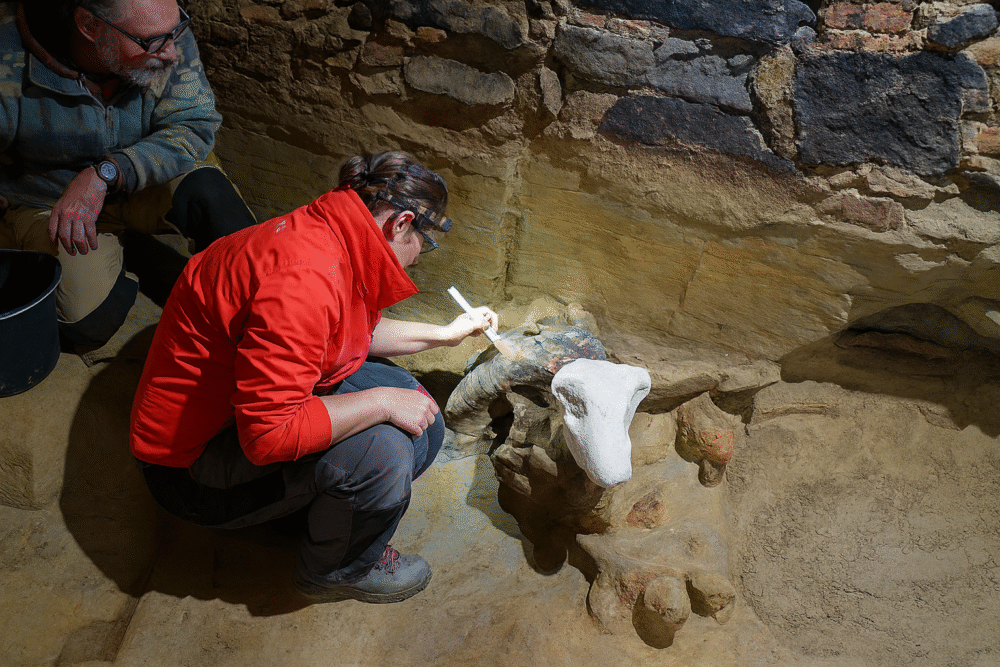
In the Austrian village of Gobelsburg, a simple wine-cellar renovation took an extraordinary turn. Winemaker Andreas Pernerstorfer uncovered massive bones beneath his cellar floor that turned out to belong to at least three mammoths, dated between 30,000 and 40,000 years old. Archaeologists describe the site as an “archaeological sensation,” highlighting the rare density of remains and potential clues about Ice-Age human hunting methods. The discovery is now being carefully excavated, with the finds set to undergo restoration at Vienna’s Natural History Museum.
1. A Discovery Beneath a Quiet Austrian Vineyard

The story began in the small village of Gobelsburg, Austria, when winemaker Andreas Pernerstorfer started renovating his old wine cellar. While digging beneath the floor, he unearthed what he thought were large stones—but they turned out to be something extraordinary.
Archaeologists later confirmed that the objects were mammoth bones, some of them perfectly preserved in the clay soil. What looked like a simple home improvement project quickly became one of the most significant Ice Age discoveries in Austria in recent decades.
2. The Remains Date Back Nearly 40,000 Years

Carbon dating and sediment analysis show the bones are between 30,000 and 40,000 years old, placing them deep in the Upper Paleolithic era. This was a time when early humans roamed Europe alongside woolly mammoths, reindeer, and cave lions.
Experts say the find provides an extraordinary snapshot of the late Ice Age environment in Central Europe. Each bone fragment helps scientists reconstruct what life was like when glaciers dominated the landscape and human survival depended on hunting these enormous creatures.
3. Evidence of at Least Three Mammoths Found

Initial excavations revealed that the cellar contained bones from not just one, but at least three different mammoths. The remains include massive femurs, ribs, and tusk fragments, all tightly packed together in a single layer of sediment.
The density of the find suggests the site may have been used repeatedly—either as a natural trap or as a hunting and butchering site used by Ice Age people. Archaeologists are now mapping each bone’s position to understand how the animals ended up buried there.
4. The Site Was Likely an Ice Age Hunting Ground
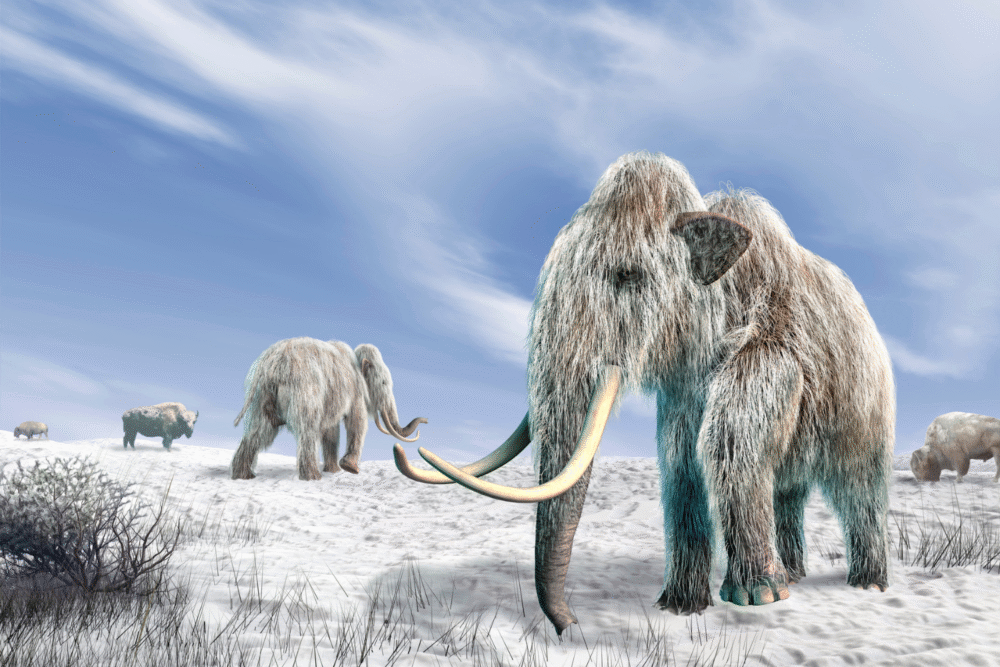
Archaeologists believe the cellar’s location once sat on a prehistoric plain where early humans may have ambushed large game. The concentration of bones indicates that hunters could have used pits or natural depressions to trap mammoths before killing and dismembering them.
If confirmed, this would make the site one of the few clear examples of mammoth-hunting behavior in Central Europe. It could also help explain how ancient people organized their hunts and preserved meat during long, freezing winters.
5. A Remarkably Well-Preserved Find
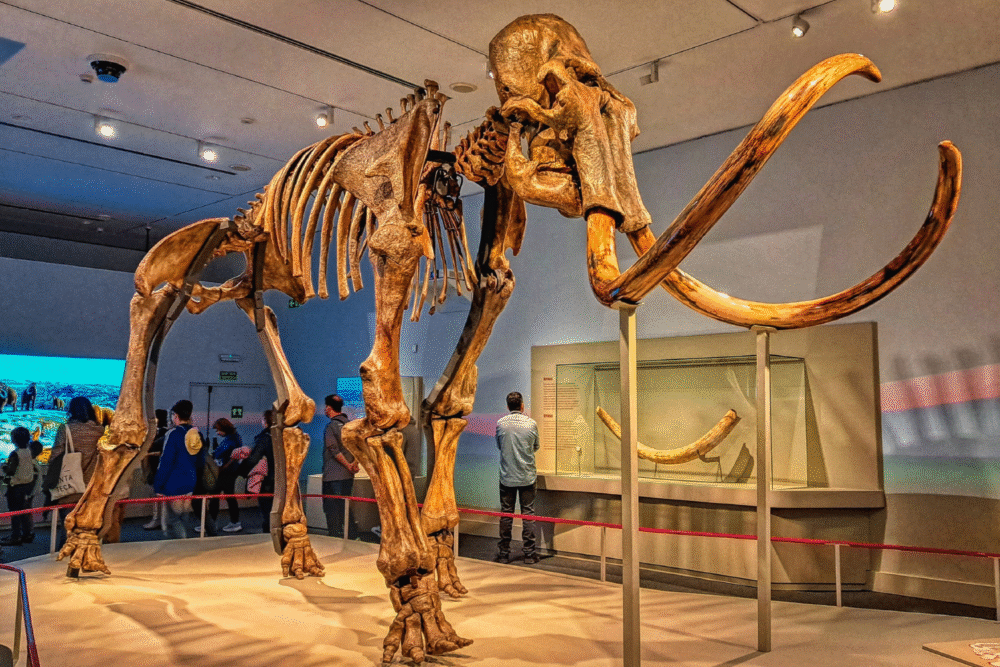
Despite the passage of tens of thousands of years, the bones are in exceptional condition. Layers of clay and stable underground temperatures protected them from oxygen and erosion, preserving delicate surfaces and even traces of muscle attachment.
Archaeologists say such preservation is rare, especially in Central Europe’s variable climate. The fine condition of the bones allows scientists to extract microscopic data on age, disease, and diet, providing new insights into the mammoths’ lives and the ecosystems they inhabited.
6. A Once-in-a-Lifetime Find for Austria

Although mammoth remains are occasionally found in Austria, discoveries of this scale and concentration are extremely uncommon. The Gobelsburg site may rank among the country’s most significant Ice Age fossil deposits in decades.
Experts from the Austrian Academy of Sciences describe the discovery as “an archaeological sensation.” It offers a rare opportunity to connect paleontology and archaeology—studying not only the animals but also the humans who may have interacted with them thousands of years ago.
7. Clues About Ice Age Climate Conditions

Analysis of the surrounding sediment has revealed ancient pollen, plant matter, and soil structures that offer clues about the Ice Age environment. Scientists say the region was once a cold, open steppe with sparse vegetation and strong winds.
This data helps build a picture of the mammoths’ habitat, showing what kind of plants they ate and how they adapted to extreme cold. It also offers valuable context for how Ice Age hunters survived in one of the harshest climates in Earth’s history.
8. The Bones Could Reveal Details About Early Humans

If researchers confirm human involvement at the site, it could add to our understanding of how people hunted and used mammoths for food, shelter, and tools. Cut marks or stone tools found near the remains would indicate human activity.
Such evidence would link the Gobelsburg site to a wider network of prehistoric settlements across Central Europe. Understanding these connections could reveal how early communities shared knowledge, migrated, and adapted to climate changes during the Ice Age.
9. A Winemaker’s Surprise Turned Scientific Treasure

Andreas Pernerstorfer, the winemaker who made the discovery, said he was “astonished” when experts confirmed the bones’ true identity. What began as a cellar renovation quickly turned into an excavation site filled with scientists, journalists, and museum specialists.
Pernerstorfer has since paused his renovation plans to allow researchers full access to the site. His quick decision to alert authorities ensured the discovery was preserved properly—a rare example of luck, timing, and responsibility leading to a major scientific breakthrough.
10. Excavations Are Now Underway

Archaeologists from the Austrian Academy of Sciences and the Natural History Museum of Vienna have launched a detailed excavation of the site. Teams are documenting every bone fragment, taking soil samples, and digitally scanning the cellar for reconstruction.
The delicate process could take months, as each piece must be stabilized before removal. Once fully excavated, the remains will be transferred to Vienna for cleaning, analysis, and preservation. Scientists hope to display parts of the find in the museum’s permanent collection.
11. The Find Sheds Light on Ancient Migration Routes

Mammoths once roamed widely across Europe and Asia, following vegetation-rich routes shaped by seasonal change. The Gobelsburg discovery adds an important piece to this puzzle, marking a new site along possible migration paths that crossed the Danube Basin.
By comparing DNA and isotopic data from these bones with those found elsewhere, scientists can trace how mammoth populations moved and evolved. The results may also reveal how Ice Age humans tracked and hunted the herds that sustained them for generations.
12. The Discovery Links Past and Present

What began as a routine home project has turned into a window to prehistory, reminding the world how closely daily life connects with ancient history. Beneath vineyards and villages lie untold stories of the planet’s deep past waiting to be uncovered.
The Gobelsburg find brings the Ice Age to life, showing how scientific curiosity can transform an ordinary space into a site of global importance. For archaeologists and locals alike, it’s a powerful reminder that history is often buried just beneath our feet.