
Astronomers detected ultra-fast winds sweeping out of a distant black hole, powerful enough to reshape the entire galaxy.
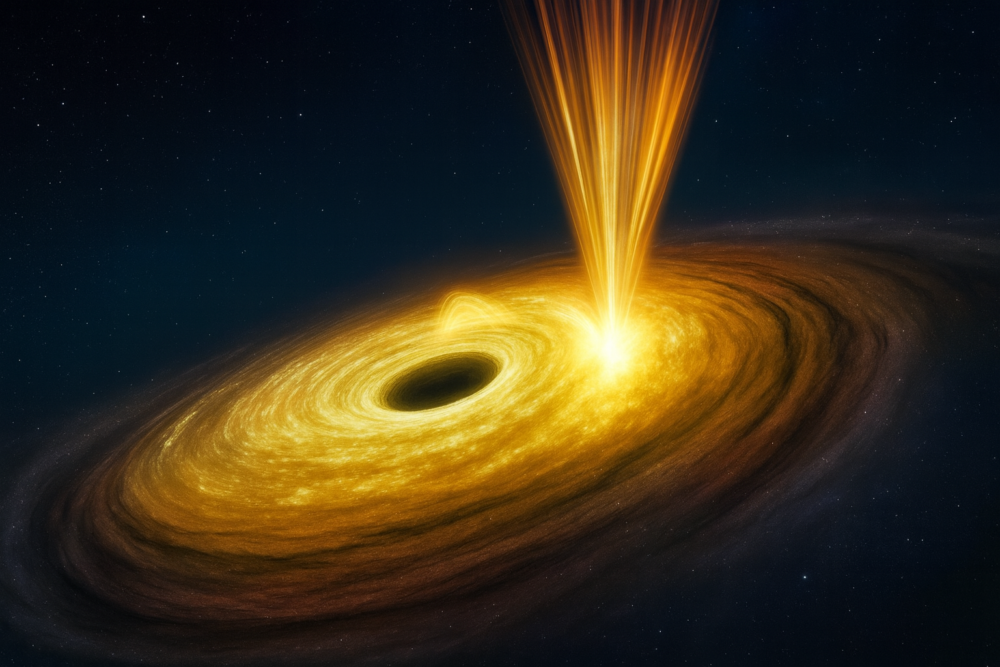
A distant spiral galaxy may be undergoing a dramatic transformation, and astronomers say a supermassive black hole is responsible. New observations show the black hole at the center of NGC 3783 blasting out ultra-fast winds that reach about 130 million miles per hour, or roughly 20 percent of the speed of light. These winds appeared shortly after an intense burst of X-ray activity, suggesting a rapid and powerful shift near the black hole’s core. Scientists believe this event could reshape the galaxy by disrupting star formation and altering its long-term evolution.
1. A Black Hole Is Blasting Wind at Record Breaking Speeds

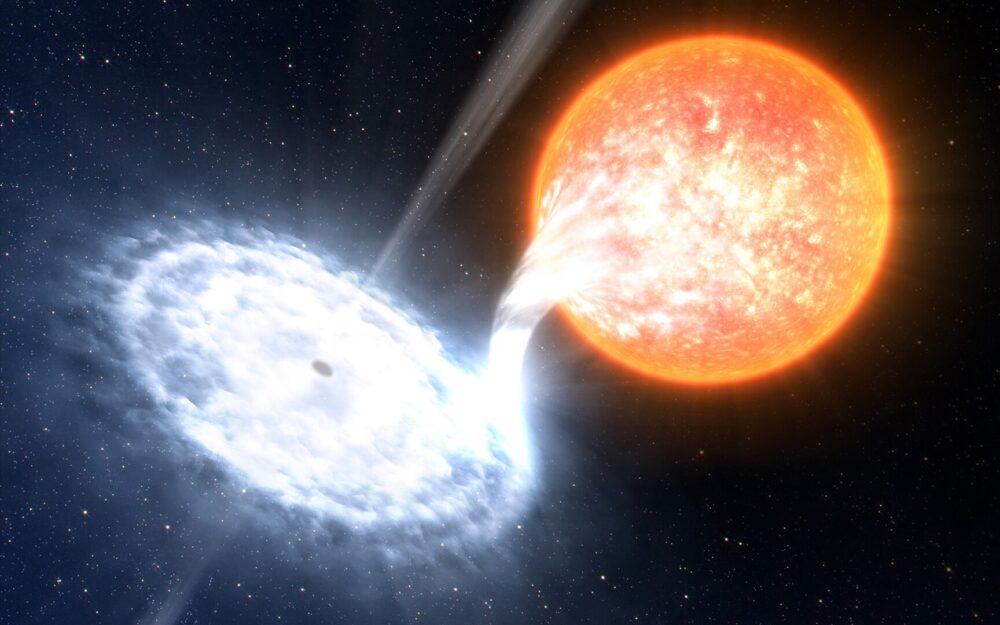
At the center of NGC 3783 sits a supermassive black hole estimated to weigh as much as 30 million suns. As it consumes surrounding material, some of that matter is flung outward in a high speed wind. One of these outflows was measured at about 60,000 kilometers per second, or roughly 130 million miles per hour, making it one of the fastest black hole winds ever detected.
This astonishing speed shows that black holes are not simply cosmic vacuums. They can expel enormous amounts of energy and material, influencing regions far beyond their immediate surroundings and shaping the galaxies they inhabit.
2. The Wind Formed Just One Day After an Intense X Ray Burst
Astronomers observed that the ultra fast wind appeared within only a day of a strong X ray flare coming from the black hole. That rapid timing suggests the burst played a direct role in triggering the outflow. It also shows how quickly a black hole’s behavior can change and how immediate the effects can be.
This rapid chain of events offers new insight into how black holes interact with their environment. Instead of slow, gradual processes, dramatic shifts near a black hole can unleash powerful forces almost instantly.
3. Magnetic Activity Near the Black Hole Likely Triggered the Blast
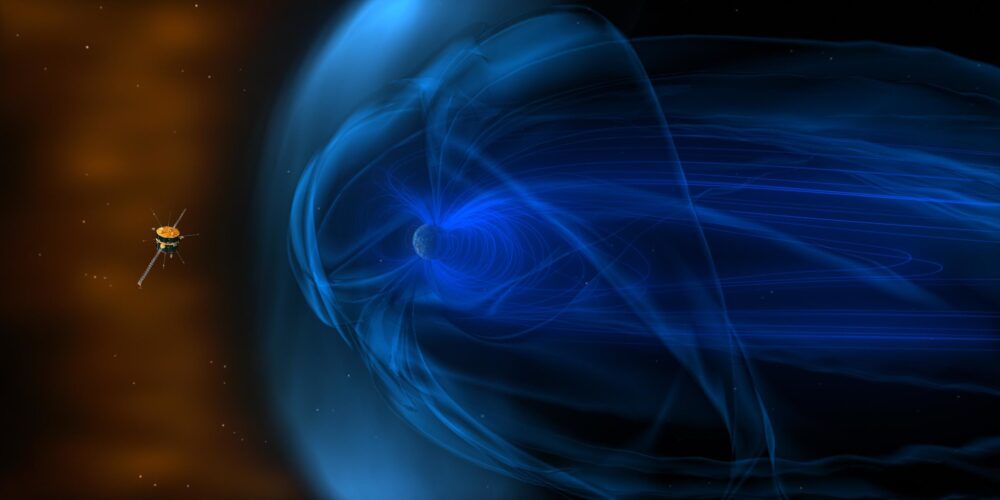
Researchers believe the wind began when twisted magnetic fields near the black hole suddenly released their energy. This is somewhat similar to how magnetic eruptions on the sun create solar flares, although the black hole version is vastly more powerful. The sudden release sent matter hurtling through space at extreme speeds.
Understanding these magnetic changes may be key to explaining how black holes can generate such violent outflows. It also helps connect familiar solar activity with far more energetic phenomena elsewhere in the universe.
4. The Winds Could Shut Down Star Formation Across the Galaxy
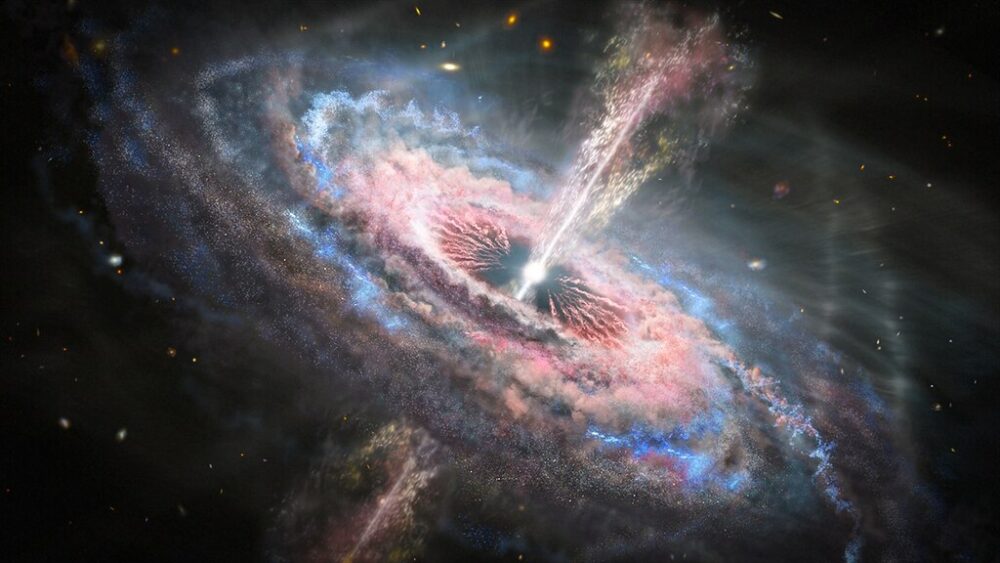
These ultra fast winds have the potential to heat or push away the gas that new stars need to form. If enough material is cleared or disrupted, parts of NGC 3783 could stop producing stars for long periods of time. This type of feedback is believed to play an important role in how galaxies grow and evolve.
With less gas available, the galaxy could age more quickly and lose its ability to create new generations of stars. Events like this might explain why some galaxies appear to go quiet even when they still contain a supermassive black hole.
5. Black Hole Winds May Explain Why Some Galaxies Become Inactive
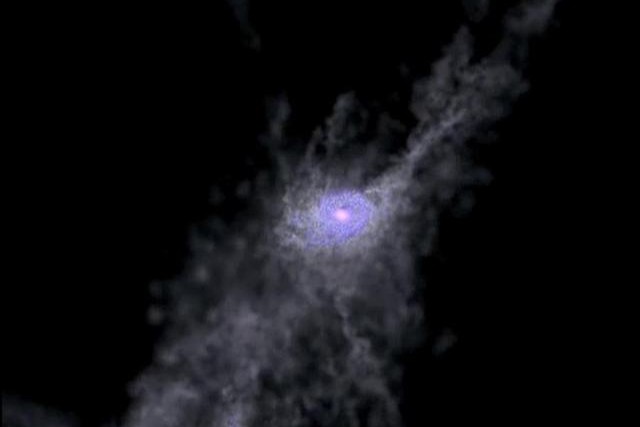
For years astronomers have wondered why certain galaxies stop forming stars even though they still contain large amounts of material. Ultra fast winds like the one in NGC 3783 could be a major part of the answer. By ejecting or heating star forming gas, the winds can effectively switch off stellar production.
This kind of feedback may be common in galaxies with active black holes. If so, black hole winds could be one of the main ways galaxies transition from lively star forming systems to calmer, older ones.
6. The Discovery Challenges Old Assumptions About Black Holes
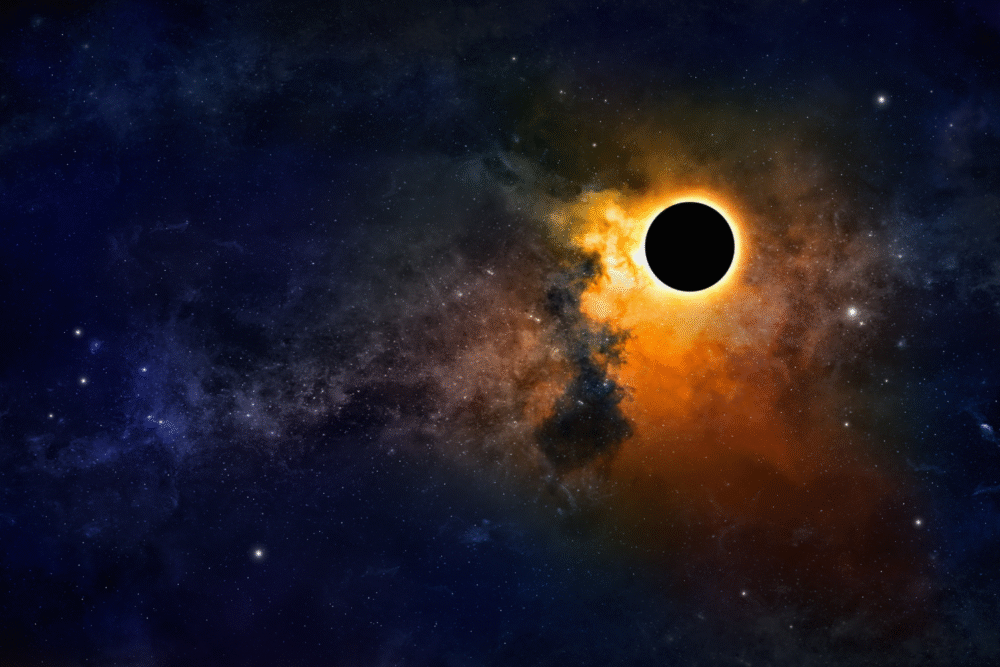
Many people imagine black holes as objects that only pull material inward. This discovery highlights a different side of their behavior. Under certain conditions, black holes can also launch powerful outflows that reshape entire regions of space.
This shift in perspective is important for understanding galaxy evolution. Instead of being passive sinks, black holes can act as engines that redistribute energy and material across the universe.
7. These Winds Move Faster Than Most Light Driven Outflows
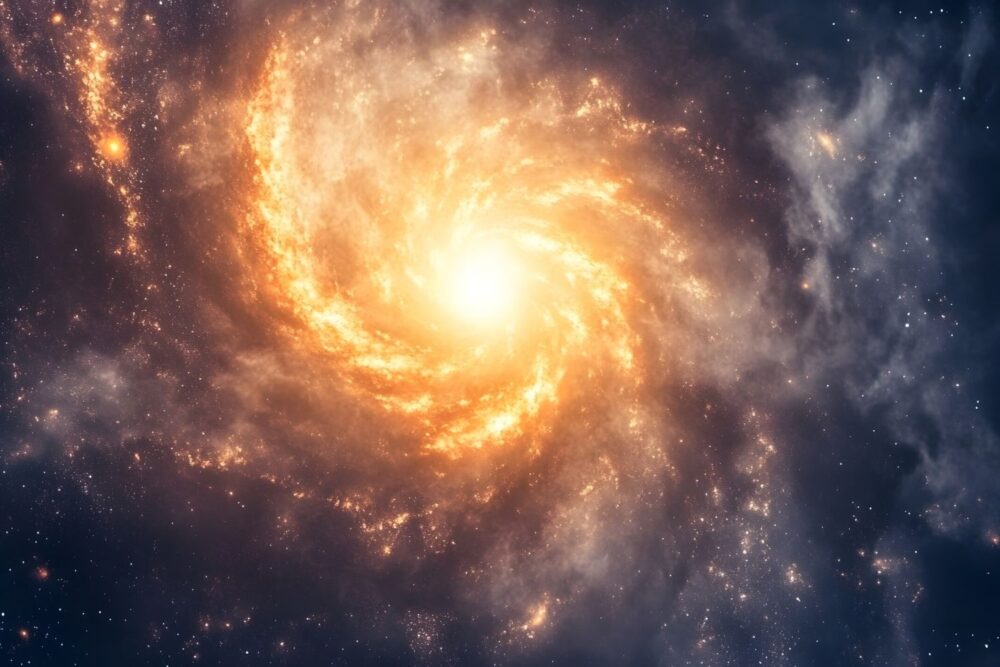
Some cosmic winds are pushed outward by the pressure of light or radiation, but the wind in NGC 3783 far exceeds those speeds. Traveling at about one fifth of light speed, it challenges current models of how winds accelerate and forces scientists to reconsider the limits of galactic outflows.
Such extreme velocities expand the known range of what black hole winds can achieve. They also suggest that magnetic processes may play a stronger role than previously thought in powering these enormous blasts.
8. The Black Hole’s Enormous Mass Feeds Its Power
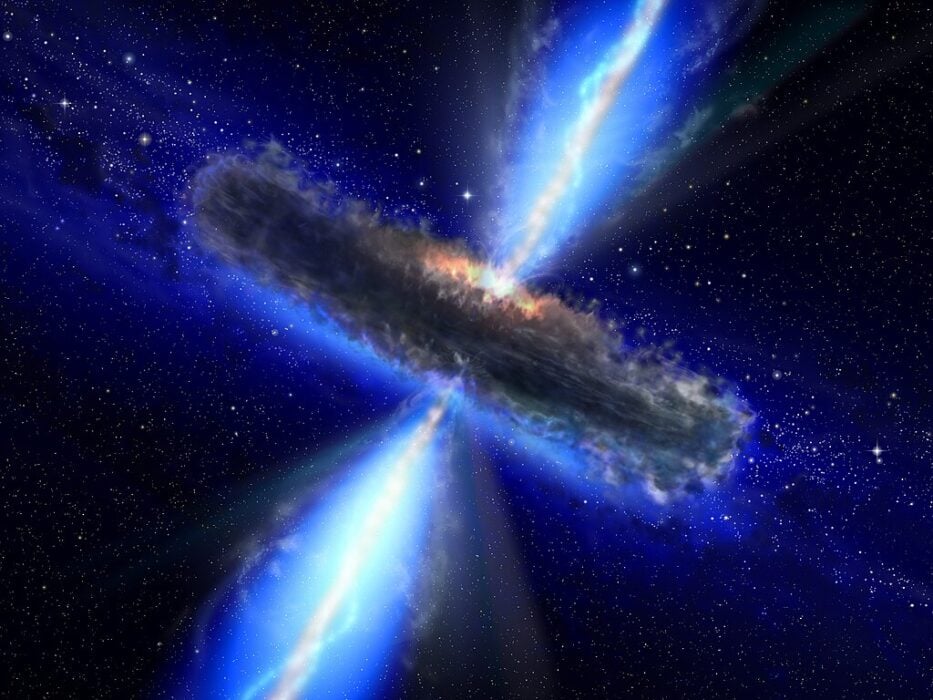
The supermassive black hole behind the wind is extremely heavy, containing tens of millions of solar masses. That incredible mass produces strong gravitational forces that draw in large amounts of material. As that material falls inward, energy is released and can fuel dramatic outflows like the one observed.
This combination of size and activity explains why the wind is so powerful. A black hole of this scale has more than enough energy to affect the entire galaxy around it.
9. Scientists Rarely Catch These Events as They Happen
Black hole winds are difficult to observe because they can appear and disappear quickly. In this case, astronomers were able to monitor the galaxy closely enough to witness the wind forming shortly after the X ray flare. That timing gave them a valuable snapshot of a galaxy shaping event in progress.
Catching an event like this in real time allows researchers to link cause and effect, giving them a clearer understanding of how black hole behavior influences galaxy evolution.
10. This Event Suggests Similar Winds May Exist in Other Galaxies
Because NGC 3783 is not especially unusual, astronomers believe that other galaxies with active black holes may produce similar ultra fast winds. The discovery may inspire new searches for comparable events in nearby and distant galaxies.
If similar winds are found elsewhere, it would strengthen the idea that black hole driven feedback is a universal process that affects galaxies across the cosmos.
11. Magnetic Fields Could Hold the Key to Galaxy Evolution

The role of magnetic fields in launching the wind is an important clue for scientists. If magnetic activity can suddenly accelerate matter to extreme speeds, it might be one of the main drivers shaping the appearance and evolution of galaxies.
A better understanding of these magnetic processes could help explain how matter moves around black holes and how galaxies develop over billions of years.
12. The Discovery May Change How Scientists Model Galaxy Lifecycles
The powerful winds seen in NGC 3783 are forcing astronomers to rethink long standing theories about how galaxies grow and age. If black holes regularly eject material at such speeds, these winds could be a major factor in shaping galaxies throughout the universe.
Future studies will likely build on this finding by observing more galaxies and refining computer models. As researchers learn more, the understanding of galaxy evolution may undergo a significant shift inspired by this single, dramatic event.